Plastic Ball Decorations
CN → US| HS Code | Tariff Rate | Origin | Destination | Doc |
|---|---|---|---|---|
| 3926400090 | 15.3% | CN | US | Official Doc |
| 9503000090 | 10.0% | CN | US | Official Doc |
| 7117907500 | 10.0% | CN | US | Official Doc |
| 3926400010 | 15.3% | CN | US | Official Doc |
| 7117909000 | 28.5% | CN | US | Official Doc |
Product Images
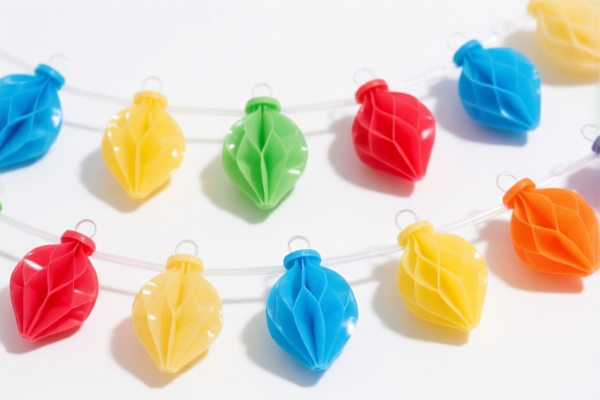
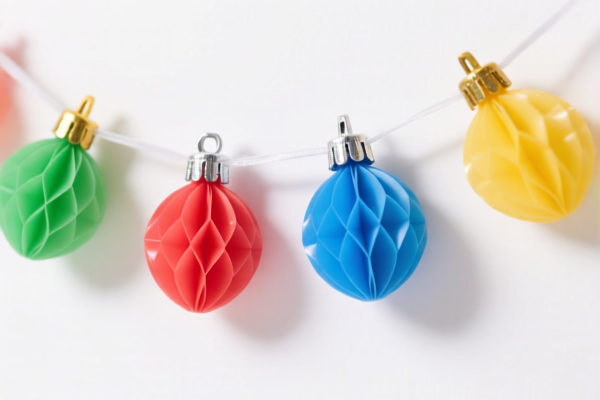
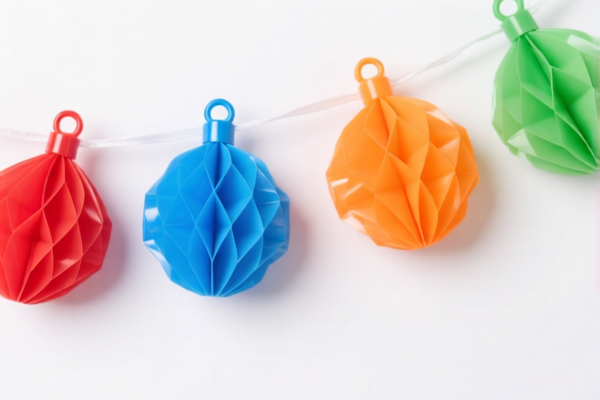
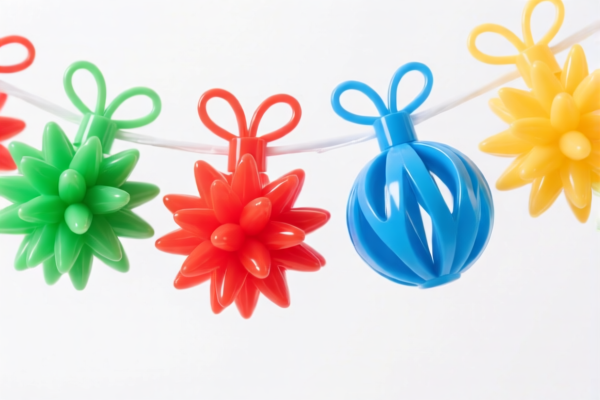
AI Analysis
🎄 Plastic Ball Decorations (Plastic Ball Decorations)
🌐 HS Code Reference & Customs Clearance Guide | 2026 Latest Tariff Analysis | Professional Customs Strategy 📌 I. Product Definition & Classification: Do You Really Understand "Plastic Ball Decorations"?
Plastic ball decorations are versatile items used for festive ornaments, interior design accents, or as small collectibles. In international trade, their classification heavily depends on their intended use and physical characteristics. They can fall under decorative articles, toys, or imitated jewelry depending on specific details.
⚠️ Key Distinction Points: - If used primarily for home/festive decoration (e.g., Christmas trees, shelves) → Chapter 39 - If classified as a toy or small play item → Chapter 95 - If styled as jewelry, accessories, or ornamental wearables → Chapter 71
📦 II. HS Code Classification Details (2026 Latest Tariff Authority Comparison)
| HS Code | Product Description | Application Scenario | Tax Rate |
|---|---|---|---|
3926.40.00.90 |
Plastic articles for decoration, such as decorative balls | General home decor, festive ornaments, shelf decorations | 15.3% |
9503.00.00.90 |
Plastic articles classified as toys or small decorative items | Children's toys, novelty items, play ornaments | 10.0% |
7117.90.75.00 |
Plastic articles as imitated jewelry or ornamental items | Fashion accessories, hair ornaments, costume jewelry | 10.0% |
3926.40.00.10 |
Plastic articles under ornamental articles category | Specific ornamental plastic goods under Chapter 39 | 15.3% |
7117.90.90.00 |
Other imitated jewelry/ornaments category (Plastic) | General imitation jewelry not specified elsewhere | 28.5% |
🔍 Important Reminder: - Decorative vs. Toy: If the item is small, colorful, and intended for children, it may be classified under 9503 (Toys). - Jewelry vs. Decor: If worn or used as personal adornment, it may fall under 7117 (Imitated Jewelry). - General Decor: If used for home/festive decoration without wearable function, 3926 is the most common classification.
💰 III. 2026 Latest Tariff Rate Details (Including Additional Taxes & Policy Add-ons)
✅ Applicable Country: United States (US)
✅ Origin: China (CN)
✅ Effective Time: 2025/2026 Import Period
🎯 1. 3926.40.00.90 & 3926.40.00.10 — Plastic Ornamental Articles
| Item | Detail |
|---|---|
| Base Tariff | 5.3% (Ad Valorem) |
| Section 301 Additional Tariff | 0.0% |
| Section 122 Tariff | 10.0% |
| Total Tariff | 15.3% |
| Tax Calculation | CIF Value × 15.3% |
| De Minimis Eligibility | ❌ No (Subject to Section 321 thresholds, but tariffs apply) |
| Legal Basis Path | HTSUS:3926.40.00 → Section 122: 10% → Base: 5.3% |
📌 Explanation: - Base Tariff (5.3%): Standard duty for plastic articles of other kinds. - Section 122 Tariff (10%): Specific additional duty applied to certain plastic decorative items from China. - Total 15.3%: This is the standard rate for general plastic decorations. Not extremely high, but significant.
🎯 2. 9503.00.00.90 — Toys or Decorative Small Items
| Item | Detail |
|---|---|
| Base Tariff | 0.0% |
| Section 301 Additional Tariff | 0.0% |
| Section 122 Tariff | 10.0% |
| Total Tariff | 10.0% |
| Tax Calculation | CIF Value × 10.0% |
| De Minimis Eligibility | ❌ No |
| Legal Basis Path | HTSUS:9503.00.00 → Section 122: 10% |
📌 Note: - Base Tariff is 0%, but Section 122 adds 10%. - This is a lower rate than general plastic decorations (15.3%). - Strategy: If the product can be legally classified as a "toy" or "play item," this tariff is more favorable.
🎯 3. 7117.90.75.00 — Imitated Jewelry (Plastic)
| Item | Detail |
|---|---|
| Base Tariff | 0.0% |
| Section 301 Additional Tariff | 0.0% |
| Section 122 Tariff | 10.0% |
| Total Tariff | 10.0% |
| Tax Calculation | CIF Value × 10.0% |
| De Minimis Eligibility | ❌ No |
| Legal Basis Path | HTSUS:7117.90.75 → Section 122: 10% |
📌 Note: - Similar to toys, base tariff is 0%, but Section 122 adds 10%. - Strategy: If the plastic balls are worn as accessories (e.g., brooches, hairpins, necklace charms), this classification applies.
🎯 4. 7117.90.90.00 — Other Imitated Jewelry/Ornaments
| Item | Detail |
|---|---|
| Base Tariff | 11.0% |
| Section 301 Additional Tariff | 7.5% |
| Section 122 Tariff | 10.0% |
| Total Tariff | 28.5% |
| Tax Calculation | CIF Value × 28.5% |
| De Minimis Eligibility | ❌ No |
| Legal Basis Path | HTSUS:7117.90.90 → Section 301: 7.5% → Section 122: 10% → Base: 11.0% |
📌 Warning: - This is the highest tariff category (28.5%). - Applies to imitation jewelry that does not fit other specific subcategories. - Avoid this classification unless necessary, as it is significantly more expensive.
🛠️ IV. Customs Clearance Practical Advice (Real-World Pitfall Avoidance Guide)
✅ 1. Preparation Checklist (Must-Have Documents)
| Document | Required | Explanation |
|---|---|---|
| ✅ Product Specification | ✔️ | Material (100% Plastic?), Size, Weight, Intended Use |
| ✅ Product Photos | ✔️ | Clear images showing if it’s a toy, ornament, or jewelry |
| ✅ Commercial Invoice | ✔️ | Must clearly describe the item’s function (e.g., "Christmas Ornament" vs. "Toy Ball") |
| ✅ Packing List | ✔️ | Item count, gross/net weight |
| ✅ Origin Certificate | ✔️ | If applicable for any potential exemptions |
| ✅ Third-Party Test Report | ✔️ | If claimed as a toy, CPC (Children’s Product Certificate) may be required |
✅ 2. Declaration Tips (Key Mantras)
🔥 “Classify by Use, Not Just Material: Toy/Jewelry vs. Decor!”
| Scenario | Correct Declaration | Wrong Practice |
|---|---|---|
| Hanging on a Christmas tree | 3926.40.00.90 (15.3%) |
Declare as "Toy" → Potential audit |
| Small balls for kids to play | 9503.00.00.90 (10.0%) |
Declare as "Ornament" → Higher tax |
| Worn as hair clips or brooches | 7117.90.75.00 (10.0%) |
Declare as "Jewelry" (General) → 28.5% |
| General plastic decor items | 3926.40.00.10 (15.3%) |
Avoid 7117.90.90.00 unless necessary |
✅ 3. Special Cases Handling
| Scenario | Handling Advice |
|---|---|
| Multi-function Items (e.g., Toy + Ornament) | Classify based on primary purpose. If marketed as a toy, use 9503. |
| Wearable Ornaments (e.g., Necklace Charms) | Use 7117.90.75.00 (10%) to save vs. general jewelry (28.5%). |
| Bulk Generic Decorations | Use 3926 (15.3%). No major savings available here. |
| Small Value Shipments | Ensure value is within de minimis thresholds if applicable, but tariffs still apply for China origin under Section 122. |
🌍 V. Global Market Clearance Comparison (2026 Latest)
| Country/Region | Recommended HS Code | Tariff | Certification | Notes |
|---|---|---|---|---|
| 🇺🇸 USA | 3926.40.00.90 / 9503.00.00.90 |
10% - 15.3% | FTC, CPC (if toy) | Section 122 applies |
| 🇨🇳 China | 3926.40.00.90 |
~5-10% | CCC (if toy) | No Section 122 |
| 🇪🇺 EU | 3926.90.97 |
~4.5% | CE, REACH | No Section 122 equivalent |
| 🇬🇧 UK | 3926.90.97 |
~4.5% | UKCA | Post-Brexit rules apply |
| 🇯🇵 Japan | 3926.90.90 |
~5-8% | PSE (if toy) | No Section 122 |
📌 Conclusion: - USA has higher effective tariffs due to Section 122 (10% additional). - EU/UK/Japan are more favorable for plastic decorations/toys. - Strategy: If targeting USA, try to classify under 9503 or 7117.90.75 to reduce from 15.3% to 10%.
📌 VI. Common Mistakes & Pitfall Guide (Lessons Learned)
❌ Mistake 1: Classifying all plastic balls as 7117.90.90.00 (28.5%)
👉 Consequence: Unnecessary high tax. If it’s specific jewelry, use 7117.90.75.00 (10%).
❌ Mistake 2: Declaring toys as "Ornaments" to avoid CPC 👉 Consequence: Regulatory fine + product seizure. If it’s a toy, CPC is mandatory.
❌ Mistake 3: Ignoring Section 122 Tariff 👉 Consequence: Underpayment of duties. 10% additional tax applies to all three main categories (3926, 9503, 7117.75).
❌ Mistake 4: Inconsistent Product Descriptions 👉 Consequence: Customs inspection delay. Ensure invoice description matches HS code function.
✅ Correct Practice:
“Plastic Christmas Baubles, 2-inch, Assorted Colors, for Home Decoration, Model XYZ” →
3926.40.00.90
“Plastic Play Balls, 1-inch, Soft, for Children 3+, Model ABC” →9503.00.00.90
“Plastic Charms for Necklaces, Gold Color, Model DEF” →7117.90.75.00
🎯 VII. Conclusion: Precise Classification, Cost Savings, Efficient Clearance!
🎯 Remember the Mantra:
🔹 “Toy/Jewelry = 10%, Decor = 15.3%, General Jewelry = 28.5%”
🔹 “Section 122 adds 10% to all! Choose wisely!”
🔹 “HS Code determines cost. Declare by use, not just material.”
📌 Pro Tip:
If your plastic ball decorations are not made in China (e.g., Vietnam, Thailand), Section 122 may not apply, potentially reducing rates.
Consider applying for a Pre-Ruling (Advance Ruling) from US Customs to confirm the correct HS code and avoid post-clearance audits.
📣 Take Action Now:
📞 Contact a professional customs broker + Provide Product Images + Apply for HS Code Pre-Ruling
🚀 Ensure your plastic decorations clear customs smoothly, minimize duties, and maximize profit!
✨ Professional clearance starts with precise classification!
💼 Every cent of duty cost is worth calculating accurately!
Customer Reviews
About HS Code Classification
The Harmonized System (HS) is an internationally standardized nomenclature developed by the World Customs Organization (WCO) to classify traded products. Over 200 countries use the HS system as the basis for customs tariffs, trade statistics, and import/export regulations.
Each HS code follows a hierarchical structure:
- Chapter (2 digits) — Broad category of goods (e.g., Chapter 84: Machinery and Mechanical Appliances)
- Heading (4 digits) — More specific grouping within the chapter
- Subheading (6 digits) — Internationally standardized breakdown, used by all WCO member countries
- National subdivisions (8-10 digits) — Country-specific extensions for further classification, such as US HTSUS 10-digit codes
Correct HS code classification is essential for smooth customs clearance, accurate duty payment, and compliance with trade regulations. Misclassification can lead to customs delays, overpayment of duties, or penalties.
When importing from CN to US, the applicable tariff rates may include:
- Most-Favored-Nation (MFN) rate — The standard duty rate applied to WTO members
- General rate — Applied to countries without trade agreements
- Trade remedy duties — Additional tariffs such as Section 301 (anti-dumping), Section 232 (national security), or countervailing duties
The information provided on this page is for reference purposes only. For official classification, please consult with your local customs authority or a licensed customs broker.