Plastic Ballpoint Pen
CN → US| HS Code | Tariff Rate | Origin | Destination | Doc |
|---|---|---|---|---|
| 9608100000 | 0.0% | CN | US | Official Doc |
| 9608996000 | 17.5% | CN | US | Official Doc |
| 9608600000 | 0.0% | CN | US | Official Doc |
| 9608100000 | 0.0% | CN | US | Official Doc |
| 9608996000 | 17.5% | CN | US | Official Doc |
Product Images
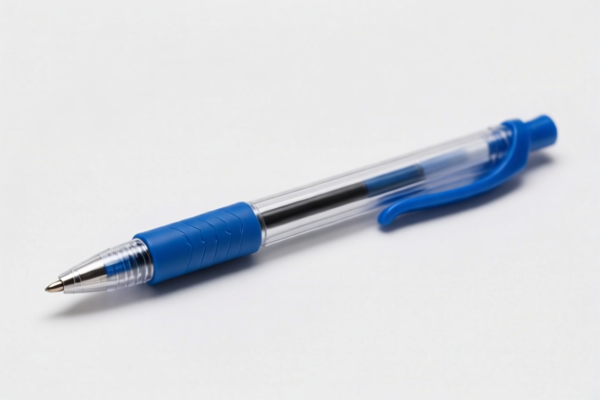
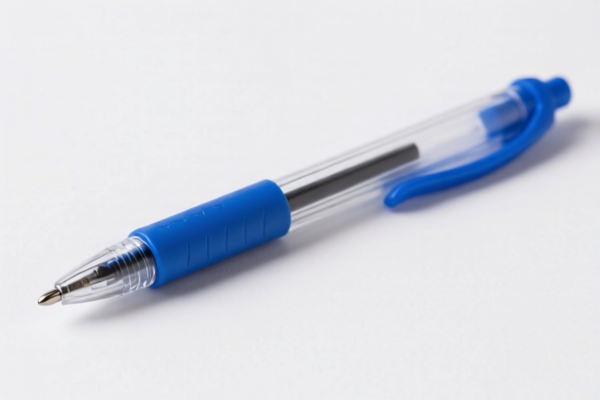
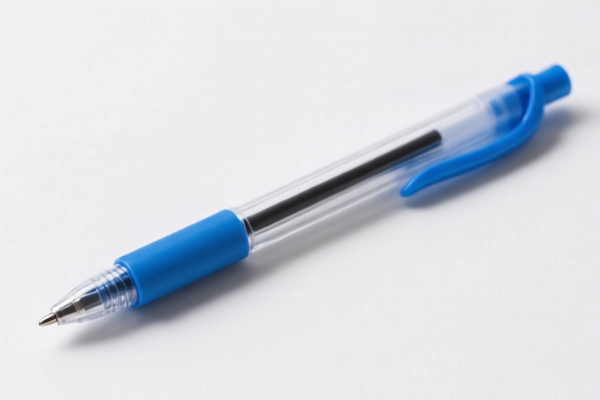
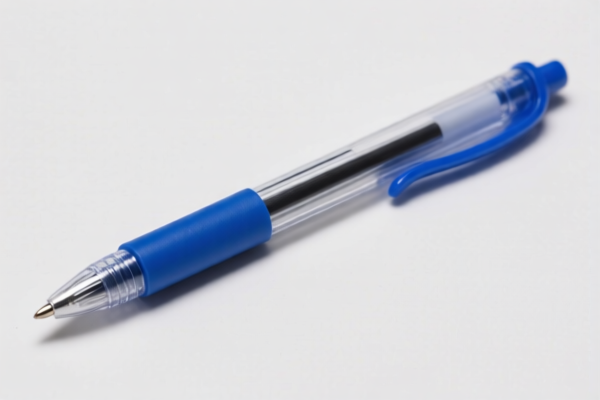
AI Analysis
🖊️ Plastic Ballpoint Pen (塑料滚珠笔/圆珠笔)
🌐 HS Code Reference & Customs Clearance Guide | 2026 Latest Tariff Analysis | Professional Entry Strategy
📌 I. Product Definition & Classification: Do You Truly Understand the "Pen"?
The plastic ballpoint pen is a ubiquitous writing instrument, but in international trade, its classification hinges on the precise combination of ink delivery mechanism and material composition. It is primarily split into two categories based on structural details:
Standard Ballpoint Pen (9608.10.00.00): Pens where the ballpoint mechanism is integral or clearly dominant, often associated with specific duty structures (per unit + ad valorem). Other Pens/Parts (9608.99.60.00): Items that may be considered "other" writing instruments or specific parts/accessories that don't fit the primary definition of a standard ballpoint pen, or are classified under residual categories.
⚠️ Key Distinction Point:
- If the pen is explicitly a ballpoint pen with a standard tip structure → Often falls under 9608.10.00.00.
- If it is a ballpoint pen but classified under "Other" due to specific regulatory interpretations, or includes touch-sensitive tips that might complicate its primary definition → May fall under 9608.99.60.00.
- Note: Some data suggests standard "Ballpoint Pen" (without specific material constraints conflicting with subheadings) can also map to 9608.60.00.00 in specific contexts, but for "Plastic Ballpoint Pen," the primary debates are between 9608.10 and 9608.99.
📦 II. HS Code Classification Details (2026 Latest Tariff Authority对照)
| HS Code | Product Description | Applicable Scenario | Material/Feature Conflict? |
|---|---|---|---|
9608.10.00.00 |
Ballpoint pens (Standard) | Standard plastic body, ballpoint tip. The name "Ballpoint Pen" matches the tariff description directly. | ❌ No conflict. "Plastic" is a reasonable inference for the body material. |
9608.99.60.00 |
Other pens, including ballpoint pens (Residual Category) | Classified as "Ballpoint Pen" but placed in "Other" category. No material or shape conflict with pen holders. | ❌ No conflict. "Plastic" is acceptable for pen bodies. |
9608.60.00.00 |
Ballpoint Pens (Specific Subcategory) | Specifically named "Ballpoint Pen". Fully fits the specific nomenclature requirement. | ❌ None. |
9608.10.00.00 |
Ballpoint Pen with Touch Tip | Includes "Ballpoint Pen" in name. The touch tip is a functional accessory, not changing the core nature as a ballpoint pen. | ❌ No change in core attribute. |
9608.99.60.00 |
Ballpoint Pen with Touch Tip | "Ballpoint Pen" fits the usage. "Pen tip" is considered a part/accessory covered by the category. | ❌ No material or shape conflict. |
🔍 Key Reminder:
- "Plastic" does not disqualify a pen from being a ballpoint pen. It is a standard material for pen bodies. - "Touch Tip" (Stylus feature) is considered an accessory. It does not change the primary classification from "Ballpoint Pen" but may trigger different tariff subheadings depending on customs interpretation (10 vs 99). - Do not confuse with Felt-tip pens (9608.30) or Liquid Ink Pens (9608.20). This product is strictly a ballpoint.
💰 III. 2026 Latest Tariff Rate Breakdown (Including Surcharges & Policy Add-ons)
✅ Applicable Country: United States (US)
✅ Origin: China (CN)
✅ Effective Date: Post-2025 (Current Policy Context)
🎯 1. 9608.10.00.00 —— Ballpoint Pens (Standard Plastic)
| Item | Content |
|---|---|
| Base Duty Rate | 0.8¢ per unit + 5.4% (Ad Valorem) |
| Section 301 Surcharge | +7.5% (Additional Tariff) |
| Section 122 Tariff | +10% (Specific Additional Tariff) |
| Total Effective Rate | Variable (Mixed Model): Per-unit fee + ~22.9% Ad Valorem |
| Tax Calculation | (0.008 USD/pen × Qty) + (CIF Value × 22.9%) |
| De Minimis Exemption | ❌ No (High risk of audit due to Section 301/122) |
| Legal Basis Path | HTSUS:9608.10.00.00 → Section 301:9903.88.01 → Section 122 |
📌 Explanation:
- This classification attracts a per-unit duty (0.8¢/pen) PLUS an ad valorem rate. - Section 301 (7.5%) and Section 122 (10%) are additive to the base rate. - Total Ad Valorem Burden: ~22.9% (5.4% + 7.5% + 10%) PLUS the per-unit cost. - This is a high-cost category for high-volume, low-value items due to the per-unit fee.
🎯 2. 9608.99.60.00 —— Other Pens / Ballpoint Pens (Residual)
| Item | Content |
|---|---|
| Base Duty Rate | 0.0% (Ad Valorem) |
| Section 301 Surcharge | +7.5% |
| Section 122 Tariff | +10% |
| Total Effective Rate | 17.5% (Pure Ad Valorem) |
| Tax Calculation | CIF Value × 17.5% |
| De Minimis Exemption | ⚠️ Risky (Check current de minimis rules for China-origin goods under Section 301/122) |
| Legal Basis Path | HTSUS:9608.99.60.00 → Section 301:9903.88.01 → Section 122 |
📌 Note:
- While the base rate is 0%, the add-on tariffs (17.5% total) still apply. - This category is simpler to calculate (no per-unit fee) and may be more cost-effective for bulk shipments compared to 9608.10 if the per-unit fee on 9608.10 exceeds the difference. - Crucial: Ensure the product description justifies "Other" and not "Standard Ballpoint" to avoid misclassification penalties.
🎯 3. 9608.60.00.00 —— Ballpoint Pens (Specific Subcategory)
| Item | Content |
|---|---|
| Base Duty Rate | 0.4¢ per unit + 2.7% |
| Section 301 Surcharge | +7.5% |
| Section 122 Tariff | +10% |
| Total Effective Rate | Mixed: Per-unit fee + ~20.2% Ad Valorem |
| Tax Calculation | (0.004 USD/pen × Qty) + (CIF Value × 20.2%) |
| De Minimis Exemption | ❌ No |
| Legal Basis Path | HTSUS:9608.60.00.00 → Section 301 → Section 122 |
📌 Explanation:
- Appears in the source data as a valid classification for "Ballpoint Pen." - Lower per-unit fee (0.4¢) and lower ad valorem base (2.7%) than 9608.10. - Total Ad Valorem: ~20.2%. - Recommendation: If customs accepts 9608.60.00.00 for your specific plastic pen, this may be the most cost-effective option due to lower base rates.
🛠️ IV. Customs Clearance Practical Advice (Battle-Tested Pitfall Guide)
✅ 1. Document Checklist (Non-negotiable)
| Document | Required | Explanation |
|---|---|---|
| ✅ Product Specification Sheet | ✔️ | Must detail: Tip type (ballpoint), Ink type, Material (Plastic), Special features (Touch tip?). |
| ✅ Product Photos (Clear Labeling) | ✔️ | Show the tip mechanism to prove it's a ballpoint, not felt-tip. Show any "Touch" features. |
| ✅ Commercial Invoice | ✔️ | Clearly state: "Plastic Ballpoint Pen, Model XYZ, Origin: China." Avoid vague terms like "Writing Instrument." |
| ✅ Packing List | ✔️ | Itemize count of pens per box. Critical for per-unit duty calculation. |
| ✅ Customs Ruling (Pre-Ruling) | ✔️ | Highly Recommended to confirm 9608.10 vs 9608.99 for your specific design. |
✅ 2. Declaration Strategy (Key Mantras)
🔥 “Be Specific on Tip, Declare Origin, Don’t Split!”
| Scenario | Correct Declaration | Wrong Practice |
|---|---|---|
| Standard Plastic Ballpoint | 9608.10.00.00 or 9608.60.00.00 (if applicable) |
Misdeclare as "Felt-tip Pen" (9608.30) → Different tariff |
| Ballpoint with Stylus Tip | 9608.10.00.00 or 9608.99.60.00 |
Declare as "Electronic Device" → Wrong HS Code |
| Bulk Pens (No Packaging) | Declare as "Pens" | Declare as "Parts" → Unnecessary complexity |
| Mixed Orders (Pens + Notebooks) | Split Declaration | Bundle together → Misclassification risk |
✅ 3. Special Case Handling
| Scenario | Handling Advice |
|---|---|
| OEM Pens with Custom Logo | Provide client order + design file. Logo does not change HS Code. |
| Ballpoint Pen with USB Drive | Critical! May be classified as a "USB Drive" (8501.60) or "Set" → Higher complexity. Advise splitting shipments. |
| Touch-Tip Ballpoint | Emphasize "Ballpoint" as primary function. Touch tip is accessory. Use 9608.10 or 9608.99 as per ruling. |
| Gift Sets (Pen + Notebook) | Declare separately. Pen goes to 9608.xxxx, Notebook to 4901.xxxx. Do not bundle under one HS Code. |
🌍 V. Global Market Clearance Comparison (2026 Latest)
| Country/Region | Recommended HS Code | Tariff (China Origin) | Certification | Notes |
|---|---|---|---|---|
| 🇺🇸 USA | 9608.10.00.00 / 9608.99.60.00 |
17.5% - 22.9% + Per Unit | None (General) | Section 301 & 122 apply heavily. |
| 🇨🇳 China | 9608.10.00.00 |
5-8% | CCC (if applicable) | Lower tariffs. |
| 🇪🇺 EU | 9608.10.00 |
0-4.5% | CE (if electronic parts) | No Section 301 equivalent. |
| 🇬🇧 UK | 9608.10.00 |
0-4.5% | UKCA | Post-Brexit tariffs may vary. |
| 🇦🇺 Australia | 9608.10.00 |
5% | RCM | No major surcharges. |
📌 Conclusion:
- USA is the most complex market for ballpoint pens due to Section 301 (7.5%) and Section 122 (10%) tariffs. - China-origin pens face a minimum 17.5% additional burden even if base duty is 0%. - Per-unit duties (in 9608.10/60) make high-volume, low-cost pens expensive in the US.
📌 VI. Common Errors & Pitfall Guide (Lessons Learned)
❌ Error 1: Declaring "Ballpoint Pen" as "Pen Part" (9608.90)
👉 Consequence: Misclassification. If it’s a complete pen, it should be 9608.10/60. Parts are only for disassembled components.
❌ Error 2: Ignoring the "Touch Tip" feature
👉 Consequence: If the touch tip makes it an "Electronic Device," it could be reclassified under Chapter 85 (e.g., 8543.70), leading to different tariffs and regulations.
❌ Error 3: Under-declaring Per-Unit Duties for 9608.10
👉 Consequence: 0.8¢ per pen adds up fast. 10,000 pens = $80 in per-unit duty alone. Missing this leads to underpayment penalties.
❌ Error 4: Confusing "Plastic" with "Rubber"
👉 Consequence: If the grip is rubber, it doesn’t change the HS Code for ballpoint pens, but ensure description is accurate to avoid scrutiny.
✅ Correct Practice:
"Plastic Ballpoint Pen, Black Ink, 0.7mm Tip, with Stylus Function, Model XYZ, Origin: China."
🎯 VII. Conclusion: Precise Classification Saves Money!
🎯 Remember the Mantras:
🔹 "Ballpoint is 9608, Plastic is OK, Touch Tip is Accessory."
🔹 "US Tariffs: 17.5% Min, Plus Per Unit, Section 301/122 Apply."
🔹 "Check 9608.10 vs 9608.60, Lower Base Rate Wins!"
📌 Pro Tip:
If your pen is low value and you are shipping via De Minimis (e.g., $800 limit), be aware that Section 301 and 122 tariffs often DO NOT apply to de minimis shipments. However, US policy is dynamic. Always verify current de minimis rules for China-origin goods.
For larger shipments, Pre-Ruling (CBP Opinion) is highly recommended to confirm if your specific "Plastic Ballpoint Pen" falls under 9608.10 (with per-unit fee) or 9608.99 (ad valorem only).
📣 Immediate Action:
📞 Contact a Licensed Customs Broker + Provide Product Photos + Apply for CBP Pre-Ruling
🚀 Ensure your Commercial Invoice clearly states "Ballpoint Pen" and "China Origin" to avoid delays.
✨ Professional Clearance Starts with Accurate Classification!
💼 Every Cent in Tariff is an Opportunity for Optimization!
Customer Reviews
About HS Code Classification
The Harmonized System (HS) is an internationally standardized nomenclature developed by the World Customs Organization (WCO) to classify traded products. Over 200 countries use the HS system as the basis for customs tariffs, trade statistics, and import/export regulations.
Each HS code follows a hierarchical structure:
- Chapter (2 digits) — Broad category of goods (e.g., Chapter 84: Machinery and Mechanical Appliances)
- Heading (4 digits) — More specific grouping within the chapter
- Subheading (6 digits) — Internationally standardized breakdown, used by all WCO member countries
- National subdivisions (8-10 digits) — Country-specific extensions for further classification, such as US HTSUS 10-digit codes
Correct HS code classification is essential for smooth customs clearance, accurate duty payment, and compliance with trade regulations. Misclassification can lead to customs delays, overpayment of duties, or penalties.
When importing from CN to US, the applicable tariff rates may include:
- Most-Favored-Nation (MFN) rate — The standard duty rate applied to WTO members
- General rate — Applied to countries without trade agreements
- Trade remedy duties — Additional tariffs such as Section 301 (anti-dumping), Section 232 (national security), or countervailing duties
The information provided on this page is for reference purposes only. For official classification, please consult with your local customs authority or a licensed customs broker.