Plastic Basket
CN → US| HS Code | Tariff Rate | Origin | Destination | Doc |
|---|---|---|---|---|
| 3924104000 | 13.4% | CN | US | Official Doc |
| 3924905650 | 20.9% | CN | US | Official Doc |
| 4602110700 | 35.0% | CN | US | Official Doc |
| 4602110900 | 45.0% | CN | US | Official Doc |
| 7323999040 | 88.4% | CN | US | Official Doc |
Product Images
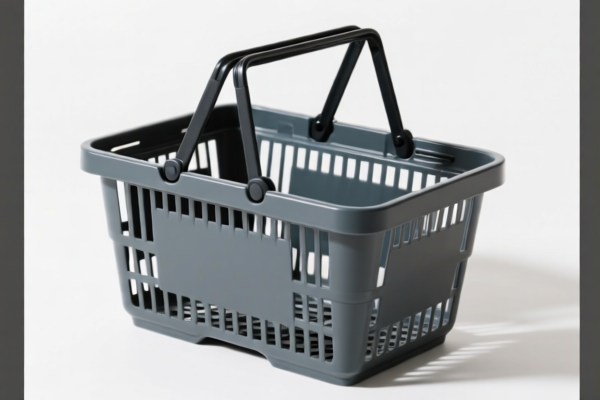
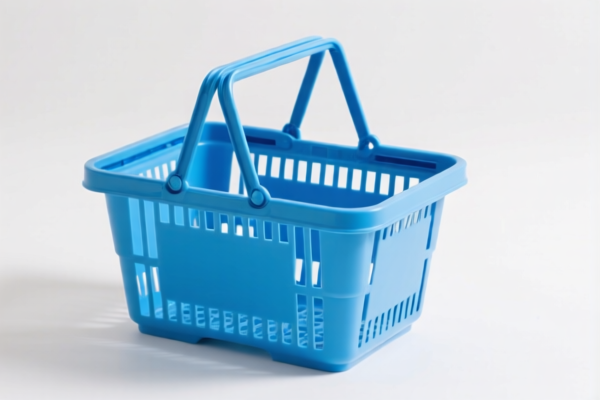
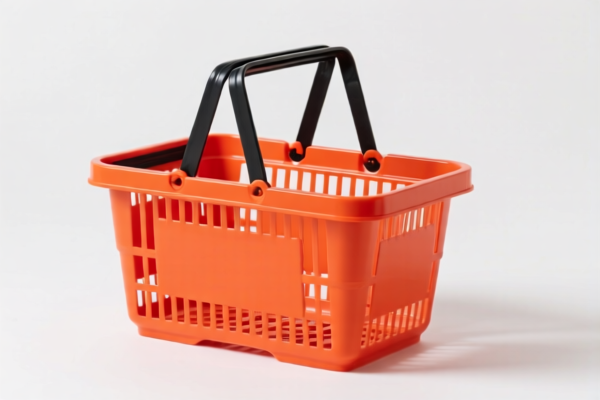
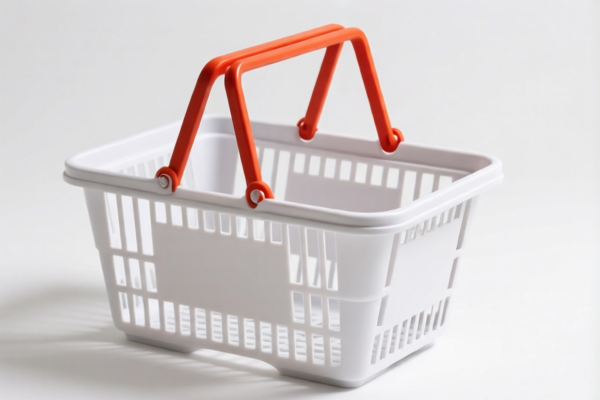
AI Analysis
🧺 Plastic Baskets (Plastic Material Storage & Home Use)
🌐 HS Code Reference & Customs Clearance Guide | 2026 Latest Tariff Analysis | Strategic Clearance Strategy
📌 Part 1: Product Definition & Classification: Do You Really Understand "Plastic Baskets"?
A "plastic basket" is a versatile household item used for storage, laundry, organization, or decor. However, in international trade, its classification depends heavily on material composition, manufacturing process (woven vs. molded), and specific use case. Misclassification can lead to drastic duty differences—from 13.4% to 88.4%!
⚠️ Key Distinction Point:
- Is it molded plastic (smooth, uniform surface)? → Likely Chapter 39.
- Is it woven/braided (even if plastic strip)? → Could be Chapter 46 (if interpreted as woven materials) or 39.
- Is it metal but called "basket"? → Chapter 73 (Dangerous! High Duties).
📦 Part 2: HS Code Classification Details (2026 Latest Tariff Authority Comparison)
Below are the valid HS Codes derived from the provided data, with clear explanations for why a specific code applies based on product characteristics.
| HS Code | Product Description | Why This Code Applies? | Est. Total Tax (CN Origin) |
|---|---|---|---|
3924.10.40.00 |
Plastic Basket (Home Use) | ✅ Best Fit for Molded Plastic: Specifically for tableware, kitchenware, or household plastic items. No weaving involved. Summary from Data: "Plastic material basket, belonging to household goods category." |
13.4% |
3924.90.56.50 |
Plastic Basket (Fallback/General) | ✅ Fallback Principle: Used if the specific "10.40" subheading doesn't match exact design criteria, but still plastic household goods. Summary from Data: "Plastic material basket, conforms to fallback category principle." |
20.9% |
4602.11.07.00 |
Woven Basket (No Material Conflict) | ⚠️ Woven Structure: If the basket is made by weaving plastic strips/strands, it may fall under "Wickerwork, Basketwork" in Chapter 46. Summary from Data: "Woven basket class, no clear material conflict." |
35.0% |
4602.11.09.00 |
Plant Fiber Basket (Morphology Match) | ❌ Risk of Misclassification: If the basket appears woven but is misidentified as plant fiber, or if it’s a plant-fiber basket mistaken for plastic. Summary from Data: "Plant fiber material basket, morphology match." |
45.0% |
7323.99.90.40 |
Metal Basket (Kitchen/Tableware) | ❌ Critical Error Risk: If the basket is actually steel, aluminum, or copper (metal), NOT plastic. Summary from Data: "Metal material basket, belonging to tableware/kitchenware category." |
88.4% |
🔍 Key Reminder:
- Plastic + Molded = 3924.10.40.00 (Lowest Duty: 13.4%)
- Plastic + Woven = 4602.11.07.00 (Mid Duty: 35.0%)
- Metal Basket = 7323.99.90.40 (Highest Duty: 88.4% — Avoid if it’s plastic!)
💰 Part 3: 2026 Latest Tariff Rate Breakdown (Including Surtax & Policy Add-ons)
✅ Applicable Country: United States (US)
✅ Origin: China (CN)
✅ Effective Date: Post-November 2025 (Current Regime)
🎯 1. 3924.10.40.00 — Plastic Household Basket (Molded)
✅ Recommended for most standard plastic storage baskets.
| Item | Details |
|---|---|
| Basic Duty | 3.4% |
| Surtax (Section 301) | 7.5% |
| Section 122 Tariff | 10% |
| Total Duty Rate | 13.4% |
| Tax Calculation | CIF Value × 13.4% |
| De Minimis Exemption | ❌ Not Eligible (Section 122 items usually excluded from 80.01 exemption) |
| Legal Basis Path | Section 301: 3.4% → Surtax: 7.5% → Section 122: 10% |
📌 Explanation:
- Section 122 (10%): Applies to certain goods entering via informal entries (small packages) if they don’t qualify for de minimis, OR as a specific surtax on certain categories. Note: Data indicates 10% is included in total.
- Section 301 (7.5%): Standard additional duty on many Chinese plastics.
- Total 13.4% is the most cost-effective for plastic baskets.
🎯 2. 3924.90.56.50 — Plastic Basket (Fallback)
| Item | Details |
|---|---|
| Basic Duty | 3.4% |
| Surtax (Section 301) | 7.5% |
| Section 122 Tariff | 10% |
| Total Duty Rate | 20.9% |
| Tax Calculation | CIF Value × 20.9% |
| De Minimis Exemption | ❌ Not Eligible |
| Legal Basis Path | Section 301: 3.4% → Surtax: 7.5% → Section 122: 10% |
📌 Note:
- Slightly higher than 3924.10.40.00 due to potential additional surtax layers or different subheading surtax application.
- Use only if 3924.10.40.00 is not technically applicable.
🎯 3. 4602.11.07.00 — Woven Plastic Basket
| Item | Details |
|---|---|
| Basic Duty | 0.0% |
| Surtax (Section 301) | 25.0% |
| Section 122 Tariff | 10% |
| Total Duty Rate | 35.0% |
| Tax Calculation | CIF Value × 35.0% |
| De Minimis Exemption | ❌ Not Eligible |
| Legal Basis Path | Surtax: 25.0% → Section 122: 10% |
📌 Warning:
- Higher Surtax (25%): Woven articles often face higher Section 301 surtaxes than molded plastics.
- If your basket is plastic but woven, expect 35.0%.
- If you can reclassify as molded plastic (3924), you save 21.6%!
🎯 4. 4602.11.09.00 — Plant Fiber Basket (Morphology Match)
| Item | Details |
|---|---|
| Basic Duty | 10.0% |
| Surtax (Section 301) | 25.0% |
| Section 122 Tariff | 10% |
| Total Duty Rate | 45.0% |
| Tax Calculation | CIF Value × 45.0% |
| De Minimis Exemption | ❌ Not Eligible |
📌 Critical Error Alert:
- Do NOT classify plastic baskets here unless they are actually made of plant fibers (e.g., rattan, seagrass).
- If customs determines it’s plastic but you declared it as plant fiber, expect penalties + back taxes.
🎯 5. 7323.99.90.40 — Metal Basket (Steel/Aluminum/Copper)
| Item | Details |
|---|---|
| Basic Duty | 3.4% |
| Surtax (Section 301) | 25.0% |
| Steel/Aluminum/Copper Surtax | 50.0% |
| Section 122 Tariff | 10% |
| Total Duty Rate | 88.4% |
| Tax Calculation | CIF Value × 88.4% |
| De Minimis Exemption | ❌ Not Eligible |
📌 Extreme Cost Alert:
- If your basket is metal (even plastic-coated metal), it falls here.
- 88.4% is catastrophic for profit margins.
- Ensure material is truly plastic to avoid this rate.
🛠️ Part 4: Customs Clearance Practical Advice (Real-World Pitfall Guide)
✅ 1. Document Checklist (Must-Have)
| Document | Required? | Notes |
|---|---|---|
| ✅ Product Specification Sheet | ✔️ | Must specify material: "100% Polypropylene (PP)" or "HDPE". |
| ✅ Product Photos | ✔️ | Show texture: Molded (smooth) vs. Woven (strip pattern). |
| ✅ Commercial Invoice | ✔️ | Use precise term: "Plastic Storage Basket" (NOT "Wicker Basket" if plastic). |
| ✅ Bill of Lading/Packing List | ✔️ | Clearly state weight and dimensions. |
| ✅ Material Test Report (Optional) | ✔️ | If customs challenges "plastic" claim, a lab report helps. |
✅ 2. Declaration Strategy (Key Tips)
🔥 "Material First, Structure Second, Name Precise!"
| Scenario | Correct HS Code | Incorrect HS Code | Result |
|---|---|---|---|
| Molded Plastic Basket | 3924.10.40.00 (13.4%) |
4602.11.07.00 (35.0%) |
Save 21.6% |
| Woven Plastic Basket | 4602.11.07.00 (35.0%) |
3924.10.40.00 (13.4%) |
Risk: Penalty for misclassification |
| Metal Basket | 7323.99.90.40 (88.4%) |
3924.10.40.00 (13.4%) |
Disallowed: Material mismatch |
| Plant Fiber Basket | 4602.11.09.00 (45.0%) |
3924.10.40.00 (13.4%) |
Disallowed: Material mismatch |
📌 Pro Tip:
- If the basket is plastic strips woven together, customs may argue it’s Chapter 39 (Plastics) if it doesn’t meet the "wickerwork" definition in Chapter 46.
- However, Chapter 46 covers "Wickerwork, Basketwork... of materials other than metal." If it’s plastic, some rulings place it in 39, others in 46.
- Safest Route: If molded → 3924.10.40.00. If clearly woven → 4602.11.07.00. Never declare plastic as metal or plant fiber.
✅ 3. Special Handling Cases
| Case | Action |
|---|---|
| Plastic-coated Wire Basket | Check if primary material is metal → Likely 7323 (88.4%). If plastic coating is dominant, argue for 3924. |
| Collapsible Plastic Basket | Still molded plastic → 3924.10.40.00. |
| Laundry Basket with Liner | Declare the basket as 3924.10.40.00. Liner can be included if minor. |
| Gift Set (Basket + Towel) | Declare basket separately if possible. If bundled, ensure basket is main component. |
🌍 Part 5: Global Market Comparison (2026)
| Country/Region | Recommended HS Code | Duty (China Origin) | Notes |
|---|---|---|---|
| 🇺🇸 USA | 3924.10.40.00 |
13.4% | Includes Section 122 & 301. Best rate for plastic. |
| 🇺🇸 USA (Woven) | 4602.11.07.00 |
35.0% | Higher surtax for woven plastics. |
| 🇺🇸 USA (Metal) | 7323.99.90.40 |
88.4% | Avoid if possible. |
| 🇪🇺 EU | 3924.10.00 |
~5-7% | No Section 122. Lower duties overall. |
| 🇨🇳 China | 3924.10.00 |
~5-10% | Import duties apply for foreign goods. |
📌 Conclusion:
- USA has the highest duties for Chinese plastic baskets due to Section 122 and 301.
- Accurate material declaration is critical to avoid the 88.4% metal tax.
- Molded plastic is the cheapest category (13.4%).
📌 Part 6: Common Errors & Pitfalls (Lessons Learned)
❌ Error 1: Declaring a molded plastic basket as a woven basket (4602)
👉 Consequence: Duty jumps from 13.4% to 35.0% → Profit loss!
❌ Error 2: Declaring a plastic basket as metal (7323)
👉 Consequence: Duty skyrockets to 88.4% → Catastrophic loss!
❌ Error 3: Using vague terms like "Basket" without material specification
👉 Consequence: Customs may assign the highest applicable rate or require reclassification → Delays & Penalties
✅ Correct Approach:
"Plastic Storage Basket, Molded, Polypropylene, Household Use, Model XYZ"
🎯 Part 7: Conclusion: Precision Saves Money!
🎯 Remember the Mantra:
🔹 "Molded Plastic → 3924 (13.4%)"
🔹 "Woven Plastic → 4602 (35.0%)"
🔹 "Metal → 7323 (88.4%) → AVOID!"
🔹 "Plastic Fiber → 4602 (45.0%) → Check Material!"
📌 Action Step:
📞 Verify material with supplier.
📸 Take clear photos showing texture.
📝 Declare accurately as "Plastic Basket" for 3924.10.40.00.
🚀 Clearance Success, Cost Control, Maximized Profit!
✨ Professional Customs Clearance Starts with Accurate Classification!
💼 Every Percent in Duty is Saved Through Precision!
Customer Reviews
About HS Code Classification
The Harmonized System (HS) is an internationally standardized nomenclature developed by the World Customs Organization (WCO) to classify traded products. Over 200 countries use the HS system as the basis for customs tariffs, trade statistics, and import/export regulations.
Each HS code follows a hierarchical structure:
- Chapter (2 digits) — Broad category of goods (e.g., Chapter 84: Machinery and Mechanical Appliances)
- Heading (4 digits) — More specific grouping within the chapter
- Subheading (6 digits) — Internationally standardized breakdown, used by all WCO member countries
- National subdivisions (8-10 digits) — Country-specific extensions for further classification, such as US HTSUS 10-digit codes
Correct HS code classification is essential for smooth customs clearance, accurate duty payment, and compliance with trade regulations. Misclassification can lead to customs delays, overpayment of duties, or penalties.
When importing from CN to US, the applicable tariff rates may include:
- Most-Favored-Nation (MFN) rate — The standard duty rate applied to WTO members
- General rate — Applied to countries without trade agreements
- Trade remedy duties — Additional tariffs such as Section 301 (anti-dumping), Section 232 (national security), or countervailing duties
The information provided on this page is for reference purposes only. For official classification, please consult with your local customs authority or a licensed customs broker.