Plastic Basketball Shoes
CN → US| HS Code | Tariff Rate | Origin | Destination | Doc |
|---|---|---|---|---|
| 6404112060 | 20.5% | CN | US | Official Doc |
| 3926909989 | 22.8% | CN | US | Official Doc |
| 6402191520 | 22.6% | CN | US | Official Doc |
| 6402191541 | 22.6% | CN | US | Official Doc |
| 6404112030 | 20.5% | CN | US | Official Doc |
Product Images
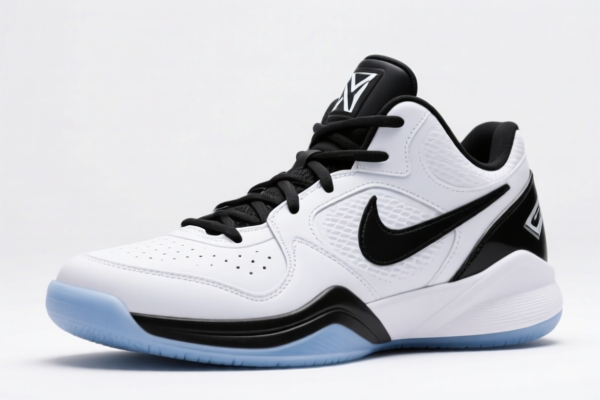
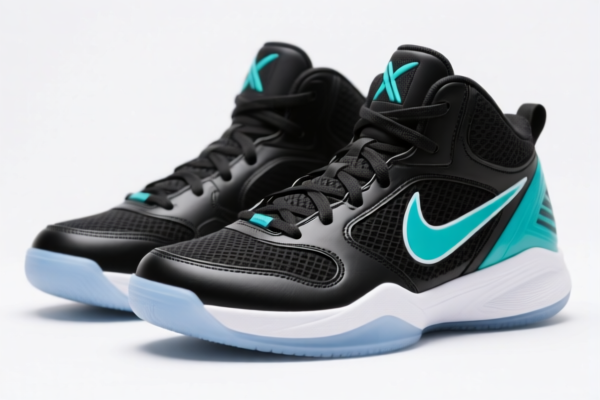
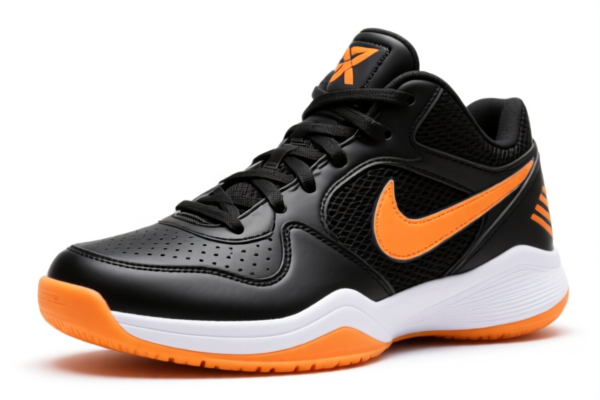
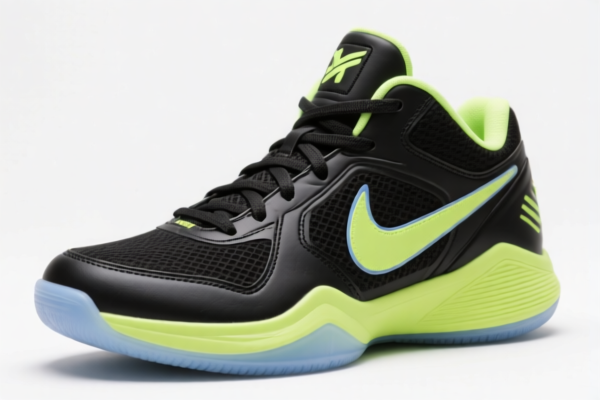
AI Analysis
👟 Plastic Basketball Shoes: HS Code Classification & Customs Clearance Guide (2026 Update)
🌐 HS Code Reference & Customs Guide | 2026 Latest Tariff Analysis | Professional Clearance Strategy
📌 I. Product Definition & Classification: Do You Really Know “Plastic Basketball Shoes”?
Plastic Basketball Shoes are specialized athletic footwear designed for basketball play, characterized by a plastic sole (outsole) and potentially plastic or textile uppers. In international trade, classification depends heavily on: 1. Material Composition: Is the outsole made of plastic? 2. Primary Use: Are they designated as sports shoes (athletic footwear)? 3. Construction Details: Does the upper consist of plastic, textile, or other materials?
⚠️ Key Distinction Points:
- If the outsole is primarily plastic and the shoe is designed for sports/athletic use (basketball), it falls under Heading 6404 (Footwear with outer soles of rubber, plastics, leather composition, or other materials, with uppers of textile materials).
- If the shoe is not specifically for sports or uses different material ratios, it may fall under Heading 6402 (Other footwear with outer soles of rubber or plastics) or even Heading 3926 (Other articles of plastic) if not considered footwear proper.
📦 II. HS Code Classification Details (2026 Latest Tariff Authority Reference)
| HS Code | Product Description | Applicable Scenario | Key Material/Use Criteria |
|---|---|---|---|
| 6404.11.20.60 | Plastic basketball shoes; classified as sports shoes, material is plastic, fits sports footwear category. | Athletic basketball shoes with plastic outsoles. | ✅ Sports shoe; Plastic outsole |
| 3926.90.99.89 | Plastic products; commodity name contains plastic material, form is other articles. | Non-footwear plastic items (e.g., plastic accessories, parts not classified as footwear). | ❌ Not footwear; General plastic articles |
| 6402.19.15.20 | Plastic material footwear; use is sports shoes, meets rubber or plastic material requirements. | Sports shoes with plastic/rubber outsoles, general athletic use. | ✅ Sports shoe; Plastic/Rubber outsole |
| 6402.19.15.41 | Plastic material footwear; classified as sports shoes, meets rubber or plastic outsole and upper requirements. | Sports shoes with plastic components, specific athletic design. | ✅ Sports shoe; Plastic components |
| 6404.11.20.30 | Plastic-sole basketball shoes; outsole is plastic, use is sports shoes, upper may be textile material. | Basketball shoes with plastic outsoles and textile uppers. | ✅ Sports shoe; Plastic outsole, Textile upper |
🔍 Key Reminder:
- Footwear with plastic outsoles designed for sports (like basketball) should generally be classified under 6404.11.20.xx if the upper is textile, or 6402.19.15.xx if the construction fits other plastic/rubber criteria.
- Do not classify as 3926.90.99.89 unless the item is not footwear (e.g., plastic shoe covers, decorative items, or non-wearable parts). Misclassification here leads to significant tax discrepancies.
💰 III. 2026 Latest Tariff Rate Details (Including Surtaxes, Policy Add-ons)
✅ Applicable Country: United States (US)
✅ Origin: China (CN)
✅ Effective Date: From November 10, 2025 (including subsequent imports)
🎯 1. 6404.11.20.60 —— Plastic Basketball Shoes (Sports Category)
| Item | Content |
|---|---|
| Base Tariff Rate | 10.5% (ad valorem) |
| USITC Surtax (Section 301) | 0.0% |
| Section 122 Tariff | +10% |
| Total Tax Rate | 20.5% |
| Tax Calculation | CIF Value × 20.5% |
| De Minimis Exemption Eligible? | ❌ No (deny_de_minimis) |
| Legal Basis Path | USITC:6404.11.20.60 → FOOTNOTE:122 → IEEPA:9903.01.25 |
📌 Explanation:
- Base Tariff 10.5%: Standard rate for athletic footwear with textile uppers and plastic/rubber outsoles.
- Section 301 Surcharge 0%: No additional 25% Section 301 tariff applies to this specific subheading.
- Section 122 Tariff +10%: Applies to all footwear imports from China under Section 122 provisions.
- Total 20.5%: Relatively moderate compared to other categories, but still significant for low-margin goods.
🎯 2. 3926.90.99.89 —— Plastic Products (Non-Footwear)
| Item | Content |
|---|---|
| Base Tariff Rate | 5.3% (ad valorem) |
| USITC Surtax (Section 301) | +7.5% |
| Section 122 Tariff | +10% |
| Total Tax Rate | 22.8% |
| Tax Calculation | CIF Value × 22.8% |
| De Minimis Exemption Eligible? | ❌ No (deny_de_minimis) |
| Legal Basis Path | USITC:3926.90.99.89 → FOOTNOTE:122 → IEEPA:9903.01.25 |
📌 Warning:
- This rate applies only if the item is not classified as footwear.
- If customs determines the item is actually footwear, you will face reclassification penalties and potential back taxes.
- Never use this code for wearable shoes unless explicitly non-functional (e.g., decorative plastic items).
🎯 3. 6402.19.15.20 & 6402.19.15.41 —— Plastic Material Sports Footwear
| Item | Content |
|---|---|
| Base Tariff Rate | 5.1% (ad valorem) |
| USITC Surtax (Section 301) | +7.5% |
| Section 122 Tariff | +10% |
| Total Tax Rate | 22.6% |
| Tax Calculation | CIF Value × 22.6% |
| De Minimis Exemption Eligible? | ❌ No (deny_de_minimis) |
| Legal Basis Path | USITC:6402.19.15.xx → FOOTNOTE:122 → IEEPA:9903.01.25 |
📌 Note:
- These codes apply to sports footwear where the outsole is rubber or plastic, but the classification criteria differ slightly from 6404.11.20 (e.g., upper material composition).
- Rate is 22.6%, slightly higher than 6404.11.20.60 due to higher Section 301 surcharge (7.5% vs. 0%).
- Choose carefully: Misclassification between 6404 and 6402 can lead to disputes. Provide clear material breakdowns.
🎯 4. 6404.11.20.30 —— Plastic-Sole Basketball Shoes (Textile Upper)
| Item | Content |
|---|---|
| Base Tariff Rate | 10.5% (ad valorem) |
| USITC Surtax (Section 301) | 0.0% |
| Section 122 Tariff | +10% |
| Total Tax Rate | 20.5% |
| Tax Calculation | CIF Value × 20.5% |
| De Minimis Exemption Eligible? | ❌ No (deny_de_minimis) |
| Legal Basis Path | USITC:6404.11.20.30 → FOOTNOTE:122 → IEEPA:9903.01.25 |
📌 Explanation:
- This is the most favorable rate for basketball shoes with plastic outsoles and textile uppers.
- Identical rate to 6404.11.20.60 (20.5%), but the subheading differs based on specific product design or upper material nuances.
- Best Option: If your basketball shoes have textile uppers, prioritize this code to avoid unnecessary tax increases.
🛠️ IV. Customs Clearance Practical Advice (Battle-Tested Pitfall Guide)
✅ 1. Preparation Checklist (All Documents Required)
| Document | Must Provide | Description |
|---|---|---|
| ✅ Product Specifications Sheet | ✔️ | Includes sole material (plastic), upper material (textile/plastic), intended use (basketball/sports). |
| ✅ Product Photos (Clear Label) | ✔️ | Show sole tread pattern, upper material texture, brand/model number. |
| ✅ Composition Breakdown | ✔️ | Percentage of plastic, textile, rubber, etc., by weight/volume. |
| ✅ Commercial Invoice | ✔️ | Explicitly state “Plastic Basketball Shoes” or “Ath Footwear, Plastic Sole, Textile Upper”. |
| ✅ Packing List | ✔️ | Detail quantity, weight, dimensions per carton. |
| ✅ Origin Certificate (CO) | ✔️ | If not China-origin, claim preferential rates (if applicable). |
| ✅ Third-Party Test Report | ✔️ | Proof of athletic use/sports classification (if requested). |
✅ 2. Declaration Tips (Key Mantra)
🔥 “Sports shoe? Plastic sole? Declare 6404.11! Non-wearable? 3926! Get it wrong, pay more!”
| Situation | Correct Declaration | Wrong Approach |
|---|---|---|
| Basketball shoes with plastic outsole + textile upper | 6404.11.20.30 or 6404.11.20.60 (20.5%) |
Misclassify as 3926.90.99.89 → 22.8% + penalty risk |
| Basketball shoes with plastic outsole + plastic upper | 6402.19.15.20 or 6402.19.15.41 (22.6%) |
Try to claim 6404.11 → Rejected, rate increases |
| Plastic shoe covers/accessories (non-wearable) | 3926.90.99.89 (22.8%) |
Declare as footwear → Severe misclassification penalty |
| Mixed materials (e.g., plastic sole, leather upper) | Check specific subheading under 6403/6404 based on material dominance | Guesswork → Delays, audits, fines |
✅ 3. Special Scenarios
| Scenario | Handling Advice |
|---|---|
| OEM Custom Basketball Shoes | Provide design specs + material analysis to justify 6404.11 classification. |
| Plastic Outsole + Textile Upper | Best rate (20.5%). Highlight “Textile Upper” in declaration. |
| Plastic Outsole + Plastic Upper | Expect higher tax (22.6%). Ensure accurate material composition documentation. |
| Non-Footwear Plastic Items | Clearly describe as “Plastic Accessories” or “Decorative Items” to use 3926.90.99.89. |
| De Minimis (Section 321) Shipments | ❌ Not eligible. All these codes are subject to full tariff assessment. |
🌍 V. Global Market Customs Comparison (2026 Latest)
| Country/Region | Recommended HS Code | Tariff Rate | Certification Requirements | Notes |
|---|---|---|---|---|
| 🇺🇸 United States | 6404.11.20.30 / 6404.11.20.60 |
20.5% (Sports, Plastic Sole) | FTC Labeling, ASTM F2412 (Safety) | 22.8% for 3926; 22.6% for 6402 |
| 🇨🇳 China | 6404.11.20.30 |
10.5% (Import Tariff) | CCC (if applicable) | No Section 122/301 surcharges |
| 🇪🇺 European Union | 6404.11.90 |
6.5% | CE Marking (Safety) | No Section 122; Lower base rate |
| 🇦🇺 Australia | 6404.11.00 |
5% | ACMA (if electronic components) | No Section 122 |
| 🇯🇵 Japan | 6404.11.000 |
6% | PSE (if applicable) | No Section 122 |
📌 Conclusion:
- The US is the only major market imposing Section 122 and Section 301 surcharges on footwear.
- Chinese-origin plastic basketball shoes face ~20.5–22.8% total tariffs in the US, significantly higher than in EU (6.5%) or Japan (6%).
- Strategy: For US imports, ensure accurate classification to 6404.11.20.30/60 (20.5%) rather than 6402 (22.6%) or 3926 (22.8%).
📌 VI. Common Mistakes & Pitfall Guide (Lessons Learned)
❌ Mistake 1: Declaring plastic basketball shoes as 3926.90.99.89 (Plastic Articles)
👉 Consequence: Customs reclassifies to 6404 or 6402, imposes back taxes + penalties, delays shipment.
👉 Rate Impact: 22.8% → 20.5% or 22.6% (depending on reclassification), but penalties apply.
❌ Mistake 2: Ignoring Section 122 Tariff in calculations
👉 Consequence: Underestimates total landed cost by 10%, leading to budget shortfalls.
👉 Solution: Always include 10% Section 122 in cost models for US-bound footwear.
❌ Mistake 3: Using vague descriptions like “Shoes” or “Plastic Products” on Invoice
👉 Consequence: Customs cannot determine proper classification → Hold for Inspection, potential fines.
👉 Solution: Use precise terms: “Men’s Plastic-Sole Basketball Shoes, Textile Upper, Size 10”.
❌ Mistake 4: Assuming De Minimis (Section 321) Exemption applies
👉 Consequence: Shipments under $800 still face full tariffs for these HS codes.
👉 Solution: Plan for full tariff payment regardless of shipment value.
✅ Correct Approach:
“Basketball Shoes, Plastic Outsole, Textile Upper, Athletic Use, Model XYZ, US Size 10, Origin China”
🎯 VII. Conclusion: Precise Classification, Smoother Clearance, Lower Costs!
🎯 Remember the Mantra:
🔹 “Plastic Sole + Sports? 6404.11 is King! 20.5% Total! Don’t Guess, Just Specify!”
🔹 “Textile Upper? Go 6404.11.20.30! Plastic Upper? 6402.19.15.xx! Non-Shoe? 3926.90.99.89!”
🔹 “HS Code Dictates Fate, Tariff Differs by 2.3%, Misclassification Costs Thousands!”
📌 Pro Tip:
If your shoes are originating from Vietnam, Mexico, Thailand, or Malaysia, you may exempt from Section 122/301 surcharges, reducing tariffs to 5.1–10.5%.
Recommend Advance Ruling (Pre-classification) from CBP to avoid clearance risks.
📣 Take Action Now:
📞 Contact a Licensed Customs Broker + Provide Product Specs + Apply for HS Code Advance Ruling
🚀 Ensure your plastic basketball shoes clear US customs smoothly, maximize profits, and avoid penalties!
✨ Professional Clearance Starts with Accurate Classification!
💼 Every Penny of Your Cost Deserves Precise Calculation!
Customer Reviews
About HS Code Classification
The Harmonized System (HS) is an internationally standardized nomenclature developed by the World Customs Organization (WCO) to classify traded products. Over 200 countries use the HS system as the basis for customs tariffs, trade statistics, and import/export regulations.
Each HS code follows a hierarchical structure:
- Chapter (2 digits) — Broad category of goods (e.g., Chapter 84: Machinery and Mechanical Appliances)
- Heading (4 digits) — More specific grouping within the chapter
- Subheading (6 digits) — Internationally standardized breakdown, used by all WCO member countries
- National subdivisions (8-10 digits) — Country-specific extensions for further classification, such as US HTSUS 10-digit codes
Correct HS code classification is essential for smooth customs clearance, accurate duty payment, and compliance with trade regulations. Misclassification can lead to customs delays, overpayment of duties, or penalties.
When importing from CN to US, the applicable tariff rates may include:
- Most-Favored-Nation (MFN) rate — The standard duty rate applied to WTO members
- General rate — Applied to countries without trade agreements
- Trade remedy duties — Additional tariffs such as Section 301 (anti-dumping), Section 232 (national security), or countervailing duties
The information provided on this page is for reference purposes only. For official classification, please consult with your local customs authority or a licensed customs broker.