Plastic Bedroom Frame
CN → US| HS Code | Tariff Rate | Origin | Destination | Doc |
|---|---|---|---|---|
| 3925900000 | 40.3% | CN | US | Official Doc |
| 3926905000 | 21.3% | CN | US | Official Doc |
| 3925200010 | 22.8% | CN | US | Official Doc |
| 9003110000 | 20.0% | CN | US | Official Doc |
| 3925200020 | 22.8% | CN | US | Official Doc |
Product Images
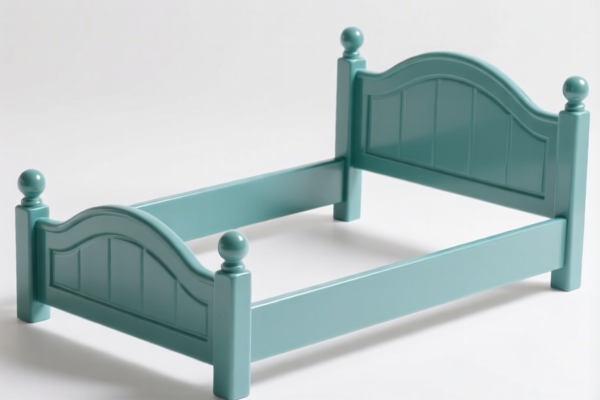
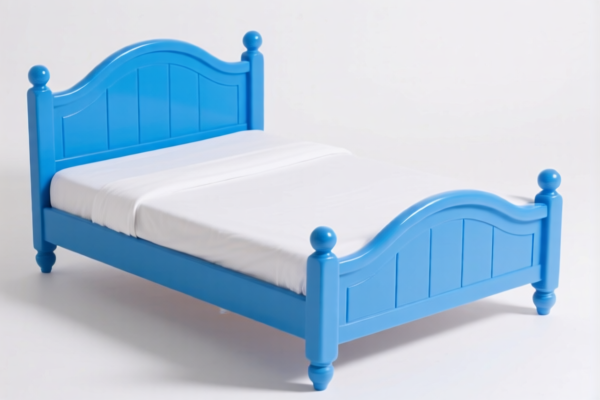


AI Analysis
🛏️ Plastic Bedroom Frame (Plastic Bed Frame)
🌐 HS Code Reference & Customs Clearance Guide | 2026 Latest Tariff Analysis | Professional Clearance Strategy
📌 I. Product Definition & Classification: What Exactly Is a "Plastic Bedroom Frame"?
A plastic bedroom frame is a structural component of furniture used to support a mattress and bedding. In international trade, its classification depends heavily on its specific morphology and intended function. Is it a structural building element (like a window frame)? A general plastic part? Or a specific furniture frame?
⚠️ Key Distinction Point:
- If it is a bed frame specifically for sleeping → It falls under 3925.90.00.00 (Plastic Building Components) or potentially 9403 (if considered furniture, but data restricts to plastic building components). Note: Based on provided data, it is classified under Plastic Building Components.
- If it is a generic frame (not bed-specific) → It may fall under 3926.90.50.00 (Other Plastic Articles).
- If it is a window or door frame → It falls under 3925.20.00.10/20 (Plastic Building Components for Doors/Windows).
- If it is a mirror frame → It falls under 9003.11.00.00 (Plastic Frames for Eyeglasses/Mirrors).
📦 II. HS Code Classification Details (2026 Latest Tariff Authority Comparison)
| HS Code | Product Description | Application Scenario | Tax Rate Details |
|---|---|---|---|
3925.90.00.00 |
Plastic Bedroom Frame: Material: Plastic, Form: Bed Frame, Category: Other Plastic Building Components. | Furniture frames made of plastic, specifically identified as bedroom bed frames in the provided dataset. | Total Tax: 40.3% • Base: 5.3% • Additional: 25.0% (Section 301) • Section 122: 10% |
3926.90.50.00 |
Plastic Frame: Material: Plastic, Form: Frame, Category: Other Plastic Articles. | Generic plastic frames not specified as building components or mirrors. | Total Tax: 21.3% • Base: 3.8% • Additional: 7.5% • Section 122: 10% |
3925.20.00.10 |
Plastic Frame: Material: Plastic, Form: Frame, Category: Plastic Building Components – Door Frames. | Plastic frames designed for doors. | Total Tax: 22.8% • Base: 5.3% • Additional: 7.5% • Section 122: 10% |
9003.11.00.00 |
Plastic Frame: Material: Plastic, Form: Frame, Category: Mirror Frame. | Plastic frames specifically for mirrors or eyeglasses. | Total Tax: 20.0% • Base: 2.5% • Additional: 7.5% • Section 122: 10% |
3925.20.00.20 |
Plastic Frame: Material: Plastic, Form: Frame, Category: Plastic Building Components – Window Frames. | Plastic frames designed for windows. | Total Tax: 22.8% • Base: 5.3% • Additional: 7.5% • Section 122: 10% |
🔍 Critical Observation:
- The term "Plastic Bedroom Frame" in the data explicitly maps to3925.90.00.00.
- Do not confuse it with generic plastic frames (3926.90.50.00) or window/door frames (3925.20.xxxx), as the tax liabilities differ significantly.
- The highest tax burden is associated with the specific "Plastic Bedroom Frame" classification due to the higher Section 301 additional duty (25% vs. 7.5%).
💰 III. 2026 Latest Tariff Rate Breakdown (Including Additional Duties)
✅ Applicable Country: United States (US)
✅ Origin: China (CN)
✅ Effective Date: 2025/2026 (Based on provided data structure)
🎯 1. 3925.90.00.00 —— Plastic Bedroom Frame (Highest Tax Category in Dataset)
| Item | Content |
|---|---|
| Base Tariff | 5.3% (ad valorem) |
| Section 301 Additional Tariff | +25.0% (Standard for many Chinese plastic goods) |
| Section 122 Tariff | +10.0% (Specific surcharge applied in dataset) |
| Total Effective Tax Rate | 40.3% |
| Tax Calculation | CIF Value × 40.3% |
| De Minimis Eligibility | ❌ No (High tariffs typically block de minimis exemptions for formal entries) |
| Legal Basis Path | Base: 3925.90.00.00 → Section 301: 25% → Section 122: 10% |
📌 Explanation:
- The 40.3% rate is the sum of Base (5.3%), Section 301 (25%), and Section 122 (10%).
- This is a high-cost category for plastic bedroom frames. Importers must account for this in their landed cost calculations.
- The "Bedroom Frame" is categorized under "Other Plastic Building Components," which attracts the higher 25% Section 301 duty.
🎯 2. Comparison with Other Plastic Frame Classifications
| HS Code | Total Tax | Base | Add. Duty (301) | Section 122 |
|---|---|---|---|---|
3925.90.00.00 (Bed Frame) |
40.3% | 5.3% | 25.0% | 10% |
3926.90.50.00 (Generic Frame) |
21.3% | 3.8% | 7.5% | 10% |
3925.20.00.10 (Door Frame) |
22.8% | 5.3% | 7.5% | 10% |
9003.11.00.00 (Mirror Frame) |
20.0% | 2.5% | 7.5% | 10% |
3925.20.00.20 (Window Frame) |
22.8% | 5.3% | 7.5% | 10% |
📌 Key Insight:
- If the product can be reclassified as a "Generic Plastic Frame" (3926.90.50.00) or "Mirror Frame" (9003.11.00.00), the tax rate drops from 40.3% to 21.3% or 20.0% respectively.
- However, this requires the product to not be explicitly marketed or function as a "Bedroom Frame" under the specific definition of3925.90.00.00. Misclassification can lead to severe penalties.
🛠️ IV. Customs Clearance Practical Advice (Real-World Pitfall Avoidance)
✅ 1. Required Documentation Checklist (Non-Negotiable)
| Document | Mandatory? | Description |
|---|---|---|
| ✅ Product Specification Sheet | ✔️ | Must clearly state: Material (100% Plastic), Form (Frame), Intended Use (Bedroom/Bed). |
| ✅ Technical Drawings | ✔️ | Show dimensions and structural integrity to prove it’s a "frame" and not just a "part." |
| ✅ Product Photos | ✔️ | Clear images showing the frame structure, joints, and any branding. |
| ✅ Commercial Invoice | ✔️ | Must describe goods as "Plastic Bedroom Frame" or "Plastic Bed Frame." Do not use vague terms like "Plastic Parts." |
| ✅ Packing List | ✔️ | Itemize contents to ensure no hidden accessories affect classification. |
| ✅ Origin Certificate (CO) | ✔️ | To prove Chinese origin and apply correct tariff rates. |
✅ 2. Classification Strategy (Key Mnemonic)
🔥 "Specific Form Rules: Bed Frame = 3925.90, Generic = 3926.90, Mirror = 9003.11"
| Scenario | Correct HS Code | Incorrect Classification | Consequence |
|---|---|---|---|
| Plastic Bed Frame | 3925.90.00.00 |
3926.90.50.00 |
Underpayment of ~19% tax → Back taxes + Penalties |
| Plastic Door Frame | 3925.20.00.10 |
3926.90.50.00 |
Slight underpayment, but risk of audit |
| Plastic Mirror Frame | 9003.11.00.00 |
3926.90.50.00 |
Slight overpayment or underpayment depending on direction |
| Generic Plastic Frame | 3926.90.50.00 |
3925.90.00.00 |
Overpayment of ~19% tax → Lost profit margin |
✅ 3. Special Handling
| Situation | Recommendation |
|---|---|
| OEM Custom Frames | Provide design files to prove the frame’s specific use case. If it’s a bed frame, use 3925.90.00.00. If it’s a shelf frame, it might still be 3926.90.50.00. |
| Mixed Shipment | If shipping bed frames, door frames, and mirror frames together, separate them on the commercial invoice and consider separate shipments if tax savings justify it. |
| Misclassification Risk | If the product is ambiguous (e.g., a frame that could be for a bed or a shelf), consult a customs broker for an Advance Ruling. |
🌍 V. Global Market Comparison (2026 Latest)
| Country/Region | Recommended HS Code | Tax Rate (China Origin) | Certification | Notes |
|---|---|---|---|---|
| 🇺🇸 USA | 3925.90.00.00 |
40.3% | N/A | High tariffs due to Section 301 & 122 |
| 🇨🇳 China | 3925.90.00.00 |
~5-10% | CCC (if applicable) | Lower duty burden |
| 🇪🇺 EU | 3925.90.00 |
~0-5% | CE | No Section 301 equivalent |
| 🇬🇧 UK | 3925.90.00 |
~0-5% | UKCA | Post-Brexit rules apply |
📌 Conclusion:
- The USA is the most tax-intensive market for plastic bedroom frames due to the 40.3% total rate.
- Exporters should consider supply chain diversification (e.g., manufacturing in Vietnam or Mexico) to avoid US tariffs, if feasible.
📌 VI. Common Errors & Pitfall Guide (Lessons Learned)
❌ Error 1: Using "Plastic Frame" generically on the invoice for a bed frame.
👉 Result: Customs may classify it as 3926.90.50.00 (21.3%) initially, but upon inspection, reclassify to 3925.90.00.00 (40.3%).
👉 Consequence: Underpayment of ~19% tax + penalties.
❌ Error 2: Classifying a mirror frame as a generic plastic frame.
👉 Result: Tax rate of 21.3% instead of 20.0%.
👉 Consequence: Minor overpayment, but inefficient.
❌ Error 3: Ignoring Section 122 duties.
👉 Result: All categories in the dataset include a 10% Section 122 duty. Forgetting to account for this leads to significant cost miscalculations.
👉 Consequence: Profit margin erosion.
✅ Correct Practice:
"Plastic Bedroom Frame, 100% PVC, Model XYZ, for Residential Use, Country of Origin: China"
🎯 VII. Conclusion: Precision in Classification Saves Money!
🎯 Remember:
🔹 "Bed Frame = 3925.90 (40.3%) ≠ Generic Frame (21.3%)"
🔹 "Small Classification Change = Huge Tax Difference"
📌 Tips:
- Always provide detailed product descriptions that match the HS Code definitions.
- Consider Advance Rulings if the product’s end-use is ambiguous.
- For high-volume shipments, explore Tariff Engineering (design modifications) to qualify for lower-taxed categories like
3926.90.50.00if legally permissible.
📣 Immediate Action:
📞 Consult a licensed customs broker.
📄 Prepare technical specs and photos.
🚀 Optimize your supply chain to handle the 40.3% US tariff burden!
✨ Professional Clearance Starts with Accurate Classification!
💼 Every percent of tax saved is pure profit!
Customer Reviews
About HS Code Classification
The Harmonized System (HS) is an internationally standardized nomenclature developed by the World Customs Organization (WCO) to classify traded products. Over 200 countries use the HS system as the basis for customs tariffs, trade statistics, and import/export regulations.
Each HS code follows a hierarchical structure:
- Chapter (2 digits) — Broad category of goods (e.g., Chapter 84: Machinery and Mechanical Appliances)
- Heading (4 digits) — More specific grouping within the chapter
- Subheading (6 digits) — Internationally standardized breakdown, used by all WCO member countries
- National subdivisions (8-10 digits) — Country-specific extensions for further classification, such as US HTSUS 10-digit codes
Correct HS code classification is essential for smooth customs clearance, accurate duty payment, and compliance with trade regulations. Misclassification can lead to customs delays, overpayment of duties, or penalties.
When importing from CN to US, the applicable tariff rates may include:
- Most-Favored-Nation (MFN) rate — The standard duty rate applied to WTO members
- General rate — Applied to countries without trade agreements
- Trade remedy duties — Additional tariffs such as Section 301 (anti-dumping), Section 232 (national security), or countervailing duties
The information provided on this page is for reference purposes only. For official classification, please consult with your local customs authority or a licensed customs broker.