Plastic Blinds Heat Insulation Blackout Curtain
CN → US| HS Code | Tariff Rate | Origin | Destination | Doc |
|---|---|---|---|---|
| 6303922010 | 28.8% | CN | US | Official Doc |
| 5903102010 | 35.0% | CN | US | Official Doc |
| 5903102090 | 35.0% | CN | US | Official Doc |
| 6303922050 | 28.8% | CN | US | Official Doc |
| 3921121950 | 40.3% | CN | US | Official Doc |
Product Images
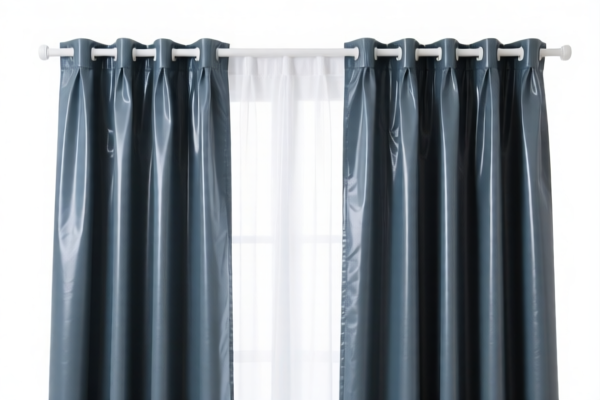
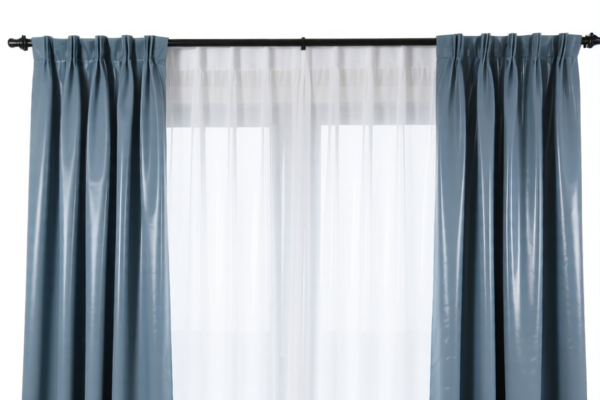
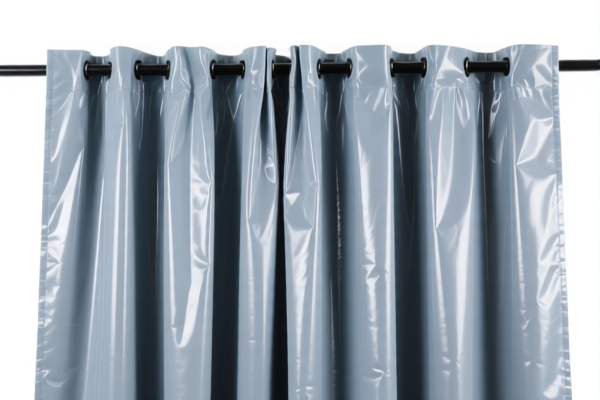
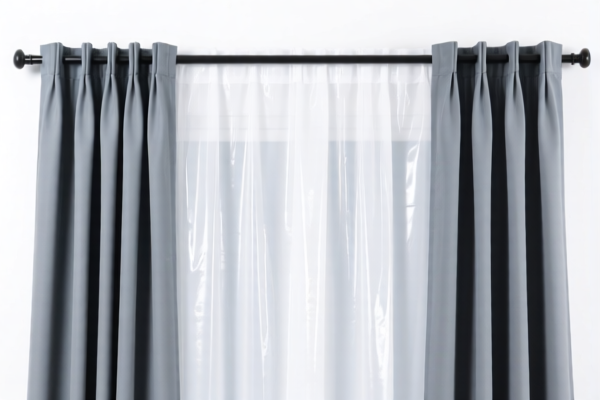
AI Analysis
🏠 Plastic Blinds & Heat Insulation Blackout Curtains
🌐 HS Code Reference & Customs Clearance Guide | 2026 Latest Tariff Analysis | Professional Customs Strategy
📌 I. Product Definition: What Exactly Are You Importing?
"Plastic Blinds Heat Insulation Blackout Curtain" is a composite term that often leads to classification errors. In international trade, the critical distinction lies in the material structure and form factor:
- Curtains (6303 Series): If the item is woven, knitted, or non-woven fabric treated with plastic coatings (for blackout/heat insulation) and formed into a curtain with grommets/rails, it falls under Chapter 63 (Other made up textile articles).
- Plastic Sheets/Films (3921 Series): If the item is a rigid or semi-rigid PVC/Polymer sheet specifically designed as a window film or blind slat that does not meet the definition of "textile fabric," it may fall under Chapter 39 (Plastics and articles thereof).
⚠️ Key Classification Point:
- If the base material is textile fabric (even if coated with PVC for blackout) → HS 6303.
- If the base material is a continuous plastic film/sheet without textile reinforcement → HS 3921.
- Note: Customs authorities often scrutinize coated fabrics to ensure they don't fall under Chapter 59 (Impregnated/Coated Textiles), but if the plastic coating is dominant or the item is sold specifically as a "plastic curtain/blind," Chapter 63 is often preferred for finished curtain articles.
📦 II. HS Code Classification Details (2026 Latest Tariff Data)
Based on the provided dataset, here are the specific HS Codes and their corresponding tax implications for "Plastic Blinds/Blackout Curtains."
| HS Code | Product Description & Logic | Tax Category | Total Tax Rate |
|---|---|---|---|
6303.92.20.10 |
Plastic Flame-Retardant Curtain: Classified as a curtain made of plastic materials. Fits the definition of "Curtains." | Curtains (Textile/Plastic Composite) | 28.8% |
5903.10.20.10 |
Plastic Flame-Retardant Curtain: Classified as a textile fabric impregnated, coated, covered, or laminated with plastic. Emphasizes the "Fabric" nature. | Impregnated Textile Fabrics | 35.0% |
5903.10.20.90 |
Polymer Flame-Retardant Curtain: Similar to above, but classified under the "Other" subheading for polymer-impregnated fabrics. | Impregnated Textile Fabrics (Other) | 35.0% |
6303.92.20.50 |
Plastic Flame-Retardant Curtain: Classified as a curtain made of synthetic fibers/materials. Fits the "Curtain" definition under synthetic category. | Curtains (Synthetic) | 28.8% |
3921.12.19.50 |
Polymer Plastic Blackout Film: Classified as a PVC polymer film. Emphasizes the "Film/Sheet" morphology rather than textile fabric. | Plastic Sheets/Films | 40.3% |
🔍 Critical Insight:
- HS 6303 (28.8%) is generally the most favorable rate for finished curtains, provided they can be legally defined as "made-up textile articles" or "curtains" under Chapter 63.
- HS 5903 (35.0%) applies if the item is deemed an "impregnated/coated fabric" rather than a finished curtain article. This often happens if the plastic coating is extremely thick, making it more like a plastic sheet than a fabric.
- HS 3921 (40.3%) is the highest tax rate. It applies if the product is strictly a "plastic film" or "sheet" (e.g., rigid PVC blinds or simple plastic window films) without any textile base.
💰 III. 2026 Tariff Rate Breakdown (Including Surtaxes & Policy Surcharges)
✅ Applicable Country: United States (US)
✅ Origin: China (CN)
✅ Effective Date: November 10, 2025 (and subsequent imports)
🎯 1. HS Code 6303.92.20.10 & 6303.92.20.50
Product: Plastic Curtains (Synthetic/Plastic Material)
Total Tax Rate: 28.8%
| Component | Rate | Legal Basis / Explanation |
|---|---|---|
| Base Duty | 11.3% | Standard MFN (Most Favored Nation) rate for curtains of synthetic fibers/plastic. |
| Section 301 Surtax | 7.5% | Additional duty under US Trade Law Section 301 (China-related). |
| IEEPA Surcharge (122 Clause) | 10% | Additional surcharge under the International Emergency Economic Powers Act (IEEPA), specific to certain Chinese goods. |
| TOTAL | 28.8% | Calculated on CIF (Cost, Insurance, Freight) value. |
📌 Strategy Note:
- This is the lowest tax bracket among the options.
- Ensure the product description clearly states "Curtain" and highlights its textile-like form (e.g., grommets, pleats, hanging mechanism) to support this classification.
🎯 2. HS Code 5903.10.20.10 & 5903.10.20.90
Product: Impregnated/Coated Fabric (Blackout/Flame-Retardant)
Total Tax Rate: 35.0%
| Component | Rate | Legal Basis / Explanation |
|---|---|---|
| Base Duty | 0.0% | Certain impregnated fabrics have a 0% base duty. |
| Section 301 Surtax | 25.0% | High additional duty under US Trade Law Section 301. |
| IEEPA Surcharge (122 Clause) | 10% | Additional surcharge under IEEPA. |
| TOTAL | 35.0% | Calculated on CIF value. |
📌 Strategy Note:
- Although the base duty is 0%, the 301 surtax is significantly higher (25%) compared to the 7.5% in Chapter 63.
- This classification applies if customs determines the plastic coating is dominant, or the item is sold as "fabric" rather than a "finished curtain."
🎯 3. HS Code 3921.12.19.50
Product: Polymer Plastic Blackout Film / Sheet
Total Tax Rate: 40.3%
| Component | Rate | Legal Basis / Explanation |
|---|---|---|
| Base Duty | 5.3% | Base duty for other plastic plates, sheets, film, and foil. |
| Section 301 Surtax | 25.0% | High additional duty under US Trade Law Section 301. |
| IEEPA Surcharge (122 Clause) | 10% | Additional surcharge under IEEPA. |
| TOTAL | 40.3% | Calculated on CIF value. |
📌 Strategy Note:
- This is the most expensive classification.
- Avoid this if your product has any textile characteristics.
- This applies to rigid PVC blinds, simple plastic window films, or non-woven plastic sheets used for window covering.
🛠️ IV. Customs Clearance Practical Advice (Risk Mitigation)
✅ 1. Documentation Checklist (Essential for Smooth Clearance)
| Document | Required? | Purpose |
|---|---|---|
| Product Specification Sheet | ✔️ | Must detail: Material composition (e.g., "Polyester fabric coated with PVC"), dimensions, flame-retardancy certification (CR89 if applicable). |
| Commercial Invoice | ✔️ | Clearly describe as "Heat Insulation Blackout Curtain" and "Flame Retardant Plastic Curtain". Avoid vague terms like "Plastic Sheet." |
| Packing List | ✔️ | Ensure quantities match invoice. |
| Flame Retardancy Test Report | ✔️ | Critical if claiming "Flame-Retardant" in description. Supports HS 6303/5903 classification by showing textile nature. |
| Photos of Product | ✔️ | Show hanging mechanism (grommets, rods, hooks). This proves it is a "Curtain" (Chapter 63) rather than a "Sheet" (Chapter 39). |
✅ 2. Declaration Tips (Key to Minimizing Tax)
🔥 "Declare as Curtain, Not Sheet! Highlight Hanging Features!"
| Scenario | Correct Declaration | Risk if Incorrect |
|---|---|---|
| Fabric-based Blackout Curtain | HS 6303.92.20.10 or 50Desc: "Synthetic Fiber Blackout Curtain, PVC Coated, Flame Retardant" |
❌ Risk: Customs may reclassify to 5903 (35%) or 3921 (40.3%) due to heavy plastic coating. Extra Tax: 6.2% - 11.5% |
| PVC Blinds (Slats) | HS 6303.92.20.10 (if fabric-backed) or 3921 (if pure plastic) |
❌ Risk: If pure plastic blinds are declared as curtains, it may be flagged for misclassification. |
| Window Film (No Fabric) | HS 3921.12.19.50 |
❌ Risk: If declared as curtain, it will be rejected as it lacks textile nature. |
📌 Important:
- Flame Retardant status does not change the HS Code but may require specific labeling or testing documents.
- Blackout is a functional description; the material (Plastic/Textile) determines the HS Code.
✅ 3. Special Cases & Pitfalls
| Situation | Handling Advice |
|---|---|
| Mixed Materials | If the curtain has a plastic backing but is primarily textile, argue for HS 6303. Provide test reports showing the textile weight is dominant. |
| Customs Audit | If challenged, provide the Bill of Lading and Invoice consistently labeled as "Curtains." Inconsistency leads to audits. |
| IEEPA Exemptions | Check if your specific HS Code is eligible for any IEEPA exclusions. Currently, 6303 and 5903 are not exempt from the 10% surcharge. |
| Section 301 Exclusions | Some textile products have 301 exclusions. Check the USTR Exclusion List for HS 6303.92.20 to see if your specific product type qualifies for the 7.5% reduction. |
🌍 V. Global Market Comparison (2026)
| Market | Recommended HS Code | Estimated Tax (China Origin) | Key Requirements |
|---|---|---|---|
| 🇺🇸 USA | 6303.92.20.10 |
28.8% (Lowest) | FCC/CR89 (if flame retardant), IEEPA surcharge applies. |
| 🇪🇺 EU | 6303.92.20 |
~12% + VAT | CE Marking, REACH Compliance (for PVC/chemicals). |
| 🇬🇧 UK | 6303.92.20 |
~12% + VAT | UKCA Marking, Post-Brexit rules. |
| 🇨🇦 Canada | 6303.92.20 |
~0% (CETA/USMCA if applicable) | Check origin rules for preferential duty. |
📌 Conclusion:
- The USA imposes the highest effective tax due to Section 301 and IEEPA surcharges.
- HS 6303 is the optimal classification for cost efficiency (28.8% vs 35% or 40.3%).
- Proof of "Curtain" form (hanging mechanisms, textile base) is essential to justify HS 6303.
📌 VI. Common Errors & Avoidance Guide
❌ Error 1: Declaring a plastic film window cover as a "Curtain" to get HS 6303 (28.8%).
👉 Consequence: Customs will reclassify to 3921 (40.3%) + penalties.
Fix: If it's a film, declare as 3921.12.19.50 honestly.
❌ Error 2: Declaring a PVC-coated fabric curtain as a "Sheet" (HS 3921).
👉 Consequence: Unnecessarily high tax (40.3% vs 28.8%).
Fix: Highlight textile nature in description. Use HS 6303.
❌ Error 3: Ignoring Flame Retardant Certifications.
👉 Consequence: Product may be detained for safety compliance.
Fix: Include CR89 or equivalent test reports with shipment.
🎯 VII. Conclusion: Professional Classification Saves Money!
🎯 Key Takeaway:
🔹 "Curtain = 6303 (28.8%) | Fabric = 5903 (35%) | Film = 3921 (40.3%)"
🔹 Prove it's a Curtain: Show grommets, rods, and textile base.
🔹 Prove it's Not Just Film: Avoid terms like "Plastic Sheet" in favor of "Blackout Curtain."
📌 Action Plan:
1. Confirm Material: Is it textile-based? → Aim for 6303.92.20.10.
2. Check Documentation: Ensure invoices say "Curtain."
3. Verify Certifications: Have flame-retardant tests ready.
4. Calculate Cost: 28.8% is the target. Avoid 35% or 40.3%.
📣 Immediate Action:
📞 Consult a Customs Broker to pre-classify your specific product sample.
📄 Prepare Technical Files (Material Composition, Hanging Mechanism Photos).
🚀 Clear Customs Smoothly, Minimize Tax, Maximize Profit!
✨ Precise Classification is Your Best Custom Duty Strategy!
💼 Every Percent Counts in International Trade!
Customer Reviews
About HS Code Classification
The Harmonized System (HS) is an internationally standardized nomenclature developed by the World Customs Organization (WCO) to classify traded products. Over 200 countries use the HS system as the basis for customs tariffs, trade statistics, and import/export regulations.
Each HS code follows a hierarchical structure:
- Chapter (2 digits) — Broad category of goods (e.g., Chapter 84: Machinery and Mechanical Appliances)
- Heading (4 digits) — More specific grouping within the chapter
- Subheading (6 digits) — Internationally standardized breakdown, used by all WCO member countries
- National subdivisions (8-10 digits) — Country-specific extensions for further classification, such as US HTSUS 10-digit codes
Correct HS code classification is essential for smooth customs clearance, accurate duty payment, and compliance with trade regulations. Misclassification can lead to customs delays, overpayment of duties, or penalties.
When importing from CN to US, the applicable tariff rates may include:
- Most-Favored-Nation (MFN) rate — The standard duty rate applied to WTO members
- General rate — Applied to countries without trade agreements
- Trade remedy duties — Additional tariffs such as Section 301 (anti-dumping), Section 232 (national security), or countervailing duties
The information provided on this page is for reference purposes only. For official classification, please consult with your local customs authority or a licensed customs broker.