Plastic Bobbins
CN → US| HS Code | Tariff Rate | Origin | Destination | Doc |
|---|---|---|---|---|
| 3916903000 | 41.5% | CN | US | Official Doc |
| 3926909989 | 22.8% | CN | US | Official Doc |
| 3926906090 | 39.2% | CN | US | Official Doc |
| 8448399000 | 17.5% | CN | US | Official Doc |
| 3916905000 | 40.8% | CN | US | Official Doc |
Product Images
AI Analysis
🧵 Plastic Bobbins: The Ultimate Guide to HS Code Classification & US Customs Clearance (2026 Edition)
🌐 HS Code Reference & Customs Clearance Guide | 2026 Latest Tariff Analysis | Professional Strategy
📌 Part 1: What Are "Plastic Bobbins"? Understanding the Product
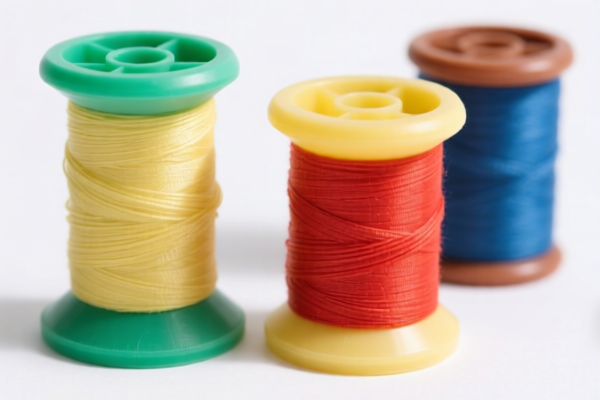
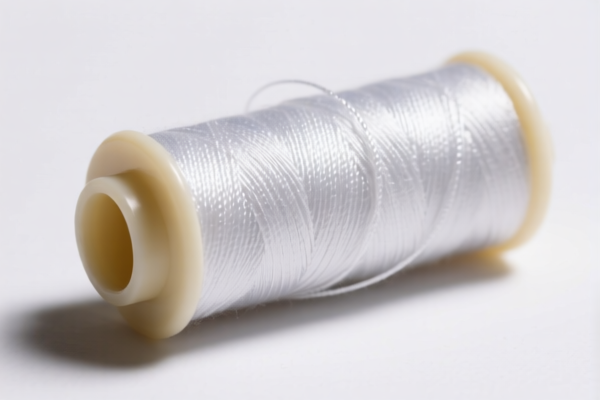
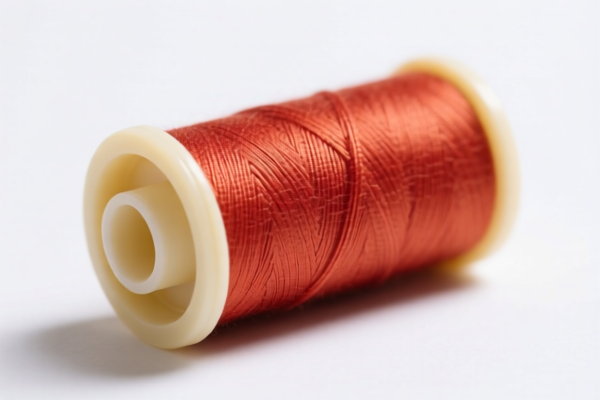
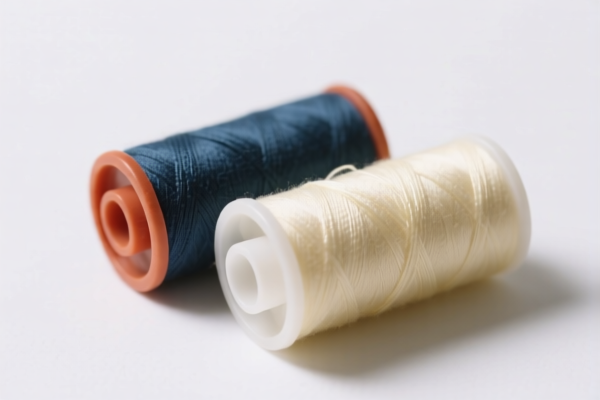
In the textile, sewing, and industrial manufacturing industries, Plastic Bobbins are cylindrical spools used to hold thread, yarn, or wire. They are critical components for automatic sewing machines, embroidery machines, and industrial looms.
Key Characteristics: * Material: 100% Plastic (usually ABS, Nylon, or Polypropylene). * Form: Cylindrical, often with flanges or grooves. * Function: To wind and store thread for mechanical use.
⚠️ Critical Distinction for Customs: - If the bobbin is a generic container with no specific machine compatibility, it often falls under Plastic Articles (Chapter 39). - If the bobbin is specifically designed/modified for a particular textile machine (e.g., a Singer-style bobbin that only fits a domestic sewing machine), it may be classified as a Machine Part (Chapter 84). - This ambiguity is why multiple HS Codes appear below. Choosing the wrong one leads to incorrect duty rates (from 17.5% to 41.5%).
📦 Part 2: HS Code Classification Matrix (2026 Latest Tariff Rules)
Based on the available data, here are the 5 potential HS Codes for "Plastic Bobbins," ranked by logical fit and tax implication.
| HS Code | Product Description Summary | Why This Code Fits? | Total Duty Rate (CN Origin) |
|---|---|---|---|
| 3916.90.30.00 | Plastic Monofilament/Bars/Sticks & Similar Forms | Shape Fit: Bobbins are extruded plastic forms. The summary notes "monofilament, bar, strip" associations. No material conflict. | 41.5% |
| 3926.90.99.89 | Other Plastic Articles (General Use) | Part Fit: Viewed as a "spool/roll accessory." Fits the "other articles" catch-all for plastic parts if not specifically a machine part. | 22.8% |
| 3926.90.60.90 | Other Plastic Articles (No Mechanical Belt Use) | Catch-all: No conflict with mechanical belts. Used when no specific textile part code applies. Follows "general plastic part" principle. | 39.2% |
| 8448.39.90.00 | Textile Machine Auxiliary Parts/Accessories | Function Fit: Classified as an "auxiliary part" of textile machinery. Plastic material is compatible. Uses "other category" catch-all for machine parts. | 17.5% |
| 3916.90.50.00 | Other Plastic Monofilament/Bars/Sticks | Shape Fit: Another variant of "other forms" under Chapter 39. Similar to 3916.90.30.00 but different subheading detail. | 40.8% |
🔍 Key Insight: - Lowest Duty:
8448.39.90.00(17.5%) — Best for cost optimization IF the bobbin is clearly a machine part. - Safest General:3926.90.99.89(22.8%) — If the bobbin is generic and not machine-specific. - Highest Risk:3916.90.30.00(41.5%) — Often misapplied when treating bobbins as raw plastic forms rather than finished goods.
💰 Part 3: 2026 US Tariff Breakdown (Detailed Tax Structure)
✅ Origin: China (CN)
✅ Destination: United States (US)
✅ Valid From: 2025/2026 (Current Trade Policy)
🎯 1. The "Machine Part" Route: 8448.39.90.00
- Summary: "Bobbin belongs to auxiliary machinery/accessories of textile machinery; plastic material has no conflict; follows 'other category' catch-all principle."
| Item | Detail |
|---|---|
| Base Duty | 0.0% |
| Section 301 (Add-on) | +7.5% |
| Section 122 Tariff | +10.0% |
| Total Effective Rate | 17.5% |
| Calculation | CIF Value × 17.5% |
📌 Why is this the cheapest?
Because it’s classified as a machine part (Chapter 84) rather than a plastic good (Chapter 39). Many plastic machine parts have 0% base duty. However, you must prove it is a "part" of a textile machine.
🎯 2. The "General Plastic Article" Route: 3926.90.99.89
- Summary: "Material is plastic, form is other articles; fits spool/roll accessory features; no material conflict."
| Item | Detail |
|---|---|
| Base Duty | 5.3% |
| Section 301 (Add-on) | +7.5% |
| Section 122 Tariff | +10.0% |
| Total Effective Rate | 22.8% |
| Calculation | CIF Value × 22.8% |
📌 When to use this?
If the bobbin is generic (fits multiple machine types) or not clearly tied to a specific machinery model, Customs may reject the Chapter 84 classification and force it into Chapter 39.
🎯 3. The "Plastic Form" Route: 3916.90.30.00 & 3916.90.50.00
- Summary: "Material is plastic, form is bobbin/spool; belongs to monofilament/bar/strip forms; no material conflict."
| Item | Detail |
|---|---|
| Base Duty | 5.8% - 6.5% |
| Section 301 (Add-on) | +25.0% |
| Section 122 Tariff | +10.0% |
| Total Effective Rate | 40.8% - 41.5% |
| Calculation | CIF Value × ~41% |
📌 ⚠️ WARNING:
This is the most expensive classification. It treats the bobbin as a raw plastic extrusion or semi-finished form, not a finished accessory. Avoid this unless you are importing raw plastic spool blanks, not finished bobbins.
🎯 4. The "Other Plastic Articles" Route: 3926.90.60.90
- Summary: "Plastic articles; no explicit mechanical belt use conflict; follows catch-all matching principle."
| Item | Detail |
|---|---|
| Base Duty | 4.2% |
| Section 301 (Add-on) | +25.0% |
| Section 122 Tariff | +10.0% |
| Total Effective Rate | 39.2% |
| Calculation | CIF Value × 39.2% |
📌 Note:
High Section 301 duty (25%) makes this less favorable than the generic plastic article code (3926.90.99.89).
🛠️ Part 4: Customs Clearance Strategy & Practical Advice
✅ 1. How to Choose the Right HS Code?
| Scenario | Recommended HS Code | Why? |
|---|---|---|
| Specialized Bobbins (e.g., "Juki-type," "Singer-type," "Industrial Embroidery") | 8448.39.90.00 | Clearly identifiable as a machine part. Lowest duty (17.5%). |
| Generic/Universal Bobbins (Fits many machines, no branding) | 3926.90.99.89 | Safer "general plastic article" classification. Moderate duty (22.8%). |
| Raw Plastic Spool Blanks (Unfinished, no flanges/grooves) | 3916.90.30.00 | If truly unfinished, but risky. High duty (41.5%). |
🔥 Golden Rule:
"Specific Machine Part > General Plastic Article > Raw Plastic Form"
Always aim for the most specific classification that accurately describes the product.8448.39.90.00is more specific to "textile machine accessories" than generic plastic codes.
✅ 2. Required Documentation for Clearance
| Document | Requirement | Notes |
|---|---|---|
| Product Specification Sheet | ✔️ | Must state: Material (Plastic), Dimensions, Machine Compatibility (e.g., "For Brother Sewing Machines"). |
| Commercial Invoice | ✔️ | Describe as "Plastic Bobbins for Textile Machinery" — NOT "Plastic Spools" or "Plastic Parts." |
| Photos of Product | ✔️ | Show flanges, thread grooves, and any branding/model numbers. |
| Fitment List | ✔️ | List compatible machine models (e.g., "Fits Juki DDL-8000, Janome MC500E"). |
| Material Declaration | ✔️ | Confirm 100% Plastic (ABS/Nylon). No metal cores. |
✅ 3. Common Pitfalls & How to Avoid Them
| Mistake | Consequence | Solution |
|---|---|---|
| Declaring as "Plastic Containers" | Customs may reclassify to 3926.90.60.90 (39.2%) or higher. |
Emphasize "Textile Machine Accessory" in description. |
| Declaring as "Raw Plastic" | High duty (41.5%) under 3916.90.30.00. |
Ensure bobbins are finished goods (with flanges/grooves). |
| No Fitment Info | Customs assumes generic → Higher duty. | Provide machine compatibility list to support 8448.39.90.00. |
| Missing Section 301/122 Compliance | Penalty + Retention. | Ensure tariff codes include 122 Tariff (10%) and Section 301 (7.5% or 25%). |
✅ 4. Special Note on Section 122 & 301 Tariffs
- Section 301: Applies to most Chinese-origin goods. Rates vary by HS Code (7.5% for machine parts, 25% for some plastic articles).
- Section 122 Tariff: A 10% additional duty on many imports from China, effective from late 2024/2025. All HS Codes in this data include +10% from this clause.
- Result: Even if the base duty is 0%, you will pay at least 17.5% (0% + 7.5% + 10%).
🌍 Part 5: Global Comparison (Optional Reference)
| Country | Recommended HS | Est. Total Duty | Notes |
|---|---|---|---|
| 🇺🇸 USA | 8448.39.90.00 |
17.5% | Best rate. Includes Sec 301 (7.5%) + Sec 122 (10%). |
| 🇪🇺 EU | 8448.39.00 |
~4.5% | Lower base duty, but different tariff structure. |
| 🇨🇳 China | 8448.39.90 |
0% | Import duty 0%, VAT 13%. |
| 🇯🇵 Japan | 8448.39.90 |
3.5% | Free Trade Agreement benefits may apply. |
📌 Conclusion for US Importers:
The US tariff landscape is unfavorable for Chinese plastic bobbins due to Section 301 and Section 122.
Optimization Strategy:
1. Use HS 8448.39.90.00 to minimize Section 301 (7.5% vs 25%).
2. Ensure product is clearly a machine part, not a generic plastic good.
3. Provide detailed fitment info to justify the Chapter 84 classification.
🎯 Part 6: Final Checklist for Smooth Clearance
✅ Product Name: "Plastic Bobbins for Textile Machinery"
✅ HS Code: 8448.39.90.00 (Preferred) or 3926.90.99.89 (Fallback)
✅ Duty Rate: 17.5% (if 8448.39.90.00)
✅ Documentation: Specification Sheet, Fitment List, Photos
✅ Declaration: "100% Plastic, Finished Goods, For Sewing/Embroidery Machines"
📢 Final Advice
💡 "Don't let a $0.10 bobbin cost you $0.40 in duties. Choose the right HS Code!"
💡 "Machine Part (8448) is cheaper than Generic Plastic (3926) or Raw Form (3916)."
💡 "Always include Section 122 (10%) and Section 301 (7.5% or 25%) in your cost calculation."
✨ Pro Tip:
If you are importing large volumes, consider applying for a Customs Ruling Letter from US CBP. This provides legal certainty on your HS Code and prevents future audits or penalties.
📞 Need Help?
Consult a licensed customs broker. Provide them with:
1. Product Photos
2. Material Declaration
3. Intended Use (Machine Models)
4. Supplier Invoice
Clearance Success Starts with Accurate Classification! 🚀
Customer Reviews
About HS Code Classification
The Harmonized System (HS) is an internationally standardized nomenclature developed by the World Customs Organization (WCO) to classify traded products. Over 200 countries use the HS system as the basis for customs tariffs, trade statistics, and import/export regulations.
Each HS code follows a hierarchical structure:
- Chapter (2 digits) — Broad category of goods (e.g., Chapter 84: Machinery and Mechanical Appliances)
- Heading (4 digits) — More specific grouping within the chapter
- Subheading (6 digits) — Internationally standardized breakdown, used by all WCO member countries
- National subdivisions (8-10 digits) — Country-specific extensions for further classification, such as US HTSUS 10-digit codes
Correct HS code classification is essential for smooth customs clearance, accurate duty payment, and compliance with trade regulations. Misclassification can lead to customs delays, overpayment of duties, or penalties.
When importing from CN to US, the applicable tariff rates may include:
- Most-Favored-Nation (MFN) rate — The standard duty rate applied to WTO members
- General rate — Applied to countries without trade agreements
- Trade remedy duties — Additional tariffs such as Section 301 (anti-dumping), Section 232 (national security), or countervailing duties
The information provided on this page is for reference purposes only. For official classification, please consult with your local customs authority or a licensed customs broker.