Plastic Brake System Fittings
CN → US| HS Code | Tariff Rate | Origin | Destination | Doc |
|---|---|---|---|---|
| 3917400010 | 40.3% | CN | US | Official Doc |
| 3917400095 | 40.3% | CN | US | Official Doc |
| 3926305000 | 22.8% | CN | US | Official Doc |
| 3926909989 | 22.8% | CN | US | Official Doc |
| 8708998105 | 37.5% | CN | US | Official Doc |
| 8708305090 | 0.0% | CN | US | Official Doc |
Product Images
AI Analysis
🚗 Plastic Brake System Fittings
🌐 HS Code Reference & Customs Clearance Guide | 2026 Latest Tariff Analysis | Professional Strategy
📌 Part I: Product Definition & Classification: Do You Really Know "Brake Fittings"?
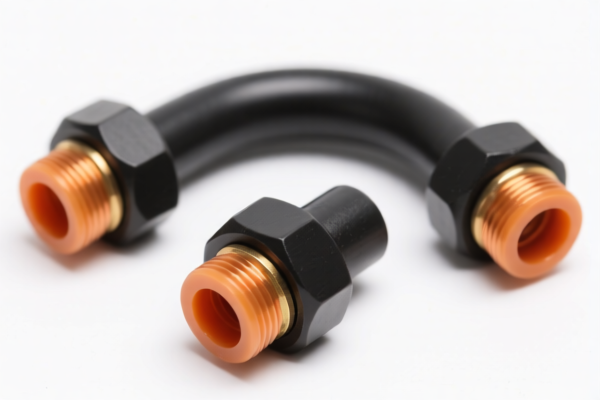
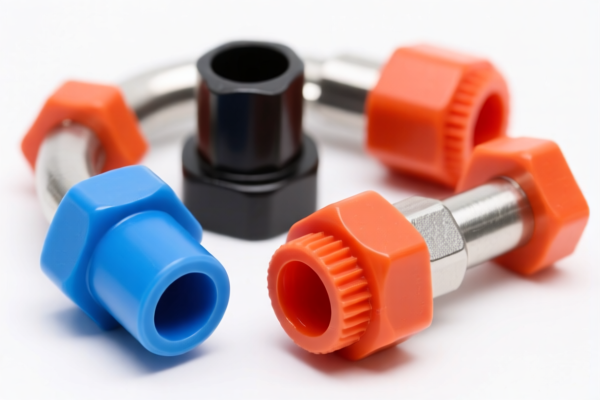
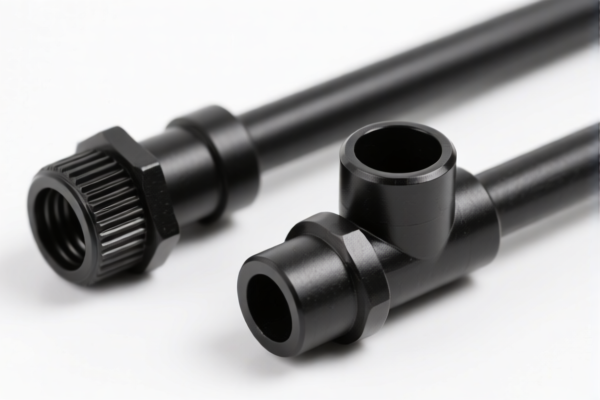
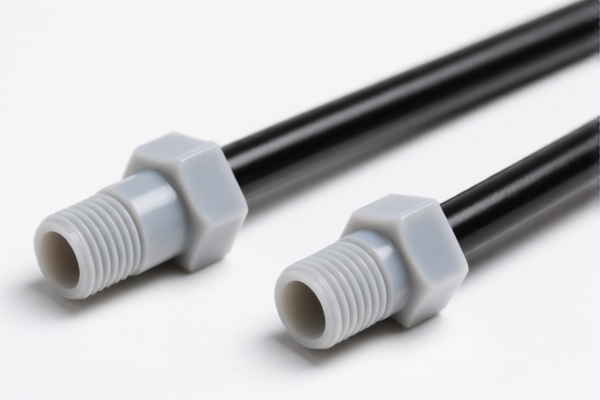
Plastic brake system fittings are critical components in automotive braking systems, used for connecting, sealing, or directing brake lines. In international trade, these items are strictly categorized based on their specific application (vehicle type) and structural composition (with or without attached fittings). Misclassification can lead to significant tariff discrepancies, especially under current US-China trade policies.
⚠️ Key Distinction Point:
- If the item is a generic plastic fitting not specifically designed for brake hoses of specific vehicle headings →归入 3917.40 (General Plastic Hoses/Fittings).
- If the item is a Brake Hose with Attached Fittings specifically for vehicles under HS 8701–8705 →归入 8708.99 (Auto Parts).
- If the item is a Standalone Brake Component (e.g., caliper parts) →归入 8708.30.
📦 Part II: HS Code Classification Details (2026 Latest Tariff Authority Reference)
| HS Code | Product Description | Applicable Scenario | Tariff Rate (CN Origin to US) |
|---|---|---|---|
3917.40.00.10 |
Fittings for brake hoses for vehicles of subheadings 8701.21, 8701.22, 8701.23, 8701.24, 8701.29, 8702, 8703, 8704, 8705, or 8711 | Specific Vehicle Types (e.g., Tractors 8701.2x, Trucks/Buses 8702/04, Tractors 8709) | 0.0% |
3917.40.00.95 |
Fittings for brake hoses, Other (Generic/Non-specific vehicle) | Generic plastic brake fittings not meeting the specific vehicle subheadings above | 0.0% |
3926.30.50.00 |
Fittings for furniture, coachwork, or the like | Plastic parts used in interior trim or non-brake structural applications | 0.0% |
3926.90.99.89 |
Other articles of plastics, Other, Other | General plastic parts not specified elsewhere (e.g., generic clips, non-brake housings) | 12.8% |
8708.99.81.05 |
Brake hoses of plastics, with attached fittings for vehicles of headings 8701–8705 | Complete Assembly: Plastic hose + Pre-attached metal/plastic fittings, specifically for automotive braking | 27.5% |
8708.30.50.90 |
Parts of brakes and servo-brakes for other vehicles | Standalone brake components (e.g., brake pads, calipers, valves) for vehicles other than those in 8701.2x/8702/04/etc. | 27.5% |
🔍 Critical Warning:
- HS 8708.99.81.05 has a 27.5% total tariff. This is significantly higher than the 0% for generic plastic fittings (3917.40).
- The key differentiator is "With Attached Fittings" and the Specific Vehicle Headings. If you import a pre-assembled brake hose with fittings for a standard car (8703), it may fall under 8708, incurring high tariffs. If it’s a generic plastic connector, it may fall under 3917, incurring 0%.
- Do not mix up "Fittings" (3917) with "Brake Hoses with Fittings" (8708).
💰 Part III: 2026 Latest Tariff Rate Details (Including Additional Taxes)
✅ Applicable Country: United States (US)
✅ Origin: China (CN)
✅ Effective Time: 2025–2026 (Current Policies)
🎯 1. 3917.40.00.10 & 3917.40.00.95 —— Plastic Fittings for Hoses
| Item | Content |
|---|---|
| Base Tariff | 0.0% |
| Section 301 Additional Tariff | 0.0% |
| Total Tariff | 0.0% |
| Tax Calculation | CIF Value × 0% = $0 |
| De Minimis Eligibility | ✅ Yes (If under $800 per shipment, eligible for de minimis exemption under 321.1) |
| Legal Basis | HTSUS Chapter 39 Notes; No Section 301 footnote for these specific subheadings. |
📌 Explanation:
- These are classified as generic plastic articles or fittings for hoses.
- Even if used in brake systems, if they are not "brake hoses with attached fittings" (which is 8708), they are treated as plastic fittings.
- Zero Duty is a major advantage for cost savings.
🎯 2. 8708.99.81.05 —— Brake Hoses of Plastics, with Attached Fittings
| Item | Content |
|---|---|
| Base Tariff | 2.5% |
| Section 301 Additional Tariff | 25.0% |
| Total Tariff | 27.5% |
| Tax Calculation | CIF Value × 27.5% |
| De Minimis Eligibility | ❌ No (Section 301 goods are generally exempt from de minimis if they violate trade remedies, but primarily, this is a high-duty part.) |
| Legal Basis | HTSUS:8708.99.81 → USITC:Section 301 List 4A → Footnote 9903.88.01 |
📌 Explanation:
- This code applies to pre-assembled brake hoses (plastic tube + metal/plastic fittings already attached).
- The 25% Section 301 tariff is applied on top of the 2.5% base rate.
- High Cost: This is a 27.5% duty burden. Importers must verify if the product can be imported as separate components (hose + loose fittings) to potentially use other classifications, though this depends on assembly status at import.
🎯 3. 8708.30.50.90 —— Parts of Brakes (Other Vehicles)
| Item | Content |
|---|---|
| Base Tariff | 2.5% |
| Section 301 Additional Tariff | 25.0% |
| Total Tariff | 27.5% (as per data: 2.5% + 25.0%) |
| Tax Calculation | CIF Value × 27.5% |
| Legal Basis | HTSUS:8708.30 → Section 301 |
📌 Explanation:
- Applies to brake parts (e.g., calipers, discs) for vehicles not covered by the specific subheadings in 8701.2x/8702/8704.
- Same high tariff rate as brake hoses with fittings.
🛠️ Part IV: Customs Clearance Practical Advice (Best Practices)
✅ 1. Preparation Checklist (Must-Have Documents)
| Document | Required | Purpose |
|---|---|---|
| ✅ Product Specifications | ✔️ | Must clearly state: "Plastic Brake Hose" vs. "Plastic Fitting". Include material composition. |
| ✅ Installation Diagram | ✔️ | To prove if fittings are attached or loose. This is the #1 factor for 3917 vs. 8708 classification. |
| ✅ Commercial Invoice | ✔️ | Must describe item accurately: e.g., "Plastic Fitting for Brake Hose (Not Assembled)" vs. "Pre-Assembled Brake Hose with Fittings". |
| ✅ Packing List | ✔️ | Separate lines for hoses and fittings if imported as components. |
| ✅ OEM/Design Drawings | ✔️ | To verify if the product is specific to a vehicle heading (8701–8705). |
✅ 2. Declaration Strategy (Key Tips)
🔥 "Separate is Lower, Assembled is Higher!"
| Scenario | Correct Declaration | Wrong Declaration | Consequence |
|---|---|---|---|
| Loose Plastic Fittings | HS 3917.40.00.10/95 |
HS 8708.99.81.05 |
Overpay 27.5% |
| Pre-Assembled Brake Hose + Fittings | HS 8708.99.81.05 |
HS 3917.40.00.95 |
Under-declare → Penalty + Back Taxes |
| Generic Plastic Clip (Not for Brakes) | HS 3926.90.99.89 |
HS 3917.40.00.10 |
Minor difference (12.8% vs 0%), but accuracy matters. |
Crucial Advice:
- If you can import brake hoses and fittings separately, declare them under 3917 (0% duty) if they are considered "fittings for hoses" and not "parts of brakes" under 8708.
- However, if they are ready-to-install assemblies (hose + fittings crimped together), they must be declared under 8708.99.81.05 (27.5% duty).
- Consult a customs broker to verify if the "attached fittings" meet the definition of "manufactured as a complete unit" for 8708.
✅ 3. Special Cases
| Case | Handling Advice |
|---|---|
| Fittings for Tractors (8701.2x) | Use 3917.40.00.10 (0% duty). Very specific subheading! |
| Fittings for Cars (8703) | If loose: 3917.40.00.95 (0%). If assembled: 8708.99.81.05 (27.5%). |
| Non-Automotive Use | If not for vehicles, use 3926.90.99.89 (12.8%) or 3917.40.00.95 (0%) depending on description. |
| De Minimis ($800) | If using 3917 codes, shipments under $800 may enter duty-free via de minimis. 8708 codes generally do not qualify for de minimis if they are subject to Section 301. |
🌍 Part V: Global Market Comparison (2026)
| Country/Region | Recommended HS Code | Tariff (CN Origin) | Note |
|---|---|---|---|
| 🇺🇸 USA | 3917.40.00.10 / 95 |
0.0% | Best for loose fittings. 8708 is 27.5%. |
| 🇺🇸 USA | 8708.99.81.05 |
27.5% | High duty for assembled brake hoses. |
| 🇨🇳 China | 3917.40 |
~5–7% | Import duty varies, but lower than US Section 301. |
| 🇪🇺 EU | 3917.40 |
~3.5% | No Section 301 equivalent; standard MFN rates apply. |
| 🇯🇵 Japan | 3917.40 |
~3.0–5.0% | Standard rates for plastic fittings. |
📌 Conclusion:
- The USA is the only major market with a massive 27.5% tariff on assembled brake hose fittings (8708).
- Loose plastic fittings (3917) enjoy 0% duty in the US.
- Strategy: If possible, import components separately (hose + fittings) and assemble locally, or clearly declare as "fittings" rather than "brake assemblies" to leverage the 0% rate, provided the customs description is accurate and defensible.
📌 Part VI: Common Mistakes & Pitfalls (Lessons Learned)
❌ Mistake 1: Declaring pre-assembled brake hoses as "Plastic Fittings" (3917)
👉 Result: Customs audit → Back taxes + 27.5% penalty + seizure risk.
❌ Mistake 2: Declaring loose fittings as "Brake Parts" (8708)
👉 Result: Overpaying 27.5% duty unnecessarily. You could have paid 0%.
❌ Mistake 3: Ignoring the "Vehicle Heading" Specification
👉 Result: Using 3917.40.00.95 (0%) for a part that strictly fits the definition of 3917.40.00.10 (also 0%) is fine, but if it’s actually an 8708 part, the risk is high. Ensure the product definition matches the code.
✅ Correct Declaration Example:
"Plastic Fittings for Brake Hoses, Not Assembled, For Use in Automotive Braking Systems, HTS 3917.40.00.95"
🎯 Part VII: Conclusion: Precision Classification Saves 27.5%!
🎯 Remember the Golden Rule:
🔹 "Loose Fittings = 0% (3917)"
🔹 "Assembled Hoses + Fittings = 27.5% (8708)"
🔹 "Do Not Mix!"
📌 Action Item:
1. Check Assembly Status: Are fittings attached at the factory? If yes → 27.5%.
2. Verify Vehicle Headings: Does it fit 8701.21–8701.29, 8702, 8704, etc.? If yes, 3917.40.00.10 is still 0% but more specific.
3. Document Everything: Keep photos and specs to prove "loose" vs. "assembled".
📣 Immediate Action:
📞 Contact Your Customs Broker
📄 Provide "Assembled" vs. "Disassembled" Status
💰 Potential Savings: Up to 27.5% on Brake Hose Fittings!
✨ Smart Classification, Smarter Profits!
💼 Every Duty Dollar Saved is Pure Profit!
Customer Reviews
About HS Code Classification
The Harmonized System (HS) is an internationally standardized nomenclature developed by the World Customs Organization (WCO) to classify traded products. Over 200 countries use the HS system as the basis for customs tariffs, trade statistics, and import/export regulations.
Each HS code follows a hierarchical structure:
- Chapter (2 digits) — Broad category of goods (e.g., Chapter 84: Machinery and Mechanical Appliances)
- Heading (4 digits) — More specific grouping within the chapter
- Subheading (6 digits) — Internationally standardized breakdown, used by all WCO member countries
- National subdivisions (8-10 digits) — Country-specific extensions for further classification, such as US HTSUS 10-digit codes
Correct HS code classification is essential for smooth customs clearance, accurate duty payment, and compliance with trade regulations. Misclassification can lead to customs delays, overpayment of duties, or penalties.
When importing from CN to US, the applicable tariff rates may include:
- Most-Favored-Nation (MFN) rate — The standard duty rate applied to WTO members
- General rate — Applied to countries without trade agreements
- Trade remedy duties — Additional tariffs such as Section 301 (anti-dumping), Section 232 (national security), or countervailing duties
The information provided on this page is for reference purposes only. For official classification, please consult with your local customs authority or a licensed customs broker.