Plastic Brush
CN → US| HS Code | Tariff Rate | Origin | Destination | Doc |
|---|---|---|---|---|
| 9603908050 | 70.3% | CN | US | Official Doc |
| 3924104000 | 13.4% | CN | US | Official Doc |
| 3924905650 | 20.9% | CN | US | Official Doc |
| 9603404060 | 14.0% | CN | US | Official Doc |
| 3926909910 | 22.8% | CN | US | Official Doc |
Product Images
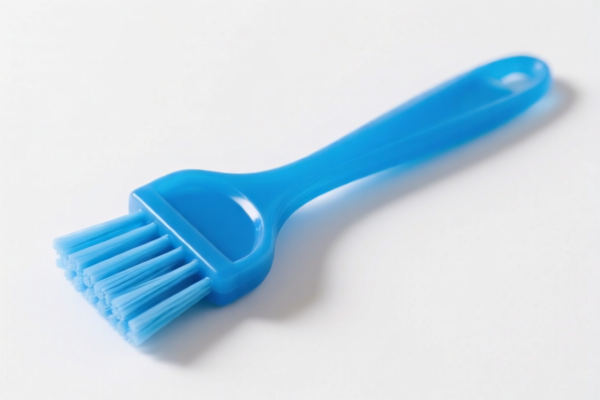
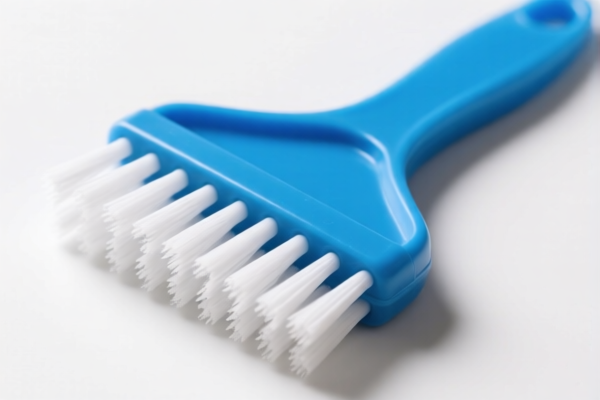
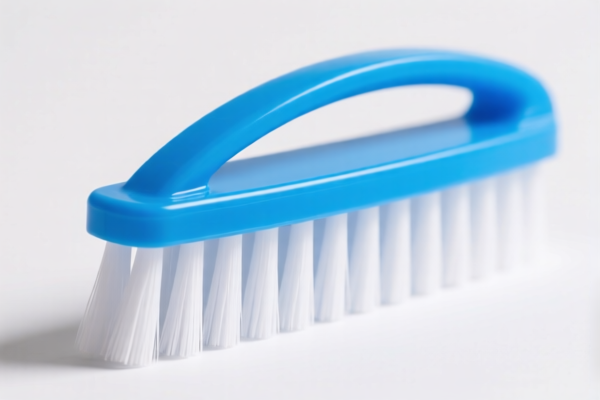
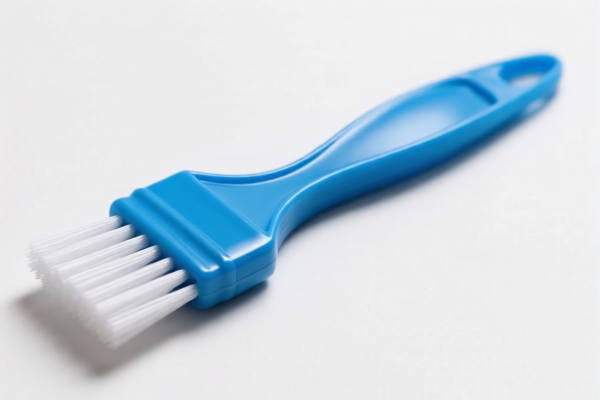
AI Analysis
🖌️ Plastic Brush (塑料刮刷/刷)
🌐 HS Code Reference & Customs Clearance Guide | 2024/2025 Latest Tariff Analysis | Professional Entry Strategy
📌 Part 1: Product Definition & Classification: What Exactly Is a "Plastic Brush"?
The term "Plastic Brush" is a broad category in international trade. It generally refers to cleaning tools, applicators, or scrapers made primarily of plastic. However, in customs classification, the specific use, structure, and material composition determine the HS Code and, consequently, the tax rate.
Based on the provided data, we analyze five specific classification scenarios for plastic brushes, ranging from low-tax domestic items to high-tax industrial scrapers.
⚠️ Critical Distinction Point:
- Is it a household cleaning tool (e.g., dish brush, aquarium brush)? → Likely Ch. 39 or Ch. 96 (Other)
- Is it a specialized scraper (e.g., for paint, industrial cleaning)? → Likely Ch. 96 (Brooms/Brushes)
- Key Rule: If the item is primarily a "scraping blade" with plastic handle, it may fall under specific scraper codes with higher tariffs. If it is a "brush" for general cleaning, it often falls under general plastics or other articles.
📦 Part 2: HS Code Classification Details (Based on Provided Data)
| HS Code | Product Description | Applicable Scenario | Primary Tariff Impact |
|---|---|---|---|
9603.90.80.50 |
Plastic Scraper/Broom, Matched for Scraping Purpose | Industrial/Heavy-duty scraping tools; plastic material | ⚠️ High (70.3%) |
3924.10.40.00 |
Plastic Brush, Household/Kitchen Use | Kitchen sink brushes, dish scrubbers | ✅ Low (13.4%) |
3924.90.56.50 |
Plastic Brush, Other Household Articles | General home cleaning, non-kitchen | ⚠️ Medium (20.9%) |
9603.40.40.60 |
Plastic Brush, Paint/Colorant Applicator | Paint brushes, tinting brushes | ⚠️ High (14.0%) |
3926.90.99.10 |
Plastic Aquarium Brush | Pet supply cleaning tool, fish tank cleaning | ⚠️ High (22.8%) |
🔍 Key Insight:
- Ch. 96 (9603) items are classified as "Brooms, brushes" and often incur Section 301/122 additional tariffs depending on the specific subheading. - Ch. 39 (3924) items are classified as "Plastic tableware/kitchenware" or "Other plastic articles," which may have different tariff structures. - Notice: The data shows two very high tax rates (70.3% and 22.8%) due to complex additional duties. Proper classification is critical to avoid unexpected costs.
💰 Part 3: 2024/2025 Latest Tariff Rate Details (Including Additional Duties)
✅ Applicable Country: United States (US)
✅ Origin: China (CN)
✅ Validity: Current as of provided data (includes Section 122, 301, and Base Rates)
🎯 1. 9603.90.80.50 —— Plastic Scraper (Scraping Purpose)
| Item | Detail |
|---|---|
| Base Tariff | 2.8% |
| Section 301 Additional Tariff | 7.5% |
| Section 122 Additional Tariff | 10% |
| Steel/Aluminum/Copper Products Additional Tariff | 50% |
| Total Tax Rate | 70.3% |
| Tax Calculation | CIF Value × 70.3% |
| Legal Basis | Section 122, Section 301, Base Rate |
📌 Explanation:
- This high rate is driven by the 50% additional tariff likely applied to steel/aluminum components or specific industrial items under Section 122/other provisions, combined with base and Section 301 duties. - Risk: Very high. Ensure the product is not misclassified if it contains metal parts.
🎯 2. 3924.10.40.00 —— Plastic Brush (Household/Kitchen)
| Item | Detail |
|---|---|
| Base Tariff | 3.4% |
| Section 301 Additional Tariff | 0.0% |
| Section 122 Additional Tariff | 10% |
| Total Tax Rate | 13.4% |
| Tax Calculation | CIF Value × 13.4% |
| Legal Basis | Base Rate, Section 122 |
📌 Explanation:
- Lowest Tax Option. Kitchen plastic brushes fall under "Plastic Tableware/Kitchenware." - Advantage: No Section 301 tariff (0%), only Base (3.4%) + Section 122 (10%). - Strategy: If your product can be described as a "kitchen brush" or "dish scrubber," this is the most cost-effective classification.
🎯 3. 3924.90.56.50 —— Plastic Brush (Other Household)
| Item | Detail |
|---|---|
| Base Tariff | 3.4% |
| Section 301 Additional Tariff | 7.5% |
| Section 122 Additional Tariff | 10% |
| Total Tax Rate | 20.9% |
| Tax Calculation | CIF Value × 20.9% |
| Legal Basis | Base Rate, Section 301, Section 122 |
📌 Explanation:
- For household plastic brushes not in the kitchen category (e.g., bathroom brushes). - Note: Subject to Section 301 (7.5%) and Section 122 (10%).
🎯 4. 9603.40.40.60 —— Plastic Brush (Paint/Colorant Applicator)
| Item | Detail |
|---|---|
| Base Tariff | 4.0% |
| Section 301 Additional Tariff | 0.0% |
| Section 122 Additional Tariff | 10% |
| Total Tax Rate | 14.0% |
| Tax Calculation | CIF Value × 14.0% |
| Legal Basis | Base Rate, Section 122 |
📌 Explanation:
- Paint brushes benefit from 0% Section 301 tariff. - Strategy: If the brush is specifically for paint, tint, or colorant application, classify here to save on Section 301 duties.
🎯 5. 3926.90.99.10 —— Plastic Aquarium Brush
| Item | Detail |
|---|---|
| Base Tariff | 5.3% |
| Section 301 Additional Tariff | 7.5% |
| Section 122 Additional Tariff | 10% |
| Total Tax Rate | 22.8% |
| Tax Calculation | CIF Value × 22.8% |
| Legal Basis | Base Rate, Section 301, Section 122 |
📌 Explanation:
- Classified as "Other Plastic Articles" for pet/aquarium use. - Note: Higher base rate (5.3%) and subject to both Section 301 and 122.
🛠️ Part 4: Customs Clearance Practical Advice (Pitfall Avoidance)
✅ 1. Required Documentation Checklist
| Document | Required | Notes |
|---|---|---|
| ✅ Product Specification Sheet | ✔️ | Must specify material (e.g., "PP Plastic Bristles"), usage (e.g., "Kitchen Cleaning"), and dimensions. |
| ✅ Product Photos | ✔️ | Clear images showing the brush head, handle, and any labels. |
| ✅ Commercial Invoice | ✔️ | Must use precise HS Code and description (e.g., "Plastic Dish Brush" not just "Plastic Brush"). |
| ✅ Packing List | ✔️ | Detail quantity and weight. |
| ✅ Origin Certificate (CO) | ✔️ | If applicable for preferential treatment (though China origin is standard here). |
✅ 2. Declaration Strategy (Key Tips)
🔥 "Describe the Use, Not Just the Material!"
| Scenario | Recommended HS Code | Description for Customs |
|---|---|---|
| Kitchen/Dish Brush | 3924.10.40.00 |
"Plastic Kitchen Dish Brush, for Household Cleaning" |
| Bathroom/General Household | 3924.90.56.50 |
"Plastic Household Cleaning Brush, Non-Kitchen Use" |
| Paint Applicator | 9603.40.40.60 |
"Plastic Paint Brush, for Art/Industrial Coating" |
| Aquarium Cleaner | 3926.90.99.10 |
"Plastic Aquarium Glass Scrubber, for Fish Tank Cleaning" |
| Industrial Scraper | 9603.90.80.50 |
"Plastic Scraping Tool, for Industrial Surface Preparation" |
⚠️ Warning:
- Do not use generic terms like "Plastic Brush" on the invoice.
- Misclassification (e.g., declaring a kitchen brush as3926.90) can lead to underpayment and subsequent audits/penalties.
- Declaring an industrial scraper as a "household brush" to avoid the 70.3% tax is customs fraud. Ensure the product's primary use matches the description.
✅ 3. Special Considerations
| Situation | Advice |
|---|---|
| Mixed Materials | If the brush has metal wires or rubber heads, the classification may change entirely (e.g., to Ch. 96 or Ch. 40). Provide detailed material breakdown. |
| Packaging | If sold in a set (e.g., brush + soap dispenser), declare as a set if applicable, or separate items. Sets may have different duty rates. |
| Section 122 Impact | The 10% Section 122 tariff applies to most plastic household items and brushes from China. It is difficult to avoid. Plan for this in your cost model. |
| Pre-Ruling | For high-value shipments, consider applying for a Binding Ruling from US Customs to confirm the HS Code and tax rate in advance. |
🌍 Part 5: Global Market Comparison (2024/2025)
| Market | Recommended HS Code (Example) | Tariff Rate (China Origin) | Notes |
|---|---|---|---|
| 🇺🇸 USA | 3924.10.40.00 (Kitchen) |
13.4% | Includes 10% Sec 122 + 3.4% Base |
| 🇺🇸 USA | 9603.90.80.50 (Scraper) |
70.3% | Includes 50% Steel/Al/Cu Adj. Tariff |
| 🇪🇺 EU | Varies by national code | ~6.5% | No Section 122/301 equivalent |
| 🇨🇳 China | Varies | 0-10% | Export from China (not import to China) |
📌 Conclusion:
- The USA has the most complex and potentially highest tariffs for plastic brushes due to Section 122 and Section 301.
- Kitchen brushes (3924.10) are the most tax-efficient option in the US market.
- Industrial scrapers (9603.90) carry a punitive 70.3% rate, likely targeting specific industrial supply chains.
📌 Part 6: Common Mistakes & Pitfall Guide
❌ Mistake 1: Declaring all plastic brushes under one HS Code (3926.90)
👉 Result: Overpayment if it’s a kitchen brush (22.8% vs 13.4%) or misclassification if it’s a scraper.
❌ Mistake 2: Ignoring the "Scraping" vs. "Brushing" distinction
👉 Result: Using 9603.90.80.50 for a simple household scraper leads to a 70.3% tax. If it’s a soft brush, try to classify under Ch. 39 if possible, but ensure it fits the description.
❌ Mistake 3: Vague Description: "Plastic Item"
👉 Result: Customs will inspect and likely assign a higher-duty code or detain the shipment.
✅ Correct Approach:
"Plastic Kitchen Dish Brush, BPA-Free, PP Material, 10 Pack" →
3924.10.40.00
"Plastic Paint Applicator Brush, Synthetic Bristles" →9603.40.40.60
🎯 Part 7: Conclusion: Professional Classification Saves Money!
🎯 Key Takeaway:
🔹 "Kitchen Brushes: 13.4% | Paint Brushes: 14.0% | General Household: 20.9% | Scrapers: 70.3%"
🔹 Small Change in Description = Big Difference in Tax!
📌 Pro Tip:
If your product is a hybrid (e.g., a brush with a scraping edge), argue for the primary function. If it’s primarily for cleaning, use Ch. 39 or 9603.40. If it’s primarily for scraping, prepare for the higher 9603.90 rate or see if it fits 3924.10 if it’s for kitchen use.
📣 Immediate Action:
📞 Review your product’s exact use and material composition.
📝 Update your invoice descriptions to match the specific HS Code.
🚀 Avoid the 70.3% pitfall by ensuring proper classification!
✨ Precise Classification is the Key to Profitable Export!
💼 Don’t let unclear descriptions cost you 50% in additional tariffs!
Customer Reviews
About HS Code Classification
The Harmonized System (HS) is an internationally standardized nomenclature developed by the World Customs Organization (WCO) to classify traded products. Over 200 countries use the HS system as the basis for customs tariffs, trade statistics, and import/export regulations.
Each HS code follows a hierarchical structure:
- Chapter (2 digits) — Broad category of goods (e.g., Chapter 84: Machinery and Mechanical Appliances)
- Heading (4 digits) — More specific grouping within the chapter
- Subheading (6 digits) — Internationally standardized breakdown, used by all WCO member countries
- National subdivisions (8-10 digits) — Country-specific extensions for further classification, such as US HTSUS 10-digit codes
Correct HS code classification is essential for smooth customs clearance, accurate duty payment, and compliance with trade regulations. Misclassification can lead to customs delays, overpayment of duties, or penalties.
When importing from CN to US, the applicable tariff rates may include:
- Most-Favored-Nation (MFN) rate — The standard duty rate applied to WTO members
- General rate — Applied to countries without trade agreements
- Trade remedy duties — Additional tariffs such as Section 301 (anti-dumping), Section 232 (national security), or countervailing duties
The information provided on this page is for reference purposes only. For official classification, please consult with your local customs authority or a licensed customs broker.