Plastic Buffet Plate
CN → US| HS Code | Tariff Rate | Origin | Destination | Doc |
|---|---|---|---|---|
| 3924102000 | 24.0% | CN | US | Official Doc |
| 3923109000 | 38.0% | CN | US | Official Doc |
| 3924104000 | 13.4% | CN | US | Official Doc |
| 3923900080 | 38.0% | CN | US | Official Doc |
| 3924102000 | 24.0% | CN | US | Official Doc |
Product Images
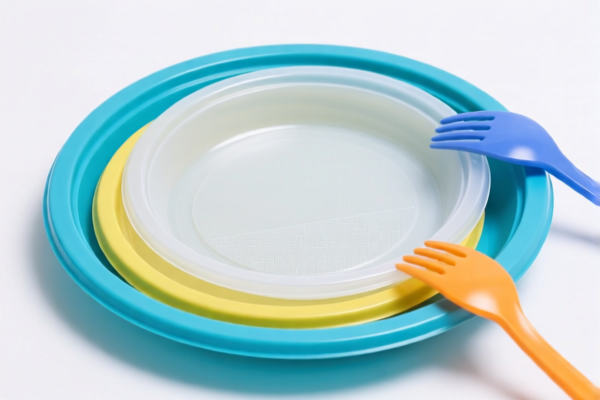
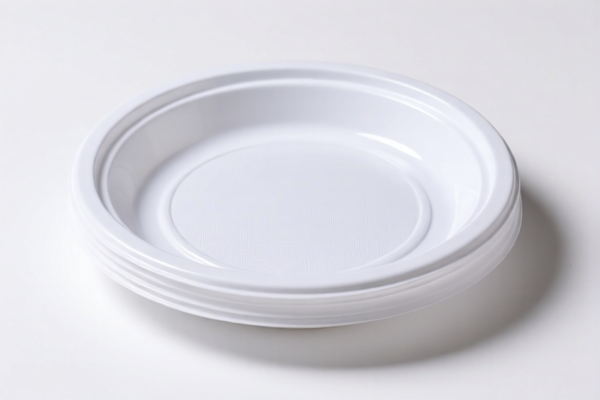
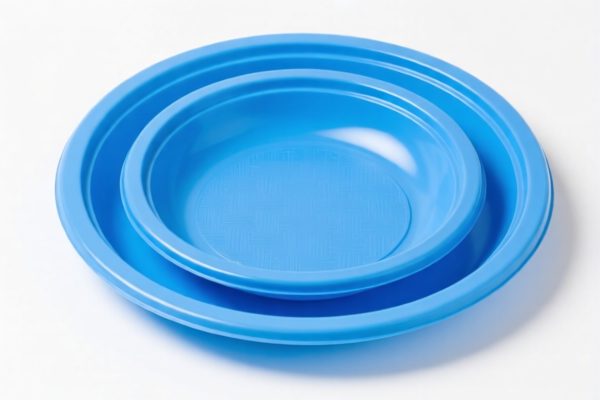
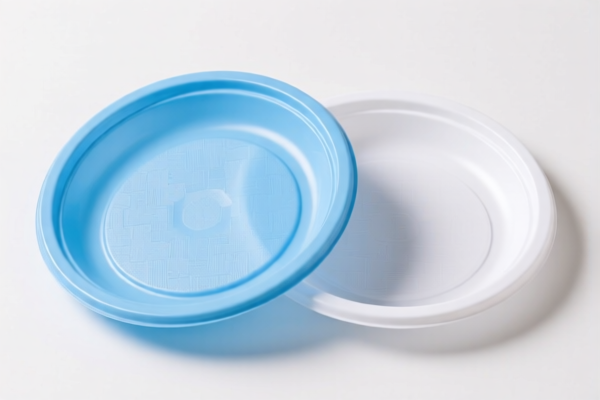
AI Analysis
🍽️ Plastic Buffet Plate (Plastic Tableware & Packaging)
🌐 HS Code Reference & Customs Clearance Guide | 2026 Latest Tariff Analysis | Professional Strategy for US Import
📌 Part I: Product Definition & Classification: What Exactly is a "Plastic Buffet Plate"?
A "Plastic Buffet Plate" is a broad term that can refer to two distinct categories in international trade, leading to drastically different tariff outcomes. Understanding the function and structure of the product is critical for correct HS Code classification.
Category A: Tableware (Plastic Tableware)
Dishes, plates, bowls, and saucers made of plastic, intended for direct contact with food during serving or eating. These are classified under Chapter 39, Heading 3924.
Category B: Packaging/Containers
Plastic plates or shallow containers primarily used for packaging, holding, or transporting goods, rather than for direct dining service. If the plate is disposable, flimsy, or designed as part of a larger packaging unit (e.g., a tray inside a box), it may fall under Heading 3923.
⚠️ Key Distinction Point:
- If the item is marketed as "Tableware," "Dinnerware," or "Buffet Serveware" and is durable/reusable → Classify under 3924.
- If the item is marketed as "Food Container," "Tray for Storage," or "Disposable Packaging" → Classify under 3923.
- Customs Risk: Misclassifying tableware as packaging to avoid higher tariffs can lead to severe penalties.
📦 Part II: HS Code Classification Details (2026 Latest Tariff Reference)
Based on the provided data, here are the specific HS Codes and their implications for a Plastic Buffet Plate.
| HS Code | Product Description | Key Characteristics | Total Tax Rate |
|---|---|---|---|
3924.10.20.00 |
Plastic Tableware & Plates | Plastic material; Form/Use: Dinner plates; Tableware Category | 24.0% |
3924.10.40.00 |
Plastic Tableware | Plastic material; Form: Plate; Tableware Category | 13.4% |
3923.10.90.00 |
Plastic Packaging/Storage Items | Plastic material; Form: Plate; Packaging/Storage Use | 38.0% |
3923.90.00.80 |
Other Plastic Packaging Supplies | Plastic material; Form: Plate-like; Packaging Parts/Components | 38.0% |
🔍 Critical Observation:
- Tableware Codes (3924) generally have lower or moderate total tax rates (13.4% - 24.0%).
- Packaging Codes (3923) carry significantly higher total tax rates (38.0%) due to the heavy impact of Section 301 tariffs.
- Why the difference? The "Buffet Plate" is most likely tableware. However, if it is a disposable plastic tray used solely for packaging bulk food, it risks being classified as 3923, jumping the cost by ~14-25 percentage points.
💰 Part III: 2026 Latest Tariff Rate Breakdown (Including Surcharges)
✅ Applicable Country: United States (US)
✅ Country of Origin: China (CN)
✅ Effective Time: Post-November 2025 (Current Regime)
🎯 1. 3924.10.20.00 – Plastic Tableware & Plates (Standard Dinner Plates)
| Item | Content |
|---|---|
| Basic Tariff | 6.5% |
| Section 301 Surcharge (Additional Tariff) | 7.5% |
| Section 122 Tariff (IEEPA Surcharge) | 10.0% |
| Total Tax Rate | 24.0% |
| Tax Calculation | CIF Value × 24% |
| De Minimis Exemption | ❌ Not Eligible (Value must be declared; no $800 exemption for China-origin tableware under current strict enforcement trends for this category) |
| Legal Basis | USITC:3924.10.20.00 → Section 301 Footnote → IEEPA:9903.01.24 |
📌 Explanation:
- This is the most common classification for reusable or semi-disposable plastic buffet plates intended for dining.
- The 7.5% Section 301 tariff applies to most plastic tableware from China.
- The 10% Section 122 tariff is a broad-based surcharge on Chinese imports.
- Total Cost Impact: You pay 24 cents for every dollar of CIF value.
🎯 2. 3924.10.40.00 – Plastic Tableware (Specialized/Other Plates)
| Item | Content |
|---|---|
| Basic Tariff | 3.4% |
| Section 301 Surcharge (Additional Tariff) | 0.0% |
| Section 122 Tariff (IEEPA Surcharge) | 10.0% |
| Total Tax Rate | 13.4% |
| Tax Calculation | CIF Value × 13.4% |
| De Minimis Exemption | ❌ Not Eligible |
| Legal Basis | USITC:3924.10.40.00 → Section 301 Footnote → IEEPA:9903.01.24 |
📌 Note:
- This code may apply to specific types of plastic tableware that do not fall under "plates" (e.g., specific serving trays or non-standard shapes) or if the 301 tariff exemption applies to this specific sub-category.
- Significant Savings: 10.6% lower total tax than3924.10.20.00. Verify with a customs broker if your product qualifies.
🎯 3. 3923.10.90.00 / 3923.90.00.80 – Plastic Packaging/Storage
| Item | Content |
|---|---|
| Basic Tariff | 3.0% |
| Section 301 Surcharge (Additional Tariff) | 25.0% |
| Section 122 Tariff (IEEPA Surcharge) | 10.0% |
| Total Tax Rate | 38.0% |
| Tax Calculation | CIF Value × 38% |
| De Minimis Exemption | ❌ Not Eligible |
📌 Warning:
- Do NOT classify buffet plates as "packaging" unless they are clearly not for dining.
- The 25% Section 301 tariff on packaging materials is significantly higher than the 7.5% on tableware.
- Risk: If customs inspects the goods and determines they are "tableware" (e.g., seen in a restaurant setting), they will reclassify and charge the difference plus penalties.
🛠️ Part IV: Customs Clearance Practical Advice
✅ 1. Document Checklist (Mandatory)
| Document | Required | Purpose |
|---|---|---|
| ✅ Product Specification Sheet | ✔️ | Detail material (e.g., PP, PS, Melamine), dimensions, weight, and intended use (Dining vs. Packaging). |
| ✅ Product Photos | ✔️ | Show the plate in context (e.g., on a table with food) to prove it is tableware, not packaging. |
| ✅ Commercial Invoice | ✔️ | Clearly describe as "Plastic Buffet Plates for Dining" or "Plastic Tableware," NOT "Plastic Trays for Packaging." |
| ✅ Packing List | ✔️ | List quantities and weights. |
| ✅ Certificate of Origin (CO) | ✔️ | Required for China-origin goods to determine 301 applicability. |
| ✅ Material Safety Data Sheet (MSDS) | ✔️ | If applicable, to prove food-contact safety (FDA compliance). |
✅ 2. Classification Strategy (Key Tips)
🔥 "Function is King: Dining = 3924, Storage = 3923"
| Scenario | Recommended HS Code | Reason |
|---|---|---|
| Reusable Plastic Plates (e.g., for caterers) | 3924.10.20.00 |
Clearly tableware. Lower tariff than packaging. |
| Disposable Plastic Plates (for parties) | 3924.10.20.00 |
Still considered tableware if for direct food service. |
| Plastic Trays (used to hold packaged food) | 3923.10.90.00 |
If the plate is part of the retail packaging and not for direct consumer dining. |
| Special Shaped Serving Dishes | 3924.10.40.00 |
If they don't fit "plate" definition but are tableware. Check eligibility for 0% 301 tariff. |
✅ 3. Common Mistakes & Pitfalls
❌ Mistake 1: Calling all plastic flat items "Trays" and using 3923.
👉 Consequence: Paying 38% tax instead of 24% or 13.4%. Customs will likely reclassify as tableware (3924) but may impose penalties for incorrect initial classification.
❌ Mistake 2: Using 3924.10.40.00 without verifying if the product qualifies for the 0% Section 301 surcharge.
👉 Consequence: If the product is actually a standard plate (3924.10.20.00), you risk audit and back taxes.
❌ Mistake 3: Ignoring the Section 122 (10%) Tariff.
👉 Consequence: This 10% applies to almost all Chinese imports under current rules. Ensure your cost model includes this 10% on top of the 3924/3923 specific rates.
✅ 4. Pro Tip for Cost Optimization
- Verify
3924.10.40.00Eligibility: Contact a customs broker to confirm if your specific "Buffet Plate" design qualifies for the 0% Section 301 rate under3924.10.40.00. If yes, the total tax drops to 13.4%, saving 10.6% compared to the standard plate code. - Avoid "Packaging" Language: In marketing materials and invoices, emphasize "Dining," "Tableware," "Hospitality Use," rather than "Storage" or "Packaging."
🌍 Part V: Global Market Comparison (Quick Reference)
| Market | Recommended HS Code | Est. Total Tax (China Origin) | Notes |
|---|---|---|---|
| 🇺🇸 USA | 3924.10.20.00 |
24.0% | High Section 301 + 122 tariffs. |
| 🇺🇸 USA | 3924.10.40.00 |
13.4% | Potential savings if eligible. |
| 🇺🇸 USA | 3923.10.90.00 |
38.0% | Avoid unless strictly packaging. |
| 🇨🇳 China | 3924.10.20.00 |
~6.5% | No Section 301. Basic rate applies. |
| 🇪🇺 EU | 3924.10.00 |
~6.5% | No Section 301. Check VAT. |
📌 Conclusion:
For the US market, Plastic Buffet Plates are best classified as Tableware (3924) to avoid the punitive 38% packaging tariff. Aim for3924.10.20.00(24%) or verify eligibility for3924.10.40.00(13.4%).
🎯 Part VI: Final Checklist for Importers
- Define Use: Is it for eating (
3924) or storing (3923)? - Check Material: Is it plastic? (Yes → Chapter 39).
- Calculate Tax:
- If
3924.10.20.00: 24% - If
3924.10.40.00: 13.4% - If
3923.xx: 38% - Prepare Docs: Invoice must say "Plastic Tableware," not "Plastic Packaging."
- Consult Broker: Confirm if
3924.10.40.00applies to your specific design to save costs.
📌 Disclaimer:
This guide is for informational purposes only. Tariff rates and classifications are subject to change. Always consult with a licensed customs broker or legal expert for final classification and duty calculation.
✨ Smart Classification, Lower Duties, Faster Clearance!
💼 Don’t let a wrong HS Code cost you 14-25% in extra taxes.
Customer Reviews
About HS Code Classification
The Harmonized System (HS) is an internationally standardized nomenclature developed by the World Customs Organization (WCO) to classify traded products. Over 200 countries use the HS system as the basis for customs tariffs, trade statistics, and import/export regulations.
Each HS code follows a hierarchical structure:
- Chapter (2 digits) — Broad category of goods (e.g., Chapter 84: Machinery and Mechanical Appliances)
- Heading (4 digits) — More specific grouping within the chapter
- Subheading (6 digits) — Internationally standardized breakdown, used by all WCO member countries
- National subdivisions (8-10 digits) — Country-specific extensions for further classification, such as US HTSUS 10-digit codes
Correct HS code classification is essential for smooth customs clearance, accurate duty payment, and compliance with trade regulations. Misclassification can lead to customs delays, overpayment of duties, or penalties.
When importing from CN to US, the applicable tariff rates may include:
- Most-Favored-Nation (MFN) rate — The standard duty rate applied to WTO members
- General rate — Applied to countries without trade agreements
- Trade remedy duties — Additional tariffs such as Section 301 (anti-dumping), Section 232 (national security), or countervailing duties
The information provided on this page is for reference purposes only. For official classification, please consult with your local customs authority or a licensed customs broker.