Plastic Building Accessories
CN → US| HS Code | Tariff Rate | Origin | Destination | Doc |
|---|---|---|---|---|
| 3926305000 | 22.8% | CN | US | Official Doc |
| 9403994080 | 35.0% | CN | US | Official Doc |
| 3926301000 | 24.0% | CN | US | Official Doc |
| 9403993080 | 35.0% | CN | US | Official Doc |
Product Images
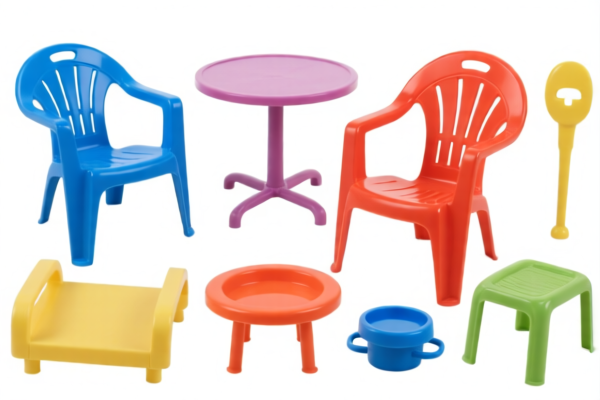
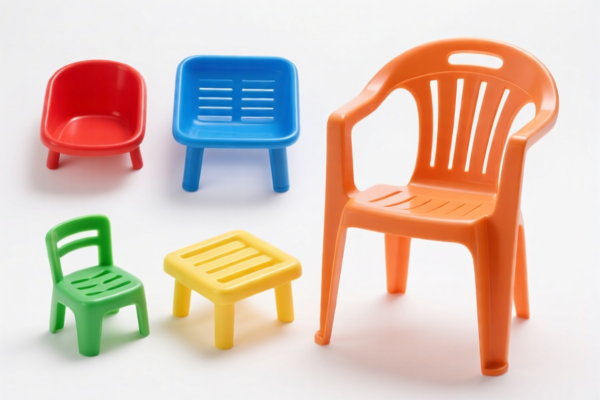
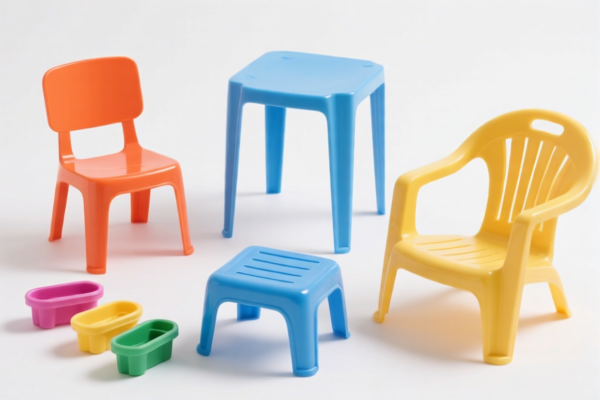
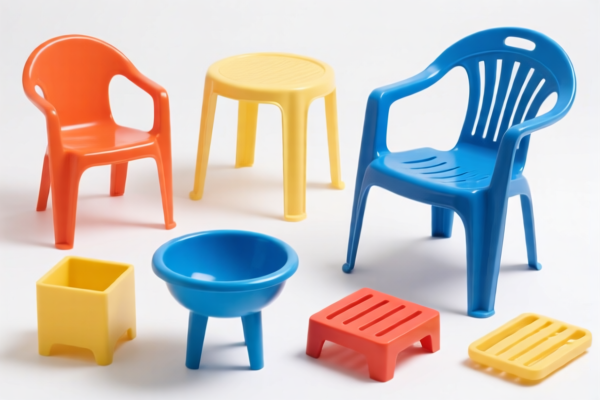
AI Analysis
🏗️ Plastic Building Accessories: HS Code Classification & Customs Clearance Guide (2026)
🌐 HS Code Reference & Clearance Guide | 2026 Latest Tariff Analysis | Professional Customs Strategy
📌 I. Product Definition: What Are "Plastic Building Accessories"?
In international trade, "Plastic Building Accessories" is a broad category that can refer to components made primarily of plastic used in construction, furniture, or structural applications. The correct classification depends heavily on the specific use, material composition, and functionality of the item.
Common examples include: * Plastic brackets, connectors, or fasteners for furniture (e.g., chair legs, shelf supports). * Plastic fittings for building structures (e.g., pipe connectors, window frame components). * Decorative or functional plastic parts for interior/exterior design.
⚠️ Key Distinction:
- If the item is a component for furniture (even if used in a building context), it may fall under Chapter 94 (Furniture).
- If the item is a general plastic article not specified elsewhere, it may fall under Chapter 39 (Plastics and articles thereof).
- Misclassification leads to significantly different tariff rates.
📦 II. HS Code Classification Details (Based on Provided Data)
Below are the specific HS codes and tax rates for "Plastic Building Accessories" as per the provided dataset. Note that all items are made of plastic and are classified based on their intended use.
| HS Code | Product Description | Total Tax Rate | Tax Breakdown |
|---|---|---|---|
3926.30.50.00 |
Plastic furniture accessories, material: plastic, use: furniture accessories | 22.8% | Base: 5.3% Add-on: 7.5% Section 301 (122): 10% |
9403.99.40.80 |
Plastic furniture accessories, material: plastic, form: accessories, use: other furniture | 35.0% | Base: 0.0% Add-on: 25.0% Section 301 (122): 10% |
3926.30.10.00 |
Plastic furniture accessories, material: plastic, use: furniture accessories | 24.0% | Base: 6.5% Add-on: 7.5% Section 301 (122): 10% |
9403.99.30.80 |
Plastic furniture accessories, material: plastic, use: furniture accessories | 35.0% | Base: 0.0% Add-on: 25.0% Section 301 (122): 10% |
🔍 Important Note:
- Chapter 94 (9403.99.xxxxxx): Classified as accessories for furniture. Even if the accessory is plastic, if it is specifically designed for furniture, it falls here.
- Chapter 39 (3926.30.xxxxxx): Classified as other articles of plastics. If the item is a general plastic part not exclusively for furniture, it may fall here, but note that the description in the data still says "furniture accessories," which is a common labeling nuance in customs declarations.
- Tariff Difference: The tax rate varies from 22.8% to 35.0% depending on the specific sub-heading and base duty.
💰 III. 2026 Tariff Rate Breakdown (Detailed Explanation)
✅ Applicable Country: United States (US)
✅ Origin: China (CN)
✅ Effective Date: Rates include Section 301 (122) tariffs, which are currently in effect.
🎯 1. 3926.30.50.00 & 3926.30.10.00 – Plastic Articles (Furniture Accessories)
| Item | Details |
|---|---|
| Base Duty | 5.3% (3926.30.50.00) or 6.5% (3926.30.10.00) |
| USITC Add-on | +7.5% (General Add-on Tariff) |
| Section 301 (122) Tariff | +10% (Specific to China-origin goods) |
| Total Tax Rate | 22.8% or 24.0% |
| Calculation | CIF Value × Total Rate |
| De Minimis Exemption | ❌ Not Eligible (Section 301 tariffs generally exclude de minimis exemption for this category) |
| Legal Basis | USITC:3926.30.xxxx + Section 301 Footnote 122 |
📌 Explanation:
- These items are classified under Chapter 39 (Plastics).
- The 7.5% add-on is a general additional tariff.
- The 10% Section 301 tariff applies to Chinese-made goods.
- Total burden: ~23-24%, which is relatively lower compared to Chapter 94 classifications.
🎯 2. 9403.99.40.80 & 9403.99.30.80 – Furniture Accessories (Plastic)
| Item | Details |
|---|---|
| Base Duty | 0.0% (Free under most FTA agreements, but subject to add-ons) |
| USITC Add-on | +25.0% (High additional tariff) |
| Section 301 (122) Tariff | +10% (Specific to China-origin goods) |
| Total Tax Rate | 35.0% |
| Calculation | CIF Value × 35% |
| De Minimis Exemption | ❌ Not Eligible |
| Legal Basis | USITC:9403.99.xxxx + Section 301 Footnote 122 |
📌 Explanation:
- These items are classified under Chapter 94 (Furniture).
- Although the base duty is 0%, the 25% USITC add-on is very high.
- This makes the total rate 35%, which is significantly higher than Chapter 39 classifications.
- Why? The US imposes higher additional tariffs on furniture-related items to protect domestic manufacturing.
🛠️ IV. Customs Clearance Practical Advice
✅ 1. Preparation Checklist
| Document | Required? | Notes |
|---|---|---|
| Product Specification Sheet | ✔️ | Must clearly state: Material (Plastic), Use (Furniture/Building), Dimensions. |
| Photos | ✔️ | Show the item from multiple angles, including any markings or labels. |
| Commercial Invoice | ✔️ | Must specify "Plastic Furniture Accessories" and HS Code. |
| Packing List | ✔️ | Detail contents to prove they are accessories, not complete furniture. |
| Country of Origin Certificate | ✔️ | Required to confirm China origin (triggers Section 301). |
✅ 2. Declaration Tips
🔥 "Use the Right Chapter: 39 vs 94"
| Scenario | Recommended HS Code | Tax Rate | Risk |
|---|---|---|---|
| General plastic parts (e.g., clips, connectors) not exclusively for furniture | 3926.30.50.00 or 3926.30.10.00 |
22.8% - 24.0% | ✅ Lower tax, if correctly described as "plastic articles." |
| Specifically designed for furniture (e.g., chair legs, shelf brackets) | 9403.99.40.80 or 9403.99.30.80 |
35.0% | ❌ Higher tax. Must declare as "Furniture Accessories." |
| Complete furniture items | Not listed (different HS) | Varies | ❌ Do not mix accessories with complete furniture. |
📌 Key Strategy:
- If the item is a generic plastic part used in multiple applications (not just furniture), try to classify under Chapter 39 (3926.30) to benefit from the lower 22-24% rate.
- If the item is unambiguously for furniture (e.g., "plastic chair leg"), it must be classified under Chapter 94 (9403.99), incurring the 35% rate.
- Do not misdeclare a furniture accessory as a general plastic part. Customs audits may result in penalties and back taxes.
✅ 3. Special Considerations
| Issue | Advice |
|---|---|
| De Minimis (Section 321) | ❌ Not available for Section 301 items from China. All shipments, regardless of value, are subject to these tariffs. |
| Origin Marking | Ensure products are marked "Made in China" to avoid customs delays. |
| Material Proof | If challenged, provide material certificates (e.g., MSDS, composition reports) to prove plastic content. |
| Pre-Ruling | Consider applying for an Advance Ruling from US Customs to confirm the correct HS Code and tariff rate before shipment. |
🌍 V. Global Market Comparison (2026)
| Market | HS Code (Typical) | Base Duty | Additional Tariffs (China) | Total Estimated |
|---|---|---|---|---|
| 🇺🇸 USA | 3926.30 or 9403.99 |
0-6.5% | +7.5% to +25% (USITC) + 10% (Section 301) | 22.8% - 35.0% |
| 🇨🇳 China | 3926.30 |
5-6.5% | None | 5-6.5% |
| 🇪🇺 EU | 3926.30 |
0-1.7% | None | 0-1.7% |
| 🇨🇦 Canada | 3926.30 |
0-5% | None | 0-5% |
📌 Conclusion:
- The USA is the most costly market for plastic building/furniture accessories from China due to USITC add-ons and Section 301 tariffs.
- Consider supply chain diversification (e.g., from Vietnam, Thailand) to avoid high US tariffs.
📌 VI. Common Mistakes & Pitfalls
❌ Mistake 1: Declaring furniture-specific plastic parts as "general plastic articles" to save tax.
👉 Consequence: Customs may reclassify and charge 35% + penalties.
❌ Mistake 2: Assuming de minimis exemption applies to Section 301 goods.
👉 Consequence: All shipments subject to full tariff, regardless of value.
❌ Mistake 3: Mixing complete furniture with accessories in one shipment.
👉 Consequence: Complex classification, potential delays, and higher overall tax.
✅ Correct Approach:
"Accurate Description, Correct Chapter, Proven Origin."
Use clear product names like "Plastic Chair Leg" or "Plastic Shelf Connector" and provide supporting documentation.
🎯 VII. Final Recommendations
- Classify Correctly: Use
3926.30for general plastic parts (22-24%) and9403.99for furniture-specific items (35%). - Document Everything: Keep material proofs, design specs, and origin certificates ready.
- Consider Pre-Ruling: Apply for an Advance Ruling to lock in the HS Code and tariff rate.
- Supply Chain Review: If tariffs are too high, explore sourcing from countries with lower US tariffs (e.g., ASEAN nations).
📣 Take Action Now:
📞 Consult a licensed customs broker.
📄 Prepare detailed product descriptions.
🚀 Ensure smooth clearance and minimize costs!
✨ Precision in Classification, Savings in Taxation!
💼 Your Supply Chain Efficiency Starts with Accurate HS Codes!
Customer Reviews
About HS Code Classification
The Harmonized System (HS) is an internationally standardized nomenclature developed by the World Customs Organization (WCO) to classify traded products. Over 200 countries use the HS system as the basis for customs tariffs, trade statistics, and import/export regulations.
Each HS code follows a hierarchical structure:
- Chapter (2 digits) — Broad category of goods (e.g., Chapter 84: Machinery and Mechanical Appliances)
- Heading (4 digits) — More specific grouping within the chapter
- Subheading (6 digits) — Internationally standardized breakdown, used by all WCO member countries
- National subdivisions (8-10 digits) — Country-specific extensions for further classification, such as US HTSUS 10-digit codes
Correct HS code classification is essential for smooth customs clearance, accurate duty payment, and compliance with trade regulations. Misclassification can lead to customs delays, overpayment of duties, or penalties.
When importing from CN to US, the applicable tariff rates may include:
- Most-Favored-Nation (MFN) rate — The standard duty rate applied to WTO members
- General rate — Applied to countries without trade agreements
- Trade remedy duties — Additional tariffs such as Section 301 (anti-dumping), Section 232 (national security), or countervailing duties
The information provided on this page is for reference purposes only. For official classification, please consult with your local customs authority or a licensed customs broker.