Plastic Candy Decoration
CN → US| HS Code | Tariff Rate | Origin | Destination | Doc |
|---|---|---|---|---|
| 3926400010 | 15.3% | CN | US | Official Doc |
| 3926400090 | 15.3% | CN | US | Official Doc |
| 9503000071 | 10.0% | CN | US | Official Doc |
| 9503000073 | 10.0% | CN | US | Official Doc |
| 9505906000 | 10.0% | CN | US | Official Doc |
Product Images
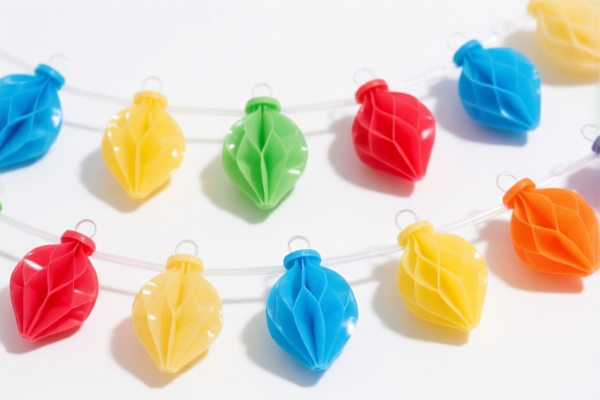
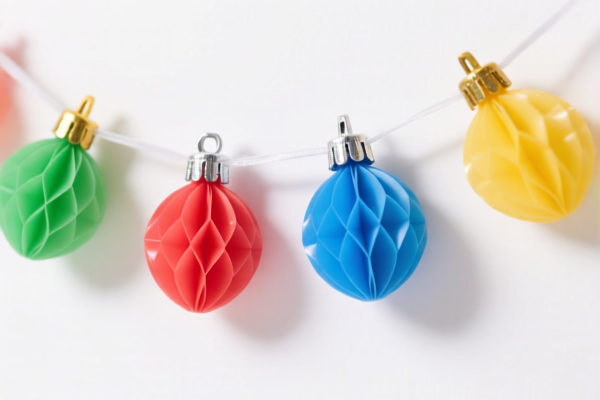
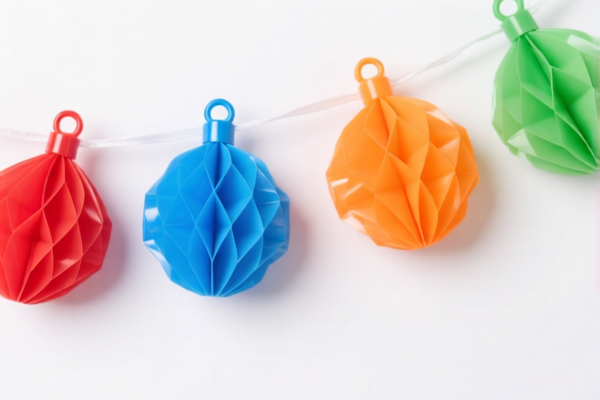
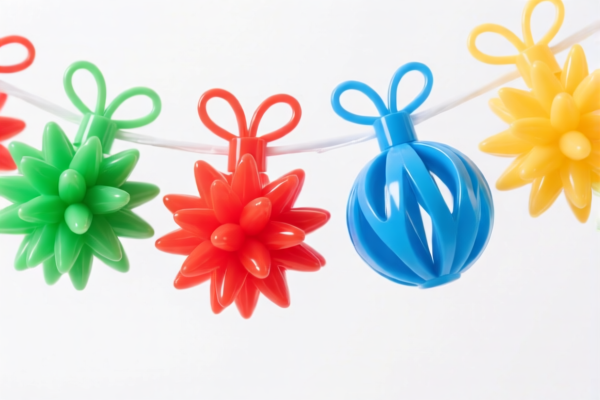
AI Analysis
🍬✨ Plastic Candy Decoration – HS Code & Tariff Guide 2026 | Full Customs Clearance Breakdown
🌐 HS Code Reference & Customs Clearance Strategy | 2026 Updated Tariff Rules | Pro-Level Import Planning
📌 One: Product Definition & Classification – What Exactly Is a "Plastic Candy Decoration"?
A plastic candy decoration is a non-edible, decorative item made from plastic, typically used to enhance the visual appeal of candies, desserts, cakes, or festive displays. These items are not meant for consumption and serve purely aesthetic or thematic purposes.
⚠️ Key Distinction:
- If the item is used to decorate food but not eaten → Classified under decorative goods, not food or confectionery.
- If the item resembles candy but is not edible → Cannot be declared as “candy” or “sugar-based product” — must be declared as decorative plastic.
📦 Two: HS Code Classification Breakdown (2026 Official Tariff List)
| HS Code | Product Description | Usage Context | Tax Rate | 122 Clause? |
|---|---|---|---|---|
3926.40.00.10 |
Plastic candy decoration, material: plastic, purpose: decorative product | Cake toppers, dessert embellishments, party decor | 15.3% | ✅ Yes (10%) |
3926.40.00.90 |
Plastic candy decoration, material: plastic, purpose: decorative item | General-purpose decorative goods, non-toy | 15.3% | ✅ Yes (10%) |
9503.00.00.71 |
Plastic candy decoration, form: decorative item, material: plastic | Holiday or event decoration, non-toy | 10.0% | ✅ Yes (10%) |
9503.00.00.73 |
Plastic candy decoration, material: plastic, form: decorative toy accessory | Part of a toy or model set (e.g., cake topper in a toy kitchen) | 10.0% | ✅ Yes (10%) |
9505.90.60.00 |
Plastic inflatable decoration, used for festivals or entertainment | Balloons, air figures, holiday inflatables | 10.0% | ✅ Yes (10%) |
🔍 Critical Insight:
- 3926.40.00.10 & 3926.40.00.90 → General decorative plastic items (not toys), but still subject to 10% 122 Clause Tariff.
- 9503.00.00.71 & 9503.00.00.73 → Toy/Model Accessories (even if not a full toy), taxed at 10% total.
- 9505.90.60.00 → Inflatable decorations (e.g., balloons, figures) → 10% tariff, all from 122 Clause.
💰 Three: 2026 Tariff Breakdown – Full Tax Detail (With Legal Basis)
✅ Applicable Country: United States (US)
✅ Origin: China (CN)
✅ Effective Date: November 10, 2025 (including all future imports)
🎯 1. 3926.40.00.10 – Plastic Candy Decoration (General Decorative Use)
| Item | Detail |
|---|---|
| Base Duty | 5.3% (ad valorem) |
| Additional Duty (Section 301) | 0.0% |
| Section 122 Clause Duty | 10.0% (from US Trade Act 1974, Section 122) |
| Total Tariff | 15.3% |
| Tax Calculation | CIF Value × 15.3% |
| De Minimis Exemption? | ❌ No (denied under 122 Clause) |
| Legal Basis Path | 122 Clause: 9903.01.25 → USITC: 3926.40.00.10 → FOOTNOTE: 9903.88.01 |
📌 Explanation:
- Despite being a non-toy decorative item, this falls under Section 122 due to China origin and plastic material. - The 10% 122 Clause is mandatory — even if base duty is low. - No de minimis relief — even small shipments (under $800) are not exempt.
🎯 2. 3926.40.00.90 – Plastic Candy Decoration (General Decorative Item)
| Item | Detail |
|---|---|
| Base Duty | 5.3% |
| Additional Duty (Section 301) | 0.0% |
| Section 122 Clause Duty | 10.0% |
| Total Tariff | 15.3% |
| Tax Calculation | CIF × 15.3% |
| De Minimis Exemption? | ❌ No |
| Legal Basis Path | 122 Clause: 9903.01.25 → USITC: 3926.40.00.90 → FOOTNOTE: 9903.88.01 |
📌 Note:
- Same tax rate as3926.40.00.10— only minor wording difference in description. - Both are non-toy plastic decorations, but still subject to 122 Clause.
🎯 3. 9503.00.00.71 – Plastic Candy Decoration (Decorative Item, Not Toy)
| Item | Detail |
|---|---|
| Base Duty | 0.0% |
| Additional Duty (Section 301) | 0.0% |
| Section 122 Clause Duty | 10.0% |
| Total Tariff | 10.0% |
| Tax Calculation | CIF × 10.0% |
| De Minimis Exemption? | ❌ No |
| Legal Basis Path | 122 Clause: 9903.01.25 → USITC: 9503.00.00.71 → FOOTNOTE: 9903.88.01 |
📌 Key Point:
- No base duty, but 10% 122 Clause applies. - This code is for non-toy decorative items, but still taxed at 10% due to China origin.
🎯 4. 9503.00.00.73 – Plastic Candy Decoration (Toy/Model Accessory)
| Item | Detail |
|---|---|
| Base Duty | 0.0% |
| Additional Duty (Section 301) | 0.0% |
| Section 122 Clause Duty | 10.0% |
| Total Tariff | 10.0% |
| Tax Calculation | CIF × 10.0% |
| De Minimis Exemption? | ❌ No |
| Legal Basis Path | 122 Clause: 9903.01.25 → USITC: 9503.00.00.73 → FOOTNOTE: 9903.88.01 |
📌 Important:
- Even if the decoration is not a standalone toy, if it’s used as a part of a toy or model set, it falls under toy accessory rules. - Same 10% rate as9503.00.00.71.
🎯 5. 9505.90.60.00 – Plastic Inflatable Decoration (Festival/Entertainment)
| Item | Detail |
|---|---|
| Base Duty | 0.0% |
| Additional Duty (Section 301) | 0.0% |
| Section 122 Clause Duty | 10.0% |
| Total Tariff | 10.0% |
| Tax Calculation | CIF × 10.0% |
| De Minimis Exemption? | ❌ No |
| Legal Basis Path | 122 Clause: 9903.01.25 → USITC: 9505.90.60.00 → FOOTNOTE: 9903.88.01 |
📌 Note:
- Inflatable candy figures, balloons, holiday decorations → All fall under this code. - 10% total tariff, no base duty, but 122 Clause applies.
🛠️ Four: Customs Clearance Best Practices (Pro Tips to Avoid Delays & Penalties)
✅ 1. Required Documentation (Must-Have Checklist)
| Document | Required? | Purpose |
|---|---|---|
| ✅ Product Photos (front, back, packaging) | ✔️ | Show shape, material, use case |
| ✅ Technical Specs (material: plastic, size, weight) | ✔️ | Prove non-edible, non-food use |
| ✅ Commercial Invoice | ✔️ | Must state “Plastic Candy Decoration – Decorative Use Only” |
| ✅ Packing List | ✔️ | Show quantity, weight, packaging type |
| ✅ Certificate of Origin (CO) | ✔️ | Prove China origin → triggers 122 Clause |
| ✅ Third-Party Test Report (RoHS, REACH, etc.) | ✔️ | Optional but recommended for compliance |
| ✅ Declaration of Non-Edible Use | ✔️ | Prevent misclassification as food |
✅ 2.申报技巧(Critical Declaration Rules)
🔥 "Label Clearly, Declare Accurately, Avoid 122 Clause Traps!"
| Scenario | Correct HS Code | Wrong Practice | Risk |
|---|---|---|---|
| Cake topper made of plastic, not edible | 3926.40.00.10 or 3926.40.00.90 |
Declare as “candy” or “sugar decoration” | Detention, seizure, penalty |
| Decoration used in toy kitchen set | 9503.00.00.73 |
Declare as general decoration | Incorrect classification, audit risk |
| Inflatable candy balloon | 9505.90.60.00 |
Declare as “toy” or “plastic item” | Higher tariff, misclassification |
| Small batch (<$800) | Still pay 10–15.3% | Assume de minimis applies | No — 122 Clause overrides de minimis! |
✅ 3. Special Cases & Solutions
| Situation | Recommended Action |
|---|---|
| Multiple decoration types in one shipment | Group by HS Code — don’t mix 3926 and 9503 |
| Custom-designed decorations | Provide design drawings + usage context to avoid "toy" classification |
| Exporting to EU or Canada | Check local rules — no 122 Clause in EU, lower tariffs in Canada |
| Re-exporting after U.S. import | Must declare original HS Code and pay duty at entry |
🌍 Five: Global Market Tariff Comparison (2026)
| Country | Recommended HS Code | Tariff | Certification | Notes |
|---|---|---|---|---|
| 🇺🇸 USA | 3926.40.00.10, 9503.00.00.73, etc. |
10–15.3% | FCC, RoHS | 122 Clause applies — no de minimis |
| 🇨🇳 China | 3926.40.00.10 |
5% | CCC | No 122 Clause |
| 🇪🇺 EU | 3926.40.00.10 |
0% (if CE) | CE, REACH | No 122 Clause |
| 🇨🇦 Canada | 3926.40.00.10 |
5% | CCC, CE | No 122 Clause |
| 🇦🇺 Australia | 3926.40.00.10 |
5% | RCM | No 122 Clause |
📌 Conclusion:
- Only the U.S. applies 122 Clause to these items. - China-origin plastic decorations are taxed at 10–15.3% in the U.S., regardless of size.
📌 Six: Common Mistakes & How to Avoid Them (Real-World Pitfalls)
❌ Mistake 1: Declaring "plastic candy" as "edible candy"
👉 Result: Seizure, fines, brand damage — food safety laws apply.
❌ Mistake 2: Assuming small shipments (<$800) are exempt
👉 Result: 122 Clause overrides de minimis — still pay full tariff.
❌ Mistake 3: Mixing different decoration types in one shipment
👉 Result: Audit risk, incorrect duty calculation.
❌ Mistake 4: Not declaring "non-edible" use
👉 Result: Classification as food → higher scrutiny, delays.
✅ Correct Declaration Example:
"Plastic Candy Decoration – Non-Edible, for Cake & Party Decoration – Material: Plastic, Not for Consumption – HS Code: 3926.40.00.10"
🎯 Seven: Final Verdict – Master the Rules, Avoid the Risk
🔹 "If it looks like candy but isn’t edible — it’s a decoration. Declare it as such."
🔹 "China origin + plastic + decorative = 10–15.3% tariff in the U.S."
🔹 "No de minimis relief — even for $100 shipments!"
📌 Pro Tip:
If your product is originating from Vietnam, Mexico, Thailand, or Malaysia, you may qualify for 122 Clause exemption — apply for a pre-ruling.
📣 Take Action Now:
📞 Contact a licensed U.S. customs broker
📄 Submit product photos, specs, and intended use
🚀 Get HS Code pre-approval before shipment
✨ Professional Customs Clearance Starts with Accurate Classification!
💼 Your Profit Margin Depends on the Right HS Code.
🚀 Ship Smart. Pay Less. Stay Compliant.
Customer Reviews
About HS Code Classification
The Harmonized System (HS) is an internationally standardized nomenclature developed by the World Customs Organization (WCO) to classify traded products. Over 200 countries use the HS system as the basis for customs tariffs, trade statistics, and import/export regulations.
Each HS code follows a hierarchical structure:
- Chapter (2 digits) — Broad category of goods (e.g., Chapter 84: Machinery and Mechanical Appliances)
- Heading (4 digits) — More specific grouping within the chapter
- Subheading (6 digits) — Internationally standardized breakdown, used by all WCO member countries
- National subdivisions (8-10 digits) — Country-specific extensions for further classification, such as US HTSUS 10-digit codes
Correct HS code classification is essential for smooth customs clearance, accurate duty payment, and compliance with trade regulations. Misclassification can lead to customs delays, overpayment of duties, or penalties.
When importing from CN to US, the applicable tariff rates may include:
- Most-Favored-Nation (MFN) rate — The standard duty rate applied to WTO members
- General rate — Applied to countries without trade agreements
- Trade remedy duties — Additional tariffs such as Section 301 (anti-dumping), Section 232 (national security), or countervailing duties
The information provided on this page is for reference purposes only. For official classification, please consult with your local customs authority or a licensed customs broker.