Plastic Car Body Parts
CN → US| HS Code | Tariff Rate | Origin | Destination | Doc |
|---|---|---|---|---|
| 3926305000 | 22.8% | CN | US | Official Doc |
| 9503000090 | 10.0% | CN | US | Official Doc |
| 9503000073 | 10.0% | CN | US | Official Doc |
| 3926909989 | 22.8% | CN | US | Official Doc |
| 8708998180 | 37.5% | CN | US | Official Doc |
Product Images
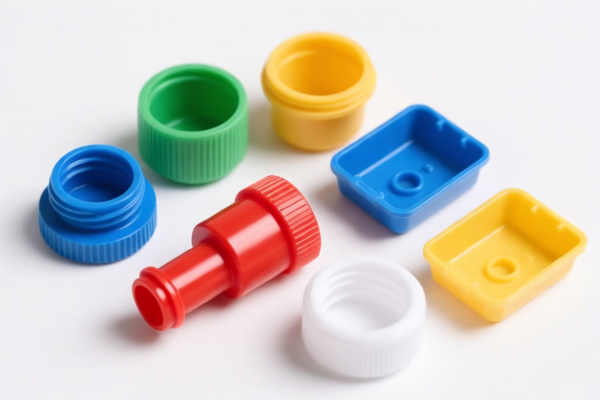
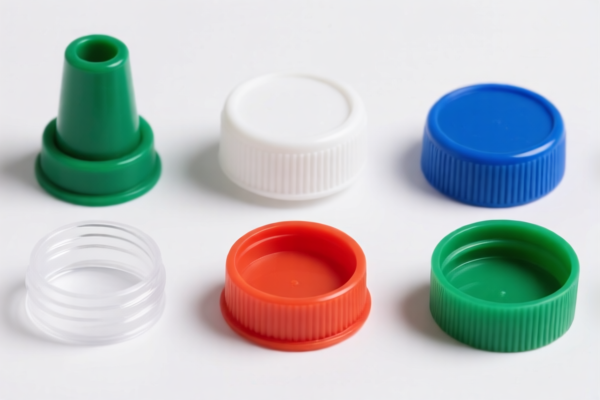
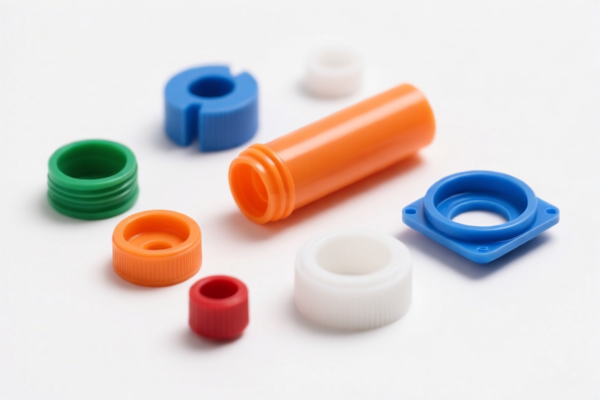
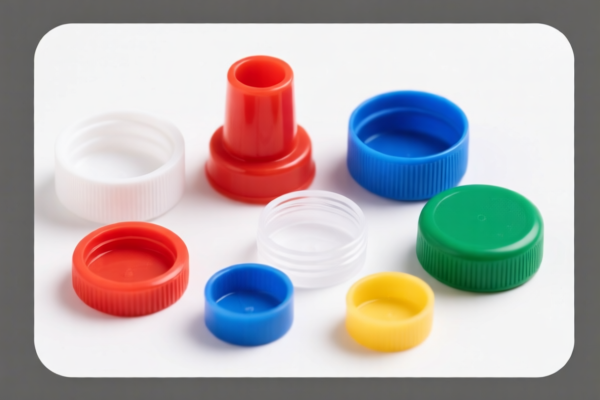
AI Analysis
🚗 Plastic Car Body Parts (Auto Accessories)
🌐 HS Code Reference & Customs Clearance Guide | 2026 Latest Tariff Analysis | Professional Clearance Strategy
📌 Part 1: Product Definition & Classification: What Exactly Are "Plastic Car Body Parts"?
Plastic car body parts are non-structural or structural components made primarily of polymers, used for aesthetic, protective, or functional purposes in vehicle assembly or repair. In international trade, the classification depends heavily on the intended use and specific nature of the part:
A. Toy Model Accessories: If the parts are small-scale replicas intended for toy cars, models, or collectibles, they fall under Chapter 95 (Toys).
B. Real Vehicle Parts: If the parts are intended for full-size automobiles (OEM or aftermarket), they fall under Chapter 87 (Vehicles).
C. Generic Plastic Articles: If they do not fit specific vehicle part definitions or are generic connectors/fasteners, they may fall under Chapter 39 (Plastics).
⚠️ Key Distinction:
- If it looks like a toy and is sold as a toy/accessory → Chapter 95 (Lower Duty)
- If it fits a real car’s bumper, mirror, or interior trim → Chapter 87 (Higher Duty due to Trade Wars)
- If it’s a generic plastic connector/clip without vehicle-specific identity → Chapter 39 (Medium Duty)
📦 Part 2: HS Code Classification Details (2026 Latest Tariff Authority Comparison)
Based on the provided data, here are the four potential HS Codes for "Plastic Car Body Parts" depending on their specific application and form:
| HS Code | Product Description | Application Scenario | Tax Rate | Key Characteristics |
|---|---|---|---|---|
| 9503.00.00.90 | Toy Model Accessories | Parts for plastic model kits, remote control cars, or collectible toy vehicles. | 10.0% | Identified as "accessories" for toys. No automotive structural function. |
| 9503.00.00.73 | Other Toy Articles | General plastic parts classified under "Other toys" if not specifically listed as model accessories. | 10.0% | Broad category for toy-related plastic items. |
| 3926.30.50.00 | Plastic Accessories (Connectors/Fasteners) | Generic plastic connectors, clips, or fasteners used for bodywork but not specific to a single car model's structural integrity. | 22.8% | Classified as "Plastics articles" used for connection/assembly. |
| 3926.90.99.89 | Other Plastic Articles | Generic plastic body parts that don't fit specific accessory or fastener categories. | 22.8% | "Catch-all" for plastic制品零件部件 (parts/accessories). |
| 8708.99.81.80 | Automotive Parts (Plastic) | Real car body parts (e.g., bumpers, trim, mirrors) made of plastic for actual vehicles. | 37.5% | Classified under "Parts and accessories of motor vehicles." Highest tax burden. |
🔍 Critical Note:
- Chapter 95 (Toys): Lowest tax burden (10%). Only applies if the item is explicitly marketed and used as a toy/model accessory.
- Chapter 39 (Plastics): Medium tax burden (22.8%). Applies if the part is a generic plastic component (like a clip, connector, or generic trim piece) without clear automotive part designation.
- Chapter 87 (Vehicles): Highest tax burden (37.5%). Applies if the part is a genuine automotive part for real cars.
💰 Part 3: 2026 Latest Tariff Rate Breakdown (Including Surcharges & Policy Add-ons)
✅ Applicable Country: United States (US)
✅ Origin: China (CN)
✅ Effective Date: November 10, 2025 (and subsequent imports)
🎯 1. 9503.00.00.90 & 9503.00.00.73 — Toy Model Accessories
| Item | Content |
|---|---|
| Base Duty Rate | 0.0% (ad valorem) |
| Section 301 Surcharge | 0.0% (Note: Toy accessories often have lower or zero Section 301 impact compared to auto parts) |
| IEEPA Surcharge (122 Clause) | +10% (For Chinese/HK products, effective Nov 10, 2025) |
| Total Tax Rate | 10.0% |
| Tax Calculation | CIF Value × 10% |
| De Minimis Eligibility | ❌ Not Applicable (High-risk category for scrutiny) |
| Legal Basis Path | IEEPA:9903.01.24 → USITC:9503.00.00.90 → FOOTNOTE:122 Clause |
📌 Explanation:
- These codes benefit from 0% Base Duty and 0% Section 301 Surcharge (based on provided data).
- The only additional cost is the 10% IEEPA Surcharge.
- Total Effective Rate: 10% — This is the most cost-effective classification if the product qualifies as a toy/model accessory.
🎯 2. 3926.30.50.00 & 3926.90.99.89 — Plastic Accessories (Generic)
| Item | Content |
|---|---|
| Base Duty Rate | 5.3% (ad valorem) |
| Section 301 Surcharge | +7.5% |
| IEEPA Surcharge (122 Clause) | +10% |
| Total Tax Rate | 22.8% |
| Tax Calculation | CIF Value × 22.8% |
| De Minimis Eligibility | ❌ Not Applicable |
| Legal Basis Path | IEEPA:9903.01.24 → USITC:3926.30.50.00 → FOOTNOTE:122 Clause |
📌 Explanation:
- Base duty is 5.3%.
- Section 301 adds 7.5%.
- IEEPA adds 10%.
- Total Effective Rate: 22.8%.
- Suitable for generic plastic connectors, clips, or non-specific body trim.
🎯 3. 8708.99.81.80 — Automotive Parts (Plastic)
| Item | Content |
|---|---|
| Base Duty Rate | 2.5% (ad valorem) |
| Section 301 Surcharge | +25.0% (High impact on auto parts) |
| IEEPA Surcharge (122 Clause) | +10% |
| Total Tax Rate | 37.5% |
| Tax Calculation | CIF Value × 37.5% |
| De Minimis Eligibility | ❌ Not Applicable |
| Legal Basis Path | IEEPA:9903.01.24 → USITC:8708.99.81.80 → FOOTNOTE:122 Clause |
📌 Explanation:
- Despite a low base duty of 2.5%, the Section 301 Surcharge of 25% makes this category extremely expensive.
- IEEPA adds another 10%.
- Total Effective Rate: 37.5% — This is the most expensive classification, applicable to genuine automotive body parts.
🛠️ Part 4: Customs Clearance Practical Advice (Real-World Pitfall Avoidance Guide)
✅ 1. Required Documentation Checklist (Non-negotiable)
| Document | Required | Explanation |
|---|---|---|
| ✅ Product Specifications | ✔️ | Must clearly state material (Plastic), usage (Toy vs. Auto), and dimensions. |
| ✅ Product Photos | ✔️ | Show scale: Is it tiny (toy) or large (auto part)? Include scale reference. |
| ✅ Commercial Invoice | ✔️ | Clearly describe the item as "Model Car Accessory" or "Automotive Body Part" to match HS Code. |
| ✅ Packing List | ✔️ | Detail contents to avoid拆分申报 (split declaration) penalties. |
| ✅ Certificate of Origin (CO) | ✔️ | If applicable, to verify origin for tariff calculations. |
| ✅ Test Reports | ✔️ | If claiming toy status, provide ASTM F963 or CPSIA compliance to support "Toy" classification. |
✅ 2. Declaration Strategy (Key Mantra)
🔥 “Toy vs. Auto: Define Use, Define Tax!”
| Scenario | Correct HS Code | Risk if Misdeclared |
|---|---|---|
| Small plastic parts for RC cars/toy kits | 9503.00.00.90 |
Declaring as Auto Part → 37.5% Tax instead of 10% |
| Large plastic bumpers/trim for real cars | 8708.99.81.80 |
Declaring as Toy → High Penalty + Seizure |
| Generic plastic clips/connectors | 3926.30.50.00 |
Declaring as Auto Part → 22.8% vs 37.5% |
📌 Critical Tip:
- If the item is small, lightweight, and sold with a toy car or model kit, always declare under Chapter 95.
- If the item is large, heavy, and fits a real vehicle, you must declare under Chapter 87.
- Never attempt to "downgrade" a real auto part to a toy to save taxes — US Customs will inspect and penalize.
✅ 3. Special Cases & Handling
| Scenario | Handling Advice |
|---|---|
| OEM Custom Auto Parts | Must use 8708.99.81.80. Provide engineering drawings to prove automotive fitment. |
| Aftermarket Body Trim | If not OEM-specific but for real cars, still likely 8708.99.81.80 (37.5%). |
| Scale Model Kits | Use 9503.00.00.90 (10%). Provide "For Collectors/Toys" labeling. |
| Mixed Shipments | If a container has both toys and auto parts, separate declarations are mandatory. Mixing leads to high-risk flags. |
🌍 Part 5: Global Market Customs Comparison (2026 Latest)
| Country/Region | Recommended HS Code | Tariff | Certification | Notes |
|---|---|---|---|---|
| 🇺🇸 USA | 9503.00.00.90 (Toy) |
10% | ASTM F963 | Highest cost for Auto Parts (37.5%) |
| 🇺🇸 USA | 8708.99.81.80 (Auto) |
37.5% | DOT/SAE | Avoid if possible; high trade war impact |
| 🇨🇳 China | 9503.00.00.90 |
0% | CCC | No additional surcharges for toys |
| 🇪🇺 EU | 9503.00.00.90 |
0% | CE | Low tariff for toys |
| 🇪🇺 EU | 8708.99.81.80 |
4.5% | ECE R117 | No Section 301 equivalent |
📌 Conclusion:
- USA is the most challenging market for auto parts due to the 37.5% total tariff.
- Toys/Model Accessories enjoy significantly lower rates (10% in US, 0% in EU/CN).
- Strategy: If your product can be legitimately classified as a "model accessory" or "toy part," do so to save 27.5% in duties.
📌 Part 6: Common Mistakes & Pitfall Guide (Lessons Learned)
❌ Mistake 1: Declaring a real car bumper as "Plastic Accessory" (3926.90.99.89)
👉 Consequence: Customs will classify it as 8708.99.81.80 (37.5%) and charge back-taxes + fines.
❌ Mistake 2: Declaring a toy car wheel as "Auto Part" (8708.99.81.80)
👉 Consequence: You pay 37.5% instead of 10%. Loss of profit!
❌ Mistake 3: Mixing toy accessories and real auto parts in one shipment without clear separation
👉 Consequence: Entire shipment may be held for inspection, leading to delays and storage fees.
❌ Mistake 4: Ignoring the "122 Clause" IEEPA Surcharge
👉 Consequence: Unexpected 10% tax at customs even if base duty is low.
✅ Best Practice:
"Be Specific, Be Accurate. Toy = 10%, Auto = 37.5%. Define Use, Define Tax."
🎯 Part 7: Conclusion: Precision Classification, Cost Efficiency!
🎯 Remember the Mantra:
🔹 "Toy Model? 9503. 10% Tax. Happy Path!"
🔹 "Real Car Part? 8708. 37.5% Tax. High Cost!"
🔹 "Generic Plastic? 3926. 22.8% Tax. Middle Ground!"
🔹 "Misclassification? Penalties, Delays, and Lost Profit!"
📌 Pro Tip:
If your plastic parts are used for both toys and real cars (e.g., universal clips), consult a customs broker to see if they can be classified as Chapter 39 (22.8%) instead of Chapter 87 (37.5%). However, if they are clearly automotive-specific, stick to Chapter 87.
📣 Immediate Action:
📞 Engage a professional customs broker
🖼️ Provide clear photos and usage descriptions
📄 Apply for an Advance Ruling if unsure about HS Code classification
🚀 Clear customs smoothly, reduce costs, and maximize profits!
✨ Professional Clearance Starts with Precise Classification!
💼 Every Cent of Tax is Worth Saving with the Right HS Code!
Customer Reviews
About HS Code Classification
The Harmonized System (HS) is an internationally standardized nomenclature developed by the World Customs Organization (WCO) to classify traded products. Over 200 countries use the HS system as the basis for customs tariffs, trade statistics, and import/export regulations.
Each HS code follows a hierarchical structure:
- Chapter (2 digits) — Broad category of goods (e.g., Chapter 84: Machinery and Mechanical Appliances)
- Heading (4 digits) — More specific grouping within the chapter
- Subheading (6 digits) — Internationally standardized breakdown, used by all WCO member countries
- National subdivisions (8-10 digits) — Country-specific extensions for further classification, such as US HTSUS 10-digit codes
Correct HS code classification is essential for smooth customs clearance, accurate duty payment, and compliance with trade regulations. Misclassification can lead to customs delays, overpayment of duties, or penalties.
When importing from CN to US, the applicable tariff rates may include:
- Most-Favored-Nation (MFN) rate — The standard duty rate applied to WTO members
- General rate — Applied to countries without trade agreements
- Trade remedy duties — Additional tariffs such as Section 301 (anti-dumping), Section 232 (national security), or countervailing duties
The information provided on this page is for reference purposes only. For official classification, please consult with your local customs authority or a licensed customs broker.