Plastic Cement Bag
CN → US| HS Code | Tariff Rate | Origin | Destination | Doc |
|---|---|---|---|---|
| 3923210030 | 38.0% | CN | US | Official Doc |
| 4202929700 | 52.6% | CN | US | Official Doc |
| 4202221500 | 51.0% | CN | US | Official Doc |
Product Images
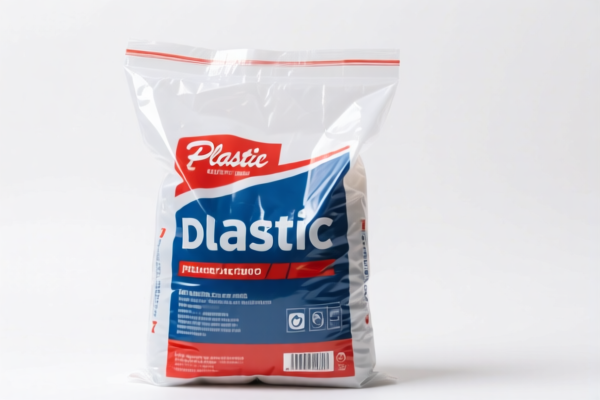
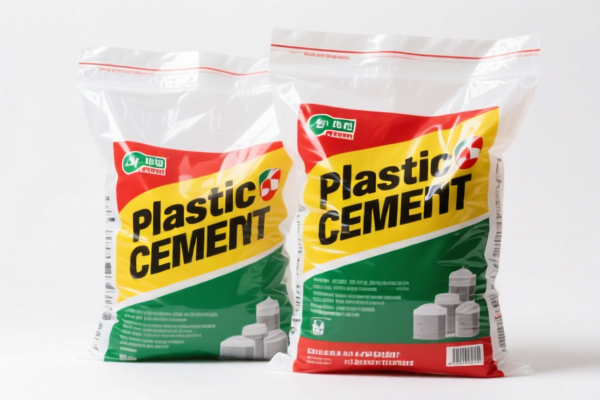
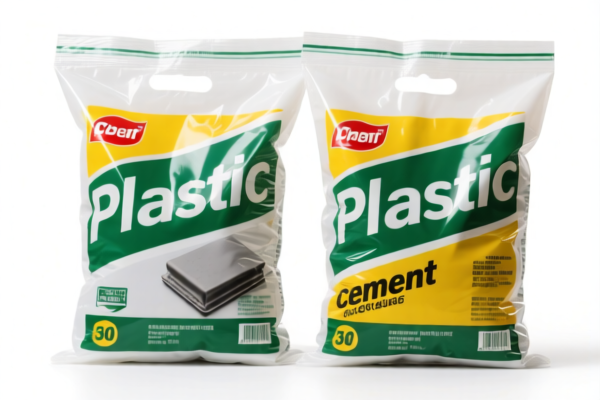
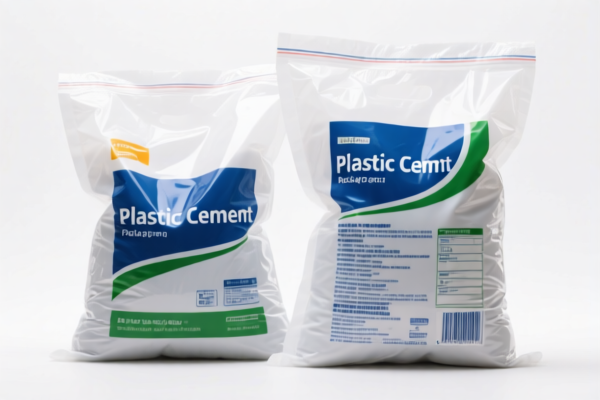
AI Analysis
🎒 Plastic Cement Bag (Packaging Bags for Industrial Use)
🌐 HS Code Reference & Clearance Guide | 2026 Latest Tariff Analysis | Professional Customs Strategy
📌 Part 1: Product Definition & Classification: Do You Really Understand "Plastic Cement Bags"?
Plastic cement bags are industrial packaging solutions primarily designed to hold and transport cement, powder chemicals, or granular materials. In international trade, they are classified based on two critical factors: 1. Material Composition: Specifically Plastic/Polymers (e.g., PP woven, LDPE, HDPE). 2. Form/Function: Specifically Sacks, Bags, or Containers (e.g., sacks, pouches, similar containers).
⚠️ Key Classification Logic: - If the item is a general-purpose plastic sack (like a shopping bag or generic sack) without specific features of a textile bag → It falls under Chapter 39 (Plastics). - If the item has features typical of textile bags but with a plastic outer surface → It may fall under Chapter 42 (Articles of leather; similar materials). - Crucial Distinction: The presence of a "plastic sheet" outer surface vs. pure plastic material changes the HS Code from
3923to4202.
📦 Part 2: HS Code Classification Details (2026 Latest Tariff Authority Comparison)
| HS Code | Product Description | Key Matching Criteria | Total Tax Rate (US-China) |
|---|---|---|---|
3923.21.00.30 |
Sacks and bags (including cones), of plastics, for the packing of goods | Material: Plastic/Polyvinyl polymers. Form: Bags/Sacks. Logic: Classified under "Others" as a fallback for generic plastic packaging. |
38.0% |
4202.92.97.00 |
Sacks and bags, with outer surface of plastics or of textile materials | Material: Outer surface is plastic sheets. Form: Shopping bags, bottle bags, and similar containers. Logic: Fits the description of "bags" made with plastic sheeting. |
52.6% |
4202.22.15.00 |
Handbags, shopping bags, and similar containers | Material: Outer surface is plastic sheets. Form: Handbags/Containers. Logic: Explicitly matches "plastic sheet" outer surface and bag usage attributes. |
51.0% |
🔍 Critical Reminder: -
3923.21.00.30is the most common classification for standard plastic woven sacks used for cement because it treats the item as a pure plastic packing container. -4202codes are used if the bag is marketed or structured more like a "shopping bag" or has a distinct "plastic sheet" finish rather than woven plastic. - Do NOT mix these codes. Misclassification can lead to significant duty discrepancies (38% vs. 52.6%).
💰 Part 3: 2026 Latest Tariff Rate Breakdown (Including Surtaxes & Policy Add-ons)
✅ Applicable Country: United States (US)
✅ Origin: China (CN)
✅ Effective Date: November 10, 2025 (and subsequent imports)
🎯 1. 3923.21.00.30 —— Plastic Sacks and Bags (For Packing Goods)
| Item | Detail |
|---|---|
| Base Tariff | 3.0% (Ad Valorem) |
| Section 301 Surtax | +25.0% |
| Section 122 Tariff | +10.0% |
| Total Tax Rate | 38.0% |
| Calculation Basis | CIF Value × 38.0% |
| De Minimis Eligibility | ❌ No (Deny De Minimis) |
| Legal Authority Path | USITC:3923.21.00.30 → 301:Footnote 9903.02 → 122:Section 122 |
📌 Explanation: - This code is considered "general plastic packaging." - The 25% Section 301 tax applies to most Chinese plastic products. - The 10% Section 122 tax applies to imports that undermine domestic manufacturing (often applies to plastic sacks). - Total Cost Impact: High. Importers must budget for nearly 40% duty.
🎯 2. 4202.92.97.00 —— Sacks and Bags (Plastic/Textile Outer Surface)
| Item | Detail |
|---|---|
| Base Tariff | 17.6% (Ad Valorem) |
| Section 301 Surtax | +25.0% |
| Section 122 Tariff | +10.0% |
| Total Tax Rate | 52.6% |
| Calculation Basis | CIF Value × 52.6% |
| De Minimis Eligibility | ❌ No (Deny De Minimis) |
| Legal Authority Path | USITC:4202.92.97.00 → 301:Footnote 9903.02 → 122:Section 122 |
📌 Explanation: - The higher base tariff (17.6%) reflects its classification under Chapter 42 (Articles of leather/plastic sheeting), which is taxed more heavily than pure plastic packaging (Chapter 39). - This rate is 14.6% higher than the
3923classification. - Risk: If customs determines your "cement bag" is actually a "plastic sheet bag" (shopping-style), this higher rate applies.
🎯 3. 4202.22.15.00 —— Handbags/Shopping Bags (Plastic Sheet Outer)
| Item | Detail |
|---|---|
| Base Tariff | 16.0% (Ad Valorem) |
| Section 301 Surtax | +25.0% |
| Section 122 Tariff | +10.0% |
| Total Tax Rate | 51.0% |
| Calculation Basis | CIF Value × 51.0% |
| De Minimis Eligibility | ❌ No (Deny De Minimis) |
| Legal Authority Path | USITC:4202.22.15.00 → 301:Footnote 9903.02 → 122:Section 122 |
📌 Explanation: - Slightly lower base tariff (16.0%) than
4202.92.97.00, but still significantly higher than3923. - Applies if the bag is explicitly designed as a "handbag" or "shopping bag" style, even if used for industrial bulk goods.
🛠️ Part 4: Customs Clearance Practical Advice (Real-World Pitfall Guide)
✅ 1. Documentation Checklist (Must-Have)
| Document | Required | Explanation |
|---|---|---|
| ✅ Product Specification Sheet | ✔️ | Must specify: Material (PP/PE), Weave Density, Lamination Type, Dimensions. |
| ✅ Product Photos | ✔️ | Clear images showing the bag structure (woven vs. sheet). |
| ✅ Commercial Invoice | ✔️ | Description must be precise: "Plastic Woven Sack for Cement" vs. "Plastic Bag." |
| ✅ Packing List | ✔️ | Weight per bag, bags per pallet. |
| ✅ Certificate of Origin | ✔️ | To prove CN origin (critical for surtax application). |
✅ 2. Declaration Strategy (Key Tips)
🔥 “Material Matters: Woven vs. Sheet, Code Changes Everything!”
| Scenario | Recommended HS Code | Reason |
|---|---|---|
| Standard Cement Sack (Woven PP/PE, no plastic coating or simple lamination) | 3923.21.00.30 |
Classified as pure plastic packaging. Lowest base tax. |
| Bag with Plastic Sheet Outer (Non-woven, film-coated, looks like a shopping bag) | 4202.92.97.00 |
Classified as "articles of plastic sheet." Higher base tax. |
| Retail-Style Plastic Bag (Even if used for bulk) | 4202.22.15.00 |
Classified as shopping/handbag type. High base tax. |
📌 Warning: - Do NOT declare a cement bag as "Plastic Bag" (
3923) if it has a visible plastic sheet structure. Customs may reclassify it to4202, resulting in a 14-15% duty increase + penalties. - Do NOT declare a woven sack as4202if it is clearly a plastic packing sack. You will overpay duties unnecessarily.
✅ 3. Special Cases
| Situation | Handling Advice |
|---|---|
| Reusable Plastic Bags | If marketed as "reusable," customs may lean toward 4202. Be cautious. |
| Bags with Printing | Printing does not change HS Code. Focus on material and form. |
| Mixed Shipments | If shipping both 3923 and 4202 items, declare separately. Do not blend. |
🌍 Part 5: Global Market Clearance Comparison (2026)
| Country/Region | Recommended HS Code | Tariff (China Origin) | Certification Req. | Notes |
|---|---|---|---|---|
| 🇺🇸 USA | 3923.21.00.30 |
38.0% | N/A | High surtax (301+122). |
| 🇨🇳 China | 3923.21.00.30 |
5.0% | N/A | Low entry tax. |
| 🇪🇺 EU | 3923.29 |
6.5% | REACH | Standard packaging duty. |
| 🇬🇧 UK | 3923.29 |
5.0% | UKCA | Post-Brexit rules. |
| 🇦🇺 Australia | 3923.29 |
5.0% | N/A | Low duty. |
📌 Conclusion: - USA is the most expensive market due to Section 301 and Section 122 tariffs. - Correct classification is critical: A 14.6% difference between
3923and4202can wipe out profit margins.
📌 Part 6: Common Mistakes & Pitfalls (Lessons Learned)
❌ Mistake 1: Calling a woven plastic sack a "Plastic Bag" without specifying "Woven."
👉 Consequence: Customs may classify it as 4202 (plastic sheet article) → +14.6% higher duty.
❌ Mistake 2: Using "Shopping Bag" description for industrial cement sacks. 👉 Consequence: Misleading declaration → Customs Audit/Delay.
❌ Mistake 3: Ignoring Section 122 Tariff. 👉 Consequence: Budgeting only for 25% (301) but paying 38% total → Unexpected Cost Overrun.
✅ Correct Practice:
"Polypropylene Woven Sack, 50kg Capacity, Unlined, for Industrial Cement Packing, Made in China"
🎯 Part 7: Conclusion: Professional Declaration Saves Money!
🎯 Remember:
🔹 "Woven Plastic = 3923 (38%) | Plastic Sheet = 4202 (51-52%)" 🔹 "One percentage point difference can cost thousands. Define material accurately!"
📌 Tips:
- If your bags are exported to non-US markets, the duty is much lower (5-6%).
- For US imports, consider applying for an Exclude (if applicable) or exploring Supply Chain Diversification (Vietnam/Mexico) to mitigate 301+122 tariffs.
📣 Immediate Action:
📞 Consult a licensed customs broker. 📤 Provide clear product specs. 🚀 Ensure your invoice matches the HS Code logic (Material + Form).
✨ Professional clearance starts with precise classification! 💼 Your profit margin depends on accurate duty calculation!
Customer Reviews
About HS Code Classification
The Harmonized System (HS) is an internationally standardized nomenclature developed by the World Customs Organization (WCO) to classify traded products. Over 200 countries use the HS system as the basis for customs tariffs, trade statistics, and import/export regulations.
Each HS code follows a hierarchical structure:
- Chapter (2 digits) — Broad category of goods (e.g., Chapter 84: Machinery and Mechanical Appliances)
- Heading (4 digits) — More specific grouping within the chapter
- Subheading (6 digits) — Internationally standardized breakdown, used by all WCO member countries
- National subdivisions (8-10 digits) — Country-specific extensions for further classification, such as US HTSUS 10-digit codes
Correct HS code classification is essential for smooth customs clearance, accurate duty payment, and compliance with trade regulations. Misclassification can lead to customs delays, overpayment of duties, or penalties.
When importing from CN to US, the applicable tariff rates may include:
- Most-Favored-Nation (MFN) rate — The standard duty rate applied to WTO members
- General rate — Applied to countries without trade agreements
- Trade remedy duties — Additional tariffs such as Section 301 (anti-dumping), Section 232 (national security), or countervailing duties
The information provided on this page is for reference purposes only. For official classification, please consult with your local customs authority or a licensed customs broker.