Plastic Cleaning Supplies
CN → US| HS Code | Tariff Rate | Origin | Destination | Doc |
|---|---|---|---|---|
| 3924104000 | 13.4% | CN | US | Official Doc |
| 3924905650 | 20.9% | CN | US | Official Doc |
| 9603908050 | 70.3% | CN | US | Official Doc |
| 9603908040 | 20.3% | CN | US | Official Doc |
| 3926901000 | 20.9% | CN | US | Official Doc |
Product Images


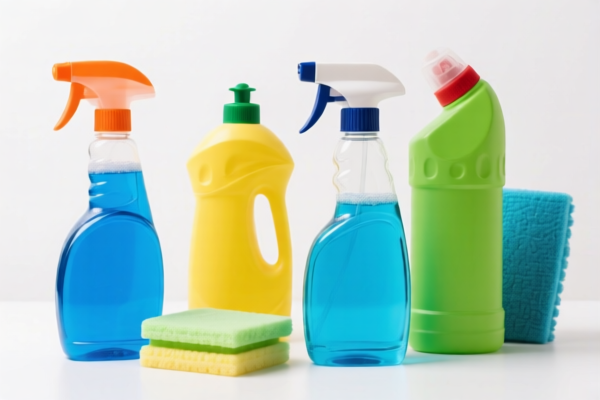

AI Analysis
🧼 Plastic Cleaning Supplies (Household & Industrial)
🌐 HS Code Reference & Customs Clearance Guide | 2026 Latest Tariff Analysis | Professional通关 Strategy
📌 I. Product Definition & Classification: Do You Really Know "Plastic Cleaning Supplies"?
Plastic cleaning supplies refer to household or industrial cleaning tools and containers made primarily of plastic. In international trade, they are broadly categorized into two groups:
Household Sanitary/Plastic Goods (Plastic Articles of Tableware/Kitchenware/Household): Items like plastic mops, sponges, scrubbers, or cleaning buckets that are considered general household items.
Cleaning Implements (Brooms, Brushes, Mops): Items specifically designed for sweeping, brushing, or mopping floors/surfaces, regardless of whether the bristles are natural or synthetic/plastic.
⚠️ Key Distinction Point:
- If the item is a container, bucket, or general plastic tool not specifically a brush/broom → Classified under Chapter 39 (Plastics)
- If the item is a sweeping tool, brush, or mop → Classified under Chapter 96 (Miscellaneous Manufactured Articles)
📦 II. HS Code Classification Details (2026 Latest Tariff Authority Comparison)
| HS Code | Product Description | Application Scenario | Tax Rate (Total) | Tax Composition Detail |
|---|---|---|---|---|
3924.10.40.00 |
Plastic cleaning articles, classified as other household sanitary supplies | Plastic mops, sponges, general plastic cleaning tools | 13.4% | Base: 3.4% + Section 122: 10% |
3924.90.56.50 |
Plastic cleaning articles, classified as other household sanitary supplies | General plastic cleaning items (non-specific) | 20.9% | Base: 3.4% + Section 301: 7.5% + Section 122: 10% |
9603.90.80.50 |
Plastic cleaning articles, classified as other cleaning implements (Steel/Aluminum/Copper components included) | Brushes/tools with metal parts or specific industrial cleaning tools | 70.3% | Base: 2.8% + Section 301: 7.5% + Section 122: 10% + Steel/Al/Cu Add-on: 50% |
9603.90.80.40 |
Plastic cleaning articles, classified as other brooms | Plastic brooms, generic sweeping tools | 20.3% | Base: 2.8% + Section 301: 7.5% + Section 122: 10% |
3926.90.10.00 |
Plastic cleaning articles, classified as other plastic articles | General plastic cleaning accessories not elsewhere specified | 20.9% | Base: 3.4% + Section 301: 7.5% + Section 122: 10% |
🔍 Key Reminder:
- Chapter 96 items (brushes/brooms) generally attract a lower base tariff (2.8%) but are still subject to trade war surcharges. - Chapter 39 items (general plastic goods) have a higher base tariff (3.4%). - Critical Warning: If the cleaning tool contains steel, aluminum, or copper components (e.g., metal-frame brushes), it triggers an additional 50% tariff, pushing the total to 70.3% (9603.90.80.50). Avoid this if possible!
💰 III. 2026 Latest Tariff Rate Breakdown (Including Add-ons & Policy Surcharges)
✅ Applicable Country: United States (US)
✅ Origin: China (CN)
✅ Effective Time: Current Trade Policy (2025-2026)
🎯 1. 3924.10.40.00 —— Plastic Cleaning Articles (Household/Sanitary) – Lowest Risk
| Item | Content |
|---|---|
| Base Tariff | 3.4% |
| Section 122 Tariff | +10% |
| Section 301 Tariff | 0% (Not applicable for this subheading) |
| Total Rate | 13.4% |
| Tax Calculation | CIF Value × 13.4% |
| De Minimis Eligibility | ❌ No (Denied under current trade rules for China origin) |
| Legal Basis Path | HTSUS:3924.10.40.00 → Section 122: 10% |
📌 Explanation:
- This code benefits from exemption from Section 301 tariffs (the 7.5%-25% trade war tariffs), which is why it is significantly cheaper. - Section 122 imposes a 10% ad valorem duty on certain imports to protect domestic manufacturing. - Total: 13.4% is the most cost-effective option for plastic cleaning goods.
🎯 2. 3924.90.56.50 & 3926.90.10.00 —— Other Plastic Household/General Articles
| Item | Content |
|---|---|
| Base Tariff | 3.4% |
| Section 301 Tariff | +7.5% |
| Section 122 Tariff | +10% |
| Total Rate | 20.9% |
| Tax Calculation | CIF Value × 20.9% |
| De Minimis Eligibility | ❌ No |
| Legal Basis Path | HTSUS:3924.90.56.50 / 3926.90.10.00 → Section 301: 7.5% + Section 122: 10% |
📌 Note:
- These codes are "catch-all" for plastic cleaning items not specified elsewhere. - They are subject to both Section 301 and Section 122 tariffs. - If you can clearly define your product as "Household Sanitary" (3924.10.40.00), you save 7.5%.
🎯 3. 9603.90.80.40 —— Other Brooms (Plastic Brooms)
| Item | Content |
|---|---|
| Base Tariff | 2.8% |
| Section 301 Tariff | +7.5% |
| Section 122 Tariff | +10% |
| Total Rate | 20.3% |
| Tax Calculation | CIF Value × 20.3% |
| De Minimis Eligibility | ❌ No |
| Legal Basis Path | HTSUS:9603.90.80.40 → Section 301: 7.5% + Section 122: 10% |
📌 Note:
- Although the base tariff is lower (2.8% vs 3.4%), the total is slightly lower than3924.90.56.50(20.3% vs 20.9%). - Only use this if the item is clearly a "Broom" (for sweeping floors). If it’s a mop or sponge, do not use this code.
🎯 4. 9603.90.80.50 —— Cleaning Implements (With Metal Components) – HIGH RISK
| Item | Content |
|---|---|
| Base Tariff | 2.8% |
| Section 301 Tariff | +7.5% |
| Section 122 Tariff | +10% |
| Steel/Al/Cu Add-on | +50% |
| Total Rate | 70.3% |
| Tax Calculation | CIF Value × 70.3% |
| De Minimis Eligibility | ❌ No |
| Legal Basis Path | HTSUS:9603.90.80.50 → Section 301: 7.5% + Section 122: 10% + Section 232/Steel: 50% |
📌 WARNING:
- If your plastic cleaning tool has any steel, aluminum, or copper part (e.g., a metal clamp, wire bristles, or metal frame), it may be classified here. - 70.3% is prohibitively expensive. Always ensure products are 100% plastic or use non-ferrous/non-metallic alternatives if possible.
🛠️ IV. Customs Clearance Practical Advice (Pitfall Avoidance Guide)
✅ 1. Preparation Checklist (Missing items = Delay)
| Material | Required? | Explanation |
|---|---|---|
| ✅ Product Spec Sheet | ✔️ | Material composition (100% plastic vs. mixed), dimensions, use case |
| ✅ Product Photos | ✔️ | Clear view of the item, showing no metal parts if claiming 3924 or 9603.80.40 |
| ✅ Commercial Invoice | ✔️ | Accurate description: e.g., "Plastic Broom" vs. "Plastic Cleaning Tool" |
| ✅ Packing List | ✔️ | Weight, quantity, packaging details |
| ✅ Certificate of Origin | ✔️ | To verify China origin and apply correct trade war tariffs |
✅ 2. Declaration Tips (Key Mnemonic)
🔥 "Pure Plastic Saves 7.5%, Metal Brings 50%, Brooms are 2.8%, Sponges are Household!"
| Scenario | Correct HS Code | Why? |
|---|---|---|
| Plastic Broom (No metal) | 9603.90.80.40 |
Clearly a "Broom" → Base 2.8% |
| Plastic Mop/Sponge/Bucket | 3924.10.40.00 |
"Household Sanitary" → No Sec 301 |
| General Plastic Cleaner | 3924.90.56.50 or 3926.90.10.00 |
Catch-all → Sec 301 applies |
| Brush with Metal Wire/Frame | 9603.90.80.50 |
AVOID → 50% Metal surcharge! |
✅ 3. Special Cases
| Situation | Handling Advice |
|---|---|
| Mixed Material Tools | If >50% plastic but has minor metal parts, consult a customs broker. Misclassification can lead to 70.3% rate. |
| "Scrubber" vs. "Brush" | Scrubbers (sponges/abrasive pads) often fall under 3924. Brushes fall under 9603. Define precisely. |
| Set Kits | If a set includes a broom and a dustpan, the entire set may be classified under the primary item (e.g., Broom 9603). Do not split unless required. |
🌍 V. Global Market Comparison (2026 Latest)
| Country/Region | Recommended HS Code | Tariff (China Origin) | Notes |
|---|---|---|---|
| 🇺🇸 USA | 3924.10.40.00 |
13.4% | Best rate for plastic household items. Avoid metal components. |
| 🇪🇺 EU | Varies (e.g., 3924.10) | ~0-4% | No Section 301/122 tariffs. Lower base duties. |
| 🇨🇳 China | N/A (Export) | Varies | Export rebates may apply. |
| 🇬🇧 UK | N/A | ~0-5% | Post-Brexit tariff schedule. Lower than US. |
📌 Conclusion:
- The US market is the most expensive due to Section 301 and Section 122 tariffs. - Optimization Strategy: Ensure products are pure plastic and clearly categorized as "Household Sanitary" (3924.10.40.00) to minimize the 13.4% rate. Avoid9603.90.80.50at all costs.
📌 VI. Common Errors & Pitfalls (Lessons Learned)
❌ Error 1: Declaring a plastic broom with a metal handle as 3924.10.40.00
👉 Consequence: Customs may reclassify as 9603.90.80.50 → 70.3% tariff + Penalties.
❌ Error 2: Using "Cleaning Tool" as a generic description for 9603.90.80.40
👉 Consequence: If it’s not a broom (e.g., it’s a mop), it may be reclassified to 3924.90.56.50 → 20.9% tariff instead of 20.3% (minor difference, but accuracy matters).
❌ Error 3: Ignoring Section 122 for all plastic goods
👉 Consequence: All plastic cleaning imports from China are subject to 10% Section 122. Plan cash flow accordingly.
✅ Correct Declaration Example:
"Plastic Broom, 100% PP Plastic, No Metal Parts, Household Use" →
9603.90.80.40
"Plastic Cleaning Sponge, Household Use, 100% Plastic" →3924.10.40.00
🎯 VII. Conclusion: Precision Classification for Profit Maximization
🎯 Remember the Mnemonic:
🔹 "Pure Plastic, Household, 13.4%. Broom, 20.3%. Metal? 70.3%!"
🔹 "Don't mix metal with plastic cleaning tools!"
📌 Pro Tip:
If your product is a set (e.g., broom + dustpan), ensure the primary function dictates the HS Code. If it’s primarily a broom, use 9603.90.80.40.
Consider design changes to eliminate metal components to avoid the 50% surcharge.
📣 Immediate Action:
📞 Consult a Customs Broker for pre-classification of mixed-material items.
🚀 Optimize Product Design to stay within "100% Plastic" categories for lower tariffs.
✨ Professional Clearance Starts with Accurate Classification!
💼 Every Percentage Point of Tariff Saves Your Bottom Line!
Customer Reviews
About HS Code Classification
The Harmonized System (HS) is an internationally standardized nomenclature developed by the World Customs Organization (WCO) to classify traded products. Over 200 countries use the HS system as the basis for customs tariffs, trade statistics, and import/export regulations.
Each HS code follows a hierarchical structure:
- Chapter (2 digits) — Broad category of goods (e.g., Chapter 84: Machinery and Mechanical Appliances)
- Heading (4 digits) — More specific grouping within the chapter
- Subheading (6 digits) — Internationally standardized breakdown, used by all WCO member countries
- National subdivisions (8-10 digits) — Country-specific extensions for further classification, such as US HTSUS 10-digit codes
Correct HS code classification is essential for smooth customs clearance, accurate duty payment, and compliance with trade regulations. Misclassification can lead to customs delays, overpayment of duties, or penalties.
When importing from CN to US, the applicable tariff rates may include:
- Most-Favored-Nation (MFN) rate — The standard duty rate applied to WTO members
- General rate — Applied to countries without trade agreements
- Trade remedy duties — Additional tariffs such as Section 301 (anti-dumping), Section 232 (national security), or countervailing duties
The information provided on this page is for reference purposes only. For official classification, please consult with your local customs authority or a licensed customs broker.