Plastic Coated Gardening Suit
CN → US| HS Code | Tariff Rate | Origin | Destination | Doc |
|---|---|---|---|---|
| 3924905650 | 20.9% | CN | US | Official Doc |
| 3924104000 | 13.4% | CN | US | Official Doc |
| 6702104000 | 13.4% | CN | US | Official Doc |
| 6702102000 | 18.4% | CN | US | Official Doc |
| 3926400090 | 15.3% | CN | US | Official Doc |
Product Images
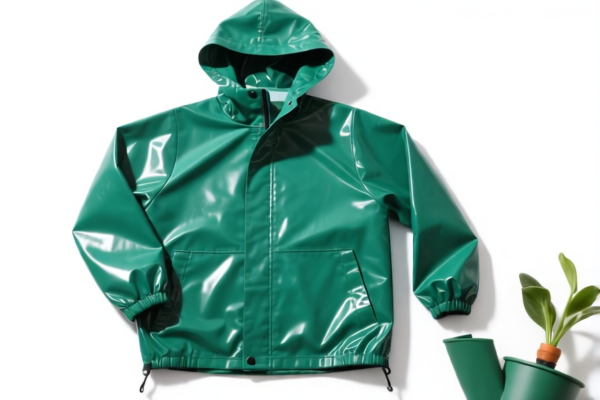
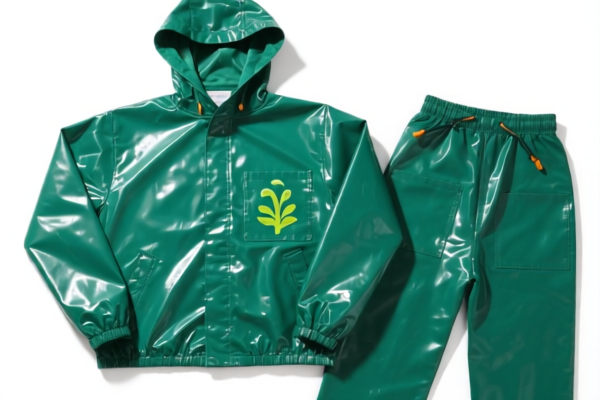
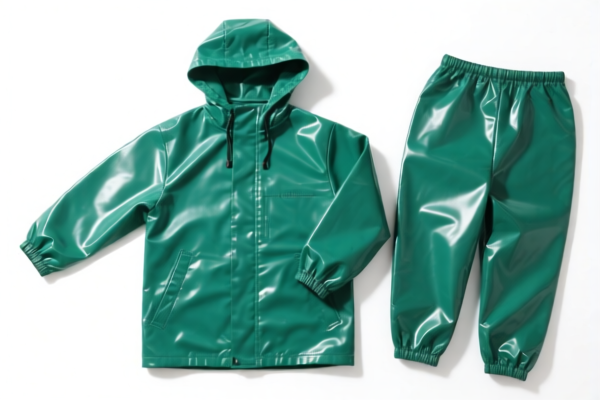
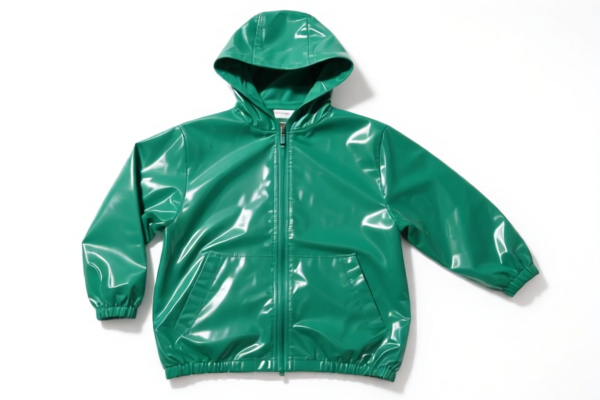
AI Analysis
🌿 Plastic Coated Gardening Suit (Waterproof Protective Clothing)
🌐 HS Code Reference & Customs Clearance Guide | 2026 Latest Tariff Analysis | Specialized Clearance Strategy 📌 I. Product Definition & Classification: What Exactly is a "Plastic Coated Gardening Suit"?
A plastic-coated gardening suit is a protective garment designed to shield the wearer from dirt, moisture, and chemicals during outdoor activities. In international trade, the classification depends heavily on the primary material and the specific use case. However, based on the provided <DATA>, we are looking at specific sub-categories of plastic articles used for household, decorative, or floral arrangements, rather than generic industrial rainwear (which would typically fall under Chapter 62 or 61).
The classification in <DATA> suggests these are likely:
1. Plastic Household Items: If the "suit" is actually a plastic apron, cover-all, or protective sheet used for home gardening/cleaning.
2. Artificial Plant Components: If the "suit" is part of an artificial floral arrangement or decoration.
⚠️ Critical Distinction: - If it is a generic waterproof raincoat for humans → It usually falls under 6210 (Garments made of textile materials impregnated with rubber, plastics, etc.). This is NOT in your provided data. - The provided
<DATA>focuses on Plastic Articles (Chapter 39) and Artificial Flowers (Chapter 67). Therefore, we must interpret "Plastic Coated Gardening Suit" within the context of plastic household goods or artificial plant accessories as per the source data.
📦 II. HS Code Classification Details (Based on Provided <DATA>)
| HS Code | Product Description (Summary) | Applicable Scenario | Tax Rate (Total) |
|---|---|---|---|
3924.90.56.50 |
Plastic Material, Household Items | Plastic gardening aprons, coveralls, or protective covers used in household/domestic gardening contexts. | 20.9% |
3924.10.40.00 |
Plastic Material, Household Items (Pot Plant Sets) | Specifically for potting sets, plastic trays, or covers associated with plant pots. | 13.4% |
6702.10.40.00 |
Plastic Material, Artificial Flowers, Leaves, Fruits | Parts or assemblies of artificial plants (if the "suit" is a decorative cover for artificial greenery). | 13.4% |
6702.10.20.00 |
Plastic Material, Artificial Flowers/Leaves/Fruits (Composite Forms) | Composite applications of artificial plant parts (e.g., plastic-wrapped artificial stems in a suit-like configuration). | 18.4% |
3926.40.00.90 |
Plastic Material, Decorations | Plastic decorative items used in gardening (e.g., plastic plant covers, decorative shields). | 15.3% |
🔍 Key Insight: - The 20.9% rate (
3924.90.56.50) is the most likely fit for a general "plastic gardening suit" interpreted as a household plastic item. - If the item is specifically for pots (3924.10.40.00), the rate drops to 13.4%. - If the item is decorative/artificial, rates vary between 13.4% - 18.4%.
💰 III. 2026 Latest Tariff Rate Breakdown (Including Surtaxes)
✅ Applicable Country: United States (US) ✅ Country of Origin: China (CN) ✅ Effective Date: Ongoing (Subject to Section 301 & 122 Clause adjustments)
🎯 1. 3924.90.56.50 —— Plastic Material, Household Items
Most relevant for general plastic gardening covers/aprons.
| Item | Detail |
|---|---|
| Base Tariff | 3.4% (General Ad Valorem) |
| Section 301 Surtax | 7.5% (Specific to this sub-heading) |
| Section 122 Tariff | 10% (Additional surtax) |
| Total Tax Rate | 20.9% |
| Tax Calculation | CIF Value × 20.9% |
| De Minimis Exemption | ❌ Not Eligible (High tariff rates typically exclude small packages from de minimis benefits) |
| Legal Basis Path | HTSUS:3924.90.56.50 → Section 301: 7.5% → Section 122: 10% |
📌 Explanation: - Base 3.4%: Standard US import duty for plastic household articles. - Section 301 (7.5%): Targeted tariff on Chinese plastic goods. - Section 122 (10%): Recent additional tariff imposed on specific categories of Chinese imports. - Total 20.9%: A significant cost factor that must be included in landed cost calculations.
🎯 2. 3924.10.40.00 —— Plastic Material, Household Items (Pot Plant Sets)
Relevant if the suit is specifically designed for potted plants.
| Item | Detail |
|---|---|
| Base Tariff | 3.4% |
| Section 301 Surtax | 0.0% |
| Section 122 Tariff | 10% |
| Total Tax Rate | 13.4% |
| Tax Calculation | CIF Value × 13.4% |
| De Minimis Exemption | ❌ Not Eligible |
| Legal Basis Path | HTSUS:3924.10.40.00 → Section 122: 10% |
📌 Key Advantage: - Lower Surtax: Unlike
3924.90.56.50, this code does not have the 7.5% Section 301 surtax. - Savings: 7.5% lower total tax burden compared to the general household code.
🎯 3. 6702.10.40.00 —— Plastic Material, Artificial Flowers, Leaves, Fruits
Relevant if the "suit" is part of an artificial plant display.
| Item | Detail |
|---|---|
| Base Tariff | 3.4% |
| Section 301 Surtax | 0.0% |
| Section 122 Tariff | 10% |
| Total Tax Rate | 13.4% |
| Tax Calculation | CIF Value × 13.4% |
📌 Note: Same tax structure as Pot Plant Sets. Critical for accurate product description to avoid misclassification.
🎯 4. 6702.10.20.00 —— Plastic Material, Artificial Flowers/Leaves/Fruits (Composite)
| Item | Detail |
|---|---|
| Base Tariff | 8.4% |
| Section 301 Surtax | 0.0% |
| Section 122 Tariff | 10% |
| Total Tax Rate | 18.4% |
| Tax Calculation | CIF Value × 18.4% |
📌 Higher Base Duty: The base duty is higher (8.4% vs 3.4%), making this less favorable than
6702.10.40.00unless the product structure specifically requires this code.
🎯 5. 3926.40.00.90 —— Plastic Material, Decorations
| Item | Detail |
|---|---|
| Base Tariff | 5.3% |
| Section 301 Surtax | 0.0% |
| Section 122 Tariff | 10% |
| Total Tax Rate | 15.3% |
| Tax Calculation | CIF Value × 15.3% |
📌 Middle Ground: Higher base duty than household items, but no Section 301 surtax. Useful if the product is marketed purely as a "garden decoration" rather than a functional household item.
🛠️ IV. Customs Clearance Practical Advice (Avoiding Pitfalls)
✅ 1. Preparation Checklist (Must-Haves)
| Document | Required | Notes |
|---|---|---|
| Product Specifications | ✔️ | Detail materials (e.g., "Polyethylene coated nylon" vs. "Pure Plastic"). |
| Product Photos | ✔️ | Show the "suit" in context (e.g., worn by a person vs. covering a pot). |
| Commercial Invoice | ✔️ | Clearly state "Plastic Gardening Apron/Cover" and HS Code. |
| Country of Origin Certificate | ✔️ | Essential for proving China origin (triggers Section 301/122). |
| Usage Description | ✔️ | Specify if it's for household gardening (3924) or artificial plants (6702). |
✅ 2. Declaration Strategy (Key Mnemonic)
🔥 "Function Dictates Code, Origin Dictates Tax!"
| Scenario | Recommended HS Code | Reason |
|---|---|---|
| Plastic Apron/Cover for Gardening | 3924.90.56.50 |
Classified as "Household Item." Most common for "suits." |
| Cover for Potted Plants | 3924.10.40.00 |
Specific to "Pot Plant Sets," saving 7.5% in surtax. |
| Decorative Plastic Plant Cover | 3926.40.00.90 |
If used for aesthetics rather than function. |
| Part of Artificial Plant | 6702.10.40.00 |
If it's a component of an artificial floral arrangement. |
⚠️ Warning: - Do NOT declare as "Raincoat" (6210) if it's primarily plastic. If misclassified, customs may reclassify it, leading to penalties and back taxes. - Do NOT split the shipment into "plastic parts" and "textile parts" if it's a unified product. Declare as a single unit.
✅ 3. Special Circumstances
| Situation | Handling Advice |
|---|---|
| OEM Custom Suits | Provide design drawings to prove it's a "household item" and not a generic garment. |
| Mixed Materials | If >50% plastic, Chapter 39 applies. If >50% textile, Chapter 62 applies (not in data). |
| Sample Shipments | Even samples are subject to full tariff. No de minimis exemption for high-tariff goods. |
| Warehousing in US | Consider entering through a Foreign Trade Zone (FTZ) to defer duties if resale is uncertain. |
🌍 V. Global Market Comparison (2026 Latest)
| Country/Region | Recommended HS Code | Tariff (China Origin) | Certifications | Notes |
|---|---|---|---|---|
| 🇺🇸 USA | 3924.90.56.50 |
20.9% (2026) | FDA (if food contact), Prop 65 | High due to Section 301 & 122 |
| 🇨🇳 China | 3924.90.56.50 |
8% | CCC (if applicable) | No Section 301/122 |
| 🇪🇺 EU | 3924.90.56.50 |
4.5% + VAT | CE, REACH | No Section 301/122 equivalent |
| 🇬🇧 UK | 3924.90.56.50 |
4.5% + VAT | UKCA | Post-Brexit alignment with EU |
📌 Conclusion: - The USA is the most expensive market due to Section 301 and Section 122 tariffs. - Section 122 (10%) is a recent addition that significantly impacts plastic goods. - Optimization: If possible, classify under
3924.10.40.00(Pot Plant Sets) to avoid the 7.5% Section 301 surtax, saving 7.5% total.
📌 VI. Common Mistakes & Pitfalls (Lessons Learned)
❌ Mistake 1: Declaring a plastic gardening apron as "Textile Rainwear" (6210).
👉 Consequence: Misclassification. Customs will reclassify to 3924, charging 20.9% instead of 4.5-8%, plus penalties.
❌ Mistake 2: Ignoring Section 122 Tariff. 👉 Consequence: Underpayment. The 10% Section 122 tariff is often overlooked. Total tax is 20.9%, not 10.9%.
❌ Mistake 3: Using "Plastic Suit" as the product name without context. 👉 Consequence: Customs may detain the shipment for unclear classification. Always specify "Household Item" or "Pot Plant Cover".
✅ Correct Practice:
"Plastic Coated Gardening Apron, Household Use, 100% Polyethylene, Model XYZ, HS Code: 3924.90.56.50"
🎯 VII. Conclusion: Professional Declaration, Cost Saving, Efficiency!
🎯 Remember the Key Points:
🔹 "Function Determines Code: Household vs. Pot vs. Decor." 🔹 "USA Tariff is High: 20.9% Total (3.4 Base + 7.5 Sec 301 + 10 Sec 122)." 🔹 "Optimize by Choosing
3924.10.40.00if applicable: Saves 7.5% in Surtax."
📌 Pro Tip:
If you are importing large volumes, consider Advance Ruling (IS Ruling) from CBP to confirm the HS Code. This provides legal certainty and avoids sudden duty increases.
📣 Immediate Action:
📞 Consult with a licensed customs broker + Provide Product Images + Apply for Section 301 Exclusions (if eligible) or Advance Ruling. 🚀 Ensure your "Plastic Coated Gardening Suit" clears customs smoothly, minimizing costs and maximizing profit!
✨ Professional Clearance Starts with Accurate Classification! 💼 Every Percent Counts in International Trade!
Customer Reviews
About HS Code Classification
The Harmonized System (HS) is an internationally standardized nomenclature developed by the World Customs Organization (WCO) to classify traded products. Over 200 countries use the HS system as the basis for customs tariffs, trade statistics, and import/export regulations.
Each HS code follows a hierarchical structure:
- Chapter (2 digits) — Broad category of goods (e.g., Chapter 84: Machinery and Mechanical Appliances)
- Heading (4 digits) — More specific grouping within the chapter
- Subheading (6 digits) — Internationally standardized breakdown, used by all WCO member countries
- National subdivisions (8-10 digits) — Country-specific extensions for further classification, such as US HTSUS 10-digit codes
Correct HS code classification is essential for smooth customs clearance, accurate duty payment, and compliance with trade regulations. Misclassification can lead to customs delays, overpayment of duties, or penalties.
When importing from CN to US, the applicable tariff rates may include:
- Most-Favored-Nation (MFN) rate — The standard duty rate applied to WTO members
- General rate — Applied to countries without trade agreements
- Trade remedy duties — Additional tariffs such as Section 301 (anti-dumping), Section 232 (national security), or countervailing duties
The information provided on this page is for reference purposes only. For official classification, please consult with your local customs authority or a licensed customs broker.