Plastic Coated Knitted Fabric
CN → US| HS Code | Tariff Rate | Origin | Destination | Doc |
|---|---|---|---|---|
| 3921121100 | 39.2% | CN | US | Official Doc |
| 3921901100 | 39.2% | CN | US | Official Doc |
| 6307909891 | 24.5% | CN | US | Official Doc |
| 6307909884 | 24.5% | CN | US | Official Doc |
| 3921901500 | 41.5% | CN | US | Official Doc |
Product Images
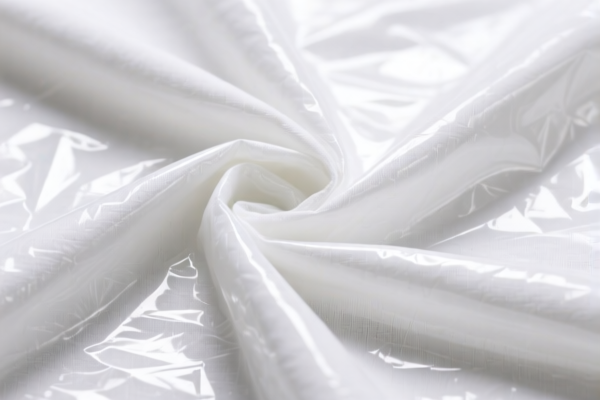
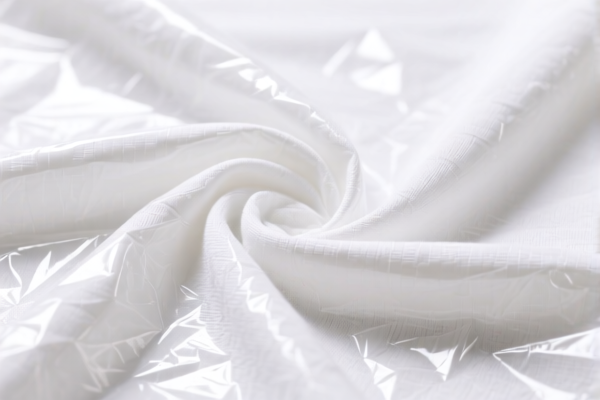
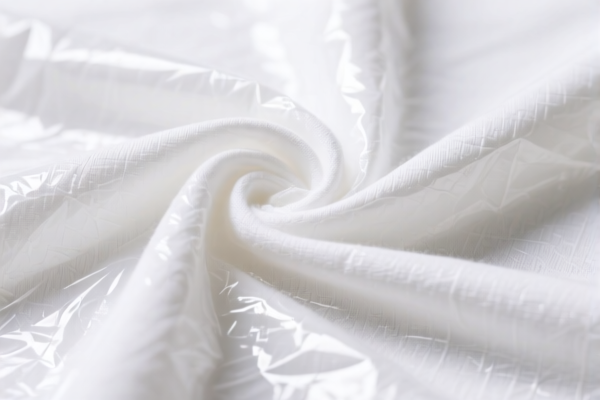

AI Analysis
🧵 Plastic Coated Knitted Fabric (Plastic-Coated Textile)
🌐 HS Code Reference & Customs Clearance Guide | 2026 Latest Tariff Analysis | Professional Strategy for High-Risk Goods
📌 I. Product Definition & Classification: Do You Really Understand "Plastic-Coated Knitted Fabric"?
Plastic-coated knitted fabric is a composite material where a textile base (knitted) is bonded with a polymer layer (PVC, PE, PU, etc.). In international trade, the key determinant for classification is not just the fiber content, but the weight ratio of plastic to textile and the specific chemical nature of the polymer.
Two Main Classification Logic Paths: 1. Chapter 39 (Plastics): If the plastic coating constitutes a significant portion of the weight (often >50-70%, depending on specific subheadings) and forms the essential character, or if it is classified as "plastics with support of textile" where the plastic layer is dominant. 2. Chapter 63 (Other Made-Up Textile Articles): If the fabric retains its primary textile identity, and the plastic is merely a coating for water resistance or reinforcement without changing its fundamental textile nature.
⚠️ Critical Distinction Point:
- If the polymer weight占比 exceeds 70% or it is explicitly defined as a plastic sheet/film with textile backing → Falls under Chapter 39 (HS: 3921.12 / 3921.90).
- If it is classified as a finished textile article where the plastic coating is secondary or the structure is primarily textile-based → Falls under Chapter 63 (HS: 6307.90).
📦 II. HS Code Classification Details (2026 Latest Tariff Authority Comparison)
Based on the provided data, here are the 5 specific HS codes relevant to Plastic Coated Knitted Fabric. Note the significant variance in tax rates based on the specific sub-category.
| HS Code | Product Description Summary | Key Attribute/Logic | Total Tax Rate (CN→US) |
|---|---|---|---|
| 3921.12.11.00 | Plastic coated textile; matches PVC polymer; plastic weight >70% of total weight. | High Plastic Content (PVC dominant) | 39.2% |
| 3921.90.11.00 | Plastic coated textile; high plastic weight ratio compared to textile material. | High Plastic Content (General Plastic) | 39.2% |
| 3921.90.15.00 | Plastic coated textile; plastic coating fits "plastic plate/sheet/film" attributes; combined with textile. | Plastic Sheet/Film Structure | 41.5% |
| 6307.90.98.91 | Plastic coated textile; classified as textile form; fits "other made-up articles" category. | Textile Form (Made-up Article) | 24.5% |
| 6307.90.98.84 | Plastic coated textile; textile form; inferred to contain artificial/synthetic fibers. | Textile Form (Synthetic/Artificial Fiber) | 24.5% |
🔍 Key Insight:
- The Chapter 39 codes (3921.) attract higher taxes (39.2% - 41.5%) due to stricter "122 Clause" and Section 301 tariffs applied to plastic-heavy imports. - The Chapter 63 codes (6307.) offer lower taxes (24.5%) but require proving the product is essentially a "textile article" rather than a "plastic product with textile backing."
💰 III. 2026 Latest Tariff Rate Breakdown (Including Surtaxes & Policy Add-ons)
✅ Applicable Country: United States (US)
✅ Origin: China (CN)
✅ Effective Date: November 10, 2025 (including subsequent imports)
🎯 1. 3921.12.11.00 —— PVC-Dominant Plastic Coated Textile
| Item | Detail |
|---|---|
| Base Tariff | 4.2% (Ad Valorem) |
| Section 301 Surcharge | +25.0% |
| Section 122 Tariff | +10.0% |
| Total Tax Rate | 39.2% |
| Tax Calculation | CIF Value × 39.2% |
| De Minimis Exemption | ❌ Not Eligible (deny_de_minimis) |
| Legal Basis Path | USITC:3921.12.11.00 → FOOTNOTE:301 (25%) + IEEPA:122 (10%) |
📌 Explanation:
- This code applies when the product is chemically or physically defined as a plastic product first, with textile as support. - PVC (Polyvinyl Chloride) is often scrutinized heavily. The >70% plastic weight triggers the higher Chapter 39 tariff. - Warning: Do not attempt to reclassify this as a textile to avoid the 39.2% rate if the material composition clearly shows PVC dominance. Customs labs will strip the fabric and test the polymer ratio.
🎯 2. 3921.90.11.00 —— General High-Plastic-Content Coated Textile
| Item | Detail |
|---|---|
| Base Tariff | 4.2% |
| Section 301 Surcharge | +25.0% |
| Section 122 Tariff | +10.0% |
| Total Tax Rate | 39.2% |
| Tax Calculation | CIF Value × 39.2% |
| De Minimis Exemption | ❌ Not Eligible |
| Legal Basis Path | USITC:3921.90.11.00 → FOOTNOTE:301 (25%) + IEEPA:122 (10%) |
📌 Explanation:
- Similar to above, but for non-PVC plastics (e.g., PE, PP) where the plastic weight is high. - The "High Plastic Weight" characteristic places it firmly in Chapter 39, preventing duty savings via Chapter 63.
🎯 3. 3921.90.15.00 —— Plastic Sheet/Film with Textile Support
| Item | Detail |
|---|---|
| Base Tariff | 6.5% |
| Section 301 Surcharge | +25.0% |
| Section 122 Tariff | +10.0% |
| Total Tax Rate | 41.5% |
| Tax Calculation | CIF Value × 41.5% |
| De Minimis Exemption | ❌ Not Eligible |
| Legal Basis Path | USITC:3921.90.15.00 → FOOTNOTE:301 (25%) + IEEPA:122 (10%) |
📌 Explanation:
- This is the highest tax bracket for coated fabrics. - Applies when the plastic layer is distinctly a "plate, sheet, film, foil or strip" structure. - Risk: If your product is a flexible fabric, ensure it doesn't fit the rigid "sheet" definition, or you face 41.5%. However, if it does fit, the high base rate (6.5%) + surcharges make it very expensive.
🎯 4. 6307.90.98.91 —— Other Made-Up Textile Articles (Plastic Coated)
| Item | Detail |
|---|---|
| Base Tariff | 7.0% |
| Section 301 Surcharge | +7.5% |
| Section 122 Tariff | +10.0% |
| Total Tax Rate | 24.5% |
| Tax Calculation | CIF Value × 24.5% |
| De Minimis Exemption | ❌ Not Eligible |
| Legal Basis Path | USITC:6307.90.98.91 → FOOTNOTE:301 (7.5%) + IEEPA:122 (10%) |
📌 Explanation:
- Cost-Saving Opportunity: This code is 14.7% - 17% lower than Chapter 39 codes. - Condition: The product must be classified as a "made-up article" (e.g., bags, covers, tarps, tent parts) where the textile is the primary material, and plastic is a functional coating (e.g., waterproofing). - Key: Must demonstrate that the textile structure is intact and the plastic is not the dominant structural component.
🎯 5. 6307.90.98.84 —— Synthetic/Artificial Fiber Textile Articles
| Item | Detail |
|---|---|
| Base Tariff | 7.0% |
| Section 301 Surcharge | +7.5% |
| > Section 122 Tariff | +10.0% |
| Total Tax Rate | 24.5% |
| Tax Calculation | CIF Value × 24.5% |
| De Minimis Exemption | ❌ Not Eligible |
| Legal Basis Path | USITC:6307.90.98.84 → FOOTNOTE:301 (7.5%) + IEEPA:122 (10%) |
📌 Explanation:
- Similar to6307.90.98.91, but specifically for products containing artificial or synthetic fibers (polyester, nylon, etc.). - If your knitted fabric is made of polyester (synthetic) and coated, this is a strong candidate for the 24.5% rate. - Advantage: Lower base tariff and lower 301 surcharge compared to Chapter 39.
🛠️ IV. Customs Clearance Practical Advice (Pitfall Avoidance Guide)
✅ 1. Documentation Checklist (Essential)
| Document | Required? | Description |
|---|---|---|
| ✅ Product Specification Sheet | ✔️ | Must detail: Fiber type (knitted base), Coating type (PVC/PE/PU), Weight % of plastic vs. textile. |
| ✅ Structure Diagram/Cross-section | ✔️ | Visual proof of the "coated" nature. Is the plastic a thin film or a thick layer? |
| ✅ Commercial Invoice | ✔️ | Description should align with HS code logic (e.g., "Polyester Knitted Fabric, PVC Coated" for Ch63 vs "PVC Plastic Sheet with Textile Backing" for Ch39). |
| ✅ CertIFICATE OF ANALYSIS (COA) | ✔️ | Crucial for Ch39 vs Ch63 dispute. Lab report showing polymer weight percentage. If plastic <50-60%, argue for Ch63. If >70%, prepare for Ch39. |
| ✅ Packing List | ✔️ | Weight of each piece. Helps calculate plastic/textile ratio if declared by weight. |
✅ 2. Declaration Strategy (Key Mantra)
🔥 "Weight Ratio Dictates Chapter: High Plastic = Ch39 (Expensive); Textile Structure = Ch63 (Cheaper)."
| Scenario | Recommended HS Code | Risk Level |
|---|---|---|
| Plastic Weight > 70% (e.g., heavy PVC tarpaulin) | 3921.12.11.00 or 3921.90.11.00 |
🟡 Medium (High Tax) |
| Plastic is a thin film/coating (e.g., raincoat fabric, tent fly) | 6307.90.98.91 or 6307.90.98.84 |
🟢 Low Tax (24.5%) |
| Product is a finished article (e.g., bag, cover) | 6307.90.98.91 |
🟢 Low Tax (24.5%) |
| Unclear ratio | Apply for Advance Ruling | 🔴 High Risk of Audit |
✅ 3. Special Case Handling
| Situation | Actionable Advice |
|---|---|
| OEM Custom Fabric | Provide customer design specs. If the customer expects a "plastic sheet," Ch39 is safer. If they expect "textile," Ch63 is better. |
| Mixed Shipments | Do NOT mix Ch39 and Ch63 goods in one BL if possible. Keep them separate to avoid customs confusion and potential audits of the entire shipment. |
| Plastic Type | Specify the exact polymer (PVC vs. PE). PVC often faces stricter scrutiny and higher base rates in some contexts. |
| Origin Marking | Clearly mark "Made in China." Any attempt to mislabel origin to avoid Section 301/122 tariffs will result in seizures. |
🌍 V. Global Market Clearance Comparison (2026 Latest)
| Country/Region | Recommended HS Code | Tax Rate (CN→Dest) | Certification Required | Notes |
|---|---|---|---|---|
| 🇺🇸 USA | 6307.90.98.84/91 |
24.5% | None | Target for cost saving. Try to classify here if fabric structure allows. |
| 🇨🇳 China | 6307.90.98.91 |
~7-10% | RoHS (if plastic) | Lower import duty, no surtaxes. |
| 🇪🇺 EU | 5903.20 (Similar) |
~6-12% | REACH, RoHS | EU uses different logic (Chapter 59 for impregnated/coated fabrics). Different from US Chapter 63. |
| 🇬🇧 UK | 5903.20 |
~5-10% | UKCA, REACH | Post-Brexit rules apply. |
| 🇦🇺 Australia | 5903.20 |
~5% | None | Generally lower tariffs for coated textiles. |
📌 Conclusion:
- USA is the most challenging market due to Section 301 (25%) and Section 122 (10%) tariffs, which apply to both Chapters 39 and 63, but at different rates. - Strategy: Fight for classification under 6307.90.98.84/91 (24.5% total) rather than 3921 (39.2%-41.5%). The 15%+ difference is significant.
📌 VI. Common Errors & Pitfall Guide (Blood & Tears Lessons)
❌ Error 1: Declaring PVC-coated fabric as "Textile Fabric" when plastic weight is 80%.
👉 Consequence: Customs lab test reveals >70% plastic → Reclassified to 3921.12.11.00 → Pay back difference + penalty.
❌ Error 2: Using "Plastic Coated Fabric" description for Ch63 goods.
👉 Consequence: Ambiguity triggers audit. If you can't prove textile integrity, customs may default to higher tax or delay.
👉 Fix: Use descriptive names like "Waterproof Synthetic Knitted Tarpaulin" to highlight textile/articled nature.
❌ Error 3: Ignoring Section 122 Tariff.
👉 Consequence: All listed HS codes in DATA include 10% Section 122. Failing to account for this leads to underpayment.
❌ Error 4: Assuming "Knitted" automatically means Chapter 60 or 61.
👉 Consequence: Coated fabrics are usually moved to Chapter 59 (if impregnated/coated) or Chapter 39/63 depending on composition. Never assume Chapter 60 for heavily coated knits.
✅ Correct Approach:
"Synthetic Fiber Knitted Fabric, PVC Coated, for Tent Use, Plastic Weight 40%, Textile Base 60%. HS 6307.90.98.84."
🎯 VII. Conclusion: Professional Declaration, Save Costs, Speed Up Clearance!
🎯 Remember the Mantra:
🔹 "Check the Weight: >70% Plastic = Ch39 (Pain); <50% Plastic = Ch63 (Gain)."
🔹 "Chapter 63 saves 15%+ in taxes for coated knits. Prove the textile structure!"
🔹 "Section 122 is mandatory (10%) for all. Don't forget it."
📌 Pro Tip:
If your plastic coating is very thin and the fabric is primarily used for its textile properties (e.g., strength, drape), aggressively argue for 6307.90.98.84. Provide tensile strength tests showing the fabric strength is derived from the knit, not the plastic.
📣 Immediate Action:
📞 Contact your freight forwarder + Provide fabric cross-section photos + Request HS Code Pre-Ruling if shipment value is high
🚀 Let your coated fabric clear smoothly, minimize tax burden, and maximize profit!
✨ Professional Customs Clearance Starts with Accurate Classification!
💼 Every percentage point saved is pure profit!
Customer Reviews
About HS Code Classification
The Harmonized System (HS) is an internationally standardized nomenclature developed by the World Customs Organization (WCO) to classify traded products. Over 200 countries use the HS system as the basis for customs tariffs, trade statistics, and import/export regulations.
Each HS code follows a hierarchical structure:
- Chapter (2 digits) — Broad category of goods (e.g., Chapter 84: Machinery and Mechanical Appliances)
- Heading (4 digits) — More specific grouping within the chapter
- Subheading (6 digits) — Internationally standardized breakdown, used by all WCO member countries
- National subdivisions (8-10 digits) — Country-specific extensions for further classification, such as US HTSUS 10-digit codes
Correct HS code classification is essential for smooth customs clearance, accurate duty payment, and compliance with trade regulations. Misclassification can lead to customs delays, overpayment of duties, or penalties.
When importing from CN to US, the applicable tariff rates may include:
- Most-Favored-Nation (MFN) rate — The standard duty rate applied to WTO members
- General rate — Applied to countries without trade agreements
- Trade remedy duties — Additional tariffs such as Section 301 (anti-dumping), Section 232 (national security), or countervailing duties
The information provided on this page is for reference purposes only. For official classification, please consult with your local customs authority or a licensed customs broker.