Plastic Coated Paper and Paperboard Non Rolled
CN → US| HS Code | Tariff Rate | Origin | Destination | Doc |
|---|---|---|---|---|
| 4810996500 | 35.0% | CN | US | Official Doc |
| 4811596000 | 35.0% | CN | US | Official Doc |
| 4823906000 | 35.0% | CN | US | Official Doc |
| 4823906700 | 35.0% | CN | US | Official Doc |
| 4811516000 | 35.0% | CN | US | Official Doc |
Product Images
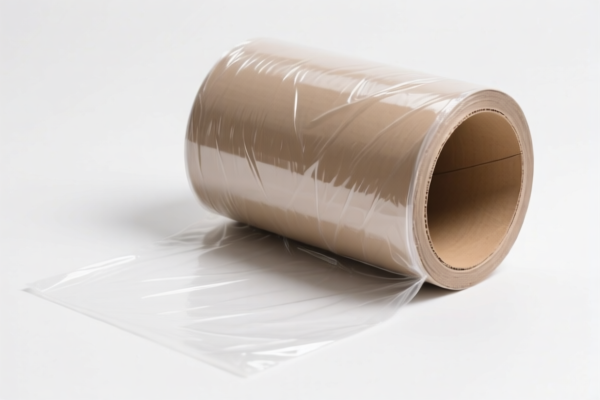
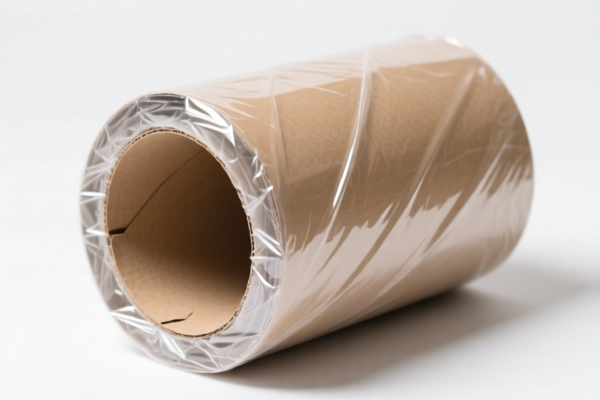
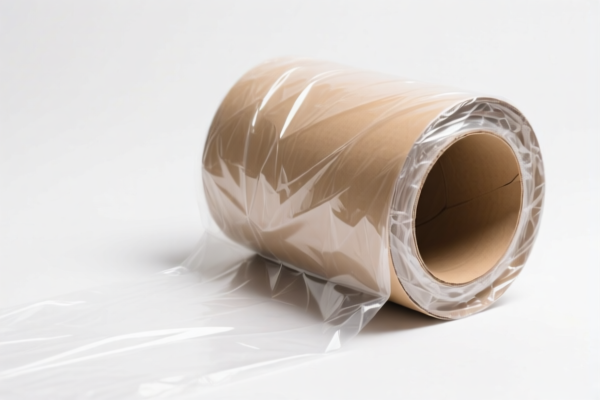
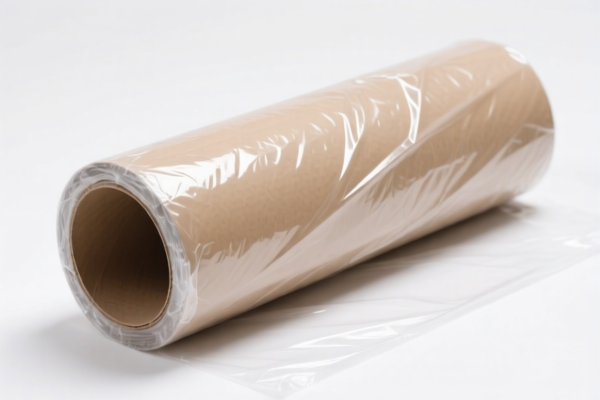
AI Analysis
📄 Plastic Coated Paper & Paperboard (Non-Rolled)
🌐 HS Code Reference & Customs Clearance Guide | 2026 Latest Tariff Analysis | Professional Entry Strategy
📌 1. Product Definition & Classification: What Exactly is "Plastic Coated Paper"?
Plastic coated paper and paperboard (non-rolled) refers to paper or paperboard that has been coated, impregnated, or covered with plastics (such as PE, PP, PVC, etc.) to enhance properties like moisture resistance, greaseproofing, or barrier protection.
Key Distinction in Classification:
The classification depends on the position of the plastic layer and the specific processing method:
- Surface Coating/Impregnation (Chapter 4810/4811): Plastic is applied to the surface of paper/paperboard.
- Cut/Sheet Form (Chapter 4823): The coated material is cut into sheets or specific shapes.
⚠️ Critical Classification Point:
- If the product is primarily paper/paperboard with a plastic surface layer for printing/packaging → HS 4810/4811.
- If the product is cut sheets or specialized shapes of coated paper/paperboard → HS 4823.
- Non-rolled means it is in sheet form, not in rolls, which aligns with specific subheadings in 4823.
📦 2. HS Code Classification Details (2026 Latest Tariff Reference)
Based on the provided data, the following HS Codes apply to Plastic Coated Paper & Paperboard (Non-Rolled):
| HS Code | Product Description | Key Feature | Tariff Rate (China to US) |
|---|---|---|---|
4810.99.65.00 |
Plastic-coated paper/board; matches plastic coating with paper/board material | General surface-coated paper/paperboard | 35.0% |
4811.59.60.00 |
Plastic-coated paper/board; corresponds to plastic-coated paper/board material | Surface-treated paper/paperboard (e.g., laminated) | 35.0% |
4823.90.60.00 |
Plastic-coated paper/board; matches coated paper/board material and form | Cut sheets/form-specific coated paper/board | 35.0% |
4823.90.67.00 |
Plastic-coated paper/board; falls under coated paper or coated paperboard category | Specific coated paper/board in sheet form | 35.0% |
4811.51.60.00 |
Plastic-coated paper/board; corresponds to paper/board coated, impregnated, or covered with plastic | Impregnated or covered plastic paper/board | 35.0% |
🔍 Important Note:
- All listed HS Codes have a total tariff rate of 35.0%.
- The 4810/4811 codes are for paper/board with plastic applied to the surface (often used for packaging, labels).
- The 4823 codes are for cut/sheet form of such materials. Since the input is "non-rolled", 4823 is highly relevant, but 4810/4811 may still apply depending on whether it’s considered a "paper product" vs. a "cut article."
- Clarification: If the product is plain coated paper in sheet form used for printing/packaging, 4811 is common. If it’s specialty cut shapes, 4823 applies.
💰 3. 2026 Latest Tariff Rate Breakdown (Including Surtaxes & Policy Add-ons)
✅ Applicable Country: United States (US)
✅ Origin: China (CN)
✅ Effective Date: From Nov 10, 2025 (including subsequent imports)
🎯 Tariff Structure for All Listed HS Codes
| Item | Detail |
|---|---|
| Base Tariff | 0.0% (ad valorem) |
| Section 301 Surcharge | +25.0% (USITC Footnote) |
| Section 122 Tariff | +10.0% (Specific policy surcharge) |
| Total Tariff Rate | 35.0% |
| Tax Calculation | CIF Value × 35% |
| De Minimis Exemption | ❌ Not Eligible (denied_de_minimis) |
| Legal Basis Path | USITC:Section301 → IEEPA:Section122 → HS Code |
📌 Explanation:
- Base Rate (0%): Standard MFN (Most Favored Nation) rate for these paper products.
- Section 301 Surtax (+25%): Applied to Chinese-origin goods under US Trade Act Section 301.
- Section 122 Tariff (+10%): Additional surcharge under Section 122 of the Trade Act.
- Total 35%: This is a high tariff rate, significantly impacting cost competitiveness.
- No De Minimis: Small shipments do not qualify for the $800 de minimis exemption.
🛠️ 4. Customs Clearance Practical Advice (Pitfall Avoidance Guide)
✅ 1. Required Documentation (All Mandatory)
| Document | Required | Description |
|---|---|---|
| ✅ Product Specification | ✔️ | Details: Material composition (paper vs. plastic ratio), coating type (PE, PP, etc.), thickness, weight. |
| ✅ Coating Process Description | ✔️ | Explain if it’s surface-coated, impregnated, or laminated. |
| ✅ Product Photos (including labels) | ✔️ | Clear images showing the coated surface and any markings. |
| ✅ Commercial Invoice | ✔️ | Must explicitly state: "Plastic Coated Paper/Paperboard, Non-Rolled" + HS Code. |
| ✅ Packing List | ✔️ | Detail dimensions, weight, and packaging type. |
| ✅ Certificate of Origin (CO) | ✔️ | If applicable, to prove Chinese origin. |
| ✅ Third-Party Test Report | ✔️ | FDA (if food contact), REACH, or other safety certifications if required. |
✅ 2. Declaration Tips (Key Rules)
🔥 "Correct HS Code is critical! Misclassification leads to penalties!"
| Scenario | Correct Declaration | Incorrect Action |
|---|---|---|
| Surface-coated paper sheets (for printing/packaging) | 4811.59.60.00 or 4810.99.65.00 |
Misclassify as plain paper → 0% base but high penalty risk |
| Cut sheets/shapes of coated paper/board | 4823.90.60.00 or 4823.90.67.00 |
Misclassify as rolled goods → Delayed customs |
| Impregnated paper (plastic soaked into paper) | 4811.51.60.00 |
Confuse with coated → Wrong HS Code |
| Plain paper (no plastic) | ❌ Do not use above codes | Use different HS Code (e.g., 4802/4810.91) |
✅ 3. Special Circumstances Handling
| Situation | Handling Advice |
|---|---|
| Food-Contact Coated Paper | Ensure FDA compliance. Provide migration test reports. |
| Custom-Sized Sheets | Clearly specify dimensions. If custom-cut, consider 4823. |
| Mixed Shipments (Rolled + Non-Rolled) | Separate declarations. Rolled items may have different HS Codes. |
| OEM/Private Label | Provide client agreements. Ensure brand labeling is clear. |
🌍 5. Global Market Comparison (2026 Latest)
| Country/Region | Recommended HS Code | Tariff (China Origin) | Certification Required | Remarks |
|---|---|---|---|---|
| 🇺🇸 USA | 4811.59.60.00 / 4823.90.60.00 |
35.0% | FDA (if food contact), RoHS | High tariff due to Surtaxes |
| 🇨🇳 China | 4811.59.60.00 |
~5-10% | CCC (if applicable) | No surtaxes |
| 🇪🇺 EU | 4811.59.60.00 |
0-6% (varies) | REACH, CE | No surtaxes |
| 🇦🇺 Australia | 4811.59.60.00 |
5% | RCM | No surtaxes |
| 🇯🇵 Japan | 4811.59.60.00 |
0-3% | PSE (if electrical packaging) | No surtaxes |
📌 Conclusion:
- USA imposes a 35% tariff on Chinese-origin plastic coated paper/paperboard due to Section 301 and Section 122.
- Other markets have significantly lower or zero tariffs.
- Cost Impact: For a $10,000 shipment, US duties = $3,500 vs. EU/JP/AU ≈ $0-$600.
📌 6. Common Errors & Pitfalls (Lessons Learned)
❌ Error 1: Declaring as "Plain Paper" to avoid surtaxes
👉 Consequence: Customs inspection reveals plastic coating → Penalties + Back Taxes + Possible Fraud Charges
❌ Error 2: Misclassifying non-rolled sheets as "Rolled Goods"
👉 Consequence: Wrong HS Code → Delayed Clearance + Storage Fees
❌ Error 3: Ignoring FDA/REACH requirements for coated paper
👉 Consequence: Rejected Entry if intended for food/pharma contact
❌ Error 4: Using generic descriptions like "Paper Products"
👉 Consequence: Customs ambiguity → Manual Inspection + Delays
✅ Correct Declaration Example:
"Plastic Coated Paperboard, Non-Rolled Sheets, PE-Coated, 200gsm, For Packaging Use, HS Code: 4811.59.60.00, Origin: China"
🎯 7. Conclusion: Precise Classification Saves Costs!
🎯 Key Takeaways:
🔹 "Plastic Coated Paper = 35% Tariff in USA"
🔹 "Non-Rolled = Likely 4823, but 4811 also applies if surface-coated"
🔹 "Declare Accurately to Avoid Penalties"
📌 Pro Tip:
- If your coated paper is exported to multiple markets, consider re-routing through non-China origins (e.g., Vietnam, Malaysia) to access preferential tariffs (0-5%).
- Apply for Advance Rulings in the US if unsure about classification.
📣 Immediate Action:
📞 Consult a Customs Broker + Provide Product Specs + Verify FDA/REACH Compliance
🚀 Ensure Smooth Clearance, Minimize Duties, Maximize Profit!
✨ Professional Clearance Starts with Accurate Classification!
💼 Every Percent of Tariff Matters!
Customer Reviews
About HS Code Classification
The Harmonized System (HS) is an internationally standardized nomenclature developed by the World Customs Organization (WCO) to classify traded products. Over 200 countries use the HS system as the basis for customs tariffs, trade statistics, and import/export regulations.
Each HS code follows a hierarchical structure:
- Chapter (2 digits) — Broad category of goods (e.g., Chapter 84: Machinery and Mechanical Appliances)
- Heading (4 digits) — More specific grouping within the chapter
- Subheading (6 digits) — Internationally standardized breakdown, used by all WCO member countries
- National subdivisions (8-10 digits) — Country-specific extensions for further classification, such as US HTSUS 10-digit codes
Correct HS code classification is essential for smooth customs clearance, accurate duty payment, and compliance with trade regulations. Misclassification can lead to customs delays, overpayment of duties, or penalties.
When importing from CN to US, the applicable tariff rates may include:
- Most-Favored-Nation (MFN) rate — The standard duty rate applied to WTO members
- General rate — Applied to countries without trade agreements
- Trade remedy duties — Additional tariffs such as Section 301 (anti-dumping), Section 232 (national security), or countervailing duties
The information provided on this page is for reference purposes only. For official classification, please consult with your local customs authority or a licensed customs broker.