Plastic Coated Ski Jacket
CN → US| HS Code | Tariff Rate | Origin | Destination | Doc |
|---|---|---|---|---|
| 6113001005 | 21.3% | CN | US | Official Doc |
| 6203431110 | 24.6% | CN | US | Official Doc |
| 6210205020 | 24.6% | CN | US | Official Doc |
| 6210500555 | 24.6% | CN | US | Official Doc |
| 5903102090 | 35.0% | CN | US | Official Doc |
Product Images
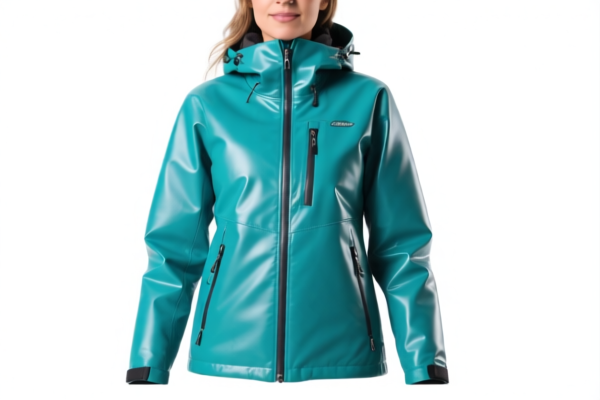
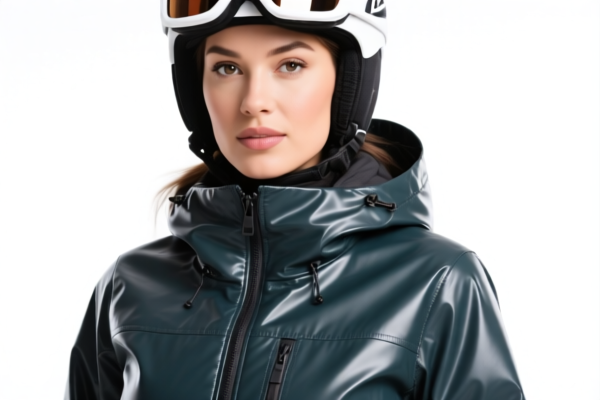
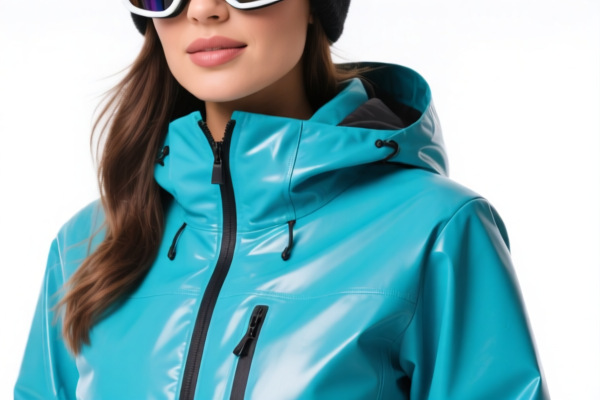
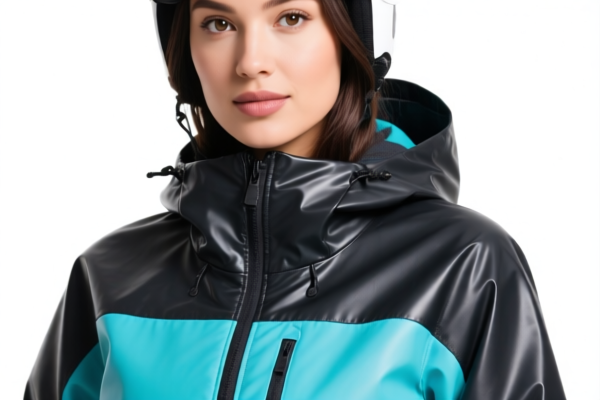
AI Analysis
🧥 The Ultimate Guide to "Plastic Coated Ski Jacket" Classification & Customs Clearance
🌐 HS Code Reference & Customs Strategy | 2026 Latest Tariff Analysis | Professional Clearance Tactics
📌 I. Product Definition & Classification: Do You Really Know "Plastic Coated Ski Jacket"?
A Plastic Coated Ski Jacket is a specialized outerwear garment designed for winter sports, specifically skiing. Its key characteristic is the application of a plastic layer (coating) to a textile fabric, providing waterproofing, windproofing, and durability. In international trade, the classification hinges on form (jacket vs. trousers), material composition (textile substrate vs. plastic fabric), and end-use (sports/outerwear).
Key Classification Distinctions:
- As an Outerwear Garment (Headwear/Trousers/Jackets): If classified based on its function as clothing, it falls under Chapter 61 (Knitted) or Chapter 62 (Non-knitted). The specific subheading depends on whether it’s a jacket (6113/6210) or part of a set like ski pants (6203).
- As a Plastic-Coated Textile: If classified based on the material technology (plastic impregnated/coated fabric), it may fall under Chapter 59 (Impregnated, Coated, Covered or Layered Textile Fabrics).
⚠️ Critical Differentiator:
- Is it a finished garment (jacket/pants)? → Chapter 61/62 (Rates ~21.3% - 24.6%).
- Is it considered a fabric material due to heavy plastic coating? → Chapter 59 (Rate ~35.0%).
- Note: The data provided suggests multiple possible classifications depending on how customs interprets the "plastic coated" aspect versus the "garment" aspect.
📦 II. HS Code Classification Details (Based on Provided Data)
Below are the 5 potential HS Codes derived from the provided <DATA>, each representing a different classification logic for a "Plastic Coated Ski Jacket."
| HS Code | Product Description & Logic | Total Tax Rate | Key Tax Components |
|---|---|---|---|
6113.00.10.05 |
Plastic-Coated Ski Jacket: Classified as a knitted outerwear garment with plastic coating. Fits the form of men's/boys' jackets. | 21.3% | Base: 3.8%, Add-on: 7.5%, Section 301: 10% |
6203.43.11.10 |
Plastic-Coated Ski Pants/Trousers: Classified as synthetic fiber water-resistant trousers/malus pants for recreational use. (Note: Data links this to ski apparel logic). | 24.6% | Base: 7.1%, Add-on: 7.5%, Section 301: 10% |
6210.20.50.20 |
Plastic-Coated Ski Jacket: Classified as outdoor apparel using synthetic/plastic-coated fabric for water resistance. | 24.6% | Base: 7.1%, Add-on: 7.5%, Section 301: 10% |
6210.50.05.55 |
Plastic-Coated Outerwear: Classified as an outer garment made of synthetic plastic-coated material, fitting recreational outerwear criteria. | 24.6% | Base: 7.1%, Add-on: 7.5%, Section 301: 10% |
5903.10.20.90 |
Plastic-Coated Hiking/Ski Jacket: Classified as a textile fabric impregnated/coated with plastic, rather than a finished garment. | 35.0% | Base: 0.0%, Add-on: 25.0%, Section 301: 10% |
🔍 Analysis of the Table:
- Codes6113.00.10.05,6203.43.11.10,6210.20.50.20, and6210.50.05.55treat the item as a garment (Chapter 61/62). The tax rates range from 21.3% to 24.6%.
- Code5903.10.20.90treats the item as a fabric/material (Chapter 59). This triggers a higher tax rate of 35.0% due to a higher "Add-on Tariff" (25% vs 7.5%).
- Why the difference? If customs deems the plastic coating as the primary characteristic, it may classify it as Chapter 59. If the garment structure (zippers, seams, shape) is primary, it goes to Chapter 61/62.
💰 III. Detailed Tariff Breakdown (2026 Latest)
✅ Applicable Country: United States (US)
✅ Origin: China (CN) (Implied by "Section 301" and "122" terms common in US-China trade data)
✅ Effective Time: Current US Trade Policy (Section 301 Tariffs)
🎯 1. The "Garment" Path (HS Codes: 6113.00.10.05, 6203.43.11.10, 6210.20.50.20, 6210.50.05.55)
| Component | Rate | Explanation |
|---|---|---|
| Base Duty | 3.8% - 7.1% | Standard Most Favored Nation (MFN) duty for apparel. |
| Section 301 / Add-on Tariff | 7.5% | Additional tariff for specific apparel categories from China. |
| Section 301 / "122" Clause | 10% | Specific retaliatory or targeted tariff on Chinese textiles/apparel. |
| TOTAL EFFECTIVE RATE | 21.3% - 24.6% | Weighted Average based on specific HS Code. |
📌 Note on
6203.43.11.10: Although labeled "ski pants" in the summary, if applied to a jacket with similar coating, the logic remains consistent: Synthetic fiber outerwear with plastic coating.
🎯 2. The "Fabric/Material" Path (HS Code: 5903.10.20.90)
| Component | Rate | Explanation |
|---|---|---|
| Base Duty | 0.0% | Textile fabrics often have lower base duties. |
| Section 301 / Add-on Tariff | 25.0% | Significantly higher additional tariff for plastic-coated textiles. |
| Section 301 / "122" Clause | 10% | Targeted tariff on plastic-coated textile products. |
| TOTAL EFFECTIVE RATE | 35.0% | High Risk Classification. |
⚠️ Warning: Classification under 5903.10.20.90 increases your total tax by ~10-14 percentage points compared to classifying it as a finished garment. This is a critical cost driver.
🛠️ IV. Customs Clearance Strategy & Practical Advice
✅ 1. Documentation Checklist (Mandatory)
| Document | Purpose | Key Details to Include |
|---|---|---|
| Product Description | Accurate Classification | "Plastic Coated Ski Jacket, Synthetic Fiber, Waterproof, Outerwear" |
| Material Composition | Chapter 61/62 vs 59 | Specify % of textile vs. plastic coating weight. |
| Construction Details | Garment Proof | Photos showing zippers, seams, collar, cuffs (proves it's a garment, not just fabric). |
| Function Statement | End Use | "Designed for skiing, windproof, waterproof." |
| Commercial Invoice | Value & Origin | Clear HS Code, CIF Value, Country of Origin: China. |
| Packaging List | Quantity | Number of pieces, dimensions. |
✅ 2. Classification Strategy: How to Avoid the 35% Trap
Goal: Aim for Chapter 61/62 (21.3%-24.6%) rather than Chapter 59 (35.0%).
| Strategy | Action | Why? |
|---|---|---|
| Emphasize Garment Features | Provide photos of finished jackets with zippers, buttons, pockets, and hoods. | Customs sees it as a "finished good" (Chapter 61/62) not "raw material." |
| Specify Substrate | State the textile fabric type (e.g., "Nylon 66 fabric coated with PVC"). | Supports classification as "Apparel made of coated fabric" (6210/6113). |
| Avoid Vague Terms | Do NOT just say "Plastic Sheet" or "Coated Fabric." | Use "Ski Jacket" or "Outerwear." |
| Pre-Ruling | Request a Binding Tariff Information (BTI) or Advance Ruling if volume is high. | Lock in the 21.3%-24.6% rate legally. |
🚫 Common Mistake:
Declaring as "Plastic-Coated Textile" → Triggers 35% tax.
✅ Correct Declaration: "Men's Plastic-Coated Nylon Ski Jacket" → Triggers 21.3%-24.6% tax.
✅ 3. Special Considerations
- "Section 122" Tariff: This refers to specific Section 301 actions against Chinese textiles. Ensure your supplier provides a valid Certificate of Origin.
- De Minimis Exemption: ❌ NOT APPLICABLE. These goods are subject to Section 301 tariffs and do not qualify for the $800 de minimis exemption (if importing into the US as a low-value shipment). All duties apply from the first unit.
- Anti-Dumping/Countervailing Duties: Check if the specific plastic coating process triggers additional AD/CVD. The data provided does not list these, but always verify.
🌍 V. Global Comparison (Contextual)
| Market | Typical HS Code for Coated Ski Jacket | Estimated Total Duty (China Origin) | Notes |
|---|---|---|---|
| 🇺🇸 USA | 6210.20 / 6113.00 | 21.3% - 24.6% (if garment) 35.0% (if fabric) |
High scrutiny on "Plastic Coated" classification. |
| 🇪🇺 EU | 6210.20 / 6113.00 | ~12% - 16% | Generally lower base duties, no Section 301. |
| 🇨🇳 China | 6210.20 / 6113.00 | ~10% - 14% | Import duty applies if re-exporting. |
📌 Conclusion for US Importers:
The 10-14% tax difference between classifying as a Garment vs. a Fabric is significant. Always provide evidence of garment construction (zippers, seams, shapes) to secure the lower 21.3%-24.6% rate.
📌 VI. Summary & Action Plan
- Review Product Photos: Ensure images clearly show a finished jacket, not just a piece of coated fabric.
- Select HS Code: Prefer 6210.20.50.20 or 6113.00.10.05 for jackets (21.3%-24.6%). Avoid 5903.10.20.90 unless you are importing bulk rolls of fabric.
- Prepare Documents: Commercial Invoice, Packing List, and Product Description emphasizing "Ski Jacket" and "Outerwear."
- Consult a Customs Broker: For high-value shipments, request a Pre-classification Ruling from US Customs to lock in the lower rate.
🎯 Pro Tip:
📞 Golden Rule: "If it zips, it’s a garment. If it’s a roll, it’s fabric."
Use this logic to argue for Chapter 61/62 and save up to 14% in duties!
✨ Accurate Classification Saves Money.
💼 Don’t let "Plastic Coated" cost you an extra 10% in taxes.
Customer Reviews
About HS Code Classification
The Harmonized System (HS) is an internationally standardized nomenclature developed by the World Customs Organization (WCO) to classify traded products. Over 200 countries use the HS system as the basis for customs tariffs, trade statistics, and import/export regulations.
Each HS code follows a hierarchical structure:
- Chapter (2 digits) — Broad category of goods (e.g., Chapter 84: Machinery and Mechanical Appliances)
- Heading (4 digits) — More specific grouping within the chapter
- Subheading (6 digits) — Internationally standardized breakdown, used by all WCO member countries
- National subdivisions (8-10 digits) — Country-specific extensions for further classification, such as US HTSUS 10-digit codes
Correct HS code classification is essential for smooth customs clearance, accurate duty payment, and compliance with trade regulations. Misclassification can lead to customs delays, overpayment of duties, or penalties.
When importing from CN to US, the applicable tariff rates may include:
- Most-Favored-Nation (MFN) rate — The standard duty rate applied to WTO members
- General rate — Applied to countries without trade agreements
- Trade remedy duties — Additional tariffs such as Section 301 (anti-dumping), Section 232 (national security), or countervailing duties
The information provided on this page is for reference purposes only. For official classification, please consult with your local customs authority or a licensed customs broker.