Plastic Commercial Tray
CN → US| HS Code | Tariff Rate | Origin | Destination | Doc |
|---|---|---|---|---|
| 3926100000 | 15.3% | CN | US | Official Doc |
| 3924103000 | 22.8% | CN | US | Official Doc |
| 3924104000 | 13.4% | CN | US | Official Doc |
| 3926909989 | 22.8% | CN | US | Official Doc |
| 3926901000 | 20.9% | CN | US | Official Doc |
Product Images
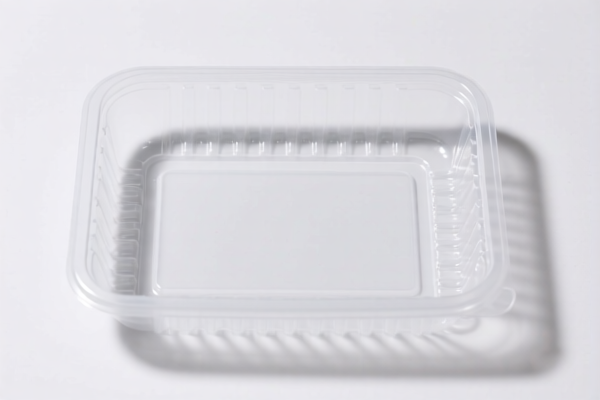
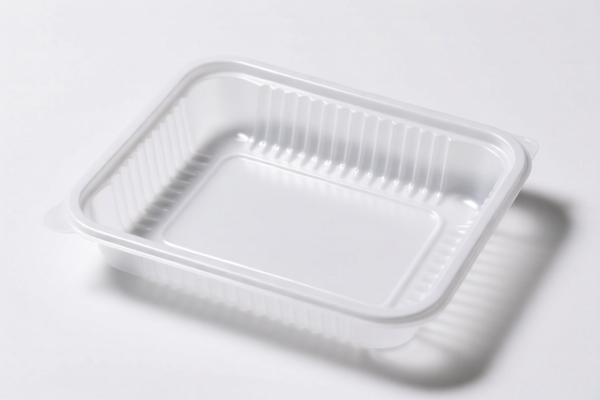
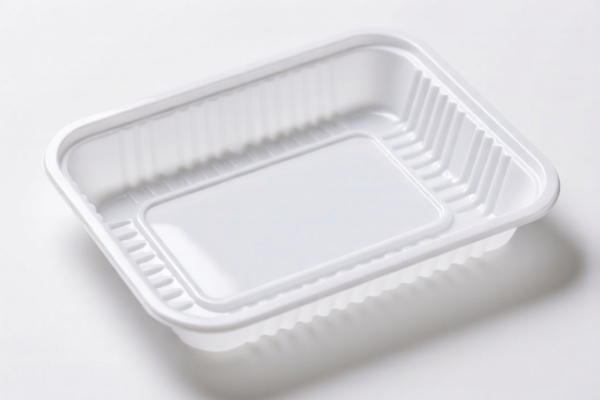
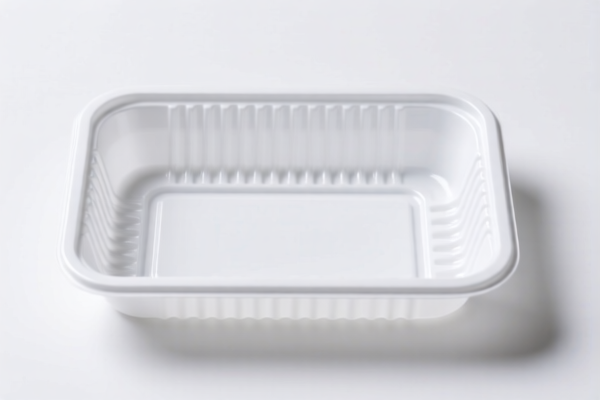
AI Analysis
🥣 Plastic Commercial Tray (Plastic Trays for Commercial Use)
🌐 HS Code Reference & Customs Clearance Guide | 2026 Latest Tariff Full Analysis | Professional Clearance Strategy
📌 I. Product Definition & Classification: Do You Really Understand "Plastic Trays"?
In international trade, "Plastic Commercial Trays" are primarily used in hospitality, catering, or retail settings. However, their HS Code classification hinges on one critical distinction: Are they for Food Service (Cutlery/Kitchenware) or for Logistics/Transport (Luggage/Storage)?
Food Service Trays (Tableware/Cutlery):
Used for serving food, drinks, or holding items on tables. These fall under Chapter 39.24.
Logistics/Storage Trays (Plastic Containers/Luggage):
Used for stacking, transporting, or organizing goods (e.g., warehouse pallets, cargo trays, luggage trays). These fall under Chapter 39.26.
⚠️ Key Distinction Point:
- If the tray is designed for holding food/drink at a table or counter → It is Tableware/Cutlery (Chapter 39.24).
- If the tray is designed for storage, transport, or general utility (not primarily for eating) → It is Other Plastic Articles (Chapter 39.26).
- Misclassification Risk: Declaring a logistics tray as tableware to avoid higher tariffs is a common but risky error that leads to audits.
📦 II. HS Code Classification Details (2026 Latest Tariff Authority Comparison)
| HS Code | Product Description | Application Scenario | Classification Basis |
|---|---|---|---|
3924.10.40.00 |
Plastic tableware, kitchenware, or other household articles (specifically trays for food service) | Restaurant trays, hotel breakfast trays, cafeteria trays | ✅ Tableware/Cutlery (Chapter 39.24) |
3924.10.30.00 |
Plastic tableware, kitchenware, or other household articles (other trays not specified) | General plastic trays for household/commercial use, not strictly food-service defined | ✅ Tableware/Cutlery (Chapter 39.24) |
3926.10.00.00 |
Plastic plates, pans, and other articles of plastics, for industrial or commercial use (not tableware) | Warehouse trays, cargo trays, storage bins, luggage trays | ✅ Other Plastic Articles (Chapter 39.26) |
3926.90.10.00 |
Other articles of plastics (specifically Polyethylene trays) | Trays made specifically of Polyethylene (PE), not fitting other specific categories | ✅ Other Plastic Articles (Chapter 39.26) |
3926.90.99.89 |
Other articles of plastics (General catch-all for other plastic items) | Trays made of mixed materials or not fitting specific subheadings | ✅ Other Plastic Articles (Chapter 39.26) |
🔍 Key Reminder:
- Food-safe, serving trays must generally be classified under 3924.
- Heavy-duty, stacking, logistics trays (even if used in a commercial kitchen for storage) often fall under 3926.
- The material (e.g., Polyethylene) and specific use case determine the subheading.
💰 III. 2026 Latest Tariff Rate Details (Including Surcharges, Policy Surcharges)
✅ Applicable Country: United States (US)
✅ Country of Origin: China (CN)
✅ Effective Date: From November 10, 2025 (including subsequent imports)
🎯 1. 3924.10.40.00 —— Plastic Tableware/Kitchenware Trays (Food Service)
| Item | Content |
|---|---|
| Base Rate | 3.4% (ad valorem) |
| USITC Surcharge | 0.0% (No Section 301 tariff on this specific subheading) |
| Section 122 Surcharge | 10.0% (Under specific trade provisions) |
| Total Tariff Rate | 13.4% |
| Tax Calculation | CIF Value × 13.4% |
| De Minimis Eligibility | ❌ No (High tariff rates usually deny de minimis for China origin) |
| Legal Basis Path | USITC:3924.10.40.00 → Section 122: 10% |
📌 Explanation:
- Base Rate 3.4%: Standard Most Favored Nation (MFN) rate for plastic tableware.
- No Section 301: Unlike many electronics or industrial goods, certain plastic tableware items may be exempt from the 25% Section 301 tariff.
- Section 122 10%: This is a specific additional tariff applied to these goods.
- Total 13.4%: This is a relatively moderate tariff rate compared to other plastic products.
🎯 2. 3924.10.30.00 —— Other Plastic Tableware/Kitchenware Trays
| Item | Content |
|---|---|
| Base Rate | 5.3% (ad valorem) |
| Section 301 Surcharge | 7.5% (Additional tariff on China-origin goods) |
| Section 122 Surcharge | 10.0% (Under specific trade provisions) |
| Total Tariff Rate | 22.8% |
| Tax Calculation | CIF Value × 22.8% |
| De Minimis Eligibility | ❌ No |
| Legal Basis Path | USITC:3924.10.30.00 → Section 301: 7.5% → Section 122: 10% |
📌 Note:
- Slightly higher base rate than 3924.10.40.00.
- Includes both Section 301 and Section 122 surcharges.
- Still classified as tableware, but the specific subheading attracts higher duties.
🎯 3. 3926.10.00.00 —— Plastic Plates, Pans, and Other Articles (Industrial/Commercial)
| Item | Content |
|---|---|
| Base Rate | 5.3% (ad valorem) |
| Section 301 Surcharge | 0.0% (No Section 301 tariff on this specific subheading) |
| Section 122 Surcharge | 10.0% (Under specific trade provisions) |
| Total Tariff Rate | 15.3% |
| Tax Calculation | CIF Value × 15.3% |
| De Minimis Eligibility | ❌ No |
| Legal Basis Path | USITC:3926.10.00.00 → Section 122: 10% |
📌 Explanation:
- Base Rate 5.3%: Standard rate for other plastic articles.
- No Section 301: This is a key advantage! Many plastic goods under 3926 are exempt from Section 301.
- Section 122 10%: Still applies.
- Total 15.3%: A competitive rate for logistics/storage trays.
🎯 4. 3926.90.10.00 —— Other Articles of Plastics (Polyethylene Trays)
| Item | Content |
|---|---|
| Base Rate | 3.4% (ad valorem) |
| Section 301 Surcharge | 7.5% (Additional tariff on China-origin goods) |
| Section 122 Surcharge | 10.0% (Under specific trade provisions) |
| Total Tariff Rate | 20.9% |
| Tax Calculation | CIF Value × 20.9% |
| De Minimis Eligibility | ❌ No |
| Legal Basis Path | USITC:3926.90.10.00 → Section 301: 7.5% → Section 122: 10% |
📌 Note:
- Specific to Polyethylene (PE) material.
- Higher due to Section 301 inclusion.
🎯 5. 3926.90.99.89 —— Other Articles of Plastics (General Catch-All)
| Item | Content |
|---|---|
| Base Rate | 5.3% (ad valorem) |
| Section 301 Surcharge | 7.5% (Additional tariff on China-origin goods) |
| Section 122 Surcharge | 10.0% (Under specific trade provisions) |
| Total Tariff Rate | 22.8% |
| Tax Calculation | CIF Value × 22.8% |
| De Minimis Eligibility | ❌ No |
| Legal Basis Path | USITC:3926.90.99.89 → Section 301: 7.5% → Section 122: 10% |
📌 Note:
- This is the "fallback" category for plastic items not specifically listed elsewhere.
- Highest tariff rate among the options, so avoid using this unless necessary.
🛠️ IV. Customs Clearance Practical Advice (Battlefield Pitfall Avoidance Guide)
✅ 1. Prepare Material Checklist (No Missing Items)
| Material | Must Provide | Description |
|---|---|---|
| ✅ Product Spec Sheet | ✔️ | Material type (PP, PE, PS, etc.), dimensions, weight, food-contact certification if applicable. |
| ✅ Product Photos | ✔️ | Clear images showing the tray's shape, any logos, and intended use context. |
| ✅ Usage Declaration | ✔️ | Explicit statement: "For food service" or "For logistics storage." |
| ✅ Commercial Invoice | ✔️ | Clear description: "Plastic Food Tray" or "Plastic Storage Tray." Avoid vague terms like "Plastic Part." |
| ✅ Packing List | ✔️ | Net/Gross weight, carton dimensions. |
✅ 2. Declaration Tips (Key Mantras)
🔥 "Use Determines Code, Tableware vs. Logistics, Tariff Differs Greatly!"
| Scenario | Correct Declaration | Wrong Practice |
|---|---|---|
| Restaurant/Hotel Serving Tray | 3924.10.40.00 (13.4%) |
Declaring as "Storage Tray" → May face audit if material doesn't match. |
| Warehouse/Cargo Storage Tray | 3926.10.00.00 (15.3%) |
Declaring as "Tableware" → Incorrect classification, potential penalties. |
| Polyethylene-specific Tray | 3926.90.10.00 (20.9%) |
General declaration → Higher tax due to missing specific material detail. |
| Generic Plastic Tray (Misc.) | 3926.90.99.89 (22.8%) |
Any specific code → Over-declaring specific use without proof. |
✅ 3. Special Situation Handling
| Situation | Handling Advice |
|---|---|
| Food-Contact Certification | If declaring as 3924 (Tableware), provide FDA/LFGB compliance docs to prove it's for food use. |
| Multi-Use Trays | If a tray can be used for both food and storage, choose the code based on primary intended use as stated in your invoice and marketing. |
| Mixed Containers | If a shipment contains both food trays and storage trays, split the HS Codes in the declaration to avoid overall misclassification penalties. |
| OEM Custom Trays | Provide client design files. If the design is clearly for a specific industry (e.g., airline meal tray), declare accordingly. |
🌍 V. Global Market Customs Clearance Comparison (2026 Latest)
| Country/Region | Recommended HS Code | Tariff | Certification | Notes |
|---|---|---|---|---|
| 🇺🇸 USA | 3924.10.40.00 |
13.4% (China) | FDA (if food contact) | Section 122 10% applies. Best rate for food trays. |
| 🇺🇸 USA | 3926.10.00.00 |
15.3% (China) | None specific | Best rate for logistics trays. No Section 301. |
| 🇨🇳 China | 3924.10.40.00 |
5.5% | GB Standards | Lower base rate for domestic export. |
| 🇪🇺 EU | 3924.10.40.00 |
6.5% | CE/REACH | No Section 301 or 122 equivalent. |
| 🇦🇺 Australia | 3924.10.40.00 |
5.0% | SAA | Free Trade Agreement may apply. |
📌 Conclusion:
- USA tariffs are high due to Section 122.
- Choice of HS Code is critical: Food trays (3924.10.40.00) have the lowest total tax (13.4%) if food-contact is declared. Logistics trays (3926.10.00) are next best (15.3%).
- Avoid3926.90.99.89(22.8%) unless no other code fits.
📌 VI. Common Errors & Pitfall Avoidance Guide (Blood & Tears Lessons)
❌ Error 1: Declaring a logistics storage tray as a food tray to get the lower 13.4% rate.
👉 Consequence: Customs inspection may reject if no food-contact certification is provided or if the design is clearly industrial. Result: Retrospective tax + fines.
❌ Error 2: Declaring a food-serving tray as a general plastic article (3926.90.99.89).
👉 Consequence: You pay 22.8% instead of 13.4%. Overpayment!
❌ Error 3: Vague description: "Plastic Tray."
👉 Consequence: Customs officer has discretion to choose the highest applicable code or demand clarification, leading to delays.
✅ Correct Practice:
"PP Plastic Breakfast Tray for Hotel Service, FDA Compliant, Model XYZ"
OR
"HDPE Plastic Cargo Storage Tray for Warehouse, Non-Food Contact"
🎯 VII. Conclusion: Professional Declaration, Save Time and Money!
🎯 Remember the Mantra:
🔹 "Food Service = 3924 (13.4%), Logistics = 3926 (15.3%), Vague = 22.8%."
🔹 "HS Code decides fate, tariff difference 10%, declare wrong, pay double!"
📌 Tip:
If your plastic trays are originally from Vietnam, Mexico, or Thailand, you may apply for IEEPA exemptions or FTA benefits, reducing tariffs to 0%~5%.
Recommend applying for Advance Rulings before large shipments to confirm the HS Code.
📣 Act Immediately:
📞 Contact a professional customs broker + Provide product photos + Apply for HS Code Advance Ruling
🚀 Let your plastic trays clear customs smoothly, export efficiently, and maximize profits!
✨ Professional Customs Clearance, Starting from Accurate Classification!
💼 Every cent of your cost deserves to be calculated precisely!
Customer Reviews
About HS Code Classification
The Harmonized System (HS) is an internationally standardized nomenclature developed by the World Customs Organization (WCO) to classify traded products. Over 200 countries use the HS system as the basis for customs tariffs, trade statistics, and import/export regulations.
Each HS code follows a hierarchical structure:
- Chapter (2 digits) — Broad category of goods (e.g., Chapter 84: Machinery and Mechanical Appliances)
- Heading (4 digits) — More specific grouping within the chapter
- Subheading (6 digits) — Internationally standardized breakdown, used by all WCO member countries
- National subdivisions (8-10 digits) — Country-specific extensions for further classification, such as US HTSUS 10-digit codes
Correct HS code classification is essential for smooth customs clearance, accurate duty payment, and compliance with trade regulations. Misclassification can lead to customs delays, overpayment of duties, or penalties.
When importing from CN to US, the applicable tariff rates may include:
- Most-Favored-Nation (MFN) rate — The standard duty rate applied to WTO members
- General rate — Applied to countries without trade agreements
- Trade remedy duties — Additional tariffs such as Section 301 (anti-dumping), Section 232 (national security), or countervailing duties
The information provided on this page is for reference purposes only. For official classification, please consult with your local customs authority or a licensed customs broker.