Plastic Composite Knitted/Crocheted Garment
CN → US| HS Code | Tariff Rate | Origin | Destination | Doc |
|---|---|---|---|---|
| 6113009065 | 24.6% | CN | US | Official Doc |
| 6113009055 | 24.6% | CN | US | Official Doc |
| 6210503500 | 13.8% | CN | US | Official Doc |
| 3926209010 | 40.0% | CN | US | Official Doc |
Product Images
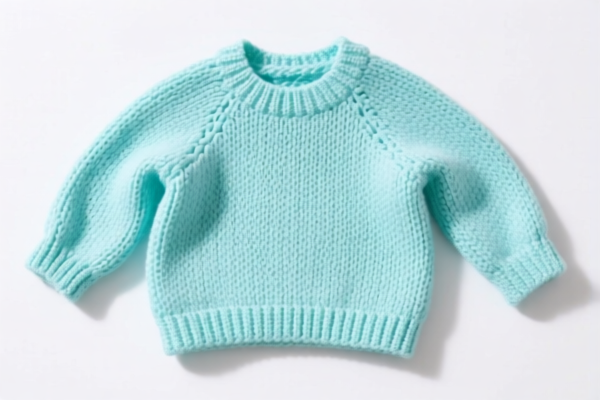
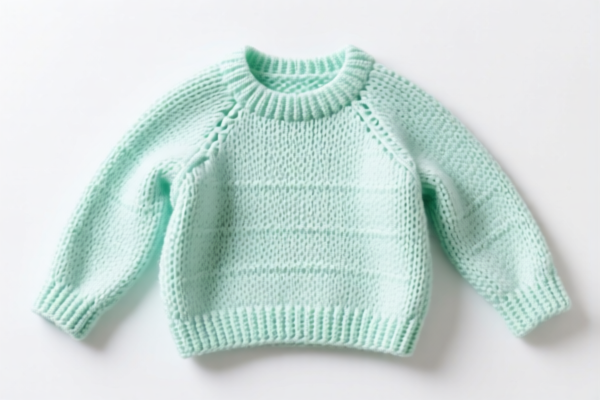
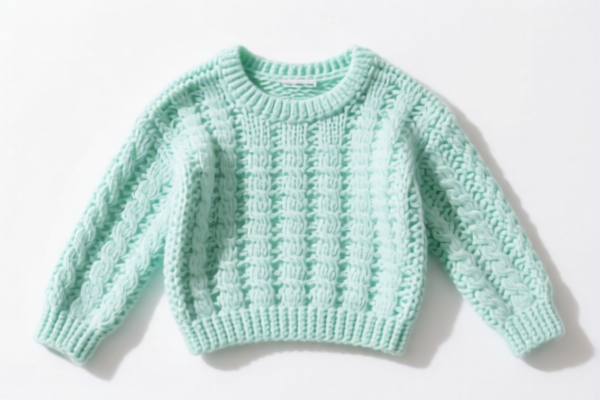

AI Analysis
🧥 Plastic-Coated Knitted/Crocheted Workwear (Plastic Composite Knitted/Crocheted Garment)
🌐 HS Code Reference & Customs Clearance Guide | 2026 Latest Tariff Analysis | Professional Transit Strategy
📌 I. Product Definition & Classification: Do You Really Understand "Plastic Composite Garments"?
Plastic-coated knitted or crocheted garments are protective workwear designed for industrial, outdoor, or hazardous environments. In international trade, they are classified based on the base fabric structure (Knitted/Crocheted vs. Woven) and the coating material.
The input Plastic Composite Knitted/Crocheted Garment implies:
1. Base Fabric: Knitted or Crocheted (implied by "Knitted/Crocheted").
2. Surface Treatment: Plastic Coated (implied by "Plastic Composite").
3. Usage: Workwear (implied by context).
⚠️ Key Distinction:
- If the base fabric is Knitted/Crocheted, it generally falls under Chapter 61.
- If the base fabric is Woven, it generally falls under Chapter 62.
- If the plastic coating is the dominant feature and it doesn't fit clothing definitions, it might fall under Chapter 39.
📦 II. HS Code Classification Details (2026 Latest Tariff Authority Alignment)
Based on the provided <DATA>, here are the four potential HS Codes with their specific rationales:
| HS Code | Product Description | Rationale from <DATA> |
Applicability |
|---|---|---|---|
6113.00.90.65 |
Workwear, Knitted/Crocheted, Plastic-Coated | ✅ Match Successful: Material is knitted/crocheted with coating; Form is workwear. Perfectly consistent with "Industrial Clothing" usage and material description. | Highly Recommended if clearly Workwear |
6113.00.90.55 |
Garments, Knitted/Crocheted, Coated Fabric | ✅ Form Matches: Made of knitted/crocheted fabric. Material inference: "Plastic coated" implies base fabric fits Chapter 59 category; no material conflict. | Strong Alternative if "Workwear" label is weak |
6210.50.35.00 |
Garments, Made-up of Fabrics of Chapter 59 | ✅ Form Matches: Workwear form. Material: Plastic coated. Common Sense Inference: Base fabric is likely knitted/crocheted (Chapter 60/61), but declared under Chapter 62 due to Chapter 59 fabric nature. | Alternative if base is technically "Fabrics of Ch. 59" |
3926.20.90.10 |
Other Articles of Plastics (Workwear) | ⚠️ Possible: "Plastic Coated" matches Ch. 39 requirements. "Workwear" is clothing. Based on "Other" catch-all rules, no material conflict. | Last Resort (High Tax) |
🔍 Critical Note:
- Chapter 61 vs. Chapter 62: The key is whether the base fabric is knitted (Ch 61) or woven (Ch 62). The prompt says "Knitted/Crocheted," strongly pointing to 6113.
- Chapter 39: Only used if the garment is considered primarily an "article of plastic" rather than "apparel." This is rare for wearable garments unless it's a rain suit made entirely of plastic sheets.
💰 III. 2026 Latest Tariff Rate Details (Including Surtaxes & Policy Add-ons)
✅ Applicable Country: USA (US)
✅ Origin: China (CN)
✅ Effective Date: 2025/2026 (Current Trade Rules)
🎯 1. 6113.00.90.65 —— Workwear, Knitted/Crocheted, Plastic-Coated (Best Fit)
| Item | Content |
|---|---|
| Base Tariff | 7.1% |
| Section 301 Surtax | 7.5% |
| Section 122 Tariff | 10.0% |
| Total Tax Rate | 24.6% |
| Tax Calculation | CIF Value × 24.6% |
| De Minimis Eligible? | ❌ No (Deny de minimis) |
| Legal Basis Path | Base: 6113 → Surtax: 301 → Special: 122 |
📌 Explanation:
- 7.1%: Standard MFN base duty for knitted/crocheted garments.
- 7.5%: Section 301 Additional Duty (Trade War Tariff).
- 10%: Section 122 Tariff (Specific additional duty for certain goods from China).
- Total: 24.6% is the most accurate rate for plastic-coated knitted workwear.
🎯 2. 6113.00.90.55 —— Other Knitted/Crocheted Coated Garments
| Item | Content |
|---|---|
| Base Tariff | 7.1% |
| Section 301 Surtax | 7.5% |
| Section 122 Tariff | 10.0% |
| Total Tax Rate | 24.6% |
| Tax Calculation | CIF Value × 24.6% |
| De Minimis Eligible? | ❌ No |
| Legal Basis Path | Base: 6113 → Surtax: 301 → Special: 122 |
📌 Note:
- Same tax burden as6113.00.90.65.
- Use this if the product is not explicitly "Workwear" but still "Knitted/Crocheted with Plastic Coating."
🎯 3. 6210.50.35.00 —— Garments of Fabrics of Chapter 59
| Item | Content |
|---|---|
| Base Tariff | 3.8% |
| Section 301 Surtax | 0.0% |
| Section 122 Tariff | 10.0% |
| Total Tax Rate | 13.8% |
| Tax Calculation | CIF Value × 13.8% |
| De Minimis Eligible? | ❌ No |
| Legal Basis Path | Base: 6210 → Special: 122 |
📌 Warning:
- Lower Total Rate (13.8%), but RISKY.
- Only apply if the garment is Woven (not Knitted) or if customs accepts the "Chapter 59 Fabric" classification despite being knitted.
- If misclassified (e.g., actual knitted goods declared as woven), penalties apply.
🎯 4. 3926.20.90.10 —— Other Plastic Articles (Catch-All)
| Item | Content |
|---|---|
| Base Tariff | 5.0% |
| Section 301 Surtax | 25.0% |
| Section 122 Tariff | 10.0% |
| Total Tax Rate | 40.0% |
| Tax Calculation | CIF Value × 40.0% |
| De Minimis Eligible? | ❌ No |
| Legal Basis Path | Base: 3926 → Surtax: 301 → Special: 122 |
📌 Caution:
- Highest Rate (40.0%).
- Only use if the product is NOT considered "garment/apparel" by customs (e.g., heavy-duty plastic protective covers).
- Do NOT use for wearable workwear unless explicitly advised by a customs broker.
🛠️ IV. Customs Clearance Practical Advice (Avoid Pitfalls)
✅ 1. Required Documentation Checklist (Mandatory)
| Document | Required | Explanation |
|---|---|---|
| ✅ Product Specification Sheet | ✔️ | Must state: "Knitted/Crocheted Base," "Plastic Coating," "Workwear Use." |
| ✅ Material Composition | ✔️ | % Cotton/Polyester (base) + % PVC/PE (coating). |
| ✅ Product Photos | ✔️ | Show texture (knit pattern) and coating surface. |
| ✅ Commercial Invoice | ✔️ | Description: "Plastic Coated Knitted Workwear." |
| ✅ Packing List | ✔️ | Weight, dimensions, quantity. |
| ✅ Origin Certificate | ✔️ | If not CN, may reduce tariffs. |
✅ 2. Declaration Tips (Key Mantra)
🔥 "Knitted = 61, Woven = 62, Plastic = 122/301. Be Precise!"
| Situation | Correct Declaration | Wrong Practice |
|---|---|---|
| Knitted Base + Plastic Coating + Workwear | 6113.00.90.65 |
Declare as 6210 (Woven) → Risk of Penalty |
| Woven Base + Plastic Coating + Workwear | 6210.50.35.00 |
Declare as 6113 (Knitted) → Risk of Penalty |
| Non-Wearable Plastic Cover | 3926.20.90.10 |
Declare as Garment → Higher Tax (40%) |
| General Coated Fabric | 6113.00.90.55 |
Use generic "Clothing" → Ambiguity |
✅ 3. Special Handling
| Situation | Advice |
|---|---|
| Ambiguous Fabric Structure | Provide micrographs or supplier confirmation of "Knitted vs. Woven." |
| Dual-Use (Workwear + Fashion) | Declare as "Workwear" if primary use is industrial; provides clearer HS path (6113.00.90.65). |
| High-Value Shipment | Consider Advance Ruling to confirm 6113.00.90.65 vs. 6210.50.35.00 to save 10.8% in tax if eligible. |
🌍 V. Global Market Clearance Comparison (2026)
| Country/Region | Recommended HS Code | Tariff (China Origin) | Certification | Notes |
|---|---|---|---|---|
| 🇺🇸 USA | 6113.00.90.65 |
24.6% (Base 7.1% + 301 7.5% + 122 10%) | None specific | Highest transparency for knitted coated workwear. |
| 🇪🇺 EU | 6113.00.00 |
~12% (Variable) | CE (if PPE) | Check national HS variations. |
| 🇨🇳 China | 6113.00.90 |
~12-15% (Import) | CCC (if PPE) | Domestic use may have different rates. |
| 🇬🇧 UK | 6113.00.00 |
~12% | UKCA | Post-Brexit rules apply. |
📌 Conclusion:
- USA is the most complex market due to Section 301 and Section 122 tariffs.
- Accurate Fabric Classification (Knitted vs. Woven) is critical to avoid audit risks.
-6113.00.90.65is the most defensible and accurate code for Plastic-Coated Knitted Workwear.
📌 VI. Common Errors & Pitfalls (Blood Lessons)
❌ Error 1: Declaring Knitted garments as Woven (6210) to get lower base duty (3.8% vs 7.1%).
👉 Consequence: Customs audit, penalty, retroactive tax + interest. Not Worth It.
❌ Error 2: Using 3926 (Plastic Articles) for wearable workwear.
👉 Consequence: 40% Tax Rate instead of 24.6%. Overpaying significantly.
❌ Error 3: Ignoring Section 122 Tariff.
👉 Consequence: Missing 10% additional duty. Audit flag for under-declaration.
✅ Correct Approach:
"Plastic-Coated Knitted Workwear, Poly/Cotton Base, PVC Coated, Industrial Use, Model XYZ, Origin China"
🎯 VII. Conclusion: Professional Declaration, Cost Optimization!
🎯 Remember the Mantra:
🔹 "Knitted = 61, Woven = 62. Plastic Coating = 122 Tariff. Be Specific!"
🔹 "HS Code Determines Tax. 24.6% vs 40% = Big Difference!"
📌 Tips:
- If your product is not workwear (e.g., fashion raincoat), use 6113.00.90.55 (24.6%).
- If you can prove Woven base, use 6210.50.35.00 (13.8%) — BUT ensure material is truly woven.
- Always check for Section 122 applicability on all goods from China.
📣 Immediate Action:
📞 Consult Customs Broker + Provide Material Specs + Apply for Advance Ruling if high volume.
🚀 Ensure accurate classification to avoid penalties, save costs, and clear customs smoothly!
✨ Professional Clearance Starts with Precise Classification!
💼 Every dollar saved is every dollar earned!
Customer Reviews
About HS Code Classification
The Harmonized System (HS) is an internationally standardized nomenclature developed by the World Customs Organization (WCO) to classify traded products. Over 200 countries use the HS system as the basis for customs tariffs, trade statistics, and import/export regulations.
Each HS code follows a hierarchical structure:
- Chapter (2 digits) — Broad category of goods (e.g., Chapter 84: Machinery and Mechanical Appliances)
- Heading (4 digits) — More specific grouping within the chapter
- Subheading (6 digits) — Internationally standardized breakdown, used by all WCO member countries
- National subdivisions (8-10 digits) — Country-specific extensions for further classification, such as US HTSUS 10-digit codes
Correct HS code classification is essential for smooth customs clearance, accurate duty payment, and compliance with trade regulations. Misclassification can lead to customs delays, overpayment of duties, or penalties.
When importing from CN to US, the applicable tariff rates may include:
- Most-Favored-Nation (MFN) rate — The standard duty rate applied to WTO members
- General rate — Applied to countries without trade agreements
- Trade remedy duties — Additional tariffs such as Section 301 (anti-dumping), Section 232 (national security), or countervailing duties
The information provided on this page is for reference purposes only. For official classification, please consult with your local customs authority or a licensed customs broker.