Plastic Cosmetic Bag
CN → US| HS Code | Tariff Rate | Origin | Destination | Doc |
|---|---|---|---|---|
| 3923300090 | 38.0% | CN | US | Official Doc |
| 3923300010 | 38.0% | CN | US | Official Doc |
| 4205006000 | 39.9% | CN | US | Official Doc |
| 4202329300 | 52.6% | CN | US | Official Doc |
| 4205008000 | 35.0% | CN | US | Official Doc |
Product Images
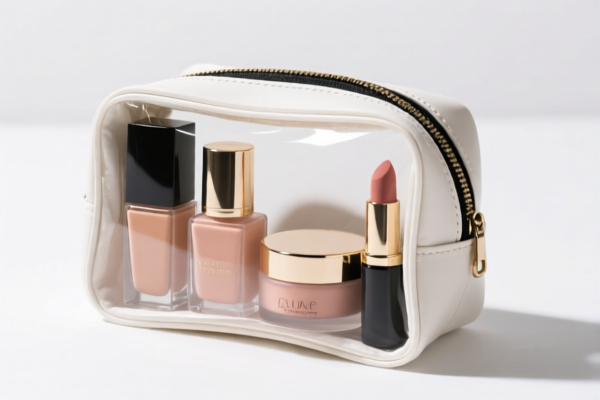
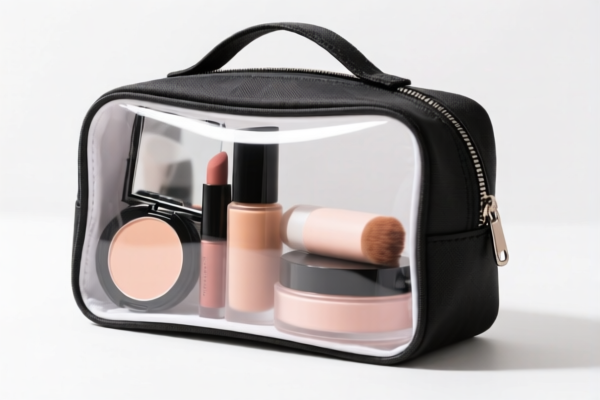
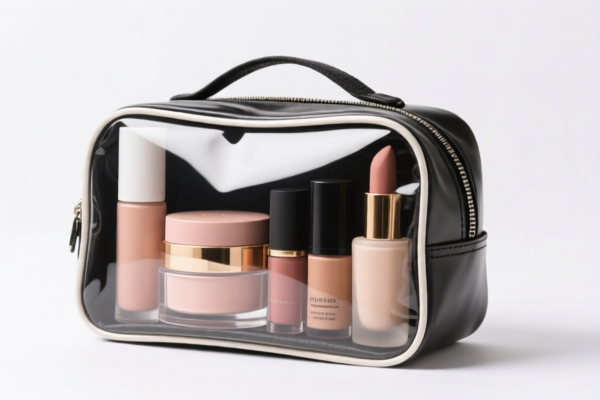
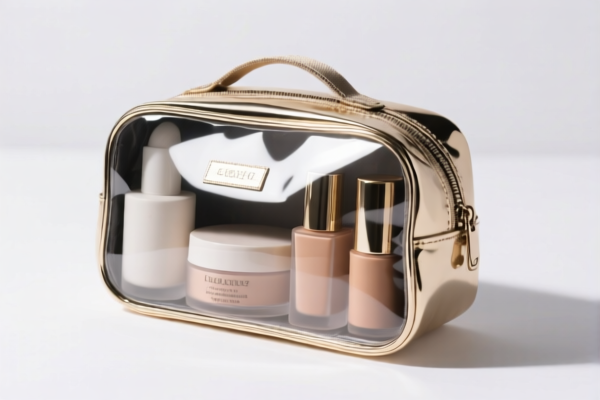
AI Analysis
👜 Plastic Cosmetic Bag & Containers: The Ultimate Import Guide
🌐 HS Code Reference & Customs Clearance Strategy | 2026 Latest Tariff Analysis | Professional-Level Compliance
📌 I. Product Definition & Classification: Do You Really Know What a "Plastic Cosmetic Bag" Is?
In international trade, "Plastic Cosmetic Bag" is a misleading umbrella term that hides significant classification risks. It generally falls into two distinct categories based on material and function:
- Plastic Bottles/Containers (Rigid): Hard plastic items used to hold cosmetics (e.g., lotion bottles, shampoo bottles). These are packaging materials.
- Cosmetic Pouches/Toiletry Bags (Flexible/Soft): Soft items used to carry cosmetics. Even if called a "plastic bag," if it is made of textile, leather, or vinyl, it is classified as a bag, not plastic packaging.
⚠️ Critical Distinction:
- If it is a rigid bottle (hard plastic) → It is Plastic Packaging (Chapter 39).
- If it is a soft pouch (textile/leather/vinyl) → It is a Bag/Container (Chapter 42).
- Misclassification Danger: Declaring a textile cosmetic pouch as "plastic" to seek lower tariffs will result in severe penalties. Declaring a plastic bottle as a "bag" may lead to rejection by customs.
📦 II. HS Code Classification Details (Based on Provided Data)
The term "Plastic Cosmetic Bag" covers multiple potential HS Codes depending on the specific material and structure. Below are the authorized classifications derived from the provided dataset.
| HS Code | Product Description | Material/Structure | Total Tax Rate | Applicable Scenario |
|---|---|---|---|---|
| 3923.30.00.90 | Plastic Cosmetic Bottle | Plastic, Rigid Bottle Shape | 38.0% | Hard plastic bottles for lotion, shampoo, or creams. |
| 3923.30.00.10 | Plastic Cosmetic Bottle | Plastic, R Bottle Shape | 38.0% | Specific plastic packaging for cosmetics, used as packaging supplies. |
| 4205.00.60.00 | Cosmetic Bag (Leather/Faux) | Leather, Synthetic Leather, or Fabric | 39.9% | Fallback category for leather/synthetic cosmetic bags; matches other leather goods. |
| 4202.32.93.00 | Cosmetic Bag (Textile) | Textile Material, Bag/Container Form | 52.6% | Soft pouches made of fabric, nylon, or polyester. |
| 4205.00.80.00 | Cosmetic Bag (Leather/Synthetic) | Leather or Synthetic Leather | 35.0% | Leather or synthetic leather cosmetic accessories; no material conflict. |
🔍 Key Insight:
- "Plastic" in the product name does not guaranteeHS Code 39xx.
- If your "bag" is made of PVC (vinyl), Nylon, or Canvas, it likely belongs to Chapter 42 (4202 or 4205), not Chapter 39.
- Only rigid plastic containers (bottles/jars) fall under 3923.30.00.
💰 III. 2026 Latest Tariff Rate Breakdown (Including Additional Duties)
✅ Applicable Country: United States (US)
✅ Origin: China (CN)
✅ Effective Date: 2025/2026 (Current Policy)
🎯 1. Plastic Bottles/Packaging (3923.30.00.90 / 3923.30.00.10)
| Item | Detail |
|---|---|
| Base Duty | 3.0% (Standard Most-Favored-Nation rate) |
| Section 301 Duty (Section 122/25%) | 25.0% (USITC Footnote) |
| IEEPA Duty (Section 122) | 10.0% (Targeting Chinese origin goods) |
| Total Tax Rate | 38.0% |
| De Minimis Exemption? | ❌ NO (Denied for Section 301/IEEPA goods) |
| Legal Basis | IEEPA:9903.01.25 + USITC:3923.30.00 + FOOTNOTE:122 |
📌 Explanation:
- These rigid plastic containers are treated as packaging.
- The 38% total duty is heavy. Importers must ensure the declared value is accurate.
- No de minimis (Section 321) exemption applies, meaning even small shipments are taxed.
🎯 2. Leather/Synthetic Leather Cosmetic Bags (4205.00.60.00 / 4205.00.80.00)
| HS Code | Item | Detail |
|---|---|---|
| 4205.00.60.00 | Fallback Leather Bag | Base: 4.9% + 301: 25% + IEEPA: 10% = 39.9% |
| 4205.00.80.00 | Leather/Synthetic Bag | Base: 0.0% + 301: 25% + IEEPA: 10% = 35.0% |
📌 Explanation:
-4205.00.80.00is the most favorable option if the bag is genuinely made of leather or synthetic leather.
- The base duty is 0%, reducing the total to 35% (vs. 39.9% or 52.6%).
- Crucial: You must provide proof of material (e.g., material composition tag, supplier declaration) to qualify for the 0% base rate.
🎯 3. Textile Cosmetic Bags (4202.32.93.00)
| Item | Detail |
|---|---|
| Base Duty | 17.6% |
| Section 301 Duty | 25.0% |
| IEEPA Duty | 10.0% |
| Total Tax Rate | 52.6% |
| De Minimis Exemption? | ❌ NO |
📌 Explanation:
- If your "plastic bag" is actually made of nylon, polyester, or canvas, it falls here.
- This is the highest tax bracket at 52.6%.
- Risk: Many sellers mislabel textile bags as "plastic" to avoid this, but Customs uses visual inspection and material testing. If caught, you face fraud penalties.
🛠️ IV. Customs Clearance Practical Advice (Avoid Pitfalls)
✅ 1. Material Declaration is Key
| Material | Correct HS Code Range | Common Mistake |
|---|---|---|
| Hard Plastic (Bottles/Jars) | 3923.30.00 |
Misdeclaring as "Bag" |
| Soft Vinyl/PVC (Pouches) | 4202.32.93 or 4205.00 |
Misdeclaring as "Plastic Packaging" (3923) |
| Textile (Nylon/Polyester) | 4202.32.93 |
Calling it "Plastic Bag" |
| Leather/Synthetic Leather | 4205.00.80 |
Calling it "Plastic Bag" |
🔥 "Don't let the name fool you!"
A "Plastic Cosmetic Bag" made of PVC is not plastic packaging under HS 3923 if it is a flexible container for carrying items. It is a bag under Chapter 42.
✅ 2. Required Documents for Clearance
| Document | Requirement | Purpose |
|---|---|---|
| Product Photos | Clear images of the item | Prove if it is rigid (bottle) or soft (bag) |
| Material Composition Tag | 100% Polyester, 100% PVC, etc. | Determines Chapter 39 vs. Chapter 42 |
| Commercial Invoice | Detailed description: "Plastic Cosmetic Bottle" or "Nylon Cosmetic Pouch" | Avoids ambiguity |
| Supplier Declaration | Statement of Material | Supports HS Code selection |
✅ 3. Cost Optimization Strategy
- For Soft Bags: If you can source synthetic leather bags instead of textile (nylon) bags, you can save 17.6% in base duty (52.6% → 35.0%).
- For Rigid Containers: Ensure they are declared as "Plastic Cosmetic Bottles" not "Bags" to match
3923.30.00. - Avoid "Catch-All" Descriptions: Do not use vague terms like "Beauty Accessory." Be specific: "Rigid Plastic Lotion Bottle" or "Soft PVC Travel Pouch."
🌍 V. Global Market Comparison (2026)
| Country/Region | Recommended HS Code | Est. Total Duty (China Origin) | Notes |
|---|---|---|---|
| 🇺🇸 USA | 3923.30.00 (Plastic) or 4205.00.80 (Leather) |
35.0% - 52.6% | Heavy Section 301 + IEEPA tariffs. No de minimis. |
| 🇨🇳 China | 3923.30 or 4202 |
Low (0-10%) | No additional 301/IEEPA tariffs. |
| 🇪🇺 EU | 3923.30 or 4202 |
Varies (2-12%) | No US-style Section 301 tariffs. EORI required. |
| 🇬🇧 UK | 3923.30 or 4202 |
Varies (2-12%) | Post-Brexit rules apply. |
📌 Conclusion:
The US market is the most challenging due to the 301 and IEEPA tariffs.
- Textile Bags are the most expensive (52.6%).
- Leather/Synthetic Leather Bags are the cheapest (35.0%).
- Plastic Bottles are in the middle (38.0%).
📌 VI. Common Errors & Pitfalls (Blood Lessons)
❌ Error 1: Declaring a Nylon Cosmetic Pouch as a "Plastic Bottle"
👉 Consequence: Customs rejects the entry, demands material proof, or reclassifies to 4202.32.93 (52.6%) → Back taxes + Penalties.
❌ Error 2: Using "Plastic Bag" for a Textile Pouch to avoid high tax
👉 Consequence: Visual inspection reveals fabric texture → Audit triggered.
❌ Error 3: Ignoring Section 122 (IEEPA) 10% Duty
👉 Consequence: Budgeting for only 301 duty (25%) but facing 38% total → Profit margin erosion.
✅ Correct Practice:
- Rigid Plastic: "Plastic Cosmetic Bottle, PP Material, for Lotion." →
3923.30.00.90(38%)- Soft Bag (Leather): "Synthetic Leather Cosmetic Pouch." →
4205.00.80.00(35%)- Soft Bag (Textile): "Nylon Cosmetic Pouch." →
4202.32.93.00(52.6%)
🎯 VII. Conclusion: Precision Saves Money!
🎯 Remember the Mantra:
🔹 "Rigid is Plastic (3923), Soft is Bag (4202/4205)."
🔹 "Leather is Cheaper than Textile (35% vs 52.6%)."
🔹 "Name Does Not Determine Code, Material Does!"
📌 Pro Tip:
If you are importing soft cosmetic bags, consider sourcing synthetic leather versions instead of nylon/textile. The 17.6% base duty difference can significantly boost your profit margin, even with the same 35% total US tariff.
📣 Immediate Action:
📞 Verify Material: Check your supplier's material tags.
📄 Update Invoice: Use specific descriptions (e.g., "PVC Pouch" not "Plastic Bag").
🧮 Re-calculate Costs: Include the full 38% (plastic) or 35-52% (bags) in your landed cost model.
✨ Professional Customs Clearance Starts with Accurate Classification!
💼 Your Margins Depend on the First Letter of the HS Code!
Customer Reviews
About HS Code Classification
The Harmonized System (HS) is an internationally standardized nomenclature developed by the World Customs Organization (WCO) to classify traded products. Over 200 countries use the HS system as the basis for customs tariffs, trade statistics, and import/export regulations.
Each HS code follows a hierarchical structure:
- Chapter (2 digits) — Broad category of goods (e.g., Chapter 84: Machinery and Mechanical Appliances)
- Heading (4 digits) — More specific grouping within the chapter
- Subheading (6 digits) — Internationally standardized breakdown, used by all WCO member countries
- National subdivisions (8-10 digits) — Country-specific extensions for further classification, such as US HTSUS 10-digit codes
Correct HS code classification is essential for smooth customs clearance, accurate duty payment, and compliance with trade regulations. Misclassification can lead to customs delays, overpayment of duties, or penalties.
When importing from CN to US, the applicable tariff rates may include:
- Most-Favored-Nation (MFN) rate — The standard duty rate applied to WTO members
- General rate — Applied to countries without trade agreements
- Trade remedy duties — Additional tariffs such as Section 301 (anti-dumping), Section 232 (national security), or countervailing duties
The information provided on this page is for reference purposes only. For official classification, please consult with your local customs authority or a licensed customs broker.