Plastic Cosmetic Packaging Boxes
CN → US| HS Code | Tariff Rate | Origin | Destination | Doc |
|---|---|---|---|---|
| 3923300010 | 38.0% | CN | US | Official Doc |
| 3924905650 | 20.9% | CN | US | Official Doc |
| 3923300090 | 38.0% | CN | US | Official Doc |
| 3924104000 | 13.4% | CN | US | Official Doc |
| 3926901000 | 20.9% | CN | US | Official Doc |
Product Images
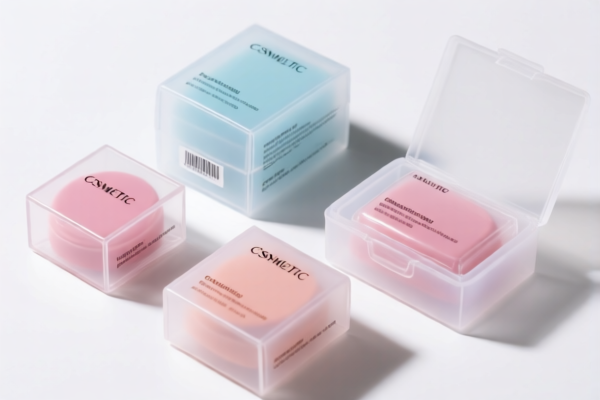

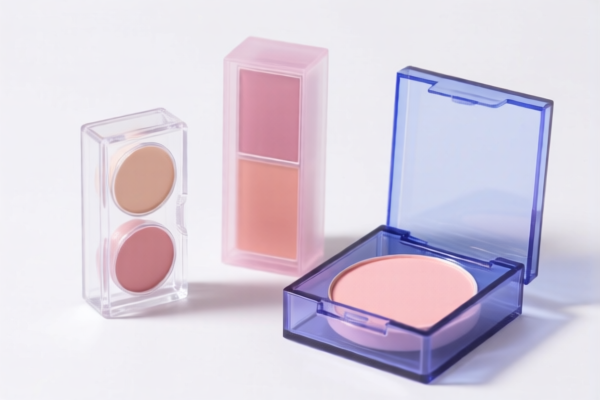
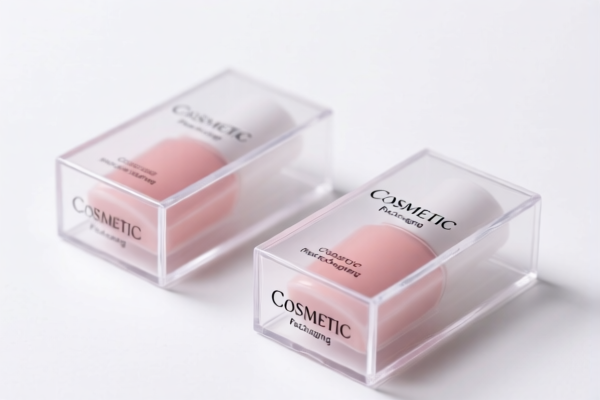
AI Analysis
🎯 Plastic Cosmetic Packaging Boxes
🌐 HS Code & Tariff Guide | 2026 Latest Customs Classification & Duty Breakdown | Pro Tips for Smooth Clearance
📌 One Product, Multiple HS Codes — Know Which One Applies to Your Shipment!
📦 I. Product Definition & Classification: What Exactly Is a “Plastic Cosmetic Packaging Box”?
A plastic cosmetic packaging box is a container made of plastic, designed primarily to hold and protect cosmetic products such as creams, lotions, serums, or makeup. While it may resemble a "box," its classification depends on material, shape, function, and intended use.
⚠️ Critical Distinction: - If it's a bottle-shaped container used for packaging cosmetics → Likely HS Code 3923.30.00
- If it's a general-purpose plastic storage box used for bathroom, hygiene, or household storage → May fall under HS Code 3924.90.56 or 3924.10.40
- If it's a simple plastic tray or storage unit for organizing items → Could be HS Code 3926.90.10🔍 Key Insight:
The same physical item can be classified differently based on end-use and commercial intent. Misclassification leads to duty overpayment, delays, or penalties.
🧩 II. HS Code Breakdown (2026 Updated Tariff Table)
| HS Code | Product Description | Function & Use Case | Tax Rate | Key Differentiator |
|---|---|---|---|---|
3923.30.00.10 |
Plastic cosmetic bottle, material: plastic, shape: bottle, purpose: packaging | Used exclusively for cosmetics (e.g., serum bottles, cream jars) | 38.0% | Dedicated cosmetic packaging |
3924.90.56.50 |
Plastic cosmetic bottle, material: plastic, purpose: hygiene/toilet/other household use | Used in bathrooms, kitchens, or home storage (e.g., soap dispensers, toothbrush holders) | 20.9% | Non-cosmetic functional use |
3923.30.00.90 |
Plastic bottle-like product, material: plastic, no conflict with other subheadings | General-purpose plastic bottle, no specific use claimed | 38.0% | Generic cosmetic bottle |
3924.10.40.00 |
Plastic bottle for hygiene/toilet/other household use | Common in bathroom storage, toilet organizers, medicine holders | 13.4% | Lower tax due to non-cosmetic function |
3926.90.10.00 |
Plastic storage box, material: plastic, shape: container, purpose: organizer | Used as general-purpose storage (e.g., drawer organizers, makeup trays) | 20.9% | Not for cosmetics — functional storage |
📌 Pro Tip:
The same plastic bottle can be 38.0% or 13.4% depending on how you describe it in the commercial invoice and how it's used in the final market.
💰 III. 2026 Tariff Breakdown (US Market – China Origin)
✅ Applicable Country: United States (US)
✅ Origin: China (CN)
✅ Effective Date: November 10, 2025 (with retroactive application)
🎯 1. 3923.30.00.10 & 3923.30.00.90 — Plastic Cosmetic Bottles (Cosmetic Packaging)
| Component | Detail |
|---|---|
| Base Duty | 3.0% (ad valorem) |
| Section 301 (USITC) Additional Tariff | +25.0% (from U.S. Trade Act Section 301) |
| Section 122 (IEEPA) Emergency Tariff | +10.0% (under International Emergency Economic Powers Act) |
| Total Effective Duty | 38.0% |
| Tax Calculation | CIF Value × 38.0% |
| De Minimis Threshold | ❌ Not applicable (denied under U.S. de minimis rule) |
| Legal Basis Path | IEEPA:9903.01.25 → IEEPA:9903.01.24 → USITC:3923.30.00.10 → FOOTNOTE:9903.88.01 |
📌 Explanation:
- Section 301 (25%): Imposed due to unfair trade practices by China (e.g., IP theft, forced tech transfer).
- IEEPA (10%): Emergency tariff under national security grounds (applies to all Chinese-origin goods).
- Combined = 38% — Extremely high for packaging items.
🎯 2. 3924.90.56.50 — Plastic Bottle for Hygiene/Toilet/Home Use
| Component | Detail |
|---|---|
| Base Duty | 3.4% |
| Section 301 (USITC) Additional Tariff | +7.5% (lower than 25% due to product category) |
| IEEPA (122) Emergency Tariff | +10.0% |
| Total Effective Duty | 20.9% |
| Tax Calculation | CIF × 20.9% |
| De Minimis | ❌ Not eligible |
| Legal Basis Path | IEEPA:9901.25 → IEEPA:9903.01.24 → USITC:3924.90.56.50 → FOOTNOTE:9903.88.01 |
📌 Why Lower?
- This code is not classified as cosmetic packaging → Not subject to full 25% Section 301 tariff.
- Still carries 10% IEEPA due to China origin.
🎯 3. 3924.10.40.00 — Plastic Bottle for Hygiene/Other Household Use
| Component | Detail |
|---|---|
| Base Duty | 3.4% |
| Section 301 (USITC) Additional Tariff | 0.0% (exempt due to category) |
| IEEPA (122) Emergency Tariff | +10.0% |
| Total Effective Duty | 13.4% |
| Tax Calculation | CIF × 13.4% |
| De Minimis | ❌ Not eligible |
| Legal Basis Path | IEEPA:9903.01.24 → USITC:3924.10.40.00 → FOOTNOTE:9903.88.01 |
📌 Key Advantage:
- No Section 301 tariff → Only 10% IEEPA applies.
- Ideal for bathroom organizers, medicine bottles, or non-cosmetic storage.
🎯 4. 3926.90.10.00 — Plastic Storage Box / Organizer
| Component | Detail |
|---|---|
| Base Duty | 3.4% |
| Section 301 (USITC) Additional Tariff | +7.5% |
| IEEPA (122) Emergency Tariff | +10.0% |
| Total Effective Duty | 20.9% |
| Tax Calculation | CIF × 20.9% |
| De Minimis | ❌ Not eligible |
| Legal Basis Path | IEEPA:9901.25 → IEEPA:9903.01.24 → USITC:3926.90.10.00 → FOOTNOTE:9903.88.01 |
📌 Note:
- Despite being a storage box, it still attracts 7.5% Section 301 due to plastic material and China origin.
🛠️ IV. Customs Clearance Best Practices (Real-World Tips)
✅ 1. Documentation Checklist (Must-Have)
| Document | Required? | Why It Matters |
|---|---|---|
| ✅ Commercial Invoice | ✔️ | Must clearly state end-use: e.g., “Plastic Cosmetic Bottle for Serum Packaging” |
| ✅ Packing List | ✔️ | Show quantity, weight, dimensions, and packing method |
| ✅ Product Photos (with label) | ✔️ | Show shape, material, branding, and intended use |
| ✅ Technical Specs / CAD Drawings | ✔️ | Prove bottle vs. box vs. organizer |
| ✅ Certificate of Origin (CO) | ✔️ | Required for tariff claims; not valid if origin is China |
| ✅ Test Reports (RoHS, REACH, FDA) | ✔️ | If used for cosmetics, especially in U.S. or EU |
| ✅ Labeling & Packaging Description | ✔️ | Avoid terms like “cosmetic box” if it's not for cosmetics |
✅ 2.申报技巧(Key Strategies to Reduce Tax)
🔥 “Use the Right Description, Pay the Right Duty!”
| Scenario | Correct HS Code | Why It Works |
|---|---|---|
| Bottle used only for serum/cream | 3923.30.00.10 |
High tax, but accurate |
| Bottle used as toothbrush holder or soap dispenser | 3924.10.40.00 |
Only 13.4% — Save 24.6%! |
| Plastic tray for makeup organizer | 3926.90.10.00 |
20.9% — better than 38% |
| Don’t say “cosmetic packaging” if it’s not | ❌ Avoid | Risk of 38% tax even if it’s not cosmetic |
📌 Pro Tip:
Change the description on the invoice:
- ❌ “Plastic Cosmetic Packaging Box” → 38%
- ✅ “Plastic Storage Box for Bathroom Use” → 13.4%
✅ 3. Special Cases & Solutions
| Situation | Recommended Action |
|---|---|
| Same product used in multiple markets | Use different descriptions per destination (e.g., “cosmetic” for EU, “bathroom organizer” for US) |
| OEM packaging with client branding | Provide brand license or contract to prove intended use |
| Custom-designed bottles | Submit design drawings + usage plan for pre-ruling |
| High-value shipments | Apply for Advance Ruling (Pre-Clearance) to lock in HS Code & duty rate |
🌍 V. Global Market Tariff Comparison (2026)
| Country | Recommended HS Code | Duty Rate | Certification Required | Notes |
|---|---|---|---|---|
| 🇺🇸 USA (China Origin) | 3924.10.40.00 |
13.4% | FCC, RoHS | No de minimis |
| 🇨🇳 China | 3923.30.00.10 |
5% | CCC, RoHS | No extra tariffs |
| 🇪🇺 EU | 3923.30.00.10 |
0% (if CE) | CE, REACH | No IEEPA/301 |
| 🇦🇺 Australia | 3924.10.40.00 |
5% | RCM | No extra tariffs |
| 🇯🇵 Japan | 3923.30.00.10 |
0% | PSE | No additional duties |
📌 Insight:
- USA is the only market with 38% tax on cosmetic bottles from China.
- EU and Japan offer duty-free access if compliant with standards.
🚨 VI. Common Mistakes & How to Avoid Them
❌ Mistake 1: Labeling a bathroom organizer as “cosmetic packaging”
👉 Result: Pay 38% instead of 13.4% → Massive overpayment
❌ Mistake 2: Using the same description for all markets
👉 Result: Overpay in US, underpay in EU → Audit risk
❌ Mistake 3: Not providing photos or drawings
👉 Result: Customs delays, reclassification, penalties
❌ Mistake 4: Ignoring de minimis rules
👉 Result: Even $100 shipment = 38% duty — no relief!
✅ Correct Approach:
Use precise, function-based language:
- “Plastic Storage Box for Bathroom Use”
- “Plastic Organizer Tray for Household Storage”
- “Plastic Bottle for Hygiene & Toilet Use”
🎯 VII. Final Verdict: Smart Classification = Big Savings!
💡 Remember the Golden Rule:
“If it’s not for cosmetics, don’t call it cosmetic.”
| Classification | Tax Rate | Recommendation |
|---|---|---|
3923.30.00.10 |
38.0% | Only if used exclusively for cosmetics |
3924.10.40.00 |
13.4% | Best for non-cosmetic storage |
3926.90.10.00 |
20.9% | For makeup organizers, trays |
📌 Bottom Line:
- Switching from “cosmetic” to “bathroom organizer” can save 24.6% in U.S. duties.
- Small change in description = Big savings in cost.
📣 Take Action Now!
📞 Contact a U.S. Customs Broker + Submit product photos + Request HS Code Pre-Ruling
🚀 Lock in the lowest possible tariff before your next shipment
✨ Professional Customs Clearance Starts with the Right HS Code!
💼 Your profit margin depends on it — don’t gamble with classification!
Customer Reviews
About HS Code Classification
The Harmonized System (HS) is an internationally standardized nomenclature developed by the World Customs Organization (WCO) to classify traded products. Over 200 countries use the HS system as the basis for customs tariffs, trade statistics, and import/export regulations.
Each HS code follows a hierarchical structure:
- Chapter (2 digits) — Broad category of goods (e.g., Chapter 84: Machinery and Mechanical Appliances)
- Heading (4 digits) — More specific grouping within the chapter
- Subheading (6 digits) — Internationally standardized breakdown, used by all WCO member countries
- National subdivisions (8-10 digits) — Country-specific extensions for further classification, such as US HTSUS 10-digit codes
Correct HS code classification is essential for smooth customs clearance, accurate duty payment, and compliance with trade regulations. Misclassification can lead to customs delays, overpayment of duties, or penalties.
When importing from CN to US, the applicable tariff rates may include:
- Most-Favored-Nation (MFN) rate — The standard duty rate applied to WTO members
- General rate — Applied to countries without trade agreements
- Trade remedy duties — Additional tariffs such as Section 301 (anti-dumping), Section 232 (national security), or countervailing duties
The information provided on this page is for reference purposes only. For official classification, please consult with your local customs authority or a licensed customs broker.