Plastic Cutlery
CN → US| HS Code | Tariff Rate | Origin | Destination | Doc |
|---|---|---|---|---|
| 3924102000 | 24.0% | CN | US | Official Doc |
| 3924104000 | 13.4% | CN | US | Official Doc |
| 3926909989 | 22.8% | CN | US | Official Doc |
| 4419901100 | 15.3% | CN | US | Official Doc |
| 3924102000 | 24.0% | CN | US | Official Doc |
Product Images
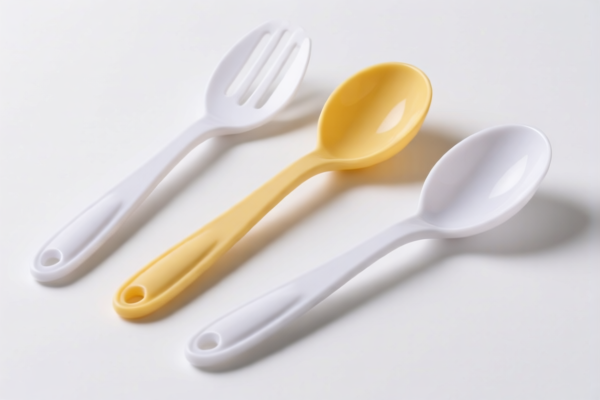
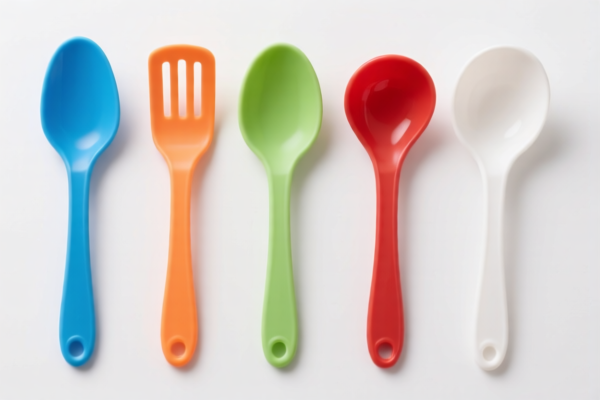
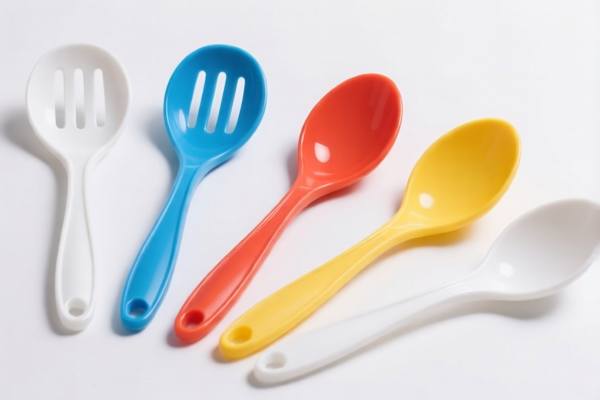
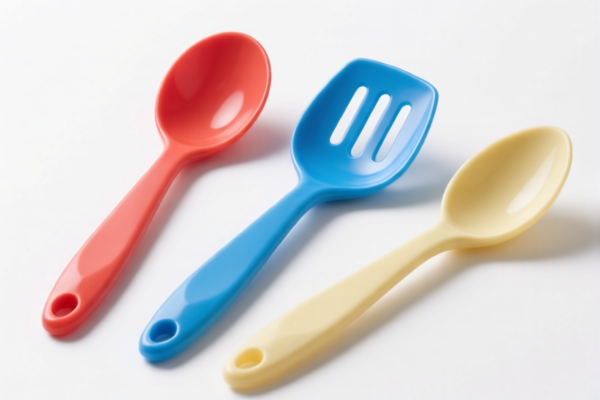
AI Analysis
🥢 Plastic Cutlery (Disposables & Reusables)
🌐 HS Code Reference & Customs Clearance Guide | 2026 Latest Tariff Analysis | Professional Entry Strategy
📌 I. Product Definition & Classification: Do You Truly Understand "Plastic Cutlery"?
Plastic cutlery is a ubiquitous category in global trade, ranging from high-volume disposable items for catering to durable reusable tableware for domestic use. In international trade, the classification hinges heavily on material composition, specific usage, and physical form (plates vs. other home articles). Misclassification often leads to significant tariff discrepancies, especially under current U.S. trade policies.
Key Distinctions: * Plates/Dinnerware: Specifically designed for holding food (plates, saucers). Often faces higher base tariffs due to specific sub-headings. * Other Household Articles: Includes items like bowls, cups, or specific types of cutlery not strictly defined as "plates." * Unclassified/General Plastics: Items that do not fit neatly into the primary "household articles" definitions or are made of mixed/complex materials.
⚠️ Critical Differentiator:
- If the item is strictly a plate or dish used for dining → Likely3924.10.20.00(Higher Base Tax).
- If it is other household plastic ware (e.g., bowls, specific cutlery types) → Likely3924.10.40.00(Lower Base Tax).
- If it is a general plastic item not clearly defined as household ware → Likely3926.90.99.89(Medium/High Tax).
📦 II. HS Code Classification Details (2026 Latest Tariff Authority对照)
| HS Code | Product Description | Applicable Scenario | Key Feature |
|---|---|---|---|
3924.10.20.00 |
Plastic Tableware, Plates and Dishes | Plastic chopsticks, plastic plates, dinner sets | Specific Sub-heading: Targets "plates and dishes." |
3924.10.40.00 |
Other Plastic Household Articles | Plastic chopsticks (disposable), spoons, forks, bowls | General Household: Covers "other" household plastics not strictly plates. |
3926.90.99.89 |
Other Plastic Articles | Unclassified plastic cutlery, non-household plastic disposables | Catch-all: For items not fitting Chapter 39.04 or 39.24 specifically. |
4419.90.11.00 |
Tableware and Kitchenware of Wood | Comparison Only: Wooden cutlery vs. Plastic | Wooden Alternative: Included for material comparison, not plastic. |
🔍 Key Reminder:
-3924.10.20.00vs.3924.10.40.00: The distinction is subtle but costly.3924.10.20is for plates/dishes. If your "cutlery" includes plates, it falls here. If it is purely utensils (chopsticks/spoons) and bowls,3924.10.40may apply, which has a lower base tax.
- Wooden Comparison: Do not classify plastic cutlery as4419.90.11.00. That code is for wood. Using it for plastic will result in seizure or heavy penalties.
💰 III. 2026 Latest Tariff Rate Breakdown (Including Surtaxes & Policy Add-ons)
✅ Applicable Country: United States (US)
✅ Country of Origin: China (CN)
✅ Effective Date: From 2025 onwards (Current Policy)
🎯 1. 3924.10.20.00 —— Plastic Tableware: Plates and Dishes
| Item | Content |
|---|---|
| Base Duty Rate | 6.5% (Ad Valorem) |
| Section 301 Surcharge | +7.5% (List 4A/B specific to plastics) |
| Section 122 Surcharge | +10% (Targeting specific Chinese imports) |
| Total Tax Rate | 24.0% |
| Tax Calculation | CIF Value × 24% |
| De Minimis Exemption? | ❌ No (High tariff items typically excluded) |
| Legal Basis Path | HTSUS:3924.10.20.00 → Section 301: 7.5% → Section 122: 10% |
📌 Explanation:
- This is the highest burden category for standard plastic plates.
- The combination of Base (6.5%) + 301 (7.5%) + 122 (10%) creates a 24% effective tariff.
- Strategic Note: If you are importing chopsticks, ensure they are not packaged with plates in a way that triggers this "plate" classification if they could be classified under3924.10.40.00.
🎯 2. 3924.10.40.00 —— Other Plastic Household Articles
| Item | Content |
|---|---|
| Base Duty Rate | 3.4% (Ad Valorem) |
| Section 301 Surcharge | 0.0% (Exempt or lower list) |
| Section 122 Surcharge | +10% (Targeting specific Chinese imports) |
| Total Tax Rate | 13.4% |
| Tax Calculation | CIF Value × 13.4% |
| De Minimis Exemption? | ❌ No (Due to Section 122) |
| Legal Basis Path | HTSUS:3924.10.40.00 → Section 122: 10% |
📌 Strategic Advantage:
- This is the sweet spot for plastic cutlery (chopsticks, spoons, bowls).
- Total Tax: 13.4% is significantly lower than the 24% for plates.
- Key: Ensure your product description emphasizes "household articles" and avoids the word "plates" if the product is primarily utensils.
🎯 3. 3926.90.99.89 —— Other Plastic Articles
| Item | Content |
|---|---|
| Base Duty Rate | 5.3% (Ad Valorem) |
| Section 301 Surcharge | +7.5% |
| Section 122 Surcharge | +10% |
| Total Tax Rate | 22.8% |
| Tax Calculation | CIF Value × 22.8% |
| De Minimis Exemption? | ❌ No |
| Legal Basis Path | HTSUS:3926.90.99.89 → Section 301: 7.5% → Section 122: 10% |
📌 Risk Warning:
- This is a high-cost fallback category.
- Only use if the item does not fit "household articles" (39.24).
- 22.8% is nearly as high as plates, but with less clear legal protection. Avoid this classification if possible.
🎯 4. 4419.90.11.00 —— Wooden Tableware (Comparison Only)
| Item | Content |
|---|---|
| Base Duty Rate | 5.3% |
| Section 301 Surcharge | 0.0% |
| Section 122 Surcharge | +10% |
| Total Tax Rate | 15.3% |
| Note | MATERIAL MISMATCH: Do NOT use for plastic. |
📌 Comparison:
- Wooden cutlery (4419.90.11.00) has a 15.3% total tax.
- Plastic cutlery (3924.10.40.00) has a 13.4% total tax.
- Insight: In some cases, plastic is cheaper than wood to import into the US due to lower Section 301 exposure on specific plastic sub-headings. Never misdeclare plastic as wood to save taxes; this is fraud.
🛠️ IV. Customs Clearance Practical Advice (Real-World Pitfall Guide)
✅ 1. Documentation Checklist (Mandatory)
| Document | Required? | Description |
|---|---|---|
| ✅ Product Specification | ✔️ | Detailed list: Material (PP/PS/PLA), Item Type (Chopsticks/Spoons), Usage. |
| ✅ Product Photos | ✔️ | Clear images of the item, packaging, and labels. Show no wooden components. |
| ✅ Commercial Invoice | ✔️ | Explicitly state: "Plastic Chopsticks/Spoons" NOT "Wooden Cutlery." |
| ✅ Packing List | ✔️ | Show weight, dimensions, and number of pieces per box. |
| ✅ Origin Certificate | ✔️ | Prove CN origin to calculate correct Surtaxes. |
✅ 2. Declaration Tips (Crucial Mantras)
🔥 "Be Specific, Avoid 'Plate' if Possible, No Wood!"
| Scenario | Correct Declaration | Wrong Action |
|---|---|---|
| Plastic Chopsticks & Spoons | 3924.10.40.00 (Other Household Articles) |
Declare as 3924.10.20.00 (Plates) → +10.6% extra tax! |
| Plastic Plates/Dishes | 3924.10.20.00 |
Declare as 3926.90.99.89 → Complex scrutiny |
| Biodegradable PLA Cutlery | 3924.10.40.00 (if household) |
Declare as 3926.90.99.89 → Higher tax (22.8%) |
| Wooden Chopsticks | 4419.90.11.00 |
Declare as Plastic → Seizure/Fraud |
📌 Strategic Tip:
If your product is plastic chopsticks, argue for3924.10.40.00because they are "other household articles," not "plates." This saves you 10.6% in taxes (13.4% vs 24.0%).
✅ 3. Special Case Handling
| Scenario | Handling Advice |
|---|---|
| Mixed Sets (Plate + Chopsticks) | If sold together, the higher duty item (Plate 3924.10.20.00) may apply to the whole set. Consider shipping separately if possible. |
| Biodegradable/PLA | Still classified under Chapter 39 (Plastics) unless specifically exempted. Check for 3924.10.40.00. |
| Reusables vs. Disposables | Duty rate is based on HS Code, not usage (disposable/reusable). Focus on the form (plate vs. other). |
| Packaging Material | If plastic wrap is included, it must be declared as accessories to the main good, not separately, to avoid split classification. |
🌍 V. Global Market Comparison (2026 Latest)
| Country/Region | Recommended HS Code | Est. Total Tax (China Origin) | Certification | Notes |
|---|---|---|---|---|
| 🇺🇸 USA | 3924.10.40.00 |
13.4% | FDA (if food contact) | High 301/122 taxes apply. |
| 🇺🇸 USA (Plates) | 3924.10.20.00 |
24.0% | FDA | High tax for plates. |
| 🇨🇳 China | 3924.10.40.00 |
7.5% | GB Standard | No Section 301/122. |
| 🇪🇺 EU | 3924.10.90 |
6.5% | LFGB/Food Contact | No Surtaxes, but high VAT. |
| 🇬🇧 UK | 3924.10.90 |
6.5% | UKCA/Food Contact | Post-Brexit rules apply. |
📌 Conclusion:
- USA is the most expensive market due to Section 301 and 122.
- Optimization: Always aim for3924.10.40.00(13.4%) over3924.10.20.00(24.0%) if your product allows.
- EU/China: Lower base taxes, but strict Food Contact Material (FCM) regulations apply.
📌 VI. Common Mistakes & Pitfalls (Lessons Learned)
❌ Mistake 1: Declaring plastic chopsticks as "Wooden Cutlery" (4419.90.11.00)
👉 Consequence: Detention, Seizure, and Fraud Penalties. Plastic is not wood.
❌ Mistake 2: Declaring all plastic items as 3926.90.99.89
👉 Consequence: Overpaying 22.8% instead of 13.4%. Customs may also question why "Household Articles" were misclassified.
❌ Mistake 3: Mixing "Plates" and "Chopsticks" in one HS Code
👉 Consequence: If plates are involved, 24.0% may apply to the whole shipment.
👉 Solution: Declare plates and chopsticks separately if invoiced separately.
❌ Mistake 4: Ignoring Section 122
👉 Consequence: All three plastic codes include +10% Section 122. Failing to account for this leads to budget shortfalls.
✅ Correct Declaration Example:
"Plastic Chopsticks and Spoons, Disposable, Material: PP, for Household Use, Not Plates" →
3924.10.40.00
🎯 VII. Conclusion: Precision in Classification Saves Money!
🎯 Remember the Mantra:
🔹 "Chopsticks & Spoons = 13.4% (
3924.10.40.00)"
🔹 "Plates = 24.0% (3924.10.20.00)"
🔹 "Unclassified = 22.8% (3926.90.99.89)"
🔹 "Never Call Plastic Wood!"
📌 Pro Tip:
If you are shipping large volumes of plastic cutlery to the US, consider pre-clearance ruling from CBP to confirm the "Plate vs. Other Household Article" status. A few cents per unit saved on thousands of units equals significant profit.
📣 Immediate Action:
📞 Contact your customs broker with detailed photos and product specs.
🚀 Optimize your HS Code to3924.10.40.00whenever possible to save 10.6% in duties.
✨ Professional Clearance Starts with Accurate Classification!
💼 Your Profit Margin Depends on the Correct HS Code!
Customer Reviews
About HS Code Classification
The Harmonized System (HS) is an internationally standardized nomenclature developed by the World Customs Organization (WCO) to classify traded products. Over 200 countries use the HS system as the basis for customs tariffs, trade statistics, and import/export regulations.
Each HS code follows a hierarchical structure:
- Chapter (2 digits) — Broad category of goods (e.g., Chapter 84: Machinery and Mechanical Appliances)
- Heading (4 digits) — More specific grouping within the chapter
- Subheading (6 digits) — Internationally standardized breakdown, used by all WCO member countries
- National subdivisions (8-10 digits) — Country-specific extensions for further classification, such as US HTSUS 10-digit codes
Correct HS code classification is essential for smooth customs clearance, accurate duty payment, and compliance with trade regulations. Misclassification can lead to customs delays, overpayment of duties, or penalties.
When importing from CN to US, the applicable tariff rates may include:
- Most-Favored-Nation (MFN) rate — The standard duty rate applied to WTO members
- General rate — Applied to countries without trade agreements
- Trade remedy duties — Additional tariffs such as Section 301 (anti-dumping), Section 232 (national security), or countervailing duties
The information provided on this page is for reference purposes only. For official classification, please consult with your local customs authority or a licensed customs broker.