Plastic Detection Component
CN → US| HS Code | Tariff Rate | Origin | Destination | Doc |
|---|---|---|---|---|
| 3923500000 | 40.3% | CN | US | Official Doc |
| 3923900080 | 38.0% | CN | US | Official Doc |
| 9017900115 | 0.0% | CN | US | Official Doc |
| 3926909989 | 22.8% | CN | US | Official Doc |
| 3926909910 | 22.8% | CN | US | Official Doc |
Product Images
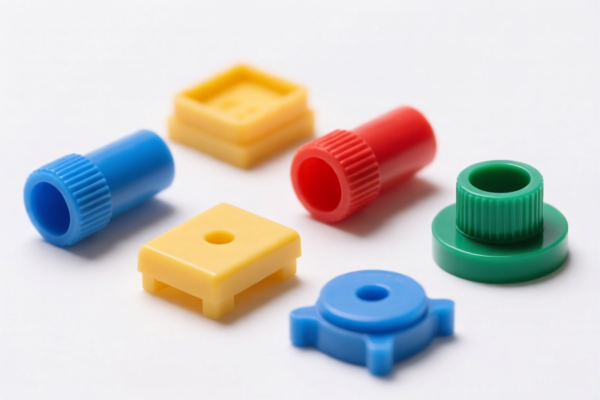
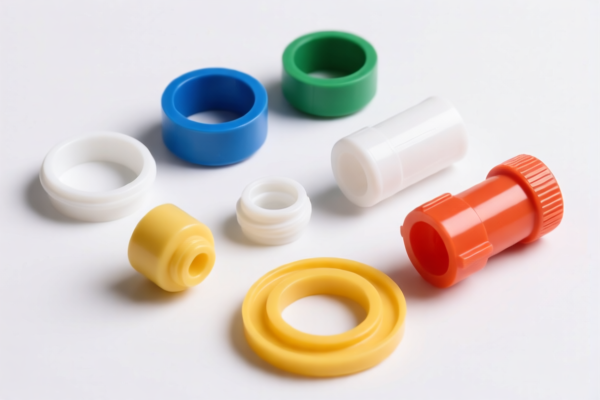
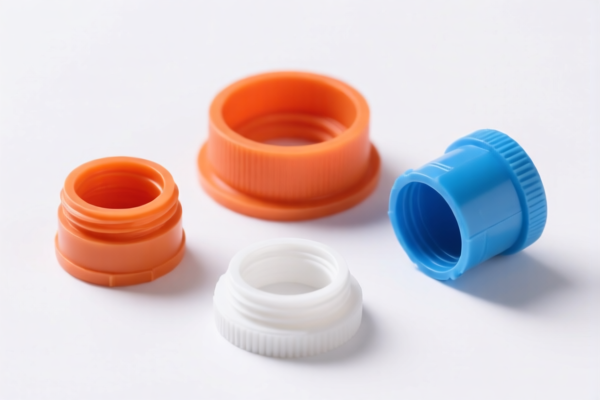

AI Analysis
🔍 Plastic Detection Component (Check/Accessory Item)
🌐 HS Code Reference & Customs Clearance Guide | 2026 Latest Tariff Analysis | Professional-Level Clearance Strategy
📌 I. Product Definition and Classification: What exactly is a "Plastic Detection Component"?
A "Plastic Detection Component" typically refers to a part, accessory, or sub-assembly used within a larger detection system, inspection machine, or packaging line. The material is explicitly identified as plastic, and its function is tied to inspection, checking, or transport/packaging.
⚠️ Key Distinction:
- Is it a standalone packaging item (e.g., a plastic clamp for a transport box)? → Likely Chapter 39 (Plastics).
- Is it a functional part of a measuring/inspecting instrument? → Likely Chapter 90 (Optical/Medical/Control Instruments).
- Is it a general plastic accessory not specified elsewhere? → Likely 3926.90 (Other plastic articles).
📦 II. HS Code Classification Details (2026 Latest Tariff Authority Comparison)
| HS Code | Product Description | Application Scenario | Total Tax Rate (China Origin to US) | Tax Breakdown |
|---|---|---|---|---|
3923.50.00.00 |
Plastic articles for packaging or transport | Plastic fixtures, clips, or covers used in transport/packaging inspection lines | 40.3% | Base: 5.3%, Sec 301: 25%, Section 122: 10% |
3923.90.00.80 |
Other plastic packaging/transport accessories | General plastic parts for packaging/transport that don't fit specific subheadings | 38.0% | Base: 3.0%, Sec 301: 25%, Section 122: 10% |
9017.90.01.15 |
Parts/accessories of measuring/inspecting instruments | Inferred as a "plastic check part" belonging to the "other" category of instruments | Applicable Rate + 35.0% | Base: Rate of parent article, Sec 301: 25%, Section 122: 10% |
3926.90.99.89 |
Other plastic articles (general) | General plastic parts/accessories not specified elsewhere; default inclination for parts | 22.8% | Base: 5.3%, Sec 301: 7.5%, Section 122: 10% |
3926.90.99.10 |
Other plastic articles for lab/inspection | Plastic items reasonably inferred for laboratory/inspection vessels/accessories | 22.8% | Base: 5.3%, Sec 301: 7.5%, Section 122: 10% |
🔍 Key Reminder:
- If the item is clearly a packaging or transport aid (even if used in inspection), it leans toward 3923.
- If it is a functional component of a detector (e.g., a plastic guide rail in a sensor system), it may lean toward 9017 or 3926.
- Section 122 Tariff (10%) applies to most Chinese-origin plastic goods unless specifically exempted.
💰 III. 2026 Latest Tariff Rate Details (Including Additional Taxes & Policy Add-ons)
✅ Applicable Country: United States (US)
✅ Origin: China (CN)
✅ Effective Time: 2025/2026 (Current Trade Policy)
🎯 1. 3923.50.00.00 —— Plastic Articles for Packaging/Transport
| Item | Content |
|---|---|
| Base Duty Rate | 5.3% |
| Section 301 Additional Duty | +25.0% |
| Section 122 Duty | +10.0% |
| Total Tax Rate | 40.3% |
| Tax Calculation | CIF Value × 40.3% |
| De Minimis Exemption | ❌ Not Applicable (Subject to full duty) |
| Legal Basis Path | HTS:3923.50.00.00 → 301 Footnote → 122 Section |
📌 Explanation:
- This code is for plastic articles used in packaging or transport. If your "detection component" is a plastic fixture that holds products during inspection but is structurally a packaging/transport aid, this code applies.
- High tariff risk: 40.3% is significant. Consider if the item can be classified as a general plastic article (3926) for lower rates.
🎯 2. 3923.90.00.80 —— Other Plastic Packaging/Transport Accessories
| Item | Content |
|---|---|
| Base Duty Rate | 3.0% |
| Section 301 Additional Duty | +25.0% |
| Section 122 Duty | +10.0% |
| Total Tax Rate | 38.0% |
| Tax Calculation | CIF Value × 38.0% |
| De Minimis Exemption | ❌ Not Applicable |
| Legal Basis Path | HTS:3923.90.00.80 → 301 Footnote → 122 Section |
📌 Note:
- Slightly lower base rate (3.0% vs 5.3%) than 3923.50, but still subject to the same 25% + 10% add-ons.
- Use if the item does not fit the specific "packaging/transport" sub-category of 3923.50 but is still used in that context.
🎯 3. 9017.90.01.15 —— Parts of Measuring/Inspecting Instruments
| Item | Content |
|---|---|
| Base Duty Rate | Variable (Rate of the parent article) |
| Section 301 Additional Duty | +25.0% |
| Section 122 Duty | +10.0% |
| Total Tax Rate | (Parent Rate) + 35.0% |
| Tax Calculation | CIF Value × (Parent Rate + 35%) |
| De Minimis Exemption | ❌ Not Applicable |
| Legal Basis Path | HTS:9017.90.01.15 → 301 Footnote → 122 Section |
📌 Critical Note:
- The base rate depends on the parent instrument (e.g., if it's a part of an optical checker, the base might be 0% or 2.5%).
- However, the add-ons (35%) are fixed.
- Risk: If the parent article has a high base rate, the total could exceed 40%. Only use if the item is clearly a functional part of a detection instrument, not just a plastic holder.
🎯 4. 3926.90.99.89 & 3926.90.99.10 —— Other Plastic Articles
| Item | Content |
|---|---|
| Base Duty Rate | 5.3% |
| Section 301 Additional Duty | +7.5% |
| Section 122 Duty | +10.0% |
| Total Tax Rate | 22.8% |
| Tax Calculation | CIF Value × 22.8% |
| De Minimis Exemption | ❌ Not Applicable |
| Legal Basis Path | HTS:3926.90.99.xx → 301 Footnote → 122 Section |
📌 Best Value Option:
- If the item is a general plastic accessory (e.g., a plastic bracket, clip, or housing) that doesn’t strictly fit "packaging" (3923) or "instrument parts" (9017), 3926.90 is the most cost-effective classification.
- Total tax is only 22.8%, significantly lower than 38–40.3%.
- Use3926.90.99.10if you can argue it’s for "lab/inspection" use; otherwise,3926.90.99.89is the general catch-all.
🛠️ IV. Customs Clearance Practical Advice (Pitfall Avoidance Guide)
✅ 1. Preparation Checklist (Non-Negotiable)
| Document | Required | Explanation |
|---|---|---|
| ✅ Product Specifications | ✔️ | Clearly state material (Plastic), function (Detection/Inspection/Packaging), and dimensions. |
| ✅ Function Description | ✔️ | Explain if it’s a part of a machine (9017), a packaging aid (3923), or a general accessory (3926). |
| ✅ Product Photos | ✔️ | Show the item in use. Is it holding a package? Is it inside a sensor? |
| ✅ Commercial Invoice | ✔️ | Description must match the HS Code rationale. E.g., "Plastic Inspection Fixture" vs "Plastic Packing Clip". |
| ✅ Origin Certificate | ✔️ | To confirm China origin and apply correct 301/122 duties. |
✅ 2. Declaration Strategy (Key Mantra)
🔥 "Material First, Function Second, Package vs. Part, Tax Differs Greatly!"
| Scenario | Recommended HS Code | Reason |
|---|---|---|
| Plastic clip holding a box during transport/inspection | 3923.50.00.00 or 3923.90.00.80 |
Clearly a packaging/transport aid. High tax (38-40.3%). |
| Plastic guide rail inside a detector | 9017.90.01.15 |
Functional part of an instrument. Tax depends on parent. |
| Plastic bracket/holder with no specific instrument function | 3926.90.99.10 or 3926.90.99.89 |
General plastic article. Lowest tax (22.8%). |
⚠️ Warning:
- Do not declare a general plastic bracket as "Part of Inspection Machine" (9017) if it has no specific functional integration with the machine’s measurement system. This may trigger an audit.
- Conversely, do not declare a packaging aid as "General Plastic" (3926) if it’s clearly used for transport, as customs may reclassify it to3923with higher duties.
✅ 3. Special Circumstances Handling
| Situation | Recommendation |
|---|---|
| Item is both functional and structural | Argue for 3926 if it can be considered a "general plastic article" rather than a dedicated instrument part. |
| Item is custom-designed for a specific detector | Provide engineering drawings showing integration with the detector to support 9017. |
| Item is a simple plastic clamp/clip | Strongly prefer 3926.90.99 for 22.8% tax unless it’s explicitly part of the packaging supply chain. |
🌍 V. Global Market Clearance Comparison (2026)
| Country/Region | Recommended HS Code | Estimated Tax (China Origin) | Notes |
|---|---|---|---|
| 🇺🇸 USA | 3926.90.99 |
22.8% (Best Option) | Includes 301 (7.5%) + 122 (10%) + Base (5.3%) |
| 🇺🇸 USA | 3923.50.00 |
40.3% | High risk if misclassified |
| 🇪🇺 EU | 3926.90.99 |
~6-9% (Varies by member state) | No 301/122 equivalent, but higher base |
| 🇨🇳 China | 3926.90.99 |
~5-6% | Export clearance only |
📌 Conclusion for US Market:
-3926.90.99is the optimal choice for "Plastic Detection Components" that are not integral measurement parts.
- It saves 15-17% in tariffs compared to packaging-related codes (3923).
📌 VI. Common Mistakes & Pitfalls (Lessons Learned)
❌ Mistake 1: Declaring all plastic parts as "Instrument Parts" (9017)
👉 Consequence: If not truly integral, customs may reject and reclassify to 3923 (higher tax) or impose penalties for misdeclaration.
❌ Mistake 2: Using "Plastic Accessory" vague description
👉 Consequence: Customs lacks clarity, leading to delays, requests for additional info, or worst-case reclassification to a higher-duty code.
❌ Mistake 3: Ignoring Section 122 (10%)
👉 Consequence: Under-declaring taxes by forgetting this add-on on most plastic goods from China.
✅ Correct Approach:
"Plastic Inspection Fixture, Non-Metallic, General Use, Model XYZ, Material: PP/PE"
Declared As:3926.90.99.10or3926.90.99.89
Why: Clearly identifies material and general use, avoiding high-duty packaging classifications.
🎯 VII. Conclusion: Professional Declaration, Cost Savings
🎯 Remember the Mantra:
🔹 "Packaging Aid = High Tax (38-40%)
🔹 Instrument Part = Variable Tax (Parent + 35%)
🔹 General Plastic Accessory = Low Tax (22.8%)"🔹 If in doubt, lean towards
3926.90.99for "Plastic Detection Components" unless they are clearly integral to the measurement function.
📌 Pro Tip:
If your component is modular and can be used in multiple non-instrument applications, declare it as a general plastic article (3926) to benefit from the lower 22.8% rate. Always provide photos and functional descriptions to support the classification.
📣 Immediate Action:
📞 Consult with a customs broker to confirm if your "Detection Component" is functional (9017) or structural/general (3926).
🚀 Save 15%+ in tariffs by choosing the right HS Code!
✨ Professional Clearance Starts with Accurate Classification!
💼 Every Percent of Tax Savings Counts!
Customer Reviews
About HS Code Classification
The Harmonized System (HS) is an internationally standardized nomenclature developed by the World Customs Organization (WCO) to classify traded products. Over 200 countries use the HS system as the basis for customs tariffs, trade statistics, and import/export regulations.
Each HS code follows a hierarchical structure:
- Chapter (2 digits) — Broad category of goods (e.g., Chapter 84: Machinery and Mechanical Appliances)
- Heading (4 digits) — More specific grouping within the chapter
- Subheading (6 digits) — Internationally standardized breakdown, used by all WCO member countries
- National subdivisions (8-10 digits) — Country-specific extensions for further classification, such as US HTSUS 10-digit codes
Correct HS code classification is essential for smooth customs clearance, accurate duty payment, and compliance with trade regulations. Misclassification can lead to customs delays, overpayment of duties, or penalties.
When importing from CN to US, the applicable tariff rates may include:
- Most-Favored-Nation (MFN) rate — The standard duty rate applied to WTO members
- General rate — Applied to countries without trade agreements
- Trade remedy duties — Additional tariffs such as Section 301 (anti-dumping), Section 232 (national security), or countervailing duties
The information provided on this page is for reference purposes only. For official classification, please consult with your local customs authority or a licensed customs broker.