Plastic Dinner Plate Set
CN → US| HS Code | Tariff Rate | Origin | Destination | Doc |
|---|---|---|---|---|
| 3926909989 | 22.8% | CN | US | Official Doc |
| 3924103000 | 22.8% | CN | US | Official Doc |
| 3924104000 | 13.4% | CN | US | Official Doc |
| 3926901000 | 20.9% | CN | US | Official Doc |
| 3924102000 | 24.0% | CN | US | Official Doc |
Product Images
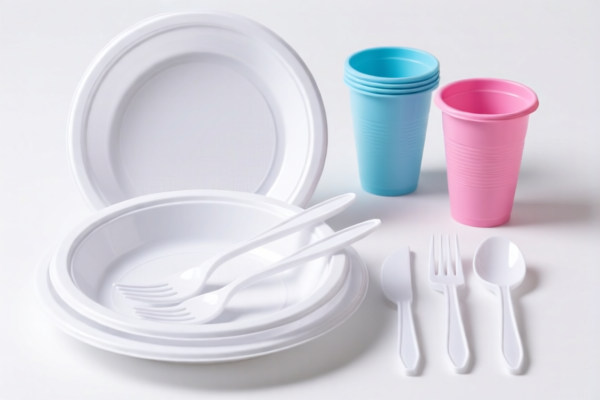
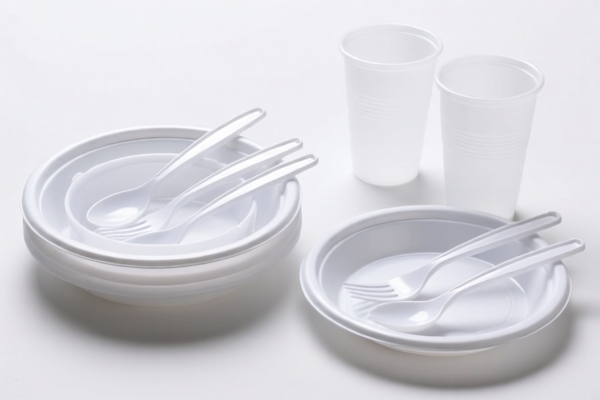
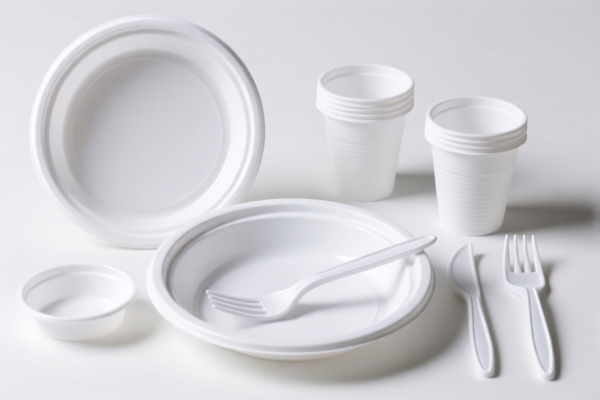
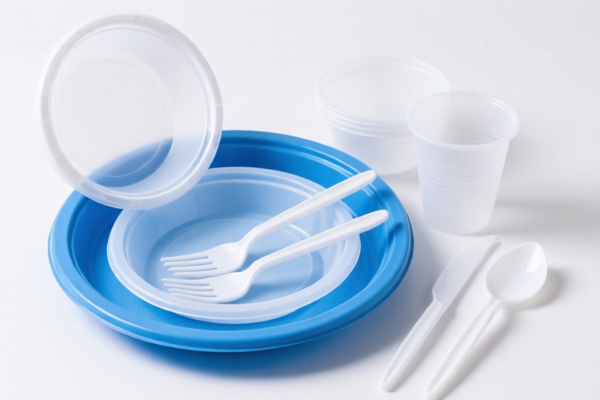
AI Analysis
🍽️ Plastic Dinner Plate Set: HS Code Classification & US Customs Clearance Guide (2026)
🌐 HS Code Reference & Clearance Strategy | 2026 Latest Tariff Analysis | Professional Compliance Guide
📌 I. Product Definition: What is a "Plastic Dinner Plate Set"?
A Plastic Dinner Plate Set is a collection of flat, shallow dishes made primarily from polymeric materials (e.g., Polypropylene, Polystyrene, Melamine), intended for serving food at the dining table. In international trade, the classification hinges on two critical factors:
1. Material: Strictly plastic (no metal, ceramic, or wood components).
2. Purpose: Tableware/Kitchenware (specifically for eating/serving food).
⚠️ Critical Distinction:
- If the item is not for tableware (e.g., plastic trays for storage, decorative plates, or industrial containers) → It may fall under "Other Plastic Articles" (Chapter 3926).
- If it is strictly for tableware (plates, saucers, platters) → It falls under "Plastic Tableware, Kitchenware, and Other Household Articles" (Chapter 3924).
- Misclassification Risk: Declaring a dinner plate as "Other Plastic Artifacts" (3926) often triggers higher tariffs due to different footnote structures or missing specific exclusions. Declaring industrial trays as "Tableware" (3924) will lead to customs rejection.
📦 II. HS Code Classification Details (2026 Tariff Book Authority)
The provided data identifies five potential HS Codes. Below is the logical deduction for each, based on material (Plastic) and form (Plates/Tableware vs. General Articles).
| HS Code | Product Description | Classification Logic | Total Tax Rate (US/CN) | Tax Breakdown |
|---|---|---|---|---|
| 3924.10.20.00 | Plastic Tableware: Plates & Saucers | Best Fit for General Plates. Matches "Plastic Material" + "Plate/Dinner Ware" description. Specifically covers plates, saucers, and similar tableware. | 24.0% | Base: 6.5% + Section 301: 7.5% + 122 Clause: 10% |
| 3924.10.30.00 | Plastic Tableware: Trays (Tableware) | Fit for Large Serving Platters. Explicitly includes "Plastic Material" and "Trays (Tableware)". If the set includes large serving trays, this is precise. | 22.8% | Base: 5.3% + Section 301: 7.5% + 122 Clause: 10% |
| 3924.10.40.00 | Plastic Tableware: Other | Fit for Non-Standard Tableware. Covers plastic tableware not specified elsewhere (e.g., unique shapes, non-plate items in the set). | 13.4% | Base: 3.4% + Section 301: 0.0% + 122 Clause: 10% |
| 3926.90.10.00 | Other Plastic Articles: Tableware/Trays? | Fallback for "Other Plastic Articles". If customs argues the item is not "tableware" but a "plastic artifact," this catch-all applies. Lower base tax but high 301 duty. | 20.9% | Base: 3.4% + Section 301: 7.5% + 122 Clause: 10% |
| 3926.90.99.89 | Other Plastic Articles: Not Elsewhere Specified | Generic Plastic Goods. Used if the plate is deemed not to be standard tableware (e.g., decorative, industrial). Highest uncertainty. | 22.8% | Base: 5.3% + Section 301: 7.5% + 122 Clause: 10% |
🔍 Key Insight:
- 3924.10 is the preferred chapter for tableware.
- 3926.90 is for other plastic articles. If your product is clearly a "dinner plate," using 3926 is risky and may be challenged by CBP.
- Tax Variation: Note that 3924.10.40.00 has 0% Section 301 duty, making it the cheapest option if applicable. However, it is a "residual" category for tableware. 3924.10.20.00 and 3924.10.30.00 are more specific but carry full 301 duties.
💰 III. 2026 US Tariff Rate Detailed Analysis (China Origin)
✅ Applicable Country: United States (US)
✅ Country of Origin: China (CN)
✅ Effective Date: November 10, 2025 onwards (inclusive of subsequent imports)
🎯 1. 3924.10.20.00 – Plastic Plates & Saucers (Standard Dinner Ware)
| Item | Content |
|---|---|
| Base Rate | 6.5% (ad valorem) |
| Section 301 Duty | +7.5% |
| Section 122 Clause | +10% |
| Total Rate | 24.0% |
| Tax Calculation | CIF Value × 24% |
| De Minimis Exemption | ❌ Not Applicable (Deny De Minimis) |
| Legal Basis | USITC:3924.10.20.00 → IEEPA:9903.01.25 (Section 301) → Section 122 |
📌 Explanation:
- This is the most direct classification for "Plastic Plates."
- Total 24% is significant. The 7.5% Section 301 duty is non-negotiable for Chinese origin.
- Tip: Ensure the description explicitly states "Plastic Dinner Plates" to avoid misclassification into 3926, which might have different dispute risks.
🎯 2. 3924.10.30.00 – Plastic Trays (Tableware)
| Item | Content |
|---|---|
| Base Rate | 5.3% |
| Section 301 Duty | +7.5% |
| Section 122 Clause | +10% |
| Total Rate | 22.8% |
| Tax Calculation | CIF Value × 22.8% |
| De Minimis Exemption | ❌ Not Applicable |
| Legal Basis | USITC:3924.10.30.00 → IEEPA:9903.01.25 → Section 122 |
📌 Explanation:
- If your set includes large serving platters or trays as a key component, this code may be more accurate.
- Savings: 1.2% lower than3924.10.20.00. However, CBP may require proof that the item is a "tray" and not a "plate."
🎯 3. 3924.10.40.00 – Other Plastic Tableware
| Item | Content |
|---|---|
| Base Rate | 3.4% |
| Section 301 Duty | +0.0% |
| Section 122 Clause | +10% |
| Total Rate | 13.4% |
| Tax Calculation | CIF Value × 13.4% |
| De Minimis Exemption | ❌ Not Applicable |
| Legal Basis | USITC:3924.10.40.00 → IEEPA:9903.01.24 (No 301) → Section 122 |
📌 Explanation:
- LOWEST TAX OPTION (13.4%)!
- Why? This subheading often catches items that are plastic tableware but not explicitly "plates" or "trays" (e.g., unique shaped bowls, non-standard sets).
- Risk: CBP may scrutinize this heavily. If they determine the item is a standard plate, they may reclassify to3924.10.20.00(24%) + penalties. Use only if the product is truly "other" tableware.
🎯 4. 3926.90.10.00 – Other Plastic Articles
| Item | Content |
|---|---|
| Base Rate | 3.4% |
| Section 301 Duty | +7.5% |
| Section 122 Clause | +10% |
| Total Rate | 20.9% |
| Tax Calculation | CIF Value × 20.9% |
| De Minimis Exemption | ❌ Not Applicable |
| Legal Basis | USITC:3926.90.10.00 → IEEPA:9903.01.25 → Section 122 |
📌 Explanation:
- A "fallback" category. Use only if the item is not considered tableware (e.g., plastic trays for kitchen organization, not eating).
- Risk: High chance of CBP challenge if declared as "dinner plates."
🎯 5. 3926.90.99.89 – Other Plastic Articles (Not Elsewhere)
| Item | Content |
|---|---|
| Base Rate | 5.3% |
| Section 301 Duty | +7.5% |
| Section 122 Clause | +10% |
| Total Rate | 22.8% |
| Tax Calculation | CIF Value × 22.8% |
| De Minimis Exemption | ❌ Not Applicable |
| Legal Basis | USITC:3926.90.99.89 → IEEPA:9903.01.25 → Section 122 |
📌 Explanation:
- Generic catch-all. Highest risk of misclassification audit. Avoid for standard dinner plates.
🛠️ IV. Clearance Operational Advice (Avoid Pitfalls)
✅ 1. Required Documentation Checklist
| Document | Required | Notes |
|---|---|---|
| ✅ Product Spec Sheet | ✔️ | Must state: "100% Plastic," "Food Contact Safe," "Dishwasher Safe." |
| ✅ Commercial Invoice | ✔️ | Clearly describe as "Plastic Dinner Plate Set, Model XYZ, 12pc." |
| ✅ Material Declaration | ✔️ | Specify polymer type (e.g., PP, PS). |
| ✅ FCC/ROHS Cert | ✔️ | For plastic products, RoHS is often checked for environmental compliance. |
| ✅ Country of Origin | ✔️ | Must state "Made in China" for accurate 301 application. |
| ✅ Packaging Photos | ✔️ | Show how plates are stacked/packed to confirm they are a "set." |
✅ 2. Declaration Tips (Key Mnemonic)
🔥 "Material is Plastic, Purpose is Eating, Choose 3924, Avoid 3926!"
| Scenario | Correct HS Code | Wrong Code | Consequence |
|---|---|---|---|
| Standard Plastic Plates | 3924.10.20.00 |
3926.90.99.89 |
CBP may reclassify → Penalty + Back Taxes |
| Large Serving Trays | 3924.10.30.00 |
3926.90.10.00 |
Potential delay, but lower tax risk |
| Unique Shaped Tableware | 3924.10.40.00 |
3924.10.20.00 |
Saves 10.6% tax (if accepted) |
| Non-Eating Plastic Trays | 3926.90.10.00 |
3924.10.20.00 |
Misclassification → Seizure Risk |
✅ 3. Special Cases
| Case | Handling Advice |
|---|---|
| Plates with Metal Cutlery | If cutlery is included, the set may be classified as "Tableware Sets." Ensure plastic is the principal material. |
| Melamine Plates | Melamine is a plastic resin. Still falls under 3924.10. Do not classify as "Ceramic." |
| Disposable Plates | Same HS Code. No difference in classification, only in usage description. |
| Custom/Molded Sets | Ensure mold details are provided if CBP questions the "standard" nature. |
🌍 V. Global Market Comparison (2026)
| Country/Region | Recommended HS Code | Tariff (China) | Notes |
|---|---|---|---|
| 🇺🇸 USA | 3924.10.20.00 |
24.0% | High 301 + 122. Best to use 3924.10.40.00 (13.4%) if product shape allows. |
| 🇨🇳 China | 3924.10.20.00 |
~6.5% | Low base tariff. No 301. |
| 🇪🇺 EU | 3924.10.20.00 |
0% | Plastic tableware often duty-free in EU under GSP/FTA. |
| 🇬🇧 UK | 3924.10.20.00 |
0% | Post-Brexit, many plastic goods have 0% duty. |
| 🇯🇵 Japan | 3924.10.20.00 |
0%~6.5% | Varies by FTA. Generally low. |
📌 Conclusion:
- USA is the only major market with high tariffs due to Section 301 and 122.
- EU/UK/Japan are much more favorable for plastic tableware exports from China.
- Strategy: If possible, consider re-routing or packaging strategies to highlight "unique tableware" for3924.10.40.00in the US to save 10.6%.
📌 VI. Common Mistakes & Pitfalls (Lessons Learned)
❌ Mistake 1: Declaring "Plastic Plates" as "Plastic Artifacts" (3926.90)
👉 Result: Higher audit risk, potential penalty for misclassification.
❌ Mistake 2: Ignoring the "Set" aspect
👉 Result: If declared as single items, value may be underreported, leading to anti-dumping scrutiny.
❌ Mistake 3: Using 3924.10.40.00 for standard round plates
👉 Result: CBP may reject the "Other" classification and demand 24% + penalties. Use only for non-standard shapes.
❌ Mistake 4: Failing to disclose "Food Contact" status
👉 Result: FDA compliance issues in the US. Ensure documents state "FDA Compliant" for food-contact plastics.
✅ Correct Practice:
"Plastic Dinner Plate Set, 12-Piece, Polypropylene, Food-Contact Safe, Model XYZ, Made in China"
🎯 VII. Conclusion: Precision in Classification Saves Money!
🎯 Remember:
🔹 "Plastic Plates = 3924.10"
🔹 "Standard Plates = 3924.10.20 (24%)"
🔹 "Unique Tableware = 3924.10.40 (13.4%)"
🔹 "Avoid 3926 for Tableware!"
📌 Tip:
If your product has unique shapes, non-traditional forms, or is part of a specialized set, consider declaring under
3924.10.40.00to save 10.6% in duties. However, ensure you have product images and descriptions to justify "Other" status if challenged by CBP.
📣 Immediate Action:
📞 Consult with a licensed customs broker to file a Pre-Ruling if your plate set is non-standard.
🚀 Optimize your supply chain to minimize US tariff exposure.
✨ Professional Clearance Starts with Accurate Classification!
💼 Every Percent Saved is Pure Profit!
Customer Reviews
About HS Code Classification
The Harmonized System (HS) is an internationally standardized nomenclature developed by the World Customs Organization (WCO) to classify traded products. Over 200 countries use the HS system as the basis for customs tariffs, trade statistics, and import/export regulations.
Each HS code follows a hierarchical structure:
- Chapter (2 digits) — Broad category of goods (e.g., Chapter 84: Machinery and Mechanical Appliances)
- Heading (4 digits) — More specific grouping within the chapter
- Subheading (6 digits) — Internationally standardized breakdown, used by all WCO member countries
- National subdivisions (8-10 digits) — Country-specific extensions for further classification, such as US HTSUS 10-digit codes
Correct HS code classification is essential for smooth customs clearance, accurate duty payment, and compliance with trade regulations. Misclassification can lead to customs delays, overpayment of duties, or penalties.
When importing from CN to US, the applicable tariff rates may include:
- Most-Favored-Nation (MFN) rate — The standard duty rate applied to WTO members
- General rate — Applied to countries without trade agreements
- Trade remedy duties — Additional tariffs such as Section 301 (anti-dumping), Section 232 (national security), or countervailing duties
The information provided on this page is for reference purposes only. For official classification, please consult with your local customs authority or a licensed customs broker.