Plastic Disposable Straws
CN → US| HS Code | Tariff Rate | Origin | Destination | Doc |
|---|---|---|---|---|
| 3924104000 | 13.4% | CN | US | Official Doc |
| 3924905650 | 20.9% | CN | US | Official Doc |
| 3917290090 | 38.1% | CN | US | Official Doc |
| 3917390050 | 38.1% | CN | US | Official Doc |
| 3924905650 | 20.9% | CN | US | Official Doc |
Product Images
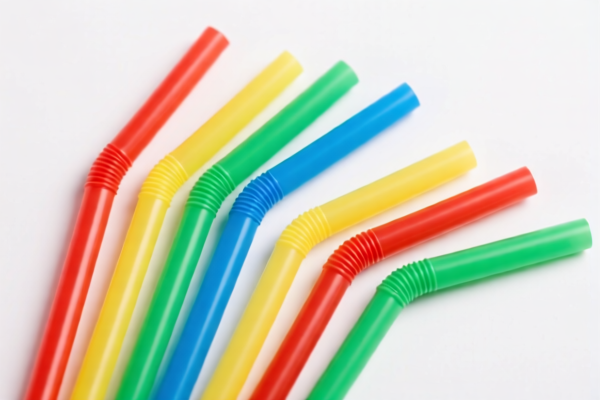
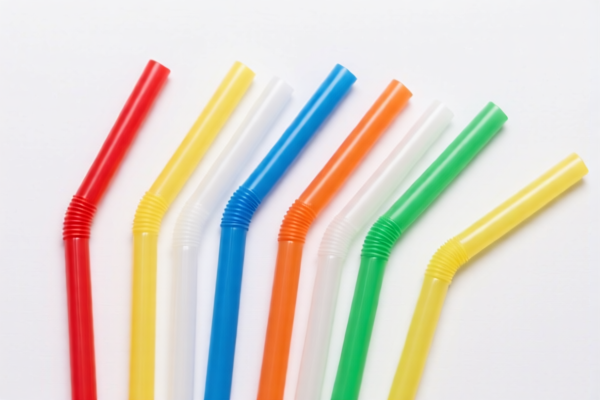

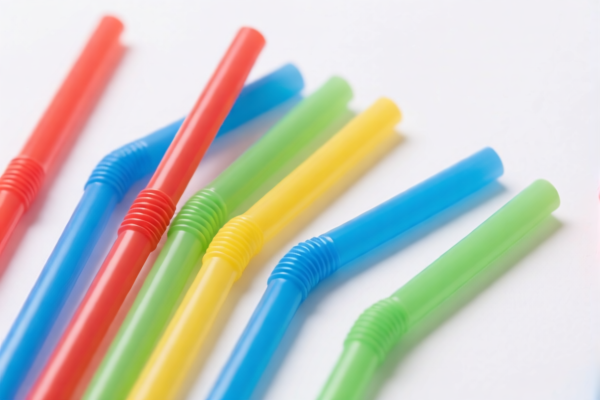
AI Analysis
🥤 Disposable Plastic Straws (The "Straw" Paradox)
🌐 HS Code Reference & Clearance Guide | 2026 Latest Tariff Analysis | Professional Customs Strategy
📌 One. Product Definition & Classification: What Exactly Are We Shipping?
"Plastic Straws" are seemingly simple household items, but in international trade (specifically US Customs), their classification hinges on intended use and physical structure. They are not a single HS code but are split between "Tableware" and "Tubes/Pipes." Misclassification here leads to massive tariff differences (from ~13% to ~38%).
Two Main Categories:
1. Tableware/Consumables (3924): Straws intended for single-use drinking, often flexible or standard rigid shapes sold in packs for consumer use.
2. Tubes/Pipes (3917): Straws classified as "other tubes/pipes," often used for industrial purposes, specific structural applications, or non-standard lengths that don't fit consumer tableware definitions.
⚠️ Key Distinction Point:
- If the product is marketed as household tableware/consumable → Look at Chapter 3924.
- If the product is marketed as industrial tube, structural pipe, or non-standard length → Look at Chapter 3917.
- Accessories (like caps) follow their own specific subheadings under3924.
📦 Two. HS Code Classification Details (2026 Latest Tariff Authority对照)
Based on the provided data, here are the 5 specific HS Codes applicable to Plastic Straws and their accessories:
| HS Code | Product Description | Application Scenario | Tariff Profile |
|---|---|---|---|
3924.10.40.00 |
Plastic Straws (Tableware) | Standard disposable straws, household use, "cutlery/household items" | 13.4% (Lowest) |
3924.90.56.50 |
Plastic Straws (Other Household) | Straws for other household uses, accessories (e.g., Straw Caps) | 20.9% |
3917.29.00.90 |
Plastic Tubes (Non-specified Length) | Straws/Tubes, shape: tubular, not specified length, non-specific use | 38.1% (Highest) |
3917.39.00.50 |
Plastic Tubular Structures | Straws/Tubes, shape: tubular structure, general classification | 38.1% (Highest) |
🔍 Critical Warning:
-3924.10.40.00is the "Sweet Spot" for standard drinking straws. It carries the lowest total tax (13.4%).
-3917.29.00.90and3917.39.00.50attract a punitive 38.1% tariff. These are typically for industrial tubes. Do not misdeclare standard drinking straws as "tubes" unless you are willing to pay the penalty.
- Accessories like "Straw Caps" (3924.90.56.50) are taxed separately at 20.9%.
💰 Three. 2026 Latest Tariff Rate Breakdown (Including Surcharges & Policy Add-ons)
✅ Applicable Country: United States (US)
✅ Country of Origin: China (CN)
✅ Effective Time: 2025/2026 Tariff Structure (Includes Section 301 & Section 122)
🎯 1. 3924.10.40.00 — Plastic Straws (Tableware/Household)
| Item | Detail |
|---|---|
| Base Tariff | 3.4% |
| Section 301 Surcharge | 0.0% |
| Section 122 Surcharge | 10.0% |
| Total Tariff | 13.4% |
| Tax Calculation | CIF Value × 13.4% |
| De Minimis Eligibility | ⚠️ Check Carrier Rules: Generally < $800, but high-volume commercial shipments may require full entry. |
| Legal Basis Path | HTSUS: 3924.10.40 → Section 122 (10%) |
📌 Explanation:
- This is the most favorable rate for standard disposable drinking straws.
- Section 301 (Trump/Trump-era tariffs) currently shows 0.0% for this specific subheading, but Section 122 (often used for essential goods or specific trade remedies) adds 10%.
- Total: 13.4%. This is the recommended classification for most B2C e-commerce straw shipments.
🎯 2. 3924.90.56.50 — Other Plastic Household Articles / Straw Caps
| Item | Detail |
|---|---|
| Base Tariff | 3.4% |
| Section 301 Surcharge | 7.5% |
| Section 122 Surcharge | 10.0% |
| Total Tariff | 20.9% |
| Tax Calculation | CIF Value × 20.9% |
| De Minimis Eligibility | ⚠️ Subject to same rules as above. |
| Legal Basis Path | HTSUS: 3924.90.56 → Section 301 (7.5%) + Section 122 (10%) |
📌 Note:
- This applies to straw accessories (e.g., plastic caps, seals) or straws categorized under "Other" household articles.
- Total: 20.9%. Higher than standard straws due to the 7.5% Section 301 surcharge.
🎯 3. 3917.29.00.90 & 3917.39.00.50 — Plastic Tubes/Pipes
| Item | Detail |
|---|---|
| Base Tariff | 3.1% |
| Section 301 Surcharge | 25.0% |
| Section 122 Surcharge | 10.0% |
| Total Tariff | 38.1% |
| Tax Calculation | CIF Value × 38.1% |
| De Minimis Eligibility | ⚠️ Commercial entry likely required. |
| Legal Basis Path | HTSUS: 3917.xxxx → Section 301 (25%) + Section 122 (10%) |
📌 Warning:
- These codes carry the highest tax burden (38.1%).
- They include a 25% Section 301 surcharge, which is significantly higher than the other categories.
- Only use these if your product is strictly an "industrial tube" or "pipe" and NOT a consumer drinking straw. Misclassifying a drinking straw here can lead to audits, penalties, and back-taxes.
🛠️ Four. Customs Clearance Practical Advice (Battle-Tested Pitfall Guide)
✅ 1. Documentation Checklist (Non-Negotiable)
| Document | Required? | Description |
|---|---|---|
| ✅ Commercial Invoice | ✔️ | Must clearly state "Plastic Drinking Straws" and HS Code 3924.10.40.00. |
| ✅ Product Photos | ✔️ | Show the product in use (drinking) or as part of a tableware set to prove "Household/Tableware" intent. |
| ✅ Material Declaration | ✔️ | Confirm 100% Plastic (PP, PE, PS, etc.). No metal cores. |
| ✅ Packaging List | ✔️ | Specify "Disposal Packaging" or "Retail Packaging." |
| ✅ FDA Compliance Statement | ✔️ | Crucial! Food-contact plastics must comply with FDA 21 CFR. Include "FDA Compliant for Food Contact" on invoice. |
✅ 2. Declaration Strategy (Key Mantra)
🔥 "Use for Drinking = Tableware (13.4%). Use for Industry = Tube (38.1%). Don't Mix!"
| Scenario | Correct HS Code | Incorrect Action |
|---|---|---|
| Standard Disposable Straws (bent, clear, colored) | 3924.10.40.00 |
Declaring as "Plastic Tube" → 38.1% Tax |
| Straw Caps / Seals | 3924.90.56.50 |
Declaring as part of straws → Valuation Risk |
| Industrial Tubing (long rolls, no cut to straw size) | 3917.29.00.90 |
Declaring as "Straws" → Rejected by CBP |
| Biodegradable PLA Straws | 3924.10.40.00 (Likely) |
Declaring as "Wood" → Illegal Misrepresentation |
✅ 3. Special Case Handling
| Situation | Handling Advice |
|---|---|
| E-commerce (De Minimis) | For shipments <$800, ensure the invoice clearly describes the item as "Straws" and not "Plastic Parts" to avoid scrutiny. |
| FDA Food Contact | Mandatory: If straws touch food/beverages, they MUST meet FDA standards. Provide a certificate or test report if requested. |
| Single-Use Ban Zones | Check destination state laws (e.g., California, New York) for local bans on plastic straws. Customs clears entry, but local law may ban sale. |
| Mixed Containers | If shipping Straws + Cups + Lids, consider declaring them as a "Set" or separately. Straws are 3924.10.40.00, Cups might be different. Keep them separate if possible for clarity. |
🌍 Five. Global Market Clearance Comparison (2026 Latest)
| Country/Region | Recommended HS Code | Tariff (China Origin) | Key Certification | Notes |
|---|---|---|---|---|
| 🇺🇸 USA | 3924.10.40.00 |
13.4% | FDA | Highest tax in data due to Section 122/301. |
| 🇪🇺 EU | 3926.90.97 |
0% - 6.5% | REACH / LFGB | Stricter environmental rules; biodegradable preferred. |
| 🇨🇳 China | 3924.10.40.00 |
3.4% | None | Low base tariff, no anti-dumping. |
| 🇬🇧 UK | 3924.10.40.00 |
4.5% | UKCA | Post-Brexit rules apply. |
| 🇦🇺 Australia | 3924.10.40.00 |
5.0% | None | Similar to US classification but lower tariffs. |
📌 Conclusion:
- USA is the most expensive market for plastic straws due to layered surcharges (13.4% vs global average of ~3-5%).
- EU/UK are focusing on environmental compliance (biodegradable materials) rather than just tariff rates.
📌 Six. Common Errors & Pitfall Guide (Lessons Learned)
❌ Error 1: Declaring "Plastic Straws" as "Plastic Tubes" (3917)
👉 Consequence: Tax jumps from 13.4% to 38.1%. CBP may also audit past entries.
👉 Fix: Always declare based on end-use (drinking) → 3924.
❌ Error 2: Ignoring FDA Food Contact Requirements
👉 Consequence: Goods detained by CBP/FDA at port. Destruction or re-export required.
👉 Fix: Ensure product is labeled "Food Grade" and provide test reports.
❌ Error 3: Mixing "Straw Caps" with "Straws" without separate line items
👉 Consequence: Ambiguous valuation. CBP may apply the highest tariff of any component.
👉 Fix: List Straws (3924.10.40.00) and Caps (3924.90.56.50) separately on the invoice.
❌ Error 4: Using vague descriptions like "Plastic Item"
👉 Consequence: Delays, requests for information (RFI), potential penalties.
👉 Fix: Use precise descriptions: "Disposable Plastic Drinking Straws, 7.5 inch, Clear, FDA Compliant, HS 3924.10.40.00".
✅ Correct Practice:
"100% Plastic Disposable Drinking Straws, Size 7.5x0.24 inch, Clear, Food Grade, HS Code 3924.10.40.00"
🎯 Seven. Conclusion: Precise Classification Saves Money!
🎯 Remember the Mantra:
🔹 "Straws for Drinking = 3924.10.40.00 (13.4%)."
🔹 "Straws as Tubes = 3917.xxxx (38.1%)."
🔹 "Caps = 3924.90.56.50 (20.9%)."
🔹 "FDA Compliant = No Detention."
📌 Pro Tip:
- If you are shipping large volumes, consider applying for a CBP Ruling to confirm your HS Code assignment. This provides legal certainty.
- For biodegradable straws (PLA/Paper), ensure you have compostability certificates to avoid rejection in eco-conscious markets (EU/California).
📣 Immediate Action:
📞 Verify FDA Compliance for all food-contact plastics.
🚀 Use HS Code3924.10.40.00for standard straws to minimize US tariffs.
📝 List Accessories Separately to avoid valuation disputes.
✨ Professional Clearance Starts with Accurate Classification!
💼 Save on Tariffs, Avoid Delays, Ship with Confidence!
Customer Reviews
About HS Code Classification
The Harmonized System (HS) is an internationally standardized nomenclature developed by the World Customs Organization (WCO) to classify traded products. Over 200 countries use the HS system as the basis for customs tariffs, trade statistics, and import/export regulations.
Each HS code follows a hierarchical structure:
- Chapter (2 digits) — Broad category of goods (e.g., Chapter 84: Machinery and Mechanical Appliances)
- Heading (4 digits) — More specific grouping within the chapter
- Subheading (6 digits) — Internationally standardized breakdown, used by all WCO member countries
- National subdivisions (8-10 digits) — Country-specific extensions for further classification, such as US HTSUS 10-digit codes
Correct HS code classification is essential for smooth customs clearance, accurate duty payment, and compliance with trade regulations. Misclassification can lead to customs delays, overpayment of duties, or penalties.
When importing from CN to US, the applicable tariff rates may include:
- Most-Favored-Nation (MFN) rate — The standard duty rate applied to WTO members
- General rate — Applied to countries without trade agreements
- Trade remedy duties — Additional tariffs such as Section 301 (anti-dumping), Section 232 (national security), or countervailing duties
The information provided on this page is for reference purposes only. For official classification, please consult with your local customs authority or a licensed customs broker.