Plastic Document Storage Box
CN → US| HS Code | Tariff Rate | Origin | Destination | Doc |
|---|---|---|---|---|
| 3923900080 | 38.0% | CN | US | Official Doc |
| 3923109000 | 38.0% | CN | US | Official Doc |
| 4820300040 | 35.0% | CN | US | Official Doc |
| 3926908700 | 40.3% | CN | US | Official Doc |
| 3926909989 | 22.8% | CN | US | Official Doc |
| 3926901000 | 20.9% | CN | US | Official Doc |
Product Images
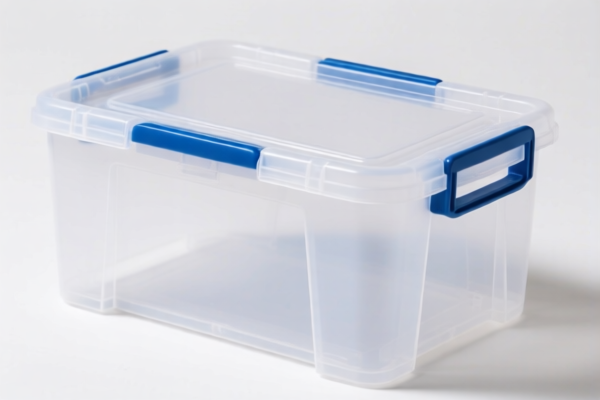
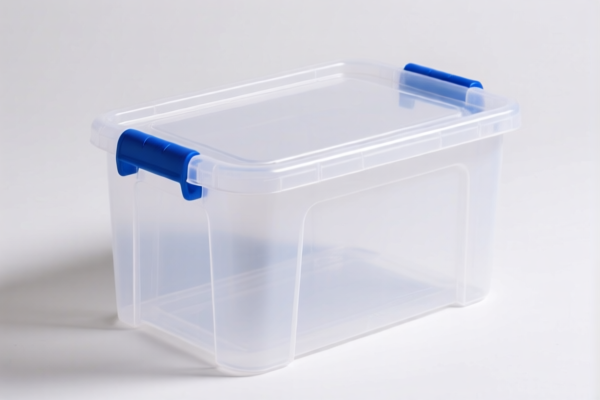
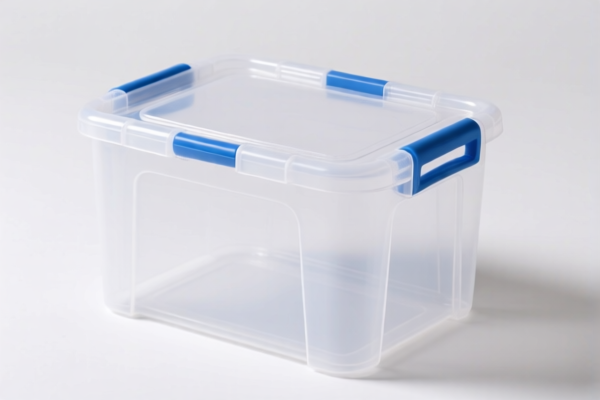
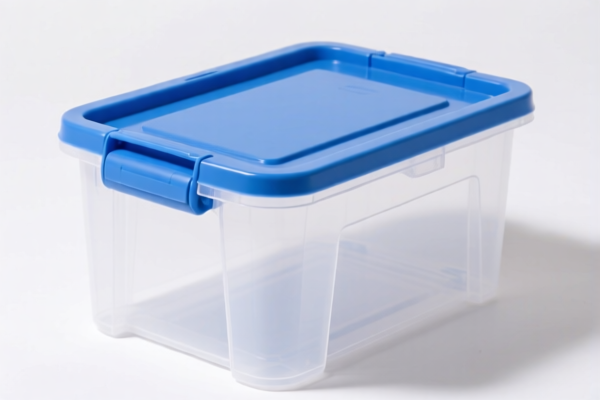
AI Analysis
📦 Plastic Document Storage Box (Plastic Folders/Archival Boxes)
🌐 HS Code Reference & Clearance Guide | 2026 Latest Tariff Analysis | Strategic Import Strategy for US Customs
📌 Part 1: Product Definition & Classification: Do You Really Know "Plastic Document Storage"?
A Plastic Document Storage Box is a versatile item used for organizing, preserving, and transporting paper documents, files, and office supplies. In international trade, it is primarily classified under Chapter 39 (Plastics and Articles Thereof). However, the specific HS Code depends heavily on the material composition, structure (rigid vs. flexible), and specific design (e.g., whether it is a hard box or a soft sleeve).
Key Distinctions: * Rigid Boxes/Containers: Hard plastic boxes (often PP or PET) used for long-term archiving → Typically fall under 3923.10 or 3926.90. * Folders/Sleeves: Flexible plastic sleeves or hanging folders → Typically fall under 3926.90 or 4820.30 (if paper-plastic composite). * Office Accessories vs. Packaging: If it is primarily for "packing/shipping goods," it goes to 3923. If it is primarily for "office use/filing," it may fall under 3926.
⚠️ Critical Classification Point:
- If the item is a rigid container used for storing goods or documents → 3923.10.90.00
- If it is a plastic folder (loose leaf, ring binder) → 3923.90.00.80
- If it is a generic plastic article not specifically mentioned elsewhere → 3926.90.87.00 or 3926.90.99.89
📦 Part 2: HS Code Classification Details (2026 Latest Tariff Authority Comparison)
| HS Code | Product Description | Applicable Scenario | Total Tax Rate |
|---|---|---|---|
3923.90.00.80 |
Plastic packaging articles, specifically extending to plastic folders and similar office storage items | Plastic ring binders, plastic document sleeves, office file folders | 38.0% |
3923.10.90.00 |
Boxes, cases, crates, and similar articles for the conveyance or packing of goods ("Other") | Rigid plastic storage boxes, archival boxes, heavy-duty document containers | 38.0% |
4820.30.00.40 |
Other file folders (except ring-binders) | Note: Only if primarily paper-based with minimal plastic components; for pure plastic, see 3926/3923 | 35.0% |
3926.90.87.00 |
Other articles of plastics (flexible items) | Flexible plastic document sleeves, soft covers, unclassified plastic office accessories | 40.3% |
3926.90.99.89 |
Other articles of plastics (not elsewhere specified) | General plastic storage boxes not fitting "packaging" definitions; generic plastic organizers | 22.8% |
🔍 Key Reminder:
- Rigid Boxes are often treated as "Packaging/Containers" (3923.10.90.00) if used for bulk storage or shipping, resulting in 38% tax.
- Flexibles/Files are often treated as "Office Accessories" (3926.90.87.00), resulting in 40.3% tax (highest).
- Generic Plastic Boxes (not for shipping, but for desk organization) may fall under 3926.90.99.89, offering the lowest rate (22.8%).
- Misclassification Risk: Declaring a rigid storage box as a "folder" or vice versa can lead to disputes.
💰 Part 3: 2026 Latest Tariff Rate Breakdown (Including Surtaxes & Policy Add-ons)
✅ Applicable Country: United States (US)
✅ Origin: China (CN)
✅ Effective Date: From November 10, 2025 (and subsequent imports)
🎯 1. 3923.90.00.80 —— Plastic Folders/Office Storage
| Item | Content |
|---|---|
| Base Tariff | 3.0% (ad valorem) |
| Section 301 Surtax | +25.0% (USITC Footnote 9903.88.01) |
| Section 122 Tariff | +10.0% (Executive Order on Supply Chain Resilience) |
| Total Rate | 38.0% |
| Tax Calculation | CIF Value × 38.0% |
| De Minimis Eligibility | ❌ Not Eligible (deny_de_minimis) |
| Legal Path | USITC:3923.90.00.80 → SECTION301:9903.01.25 → SECTION122 |
📌 Explanation:
- This code applies to plastic folders used in offices. The base duty is low (3%), but the 35% combined surtax makes it expensive.
- Section 122 tariffs target specific supply chain vulnerabilities, affecting many plastic goods.
🎯 2. 3923.10.90.00 —— Plastic Boxes/Cases (Packaging)
| Item | Content |
|---|---|
| Base Tariff | 3.0% |
| Section 301 Surtax | +25.0% |
| Section 122 Tariff | +10.0% |
| Total Rate | 38.0% |
| Tax Calculation | CIF Value × 38.0% |
| De Minimis Eligibility | ❌ Not Eligible |
| Legal Path | USITC:3923.10.90.00 → SECTION301:9903.01.25 → SECTION122 |
📌 Note:
- If your "Document Storage Box" is a rigid container intended for packaging or bulk transport, it falls here.
- The tax burden is identical to plastic folders (38%).
- Do not declare a rigid box as a "file" to avoid scrutiny; if it’s a box, use 3923.10.
🎯 3. 4820.30.00.40 —— Other Folders (Non-Ring Binder)
| Item | Content |
|---|---|
| Base Tariff | 0.0% |
| Section 301 Surtax | +25.0% |
| Section 122 Tariff | +10.0% |
| Total Rate | 35.0% |
| Tax Calculation | CIF Value × 35.0% |
| De Minimis Eligibility | ❌ Not Eligible |
| Legal Path | USITC:4820.30.00.40 → SECTION301:9903.01.25 → SECTION122 |
📌 Caution:
- This code is for paper-based folders. If your product is pure plastic, customs may reject this classification.
- Using this code for plastic items risks penalties for misdeclaration. Only use if the product is predominantly paper with minimal plastic reinforcement.
🎯 4. 3926.90.87.00 —— Flexible Plastic Articles
| Item | Content |
|---|---|
| Base Tariff | 5.3% |
| Section 301 Surtax | +25.0% |
| Section 122 Tariff | +10.0% |
| Total Rate | 40.3% |
| Tax Calculation | CIF Value × 40.3% |
| De Minimis Eligibility | ❌ Not Eligible |
| Legal Path | USITC:3926.90.87.00 → SECTION301:9903.01.25 → SECTION122 |
📌 Warning:
- This is the highest tax rate among the options.
- Applies to flexible plastic sleeves or items that don’t fit "packing" or "rigid box" definitions.
- Avoid this code if you can classify as 3923 (boxes) or 3926.99 (generic) for lower rates.
🎯 5. 3926.90.99.89 —— Other Plastic Articles (Generic)
| Item | Content |
|---|---|
| Base Tariff | 5.3% |
| Section 301 Surtax | +7.5% |
| Section 122 Tariff | +10.0% |
| Total Rate | 22.8% |
| Tax Calculation | CIF Value × 22.8% |
| De Minimis Eligibility | ❌ Not Eligible |
| Legal Path | USITC:3926.90.99.89 → SECTION301:9903.01.24 → SECTION122 |
📌 Strategic Opportunity:
- This code has the lowest total tax (22.8%).
- It applies to generic plastic storage items not specifically designated as "packaging" (3923) or "office files" (3926.87).
- If your box is for desk organization (not shipping/packing), argue for this classification to save 15%+ in taxes compared to 3923.10.90.00.
🛠️ Part 4: Clearance Practical Advice (Battle-Tested Pitfall Guide)
✅ 1. Preparation Checklist (All Documents Required)
| Document | Required | Notes |
|---|---|---|
| ✅ Product Specs | ✔️ | Material (PP, PET, PVC), Rigid vs. Flexible, Dimensions |
| ✅ Photos | ✔️ | Clear images of front, back, interior, and labeling |
| ✅ Commercial Invoice | ✔️ | Must specify "Plastic Document Storage Box" or "Plastic Folders" |
| ✅ Packing List | ✔️ | Indicate if items are packed for retail or bulk shipping |
| ✅ Material Declaration | ✔️ | Confirm if any part is paper-based (for 4820) or pure plastic |
| ✅ Usage Description | ✔️ | "For office filing" vs. "For goods packaging" — critical for classification |
✅ 2. Declaration Tips (Key Mantra)
🔥 "Rigid Box = Packaging (3923), Desk Organizer = Generic (3926), Flexible = File (3926)"
| Scenario | Correct Declaration | Wrong Approach |
|---|---|---|
| Hard Plastic Archive Box | 3923.10.90.00 (Packaging) |
Declare as "Folder" → 38% vs 35% (if eligible) |
| Desk Plastic Organizer | 3926.90.99.89 (Generic) |
Declare as "Packaging" → 38% vs 22.8% (Save 15%!) |
| Plastic File Sleeve | 3923.90.00.80 or 3926.90.87.00 |
Declare as "Box" → Misclassification risk |
| Paper Folder with Plastic Sleeve | 4820.30.00.40 |
Declare as "Plastic Box" → Rejection/Inspection |
✅ 3. Special Cases Handling
| Situation | Handling Advice |
|---|---|
| OEM Custom Boxes | Provide design drawings to prove it’s not "standard packaging" → May qualify for 3926.90.99.89 (22.8%) |
| Mixed Materials (Paper + Plastic) | If >50% paper → 4820.30.00.40 (35%); If >50% plastic → 3923/3926 |
| Bulk Shipment vs. Retail | Bulk boxes may be seen as "packaging" (3923); Retail items may be "office accessories" (3926) |
| Section 122 Impact | All codes include 10% Section 122 tariff. No exemption. |
🌍 Part 5: Global Market Comparison (2026 Latest)
| Country/Region | Recommended HS Code | Tariff | Certification | Notes |
|---|---|---|---|---|
| 🇺🇸 USA | 3926.90.99.89 |
22.8% | No specific cert | Lowest rate for generic plastic boxes |
| 🇨🇳 China | 3926.90.99.89 |
5% | None | No surtaxes |
| 🇪🇺 EU | 3926.90.99 |
6.5% | REACH | No Section 301/122 |
| 🇬🇧 UK | 3926.90.99 |
6.5% | UKCA | Post-Brexit alignment with EU |
| 🇯🇵 Japan | 3926.90.99 |
0-10% | None | Varies by material |
📌 Conclusion:
- The USA is the most expensive market due to Section 301 (7.5-25%) and Section 122 (10%) tariffs.
- Strategy: Try to classify rigid storage boxes as 3926.90.99.89 (22.8%) instead of 3923.10.90.00 (38.0%) by emphasizing "office use" over "packaging."
📌 Part 6: Common Mistakes & Pitfalls (Lessons Learned)
❌ Mistake 1: Declaring a rigid storage box as a "Folder"
👉 Consequence: Customs may reclassify to 3923.10.90.00 (38%) or demand penalties.
✅ Fix: Use accurate terms: "Plastic Storage Box" or "Document Container."
❌ Mistake 2: Using 4820.30.00.40 for pure plastic items
👉 Consequence: Inspection delay, potential rejection for misdeclaration.
✅ Fix: Only use 4820 if the item is primarily paper.
❌ Mistake 3: Ignoring Section 122 (10%)
👉 Consequence: Underestimating landed cost by 10%.
✅ Fix: Always include 10% Section 122 in all calculations.
❌ Mistake 4: Declaring "Packaging" for a retail product
👉 Consequence: May be subject to higher scrutiny if not intended for shipping.
✅ Fix: If for office use, consider 3926.90.99.89 (22.8%) for savings.
✅ Correct Declaration Example:
"Plastic Document Storage Box, Polypropylene, Rigid, 12x9x4 inches, for Office Filing, Model XYZ, No Electronic Components"
🎯 Part 7: Conclusion: Smart Classification Saves Money!
🎯 Remember the Mantra:
🔹 "Rigid Box? Think 3926 (22.8%) not 3923 (38%)!"
🔹 "Flexible Sleeve? 3923 or 3926 (38-40%)!"
🔹 "Paper Folder? 4820 (35%)!"
📌 Pro Tip:
If your box is not for shipping/packaging but for office organization, argue for 3926.90.99.89 (22.8%) to save 15.2% in taxes compared to packaging codes.
Consider applying for an Advance Ruling from US Customs to lock in the lower rate.
📣 Immediate Action:
📞 Contact a professional customs broker + Provide product photos + Request HS Code Pre-Ruling
🚀 Optimize your supply chain for lowest tariffs, smooth clearance, and maximum profit!
✨ Professional Clearance Starts with Accurate Classification!
💼 Every Percent Saved is Pure Profit!
Customer Reviews
About HS Code Classification
The Harmonized System (HS) is an internationally standardized nomenclature developed by the World Customs Organization (WCO) to classify traded products. Over 200 countries use the HS system as the basis for customs tariffs, trade statistics, and import/export regulations.
Each HS code follows a hierarchical structure:
- Chapter (2 digits) — Broad category of goods (e.g., Chapter 84: Machinery and Mechanical Appliances)
- Heading (4 digits) — More specific grouping within the chapter
- Subheading (6 digits) — Internationally standardized breakdown, used by all WCO member countries
- National subdivisions (8-10 digits) — Country-specific extensions for further classification, such as US HTSUS 10-digit codes
Correct HS code classification is essential for smooth customs clearance, accurate duty payment, and compliance with trade regulations. Misclassification can lead to customs delays, overpayment of duties, or penalties.
When importing from CN to US, the applicable tariff rates may include:
- Most-Favored-Nation (MFN) rate — The standard duty rate applied to WTO members
- General rate — Applied to countries without trade agreements
- Trade remedy duties — Additional tariffs such as Section 301 (anti-dumping), Section 232 (national security), or countervailing duties
The information provided on this page is for reference purposes only. For official classification, please consult with your local customs authority or a licensed customs broker.