Plastic Drawer Handle
CN → US| HS Code | Tariff Rate | Origin | Destination | Doc |
|---|---|---|---|---|
| 3926301000 | 24.0% | CN | US | Official Doc |
| 3926902500 | 24.0% | CN | US | Official Doc |
| 9403994080 | 35.0% | CN | US | Official Doc |
| 9403994010 | 35.0% | CN | US | Official Doc |
| 6914108000 | 44.0% | CN | US | Official Doc |
Product Images
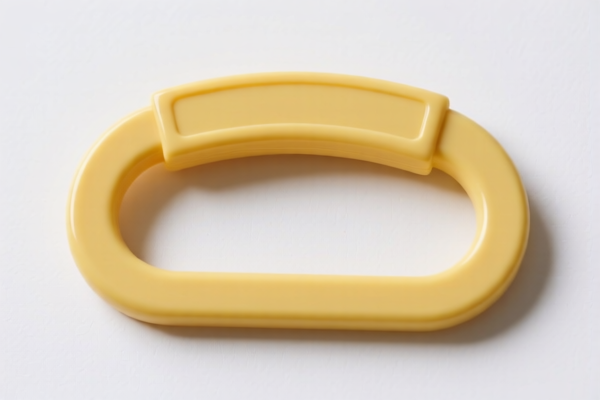
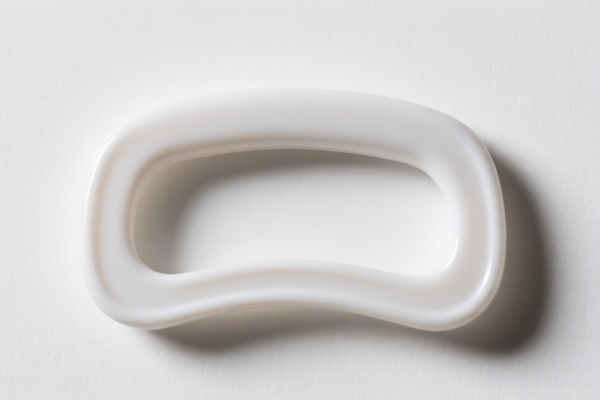
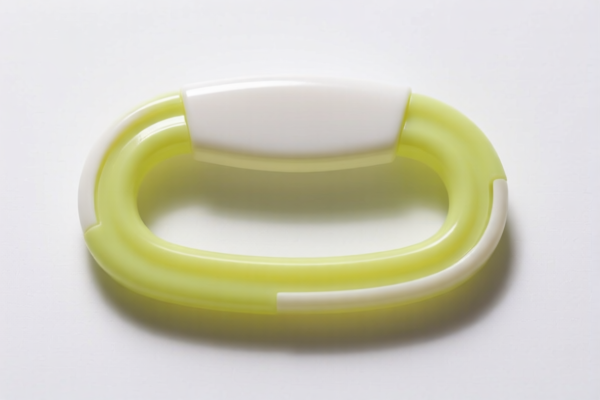
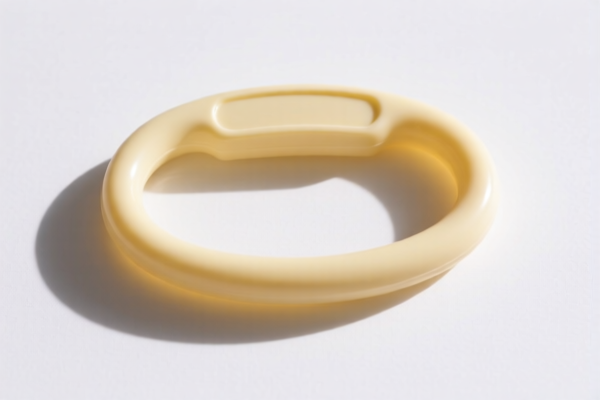
AI Analysis
🛠️ Plastic Drawer Handle: The Ultimate HS Code & Tariff Guide (2026 Update)
🌐 HS Code Reference & Customs Clearance Guide | 2026 Latest Tariff Analysis | Professional Clearance Strategy
📌 Part I: Product Definition & Classification – Do You Really Understand "Drawer Handles"?
A Plastic Drawer Handle is a functional component used to open/close drawers in furniture, cabinets, or industrial storage units. In international trade, classification depends heavily on material, function, and final destination.
⚠️ Key Distinction Points: - Pure Plastic Component: If classified purely as a plastic article, it falls under Chapter 39. - Furniture Part: If explicitly defined as a part/accessory for furniture, it may fall under Chapter 94. - Material Matters: Ceramic handles are treated entirely differently (Chapter 69). This guide focuses on Plastic and Ceramic variants as per the provided data.
📦 Part II: HS Code Classification Matrix (2026 Latest Tariff Authority)
| HS Code | Product Description | Material | Functional Category | Total Tax Rate (US/China Origin) |
|---|---|---|---|---|
3926.30.10.00 |
Plastic Article, Handle Form | Plastic | General Plastic Articles (Handles/Knobs) | 24.0% |
3926.90.25.00 |
Plastic Article, Handle Purpose | Plastic | Other Plastic Articles (Handles) | 24.0% |
9403.99.40.80 |
Furniture Part, Plastic | Plastic | Parts of Furniture (Plastic) | 35.0% |
9403.99.40.10 |
Furniture Part, Plastic | Plastic | Other Plastic Parts of Furniture | 35.0% |
6914.10.80.00 |
Ceramic Article, Handle/Accessory | Ceramic | Ceramic Parts/Accessories | 44.0% |
🔍 Critical Note: - Codes
3926.30.10.00and3926.90.25.00are for purely plastic handles not explicitly categorized as furniture parts. - Codes9403.99.40.xxare for handles classified as parts of furniture. - Code6914.10.80.00applies only if the handle is made of Ceramic, not plastic.
💰 Part III: 2026 Tariff Rate Breakdown (Detailed Policy & Surcharges)
✅ Applicable Country: United States (US) ✅ Origin: China (CN) ✅ Effective Date: 2025/2026 (Including subsequent imports)
🎯 1. Plastic Handles: Chapter 39 (General Plastic Articles)
Applicable HS Codes: 3926.30.10.00 & 3926.90.25.00
| Item | Detail |
|---|---|
| Base Tariff | 6.5% (Most Favored Nation) |
| Section 301 Surcharge | 7.5% (Additional Duty under USITC Footnote) |
| 122 Clause Surcharge | 10.0% (Specific Section 122 Duty) |
| Total Tax Rate | 24.0% |
| Tax Calculation | CIF Value × 24% |
| De Minimis Exemption | ❌ Not Eligible (High tariff threshold excludes small packages) |
| Legal Reference Path | Base Tariff: 6.5% → Section 301: +7.5% → 122 Clause: +10% |
📌 Explanation: - These handles are classified as general plastic articles. - The total 24% rate is composed of base MFN (6.5%) + Section 301 (7.5%) + Section 122 (10%). - Risk: Misclassifying a plastic handle as a non-tariff item can lead to severe penalties.
🎯 2. Plastic Handles: Chapter 94 (Parts of Furniture)
Applicable HS Codes: 9403.99.40.80 & 9403.99.40.10
| Item | Detail |
|---|---|
| Base Tariff | 0.0% (Duty-Free for Parts of Furniture) |
| Section 301 Surcharge | 25.0% (Significant Additional Duty) |
| 122 Clause Surcharge | 10.0% (Specific Section 122 Duty) |
| Total Tax Rate | 35.0% |
| Tax Calculation | CIF Value × 35% |
| De Minimis Exemption | ❌ Not Eligible |
| Legal Reference Path | Base Tariff: 0.0% → Section 301: +25% → 122 Clause: +10% |
📌 Explanation: - Although the base tariff is 0%, the Section 301 surcharge is much higher (25%) compared to Chapter 39. - Total Cost: 35% is 11% higher than the Chapter 39 classification (24%). - Strategic Insight: Classifying under Chapter 39 (
3926.xx) is cheaper for plastic handles unless specific furniture part exemptions apply (rare for China-origin).
🎯 3. Ceramic Handles: Chapter 69 (Ceramic Products)
Applicable HS Code: 6914.10.80.00
| Item | Detail |
|---|---|
| Base Tariff | 9.0% |
| Section 301 Surcharge | 25.0% |
| 122 Clause Surcharge | 10.0% |
| Total Tax Rate | 44.0% |
| Tax Calculation | CIF Value × 44% |
| De Minimis Exemption | ❌ Not Eligible |
| Legal Reference Path | Base Tariff: 9.0% → Section 301: +25% → 122 Clause: +10% |
📌 Explanation: - Ceramic handles incur the highest tax burden (44%). - Crucial: Do not declare a plastic handle as ceramic to avoid inspection, but do not misdeclare ceramic as plastic. Material authenticity is strictly checked.
🛠️ Part IV: Customs Clearance Practical Advice (Avoid Pitfalls)
✅ 1. Documentation Checklist (Mandatory)
| Document | Required? | Purpose |
|---|---|---|
| ✅ Product Specifications | ✔️ | Confirm material (Plastic vs. Ceramic) and dimensions. |
| ✅ Material Certificate | ✔️ | Proof of plastic composition (e.g., PP, ABS, PVC). |
| ✅ Product Photos | ✔️ | Clear images of handle, logo, and any furniture context. |
| ✅ Commercial Invoice | ✔️ | Must specify "Plastic Drawer Handle" or "Furniture Part". |
| ✅ Packing List | ✔️ | Item count, gross weight, net weight. |
| ✅ Origin Certificate (CO) | ✔️ | To verify China origin and apply correct surcharges. |
✅ 2. Classification Strategy: Chapter 39 vs. Chapter 94
| Scenario | Recommended HS Code | Tax Rate | Reason |
|---|---|---|---|
| Pure Plastic Handle (Sold separately, generic) | 3926.30.10.00 or 3926.90.25.00 |
24% | Lower total tax (6.5% base + 17.5% surcharges). |
| Furniture Part (Sold with furniture, specific design) | 9403.99.40.80 or 9403.99.40.10 |
35% | Higher surcharge (25% Section 301). |
| Ceramic Handle | 6914.10.80.00 |
44% | Highest tax due to 9% base + 35% surcharges. |
🔥 Pro Tip: - For Plastic Handles: Prefer Chapter 39 (
3926.xx) over Chapter 94 (9403.xx) to save 11% in total taxes. - Declaration Name: Use "Plastic Drawer Handle" instead of "Furniture Part" if the item is generic and sold independently.
✅ 3. Common Mistakes & Avoidance
| Mistake | Consequence | Solution |
|---|---|---|
| Misdeclaring Plastic as Ceramic | Severe penalty, confiscation | Verify material via sample testing. |
| Misdeclaring Ceramic as Plastic | Penalty for underpayment | Accurate material declaration is key. |
| Using "Part of Furniture" for Generic Handles | Higher tax (35% vs 24%) | Use Chapter 39 for generic plastic handles. |
| Ignoring 122 Clause | Unexpected 10% surcharge | Include 122 clause in cost calculation. |
🌍 Part V: Global Market Comparison (2026)
| Region | Recommended HS Code | Total Tax (China Origin) | Key Certification |
|---|---|---|---|
| 🇺🇸 USA | 3926.30.10.00 (Plastic) |
24% | No specific certification for plastic handles, but ensure non-toxic. |
| 🇺🇸 USA | 6914.10.80.00 (Ceramic) |
44% | Lead/Cadmium content tests for ceramic. |
| 🇪🇺 EU | Varies | Lower (0-6%) | CE Marking, RoHS Compliance. |
| 🇨🇳 China | Varies | Lower (3-13%) | CCC (if electrical, not applicable here). |
📌 Conclusion: - USA is the most expensive market due to Section 301 and 122 Clause surcharges. - Plastic handles are cheaper to import than Ceramic handles in the US. - Chapter 39 is more tax-efficient than Chapter 94 for plastic handles.
📌 Part VI: Final Recommendations for Importers
- Material Verification:
- Ensure all handles are 100% Plastic if declaring under
3926.xx. -
If any ceramic components exist, classify under
6914.xxand accept the 44% tax. -
Cost Optimization:
- Use HS Code
3926.30.10.00or3926.90.25.00for plastic handles to achieve the 24% total tax rate. -
Avoid
9403.99.40.xxunless required by specific furniture regulations, as it increases tax by 11%. -
Documentation:
- Provide Material Safety Data Sheets (MSDS) for plastic resins.
-
Include Photos showing the handle is a standalone accessory, not a complex mechanical part.
-
Legal Compliance:
- Adhere to Section 122 declarations.
- Ensure Origin Marking is clearly visible on packaging.
🎯 Summary Table: Tax Comparison for Plastic Drawer Handles
| HS Code | Description | Base Tax | Section 301 | 122 Clause | Total Tax |
|---|---|---|---|---|---|
3926.30.10.00 |
Plastic Handle | 6.5% | 7.5% | 10.0% | 24.0% ✅ |
3926.90.25.00 |
Plastic Handle | 6.5% | 7.5% | 10.0% | 24.0% ✅ |
9403.99.40.80 |
Furniture Part | 0.0% | 25.0% | 10.0% | 35.0% |
9403.99.40.10 |
Furniture Part | 0.0% | 25.0% | 10.0% | 35.0% |
6914.10.80.00 |
Ceramic Handle | 9.0% | 25.0% | 10.0% | 44.0% |
✨ Professional Clearance, Start with Precise Classification! 💼 Every cent saved on tax is profit added!
Customer Reviews
About HS Code Classification
The Harmonized System (HS) is an internationally standardized nomenclature developed by the World Customs Organization (WCO) to classify traded products. Over 200 countries use the HS system as the basis for customs tariffs, trade statistics, and import/export regulations.
Each HS code follows a hierarchical structure:
- Chapter (2 digits) — Broad category of goods (e.g., Chapter 84: Machinery and Mechanical Appliances)
- Heading (4 digits) — More specific grouping within the chapter
- Subheading (6 digits) — Internationally standardized breakdown, used by all WCO member countries
- National subdivisions (8-10 digits) — Country-specific extensions for further classification, such as US HTSUS 10-digit codes
Correct HS code classification is essential for smooth customs clearance, accurate duty payment, and compliance with trade regulations. Misclassification can lead to customs delays, overpayment of duties, or penalties.
When importing from CN to US, the applicable tariff rates may include:
- Most-Favored-Nation (MFN) rate — The standard duty rate applied to WTO members
- General rate — Applied to countries without trade agreements
- Trade remedy duties — Additional tariffs such as Section 301 (anti-dumping), Section 232 (national security), or countervailing duties
The information provided on this page is for reference purposes only. For official classification, please consult with your local customs authority or a licensed customs broker.