Plastic Drawer Slide Rail
CN → US| HS Code | Tariff Rate | Origin | Destination | Doc |
|---|---|---|---|---|
| 3926305000 | 22.8% | CN | US | Official Doc |
| 3926908500 | 24.0% | CN | US | Official Doc |
| 7610900080 | 90.7% | CN | US | Official Doc |
| 7610100030 | 73.2% | CN | US | Official Doc |
| 8302423015 | 71.4% | CN | US | Official Doc |
Product Images
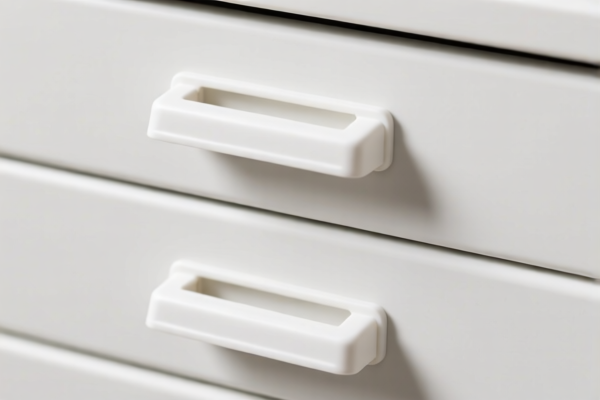
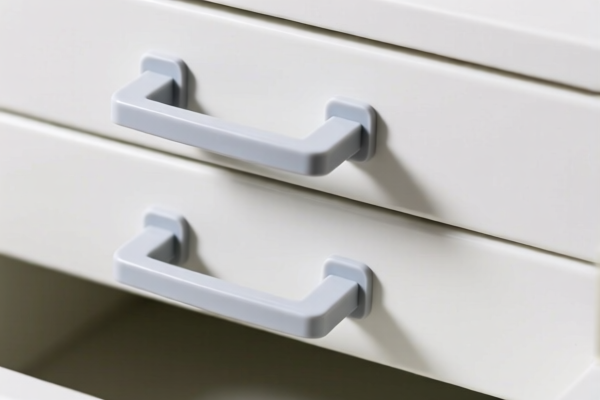
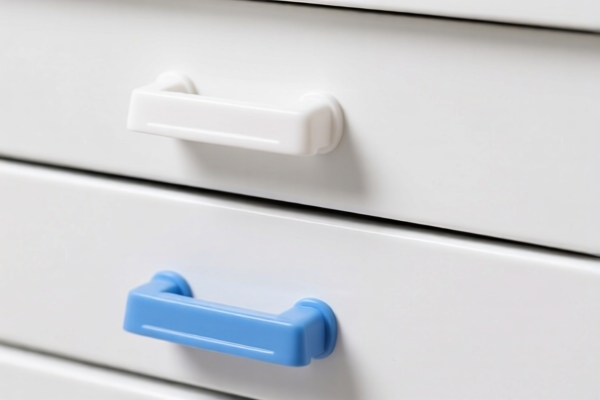
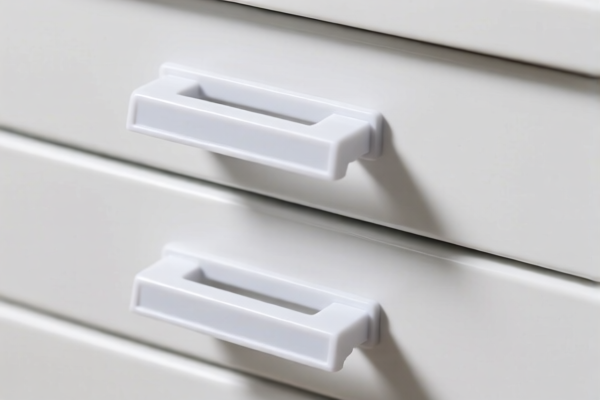
AI Analysis
🗄️ Plastic Drawer Slide Rail (Plastic Drawer Tracks)
🌐 HS Code Reference & Customs Clearance Guide | 2026 Latest Tariff Analysis | Professional-Level Strategy
📌 1. Product Definition & Classification: What is a "Plastic Drawer Slide Rail"?
Plastic drawer slide rails are mechanical components used to support and guide the movement of drawers in furniture, cabinets, and storage systems. They are typically made from high-density plastics (such as Nylon, POM, or ABS) or plastic-coated metals.
In international trade, these items are classified based on their material composition and primary function. Because materials vary (pure plastic vs. metal alloy), the HS Code and subsequent tariff rates differ significantly.
⚠️ Key Distinction: - If the rail is purely plastic or primarily plastic → Classified under Chapter 39 (Plastics). - If the rail is metal (steel, aluminum, zinc alloy) → Classified under Chapter 76 (Aluminum) or Chapter 83 (Base Metal Articles). - Note: Even if the ball bearings are steel, if the main structural track is plastic, it often falls under Chapter 39. If it is a full metal rail with plastic glides, it falls under Chapter 83.
📦 2. HS Code Classification Details (2026 Tariff Database)
Based on the provided data, here are the possible classifications for drawer slide rails, categorized by material:
🧪 Category A: Plastic-Based Rails (Chapter 39)
Suitable for: Pure plastic rails, plastic-coated steel rails where plastic is the primary defining feature, or lightweight furniture slides.
| HS Code | Product Description | Key Characteristics | Primary Material |
|---|---|---|---|
3926.30.50.00 |
Plastic Drawer Tracks, classified as furniture fittings | Pure plastic construction; simple glide systems | Plastic |
3926.90.85.00 |
Plastic Tracks/Components, classified as plastic articles & mechanical fixtures | General plastic components, rails for machinery or fixed installations | Plastic |
🔩 Category B: Metal-Based Rails (Chapter 76 & 83)
Suitable for: Heavy-duty steel rails, aluminum rails, or mixed-metal assemblies.
| HS Code | Product Description | Key Characteristics | Primary Material |
|---|---|---|---|
7610.90.00.80 |
Aluminum Drawer Rails, classified as aluminum structural parts | Aluminum alloy construction; high durability | Aluminum |
7610.10.00.30 |
Aluminum Structural Drawer Rails, classified as aluminum window/door frame accessories | Structural aluminum components; often part of larger frames | Aluminum |
8302.42.30.15 |
Drawer Rails, classified as base metal fittings | Steel, zinc, or other base metal tracks; standard heavy-duty slides | Base Metal (Steel/Zinc) |
💰 3. 2026 Tariff Rate Analysis (Including Surtaxes)
✅ Applicable Country: United States (US)
✅ Origin: China (CN) (Implied by "Section 301" and "Section 232" taxes)
✅ Effective Date: Current rates apply as per 2026 regulations.
🎯 1. Plastic Drawer Rails (Chapter 39)
Lowest tariff risk among the options.
HS Code: 3926.30.50.00
| Item | Detail |
|---|---|
| Base Duty | 5.3% |
| Section 301 Surcharge | 7.5% |
| Section 232 Surcharge | 10% |
| Total Effective Rate | 22.8% |
| Tax Breakdown | Base (5.3%) + 301 (7.5%) + 232 (10%) |
HS Code: 3926.90.85.00
| Item | Detail |
|---|---|
| Base Duty | 6.5% |
| Section 301 Surcharge | 7.5% |
| Section 232 Surcharge | 10% |
| Total Effective Rate | 24.0% |
| Tax Breakdown | Base (6.5%) + 301 (7.5%) + 232 (10%) |
📌 Explanation:
- Section 301 (7.5%): Specific surcharge on certain Chinese goods. - Section 232 (10%): Generally applied to industrial products, though often associated with steel/aluminum, it appears in this dataset for plastic imports as well. - Advantage: Plastic rails have the lowest total tax burden (22.8%-24.0%).
🎯 2. Aluminum Drawer Rails (Chapter 76)
High tariff risk due to steel/aluminum-specific surcharges.
HS Code: 7610.90.00.80
| Item | Detail |
|---|---|
| Base Duty | 5.7% |
| Section 301 Surcharge | 25.0% |
| Section 232 Surcharge | 10% |
| Steel/Aluminum Surcharge | 50% |
| Total Effective Rate | 90.7% |
| Tax Breakdown | Base (5.7%) + 301 (25%) + 232 (10%) + Metal Surcharge (50%) |
HS Code: 7610.10.00.30
| Item | Detail |
|---|---|
| Base Duty | 5.7% |
| Section 301 Surcharge | 7.5% |
| Section 232 Surcharge | 10% |
| Steel/Aluminum Surcharge | 50% |
| Total Effective Rate | 73.2% |
| Tax Breakdown | Base (5.7%) + 301 (7.5%) + 232 (10%) + Metal Surcharge (50%) |
📌 Explanation:
- Steel/Aluminum Surcharge (50%): This is the critical differentiator. Under US Trade Law, specific aluminum and steel products face an additional 50% tariff on top of base and Section 301/232 taxes. - Risk: Even if Section 301 is low (7.5%), the 50% metal surcharge makes aluminum rails extremely expensive to import into the US.
🎯 3. Base Metal Drawer Rails (Chapter 83)
High tariff risk due to steel/aluminum-specific surcharges.
HS Code: 8302.42.30.15
| Item | Detail |
|---|---|
| Base Duty | 3.9% |
| Section 301 Surcharge | 7.5% |
| Section 232 Surcharge | 10% |
| Steel/Aluminum Surcharge | 50% |
| Total Effective Rate | 71.4% |
| Tax Breakdown | Base (3.9%) + 301 (7.5%) + 232 (10%) + Metal Surcharge (50%) |
📌 Explanation:
- Section 301 (7.5%): Lower than the7610.90.00.80code, but the 50% metal surcharge remains. - Result: Total tax is 71.4%, which is significantly higher than plastic alternatives.
🛠️ 4. Customs Clearance Practical Advice (Pitfall Avoidance)
✅ 1. Material Declaration is Critical
| Material | Recommended HS Code | Total Tax | Risk Level |
|---|---|---|---|
| Pure Plastic | 3926.30.50.00 |
22.8% | 🟢 Low |
| Plastic Components | 3926.90.85.00 |
24.0% | 🟢 Low |
| Steel/Base Metal | 8302.42.30.15 |
71.4% | 🔴 High |
| Aluminum | 7610.90.00.80 |
90.7% | 🔴🔴 Extreme |
🔥 Golden Rule:
"If it's plastic, save money. If it's metal, prepare for heavy taxes."
✅ 2. Documentation Requirements
| Document | Must Provide | Purpose |
|---|---|---|
| ✅ Product Specification | ✔️ | Explicitly state "Material: Plastic" or "Material: Aluminum Alloy". |
| ✅ Bill of Materials (BOM) | ✔️ | Show percentage of plastic vs. metal. If >50% plastic, argue for Chapter 39. |
| ✅ Photos | ✔️ | Show cross-section to prove material composition. |
| ✅ Commercial Invoice | ✔️ | Use precise description: "Plastic Drawer Slide, Model XYZ, No Metal Core". |
| ✅ Certificate of Origin | ✔️ | To verify origin for Section 301/232 applicability. |
✅ 3. Strategic Classification Tips
-
For Steel Rails with Plastic Coating:
- If the plastic coating is merely protective and the structural integrity is steel, it will be classified as metal (
8302or7610), incurring the 50% metal surcharge. - Strategy: If possible, redesign to use all-plastic or high-strength polymer composites for the main track to qualify for Chapter 39.
- If the plastic coating is merely protective and the structural integrity is steel, it will be classified as metal (
-
For Aluminum Rails:
- Aluminum rails are heavily penalized (up to 90.7%).
- Strategy: Consider sourcing aluminum rails from non-China origins (e.g., Vietnam, Mexico) if eligible for preferential rates, or switch to plastic alternatives for non-heavy-duty applications.
-
Pre-Ruling Application:
- Given the massive tax difference (22.8% vs. 90.7%), apply for an Advance Ruling from US Customs and Border Protection (CBP) before shipment. Provide physical samples and detailed material specs.
🌍 5. Global Market Comparison (2026)
| Region | HS Code Recommendation | Est. Total Tax (China Origin) | Key Certification |
|---|---|---|---|
| 🇺🇸 USA | 3926.30.50.00 (Plastic) |
22.8% | None usually required |
| 🇺🇸 USA | 8302.42.30.15 (Metal) |
71.4% | None usually required |
| 🇪🇺 EU | 3926.90 (Plastic) | ~4-6% | REACH, RoHS |
| 🇪🇺 EU | 7326/7610 (Metal) | ~3-4% | REACH, RoHS |
| 🇨🇳 China | 3926.30 | ~0-5% | CCC (if applicable) |
📌 Conclusion:
- USA: Plastic rails are 3x cheaper in taxes than metal rails. - EU/China: Metal and plastic have similar, low tariff structures. The 50% metal surcharge is unique to US trade policy.
📌 6. Common Mistakes & Pitfalls
❌ Mistake 1: Declaring a steel rail as "Plastic Slide" to avoid taxes.
👉 Consequence: CBP inspection will reveal the metal core → Seizure + Heavy Fines.
❌ Mistake 2: Using 3926.90.85.00 for a steel rail.
👉 Consequence: Misclassification → Back taxes + Penalties.
❌ Mistake 3: Ignoring the "50% Steel/Aluminum Surcharge".
👉 Consequence: Profit margin wiped out. A 71.4% tax rate makes metal rails uncompetitive in the US market unless price is adjusted.
✅ Correct Approach:
"Accurate Material Declaration is Key. Use Plastic for Low-Tax US Imports. Use Metal only if Heavy-Duty Performance is Required and Cost is Absorbed."
🎯 7. Conclusion: Professional Customs Strategy
🎯 Remember:
🔹 "Plastic = 22.8% | Metal = 71-90% | Choice is yours!"
🔹 "Check the material first, then the HS Code, then the tax!"
📌 Pro Tip:
If you are importing aluminum rails and they originate from China, the 90.7% tax rate is prohibitive. Consider:
1. Switching to plastic or polymer-composite rails.
2. Sourcing aluminum from non-China countries (e.g., Southeast Asia) to avoid the 50% metal surcharge (if eligible).
3. Applying for HS Code Pre-Ruling to confirm classification.
📣 Immediate Action:
📞 Consult with a customs broker.
📦 Provide material composition reports.
🚀 Optimize your supply chain to maximize profit margins!
✨ Professional Customs Clearance Starts with Accurate Classification!
💼 Every percentage point of tax saves you thousands!
Customer Reviews
About HS Code Classification
The Harmonized System (HS) is an internationally standardized nomenclature developed by the World Customs Organization (WCO) to classify traded products. Over 200 countries use the HS system as the basis for customs tariffs, trade statistics, and import/export regulations.
Each HS code follows a hierarchical structure:
- Chapter (2 digits) — Broad category of goods (e.g., Chapter 84: Machinery and Mechanical Appliances)
- Heading (4 digits) — More specific grouping within the chapter
- Subheading (6 digits) — Internationally standardized breakdown, used by all WCO member countries
- National subdivisions (8-10 digits) — Country-specific extensions for further classification, such as US HTSUS 10-digit codes
Correct HS code classification is essential for smooth customs clearance, accurate duty payment, and compliance with trade regulations. Misclassification can lead to customs delays, overpayment of duties, or penalties.
When importing from CN to US, the applicable tariff rates may include:
- Most-Favored-Nation (MFN) rate — The standard duty rate applied to WTO members
- General rate — Applied to countries without trade agreements
- Trade remedy duties — Additional tariffs such as Section 301 (anti-dumping), Section 232 (national security), or countervailing duties
The information provided on this page is for reference purposes only. For official classification, please consult with your local customs authority or a licensed customs broker.