Plastic Dust Cover
CN → US| HS Code | Tariff Rate | Origin | Destination | Doc |
|---|---|---|---|---|
| 6210203000 | 13.8% | CN | US | Official Doc |
| 3926206000 | 35.0% | CN | US | Official Doc |
| 6210207000 | 13.3% | CN | US | Official Doc |
| 3921901500 | 41.5% | CN | US | Official Doc |
Product Images
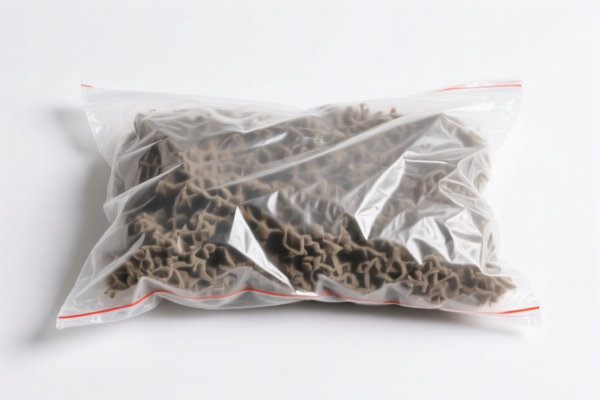
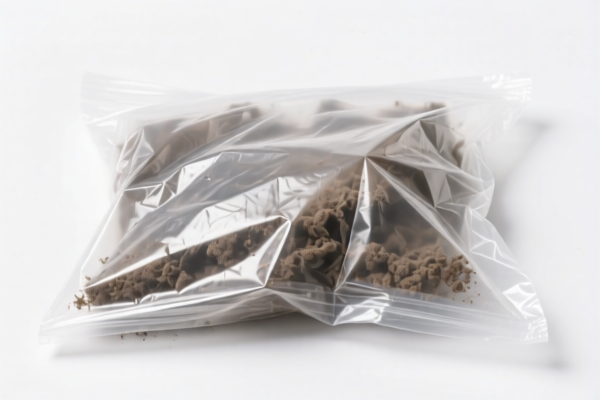
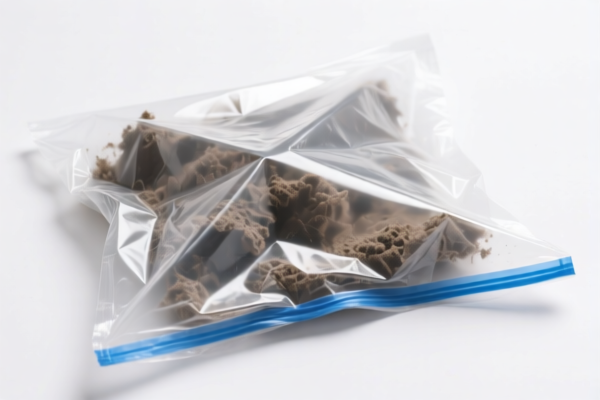
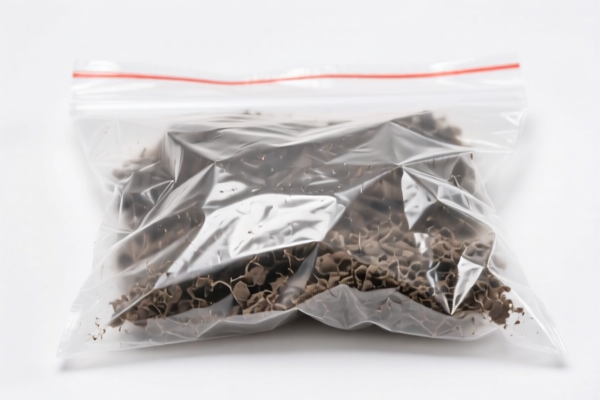
AI Analysis
🛡️ Plastic Dust Cover (Protective Gear)
🌐 HS Code Reference & Customs Clearance Guide | 2026 Latest Tariff Analysis | Professional Clearance Strategy
📌 I. Product Definition & Classification: What is a "Plastic Dust Cover"?
In international trade, the classification of a "Plastic Dust Cover" depends entirely on its form and material composition. It is not a single unified product but falls into distinct categories based on whether it is structured like a garment (wearable) or a simple plastic sheet/cover.
1. Garment-Form Protective Covers:
These are shaped like clothing (jumpsuits, coveralls, smocks) with sleeves, legs, and closures. They are designed to be worn by humans to protect against dust, chemicals, or particulates.
⚠️ Key Distinction: If it has the shape of clothing (cut for the human body), it generally falls under Chapter 62 (Articles of Apparel and Clothing Accessories, Not Knitted or Crocheted), specifically heading 6210.
2. Non-Garment Plastic Sheets/Covers:
These are unstructured sheets, rolls, or molded plastic items used to cover equipment, furniture, or floors. They are not designed to be worn.
⚠️ Key Distinction: If it is primarily plastic, not shaped like clothing, it falls under Chapter 39 (Plastics and Articles Thereof).
📦 II. HS Code Classification Details (2026 Latest Tariff Authority)
Based on the provided data, here are the four possible HS Codes for "Plastic Dust Cover," categorized by their specific characteristics and associated tariffs.
| HS Code | Product Description | Applicable Scenario | Material/Form Logic |
|---|---|---|---|
6210.20.30.00 |
Plastic Protective Garments | Shaped like clothing (e.g., coveralls, smocks), made of plastic-coated/laminated fabric. | Garment Form + Plastic Coating/Lamination |
3926.20.60.00 |
Other Plastic Protective Articles | Generic plastic protective gear that doesn't fit specific garment descriptions; a "catch-all" category. | Plastic Material + Catch-all Category |
6210.20.70.00 |
Plastic-Coated Protective Clothing | Protective suits where the plastic coating/covering is the primary characteristic of the garment. | Garment Form + Coated/Plastic Covered |
3921.90.15.00 |
Plastic Sheets/Plates with Textile | Plastic material inferred to be combined with textile; often used for non-wearable protective covers or industrial sheets. | Plastic + Textile Mix / Industrial Logic |
🔍 Critical Reminder:
- Shape Matters: If it looks like a suit you wear, look at 6210. If it’s a sheet you drape over a machine, look at 3921.
- Avoid "General" Classification: Do not use3926.20.60.00unless you cannot clearly define it as a coated garment or a specific plastic sheet. It carries a high tariff (35%).
- Prefer Garment Classification: If the item is worn,6210codes are usually more appropriate and often have lower base tariffs (3.3%-3.8%) compared to plastic goods.
💰 III. 2026 Latest Tariff Rate Breakdown (Including Surcharges & Policies)
✅ Applicable Country: United States (US)
✅ Origin: China (CN)
✅ Effective Date: Current rates include Section 301 and Section 122 surcharges.
🎯 1. 6210.20.30.00 – Plastic Protective Garments (Coated/Laminated)
| Item | Content |
|---|---|
| Base Tariff | 3.8% |
| Section 301 Surcharge | 0.0% (Note: Some garments may be exempt or lower, but data shows 0.0%) |
| Section 122 Surcharge | +10.0% |
| Total Tariff | 13.8% |
| Tax Calculation | CIF Value × 13.8% |
| De Minimis Exemption | ❌ Not Eligible (Section 321 de minimis is suspended/restricted for many Chinese goods) |
| Legal Path | HTSUS:6210.20.30 → Section 122 → Section 301 (if applicable) |
📌 Explanation:
- This is the most favorable option if the item is a wearable garment.
- Section 122 adds a 10% surcharge on imports from China.
- Base rate is low (3.8%), making the total significantly cheaper than plastic sheet classifications.
🎯 2. 3926.20.60.00 – Other Plastic Articles (Protective Gear)
| Item | Content |
|---|---|
| Base Tariff | 0.0% |
| Section 301 Surcharge | +25.0% |
| Section 122 Surcharge | +10.0% |
| Total Tariff | 35.0% |
| Tax Calculation | CIF Value × 35.0% |
| De Minimis Exemption | ❌ Not Eligible |
| Legal Path | HTSUS:3926.20.60 → Section 301 (Footnote 9903.88.01) → Section 122 |
📌 Warning:
- This is a "Catch-All" Category.
- Despite a 0% base tariff, the 25% Section 301 tariff kicks in heavily.
- Total 35% is significantly higher than garment options. Avoid this unless the item is clearly NOT a garment and NOT a plastic sheet covered by other specific headings.
🎯 3. 6210.20.70.00 – Plastic-Coated Protective Clothing
| Item | Content |
|---|---|
| Base Tariff | 3.3% |
| Section 301 Surcharge | 0.0% |
| Section 122 Surcharge | +10.0% |
| Total Tariff | 13.3% |
| Tax Calculation | CIF Value × 13.3% |
| De Minimis Exemption | ❌ Not Eligible |
| Legal Path | HTSUS:6210.20.70 → Section 122 |
📌 Optimal Choice for Garments:
- This has the lowest total tariff (13.3%).
- Use this if the protective cover is clearly a garment with plastic coating/covering and fits the "other articles of apparel" description under 6210.20.70.
🎯 4. 3921.90.15.00 – Plastic Sheets/Plates (Textile-Combined)
| Item | Content |
|---|---|
| Base Tariff | 6.5% |
| Section 301 Surcharge | +25.0% |
| Section 122 Surcharge | +10.0% |
| Total Tariff | 41.5% |
| Tax Calculation | CIF Value × 41.5% |
| De Minimis Exemption | ❌ Not Eligible |
| Legal Path | HTSUS:3921.90.15 → Section 301 → Section 122 |
📌 Highest Risk Option:
- This category carries the highest total tariff (41.5%).
- It applies if the product is interpreted as a plastic article combined with textiles (e.g., a plastic sheet with a fabric backing) but NOT shaped as a garment.
- Avoid this classification for simple plastic dust covers unless necessary.
🛠️ IV. Customs Clearance Practical Advice (Real-World Pitfall Guide)
✅ 1. Required Documentation (Mandatory)
| Document | Must Provide | Explanation |
|---|---|---|
| ✅ Product Photos | ✔️ | Show the item’s shape: Is it a suit (garment) or a sheet (cover)? |
| ✅ Technical Data Sheet | ✔️ | Describe material: Is it coated fabric (6210) or solid plastic (3921)? |
| ✅ Commercial Invoice | ✔️ | Clearly state: "Plastic Protective Coveralls" (if garment) or "Plastic Dust Sheets" (if not). |
| ✅ Material Composition | ✔️ | Detail: e.g., "Polyethylene-coated non-woven fabric" vs. "Solid PVC sheet". |
| ✅ Origin Certificate | ✔️ | Required for Section 122/301 assessment. |
✅ 2. Declaration Strategy (Key Mnemonics)
🔥 "Garment Shape = Low Tax (13.3-13.8%); Plastic Sheet = High Tax (35-41.5%)"
| Scenario | Correct Declaration | Incorrect Action | Consequence |
|---|---|---|---|
| Wearable Coverall | 6210.20.70.00 (13.3%) |
Declare as "Plastic Sheet" → 3921.90.15.00 |
Pay 28.2% MORE tax! |
| Wearable Coverall | 6210.20.30.00 (13.8%) |
Declare as "Other Plastic Article" → 3926.20.60.00 |
Pay 21.2% MORE tax! |
| Non-Wearable Sheet | 3921.90.15.00 (41.5%) |
Declare as "Garment" | Customs Audit & Penalties |
| Generic Plastic Cover | 3926.20.60.00 (35.0%) |
Use when no better fit exists | Accept 35% cost |
✅ 3. Special Case Handling
| Situation | Recommendation |
|---|---|
| Disposable Coveralls (Tyvek-like) | Likely 6210.20.70.00 or 6210.20.30.00. Do NOT classify as plastic sheets. |
| Industrial Dust Sheets (for Floors) | Likely 3921.90.15.00. High tax unavoidable if no other plastic heading fits. |
| Transparent Plastic Garment Covers | If shaped like a poncho/jacket, use 6210.20.70.00 (13.3%). Do NOT use 3926. |
| Pre-Clearance Ruling | Highly Recommended. Submit a binding ruling request to CBP if the product’s shape/material is ambiguous. |
🌍 V. Global Market Comparison (2026 Latest)
| Country/Region | Recommended HS Code | Total Tariff (China Origin) | Certification Notes |
|---|---|---|---|
| 🇺🇸 United States | 6210.20.70.00 |
13.3% | Section 122 (10%) + Base (3.3%) |
| 🇺🇸 United States | 3921.90.15.00 |
41.5% | Section 301 (25%) + Section 122 (10%) + Base (6.5%) |
| 🇨🇳 China | 6210.20.70.00 |
3.3% | No Section 301/122 |
| 🇪🇺 EU | 6210.20.70.00 |
3.3% + VAT | No Section 301/122 |
| 🇬🇧 UK | 6210.20.70.00 |
3.3% | No Section 301/122 |
📌 Conclusion:
- The US is the highest-cost market due to Section 301 and Section 122 tariffs.
- Classification is critical: A misclassified garment (declared as plastic) can result in 28%+ extra tax.
- Always strive for Chapter 62 (Garments) if the item is wearable, as it avoids the 25% Section 301 tariff.
📌 VI. Common Mistakes & Pitfalls (Blood Lessons)
❌ Mistake 1: Calling a "Plastic Coverall" a "Plastic Sheet"
👉 Result: Tax jumps from 13.3% to 41.5%. You lose 28.2% in extra cost.
❌ Mistake 2: Using 3926.20.60.00 for a wearable suit
👉 Result: Tax is 35%. You lose 21.7% compared to correct garment classification.
❌ Mistake 3: Ignoring Section 122 Surcharge
👉 Result: Even with 0% Section 301, 10% Section 122 still applies to all Chinese goods. Do not assume 0% tariff.
✅ Correct Action:
"Plastic Protective Coverall, Disposable, Non-Woven Fabric with PE Coating, Unisex, Model XYZ, Certified for Industrial Use"
🎯 VII. Conclusion: Precision Classification Saves Money!
🎯 Remember the Motto:
🔹 "Garment Shape = Low Tax (13.3-13.8%); Plastic Sheet = High Tax (35-41.5%)"
🔹 "HS Code Determines Life or Death of Profit Margins"
📌 Pro Tip:
If your plastic dust cover is made in Vietnam, Mexico, or Thailand, you may avoid Section 301 and Section 122 tariffs, reducing costs to base rates only.
Recommendation: Apply for a Customs Ruling (CBP Ruling) before shipment to confirm the correct HS Code and avoid retroactive duties.
📣 Immediate Action:
📞 Contact your freight forwarder + Provide product photos + Request CBP Ruling
🚀 Let your plastic dust covers clear customs smoothly, efficiently, and profitably!
✨ Professional Clearance Starts with Accurate Classification!
💼 Every cent of tax saved is pure profit!
Customer Reviews
About HS Code Classification
The Harmonized System (HS) is an internationally standardized nomenclature developed by the World Customs Organization (WCO) to classify traded products. Over 200 countries use the HS system as the basis for customs tariffs, trade statistics, and import/export regulations.
Each HS code follows a hierarchical structure:
- Chapter (2 digits) — Broad category of goods (e.g., Chapter 84: Machinery and Mechanical Appliances)
- Heading (4 digits) — More specific grouping within the chapter
- Subheading (6 digits) — Internationally standardized breakdown, used by all WCO member countries
- National subdivisions (8-10 digits) — Country-specific extensions for further classification, such as US HTSUS 10-digit codes
Correct HS code classification is essential for smooth customs clearance, accurate duty payment, and compliance with trade regulations. Misclassification can lead to customs delays, overpayment of duties, or penalties.
When importing from CN to US, the applicable tariff rates may include:
- Most-Favored-Nation (MFN) rate — The standard duty rate applied to WTO members
- General rate — Applied to countries without trade agreements
- Trade remedy duties — Additional tariffs such as Section 301 (anti-dumping), Section 232 (national security), or countervailing duties
The information provided on this page is for reference purposes only. For official classification, please consult with your local customs authority or a licensed customs broker.