Plastic Enema Bags
CN → US| HS Code | Tariff Rate | Origin | Destination | Doc |
|---|---|---|---|---|
| 4014905000 | 14.2% | CN | US | Official Doc |
| 4014901000 | 10.0% | CN | US | Official Doc |
| 9018390040 | 10.0% | CN | US | Official Doc |
| 4202929700 | 52.6% | CN | US | Official Doc |
| 3923210030 | 38.0% | CN | US | Official Doc |
Product Images
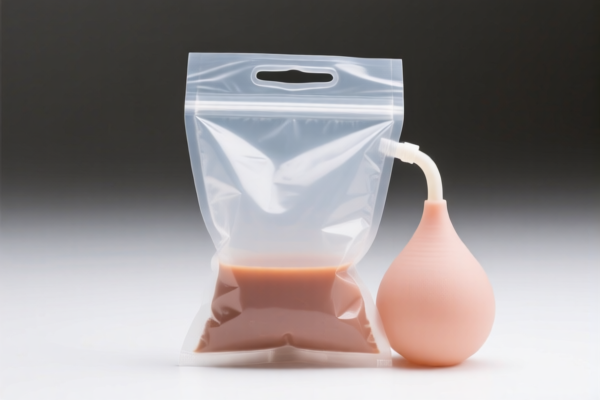
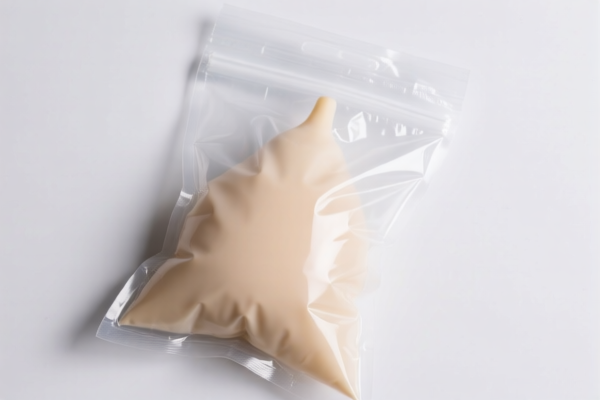
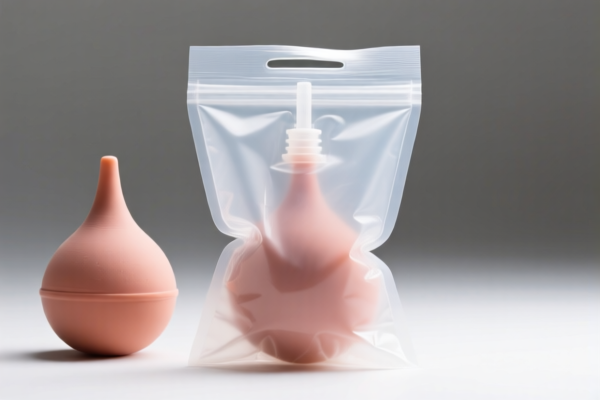
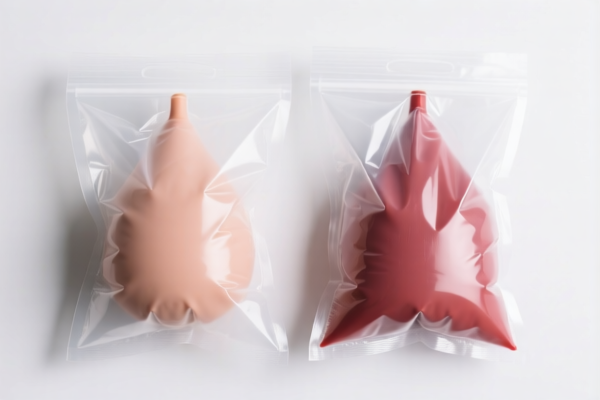
AI Analysis
🚿 Plastic Enema Bags (Medical/Sanitary Irrigation Bags)
🌐 HS Code Reference & Customs Clearance Guide | 2026 Latest Tariff Analysis | Professional Clearance Strategy
📌 I. Product Definition & Classification: What Exactly Is an "Enema Bag"?
Plastic enema bags are flexible containers used for the administration of fluids into the rectum for medical, therapeutic, or hygiene purposes. In international trade, the classification hinges on material composition (Rubber vs. Plastic) and functional intent (Medical Device vs. General Container).
⚠️ Key Distinction Points:
- If the bag is made of vulcanized rubber or compatible soft synthetic elastomers → Classified under Chapter 40 (Rubber) or Chapter 42 (Articles of Leather/Plastic) depending on specificity.
- If the bag is made of plastic/polymer and explicitly functions as a medical catheter/draining device → Classified under Chapter 90 (Medical Instruments).
- If it is a generic plastic bag used for shopping or storage (non-medical specification) → Classified under Chapter 39 (Plastics) or Chapter 42.
📦 II. HS Code Classification Details (2026 Latest Tariff Authority Comparison)
| HS Code | Product Description | Material/Function | Applicable Scenario |
|---|---|---|---|
4014.90.50.00 |
Other articles of vulcanized rubber, incl. hard rubber (e.g., enema bags, catheters, gloves, etc.) | Vulcanized Rubber / Soft Synthetic Material | Hygiene/Medical use inferred from material type. |
4014.90.10.00 |
Enema bags, catheters, etc. of vulcanized rubber | Vulcanized Rubber / Elastic Material | Specific medical/enema purpose. |
9018.39.00.40 |
Pipes, cannulae, tubes and the like (incl. catheters), for medical, surgical, dental or veterinary purposes | Plastic or Rubber | Medical Device category; specifically for drainage/infusion. |
4202.92.97.00 |
Bags of a kind commonly carried in the pocket or handbag (incl. shopping bags) | Plastic Material | General-purpose plastic bag; falls under "Shopping Bag" or "Similar Container". |
3923.21.00.30 |
Sacs and bags, incl. cones, of plastics | Plastic/Vinyl Polymer | Catch-all category for plastic bags not specified elsewhere. |
🔍 Critical Reminder:
- Medical Intent is Key: If the product is marketed, packaged, and labeled as a medical device (enema kit), it strongly favors 9018.39.00.40 or 4014 codes.
- Generic Plastic Bags: If no medical claim is made, customs may classify it as a generic plastic container (3923 or 4202), which often carries higher tariffs due to trade wars.
- Material Matters: Rubber-based enema bags fall under Chapter 40, while plastic-based ones may fall under Chapter 39 or 90 depending on specific medical device status.
💰 III. 2026 Latest Tariff Rate Breakdown (Including Surtaxes & Policy Add-ons)
✅ Applicable Country: United States (US)
✅ Origin: China (CN)
✅ Effective Date: From November 10, 2025 onwards (including subsequent imports)
🎯 1. 4014.90.50.00 —— Articles of Vulcanized Rubber (Non-Specific Enema Bag)
| Item | Content |
|---|---|
| Base Tariff | 4.2% (ad valorem) |
| Section 301 Surtax | 0.0% |
| Section 122 Tariff | +10% (Specific surcharge for certain rubber/plastic goods) |
| Total Rate | 14.2% |
| Tax Calculation | CIF Value × 14.2% |
| De Minimis Eligibility | ❌ No (Not eligible for $800 de minimis exemption if classified as medical/good subject to surtax) |
| Legal Basis Path | USITC:4014.90.50.00 → FOOTNOTE:Section122 |
📌 Explanation:
- This code applies to rubber enema bags that do not fall under the more specific4014.90.10.00.
- The 10% Section 122 tariff is a specific addition for certain rubber/plastic articles.
- Total 14.2% is moderate compared to plastic alternatives.
🎯 2. 4014.90.10.00 —— Enema Bags (Vulcanized Rubber)
| Item | Content |
|---|---|
| Base Tariff | 0.0% |
| Section 301 Surtax | 0.0% |
| Section 122 Tariff | +10% |
| Total Rate | 10.0% |
| Tax Calculation | CIF Value × 10.0% |
| De Minimis Eligibility | ❌ No |
| Legal Basis Path | USITC:4014.90.10.00 → FOOTNOTE:Section122 |
📌 Note:
- This is the most favorable rate for rubber-based enema bags.
- Zero base tariff makes it highly competitive.
- Ensure the product is genuinely vulcanized rubber to qualify.
🎯 3. 9018.39.00.40 —— Medical Catheters/Tubes (Plastic/Rubber)
| Item | Content |
|---|---|
| Base Tariff | 0.0% |
| Section 301 Surtax | 0.0% |
| Section 122 Tariff | +10% |
| Total Rate | 10.0% |
| Tax Calculation | CIF Value × 10.0% |
| De Minimis Eligibility | ❌ No |
| Legal Basis Path | USITC:9018.39.00.40 → FOOTNOTE:Section122 |
📌 Important:
- This code is for medical devices. If your plastic enema bag is FDA-cleared or marketed as a medical device, this is the best choice.
- Base tariff 0% + 10% Section 122 = 10% total.
- Requires proof of medical use (e.g., FDA number, medical packaging).
🎯 4. 4202.92.97.00 —— Plastic Bags (Shopping/General Use)
| Item | Content |
|---|---|
| Base Tariff | 17.6% |
| Section 301 Surtax | +25.0% |
| Section 122 Tariff | +10.0% |
| Total Rate | 52.6% |
| Tax Calculation | CIF Value × 52.6% |
| De Minimis Eligibility | ❌ No |
| Legal Basis Path | USITC:4202.92.97.00 → USITC:9903.88.01 → FOOTNOTE:Section122 |
📌 Warning:
- This is a high-penalty classification.
- If customs determines your "enema bag" is just a generic plastic bag, they will apply this rate.
- Total 52.6% is extremely high and likely makes this route unprofitable.
- Avoid this by clearly marketing as a medical device.
🎯 5. 3923.21.00.30 —— Plastic Sacs/Bags (General Plastic)
| Item | Content |
|---|---|
| Base Tariff | 3.0% |
| Section 301 Surtax | +25.0% |
| Section 122 Tariff | +10.0% |
| Total Rate | 38.0% |
| Tax Calculation | CIF Value × 38.0% |
| De Minimis Eligibility | ❌ No |
| Legal Basis Path | USITC:3923.21.00.30 → USITC:9903.88.01 → FOOTNOTE:Section122 |
📌 Note:
- This is the catch-all for plastic bags.
- Even though the base rate is low (3%), the 35% surcharge (25% + 10%) drives the total to 38%.
- Still significantly cheaper than4202, but much higher than the medical codes (10%).
🛠️ IV. Customs Clearance Practical Advice (Real-World Pitfall Guide)
✅ 1. Preparation Checklist (Mandatory)
| Document | Required | Explanation |
|---|---|---|
| ✅ Product Specification Sheet | ✔️ | Detail material (Rubber vs. Plastic), dimensions, volume, intended use. |
| ✅ Medical Device Certificate | ✔️ | Crucial for 9018/4014 codes. FDA registration, CE Mark, or ISO 13485. |
| ✅ Product Photos (Labeled) | ✔️ | Show packaging with "Medical Use," "Enema Bag," or "Catheter" clearly printed. |
| ✅ Commercial Invoice | ✔️ | Must state "Medical Enema Bag" or "Surgical Irrigation Bag", NOT "Plastic Bag". |
| ✅ Packing List | ✔️ | List contents clearly (Bag, Nozzle, Clamp, etc.). |
| ✅ Country of Origin Certificate | ✔️ | Required for tariff calculation and Section 122 applicability. |
✅ 2. Declaration Tips (Key Mantra)
🔥 "Medical Claim, Medical Code, Low Tax! Generic Label, High Tax!"
| Situation | Correct Declaration | Wrong Practice |
|---|---|---|
| Plastic Enema Bag (Medical) | 9018.39.00.40 |
Declare as "Plastic Bag" → 38% |
| Rubber Enema Bag | 4014.90.10.00 |
Declare as "Rubber Article" → 14.2% |
| Generic Plastic Bag (No Medical Claim) | 4202.92.97.00 |
Try to claim medical exemption → Audit Risk + 52.6% |
| Enema Bag + Nozzle Set | Declare as One Set | Split into Bag + Nozzle → Complex Classification |
📌 Key Advice:
- Never declare medical enema bags as "Shopping Bags" (4202) or "Plastic Sacs" (3923) if they are clearly for medical use. Customs inspectors will check the packaging and labeling.
- Use precise terms: "Medical Enema Bag", "Irrigation Catheter Bag", "Surgical Drainage Bag".
✅ 3. Special Cases Handling
| Situation | Handling Advice |
|---|---|
| OEM Custom Medical Bags | Provide OEM contract + Medical Device Registration Number to justify 9018.39.00.40. |
| Plastic Bag with No Medical Label | Customs will likely classify as 3923.21.00.30 (38%) or 4202.92.97.00 (52.6%). |
| Rubber Bag | Ensure material is vulcanized rubber. If it's PVC or PE, do not use 4014. |
| Kit with Other Items | If sold as a kit, ensure the essential character is the enema bag. |
🌍 V. Global Market Clearance Comparison (2026 Latest)
| Country/Region | Recommended HS Code | Tariff (China Origin) | Certification Required | Notes |
|---|---|---|---|---|
| 🇺🇸 USA | 9018.39.00.40 |
10% | FDA + ISO 13485 | Best option. Avoid plastic bag codes (38-52%). |
| 🇨🇳 China | 9018.39.00.40 |
0%~5% | NMPA Registration | Low tariff, high regulatory barrier. |
| 🇪🇺 EU | 9018.39.00.40 |
0% | CE Mark (MDR) | No additional tariffs if CE certified. |
| 🇬🇧 UK | 9018.39.00.40 |
0% | UKCA Mark | Post-Brexit, still favorable for medical devices. |
| 🇦🇺 Australia | 9018.39.00.40 |
5% | TGA Registration | Standard tariff, medical classification preferred. |
📌 Conclusion:
- USA has a Section 122 surcharge (+10%) for medical/rubber goods, but it's still far better than the 38-52% for generic plastic bags.
- EU/UK/Australia offer 0% tariffs for medical devices, making them highly attractive markets.
- Critical: In the US, marketing matters. If you sell as "Medical Device," you get 10%. If sold as "Plastic Bag," you get 38-52%.
📌 VI. Common Mistakes & Pitfall Guide (Blood Lessons)
❌ Mistake 1: Declaring a medical enema bag as a "Plastic Shopping Bag"
👉 Consequence: 52.6% tariff → Profit wiped out!
❌ Mistake 2: Using generic packaging without medical labeling
👉 Consequence: Customs reclassifies to 3923 or 4202 → 38-52% tariff.
❌ Mistake 3: Claiming medical status for a rubber bag without proof
👉 Consequence: Audit failure, back taxes, and penalties.
❌ Mistake 4: Splitting a kit into "Bag" and "Nozzle"
👉 Consequence: Unnecessary complexity and potential misclassification of the nozzle.
✅ Correct Approach:
"Medical Enema Bag, Plastic/Rubber, Sterile, For Rectal Irrigation, Model XYZ, FDA Registered"
🎯 VII. Conclusion: Professional Declaration, Save Costs, Ensure Compliance!
🎯 Remember the Mantra:
🔹 "Medical Label, Medical Code, 10% Tax! Generic Bag, High Tax, 52.6% Pain!"
🔹 "HS Code Defines Destiny, 42% Difference, One Step Wrong, Profit Gone!"
📌 Pro Tip:
If your enema bags are originating from Vietnam, Mexico, Thailand, or Malaysia, you may apply for IEEPA Exemptions or lower tariffs, but Section 122 may still apply depending on the specific good.
Always apply for an Advance Ruling from US Customs (CBP) if unsure.
📣 Immediate Action:
📞 Contact a Professional Customs Broker + Provide Product Photos + Apply for HS Code Advance Ruling
🚀 Let your medical enema bags clear smoothly, export efficiently, and maximize profits!
✨ Professional Clearance Starts with Precise Classification!
💼 Every Penny of Your Cost Deserves Precise Calculation!
Customer Reviews
About HS Code Classification
The Harmonized System (HS) is an internationally standardized nomenclature developed by the World Customs Organization (WCO) to classify traded products. Over 200 countries use the HS system as the basis for customs tariffs, trade statistics, and import/export regulations.
Each HS code follows a hierarchical structure:
- Chapter (2 digits) — Broad category of goods (e.g., Chapter 84: Machinery and Mechanical Appliances)
- Heading (4 digits) — More specific grouping within the chapter
- Subheading (6 digits) — Internationally standardized breakdown, used by all WCO member countries
- National subdivisions (8-10 digits) — Country-specific extensions for further classification, such as US HTSUS 10-digit codes
Correct HS code classification is essential for smooth customs clearance, accurate duty payment, and compliance with trade regulations. Misclassification can lead to customs delays, overpayment of duties, or penalties.
When importing from CN to US, the applicable tariff rates may include:
- Most-Favored-Nation (MFN) rate — The standard duty rate applied to WTO members
- General rate — Applied to countries without trade agreements
- Trade remedy duties — Additional tariffs such as Section 301 (anti-dumping), Section 232 (national security), or countervailing duties
The information provided on this page is for reference purposes only. For official classification, please consult with your local customs authority or a licensed customs broker.