Plastic Exterior Wallet (Fashion)
CN → US| HS Code | Tariff Rate | Origin | Destination | Doc |
|---|---|---|---|---|
| 4202329900 | 52.6% | CN | US | Official Doc |
| 4202321000 | 0.0% | CN | US | Official Doc |
| 4202329900 | 52.6% | CN | US | Official Doc |
| 4202329900 | 52.6% | CN | US | Official Doc |
| 4202321000 | 0.0% | CN | US | Official Doc |
Product Images
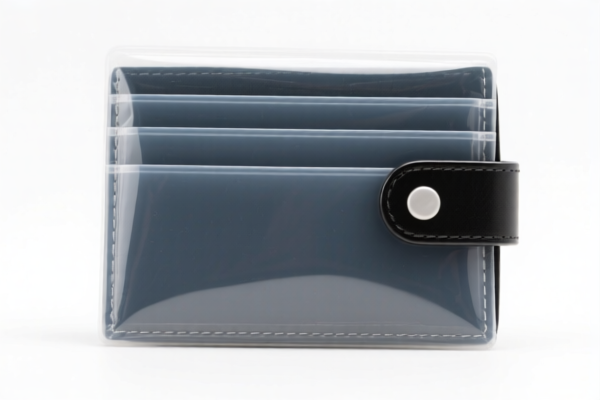
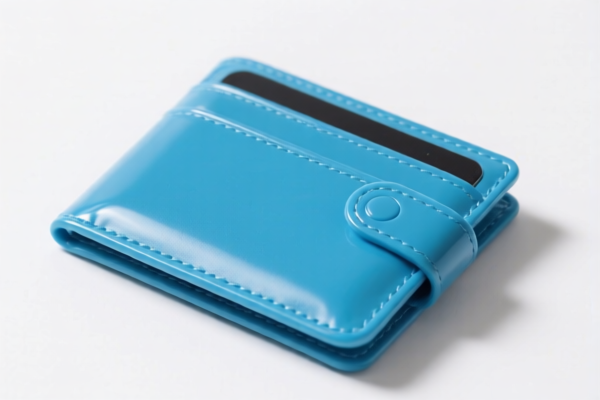
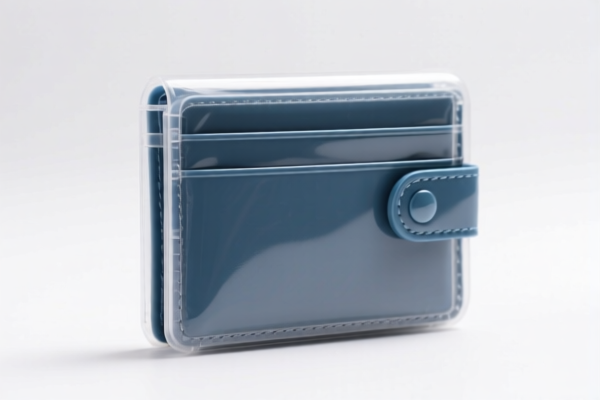
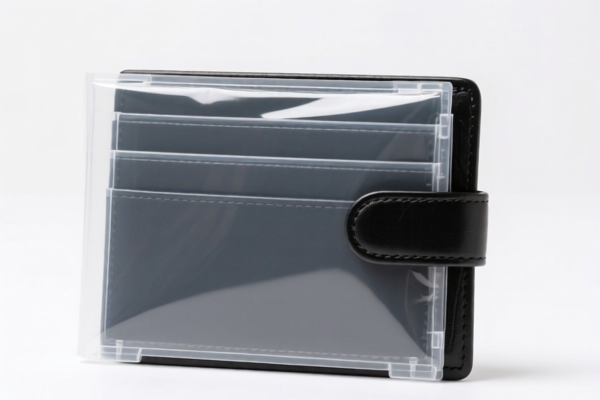
AI Analysis
👜 Plastic Exterior Wallet (Fashion) – The "Plastic Pouch" Dilemma
🌐 HS Code Reference & Customs Clearance Guide | 2026 Updated Tariff Structure | High-Risk Category Alert
📌 I. Product Definition: What Exactly is a "Plastic Wallet"?
A Plastic Exterior Wallet (Fashion) is typically a small container used for carrying personal items like cash, cards, or keys. In international trade, the key distinction lies in the material composition and construction method of the outer surface.
Two Main Classifications:
1. Solid Plastic/Laminated Plastic Wallets: Made from reinforced or layered plastic sheets, often molded or welded together.
2. Soft Plastic/Cut-Work Wallets: Made from thin plastic films or sheets, possibly cut and sewn or glued, resembling textile wallets but made of plastic.
⚠️ Critical Distinction:
- If the outer surface is reinforced, laminated, or solid plastic (not just a thin film), it often falls under 4202.32.10.00.
- If it is a simple plastic sheet/film without reinforcement, or if customs deem it as "other plastic articles," it may fall under 4202.32.99.00.
- Note: The term "Fashion" does not exempt it from classification rules; material dictates the HS Code.
📦 II. HS Code Classification Details (2026 Latest Tariff)
| HS Code | Product Description | Applicable Scenario | Material/Construction |
|---|---|---|---|
4202.32.10.00 |
Wallets, purses, and similar containers, with outer surface of reinforced plastic, laminated plastic, or plastic sheeting | Rigid or semi-rigid plastic wallets, molded plastic cases | ✅ Reinforced/Laminated Plastic |
4202.32.99.00 |
Other wallets, purses, and similar containers, with outer surface of plastic sheeting or textile materials | Soft plastic wallets, thin film pouches, non-reinforced plastic cases | ⚠️ Non-Reinforced Plastic/Textile-like |
🔍 Key Insight:
-4202.32.10.00is for structured plastic wallets (e.g., hard-shell, molded).
-4202.32.99.00is for flexible or simple plastic wallets (e.g., zippered plastic pouches, thin wallets).
- Customs Discretion: If your plastic wallet is neither clearly reinforced nor simple film, customs may default to the fallback category4202.32.99.00, which often carries higher tariffs.
💰 III. 2026 Tariff Rate Breakdown (US Import from China)
✅ Applicable Country: United States (US)
✅ Origin: China (CN)
✅ Effective Date: November 10, 2025, and onwards
🎯 1. 4202.32.99.00 – Other Plastic Wallets (Fallback Category)
| Item | Details |
|---|---|
| Base Duty Rate | 17.6% (Ad Valorem) |
| Section 301 Additional Duty | +25.0% |
| Section 122 Duty | +10.0% (Specific to China under certain conditions) |
| Total Effective Rate | 52.6% |
| Calculation Basis | CIF Value × 52.6% |
| De Minimis Eligibility | ❌ No (Below $800 de minimis does not apply to Section 301 goods) |
| Legal Reference | Section 301: Footnote 9903.88.01 → Section 122 → USITC: 4202.32.99.00 |
📌 Explanation:
- This is the high-risk, high-cost classification.
- The 52.6% total rate makes this category extremely expensive for importers.
- Section 122 applies if the goods are considered "non-essential" or fall under specific exclusions.
🎯 2. 4202.32.10.00 – Reinforced/Laminated Plastic Wallets
| Item | Details |
|---|---|
| Base Duty Rate | 12.1¢/kg (Specific Duty) + 4.6% (Ad Valorem) |
| Section 301 Additional Duty | +25.0% |
| Section 122 Duty | +10.0% |
| Total Effective Rate | ~35% + Specific Duty (Varies by weight/value) |
| Calculation Basis | (12.1¢ × Weight in kg) + (CIF Value × 4.6%) × (1 + 25% + 10%) |
| De Minimis Eligibility | ❌ No |
| Legal Reference | Section 301 → Section 122 → USITC: 4202.32.10.00 |
📌 Explanation:
- While the ad valorem part is lower (4.6% vs. 17.6%), the specific duty (12.1¢/kg) adds cost for heavier items.
- This classification is only applicable if the plastic is reinforced or laminated.
- If your product is not reinforced, you cannot use this code.
🛠️ IV. Customs Clearance Practical Advice (Avoiding Penalties)
✅ 1. Documentation Checklist (Mandatory)
| Document | Required? | Notes |
|---|---|---|
| ✅ Product Specification Sheet | ✔️ | Must clearly state material composition (e.g., "PVC laminated polyester" vs. "Solid PET") |
| ✅ High-Resolution Photos | ✔️ | Show cross-section or material layering to prove reinforcement |
| ✅ Commercial Invoice | ✔️ | Describe as "Plastic Wallet, Reinforced" or "Plastic Pouch" depending on HS Code |
| ✅ Bill of Lading/Air Waybill | ✔️ | Ensure weight and value match invoice |
| ✅ Pre-Ruling (Optional but Recommended) | ✔️ | Submit to US CBP for Advance Ruling to lock in HS Code |
✅ 2. Classification Strategy (Key Tips)
🔥 "Prove Reinforcement, or Pay 52.6%!"
| Scenario | Correct HS Code | Risk |
|---|---|---|
| Solid/Molded Plastic Wallet | 4202.32.10.00 |
Low risk if documentation proves reinforcement |
| Thin Plastic Zipper Pouch | 4202.32.99.00 |
High risk (52.6% duty) |
| Ambiguous "Plastic" Wallet | 4202.32.99.00 (Default) |
High Risk: Customs will likely choose the fallback code |
✅ 3. Special Cases
| Case | Handling Advice |
|---|---|
| OEM Custom Wallets | Provide design specs and material samples to prove reinforcement |
| Mixed Material Wallets (e.g., Plastic + Fabric) | Declare primary material of outer surface. If plastic >50%, use Plastic code |
| Gift Sets | If wallet is part of a set, classify individually unless value is negligible |
🌍 V. Global Market Comparison (2026)
| Country/Region | Recommended HS Code | Duty Rate | Notes |
|---|---|---|---|
| 🇺🇸 USA | 4202.32.99.00 |
52.6% | Highest risk due to Section 301 & 122 |
| 🇨🇳 China | 4202.32.99.00 |
~10-15% | No Section 301, but higher than 4202.32.10.00 |
| 🇪🇺 EU | 4202.32.99.00 |
4-6% | Lower duties, but VAT applies |
| 🇬🇧 UK | 4202.32.99.00 |
4% | Post-Brexit rules |
| 🇯🇵 Japan | 4202.32.99.00 |
5-8% | Stable rates |
📌 Conclusion:
- USA is the most challenging market due to 52.6% effective duty.
- EU/UK are more favorable, but documentation is still critical.
📌 VI. Common Mistakes & Pitfalls (Learn from Others)
❌ Mistake 1: Calling it a "Fashion Accessory" to avoid classification
👉 Result: Customs ignores "fashion" and classifies by material → 52.6% duty.
❌ Mistake 2: Using 4202.32.10.00 for a non-reinforced wallet
👉 Result: Customs disputes → Audit → Penalties + Back Duties.
❌ Mistake 3: Ignoring Section 122
👉 Result: Unexpected 10% additional duty added to bill.
✅ Correct Approach:
"Plastic Wallet, Reinforced Laminated PVC, Model XYZ, Intended for Personal Use"
🎯 VII. Final Recommendation: Reduce Costs, Ensure Compliance
🎯 Key Takeaways:
🔹 "Reinforcement is Key": If you can prove laminated/reinforced plastic, use
4202.32.10.00to save ~17%+ in ad valorem duty.
🔹 "Document Everything": Photos, specs, and material tests are non-negotiable.
🔹 "Apply for Pre-Ruling": Save time and money by getting CBP approval before shipment.
📣 Immediate Action Items:
📞 Contact a Customs Broker: Provide product samples and specs.
📄 Prepare Material Test Reports: To prove reinforcement (if using4202.32.10.00).
🚀 Evaluate Alternative Markets: Consider shipping to EU/UK where duties are lower, if USA 52.6% is prohibitive.
✨ Smart Classification Saves Money!
💼 Every percentage point counts in global trade.
Customer Reviews
About HS Code Classification
The Harmonized System (HS) is an internationally standardized nomenclature developed by the World Customs Organization (WCO) to classify traded products. Over 200 countries use the HS system as the basis for customs tariffs, trade statistics, and import/export regulations.
Each HS code follows a hierarchical structure:
- Chapter (2 digits) — Broad category of goods (e.g., Chapter 84: Machinery and Mechanical Appliances)
- Heading (4 digits) — More specific grouping within the chapter
- Subheading (6 digits) — Internationally standardized breakdown, used by all WCO member countries
- National subdivisions (8-10 digits) — Country-specific extensions for further classification, such as US HTSUS 10-digit codes
Correct HS code classification is essential for smooth customs clearance, accurate duty payment, and compliance with trade regulations. Misclassification can lead to customs delays, overpayment of duties, or penalties.
When importing from CN to US, the applicable tariff rates may include:
- Most-Favored-Nation (MFN) rate — The standard duty rate applied to WTO members
- General rate — Applied to countries without trade agreements
- Trade remedy duties — Additional tariffs such as Section 301 (anti-dumping), Section 232 (national security), or countervailing duties
The information provided on this page is for reference purposes only. For official classification, please consult with your local customs authority or a licensed customs broker.