Plastic Feed Bucket
CN → US| HS Code | Tariff Rate | Origin | Destination | Doc |
|---|---|---|---|---|
| 3923900012 | 38.0% | CN | US | Official Doc |
| 3926901000 | 20.9% | CN | US | Official Doc |
| 3926904000 | 12.8% | CN | US | Official Doc |
| 3923900014 | 38.0% | CN | US | Official Doc |
Product Images
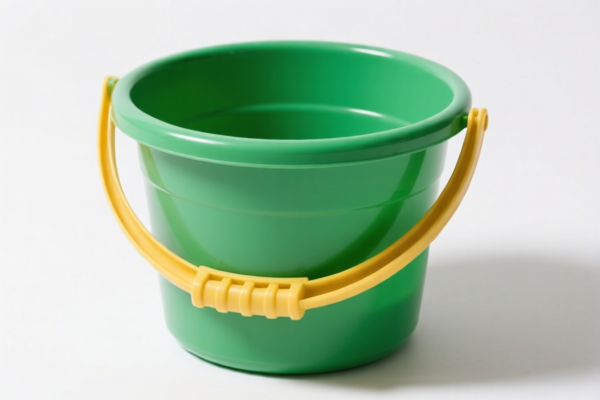

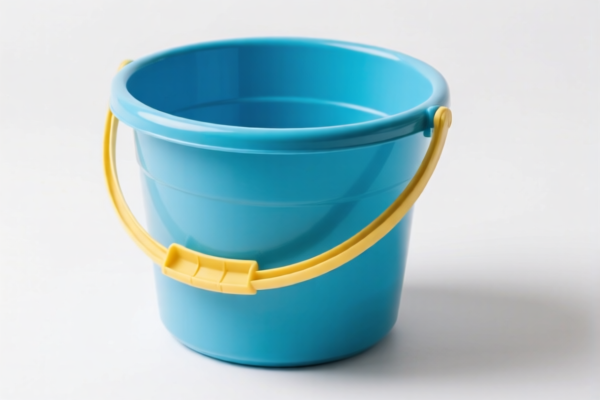
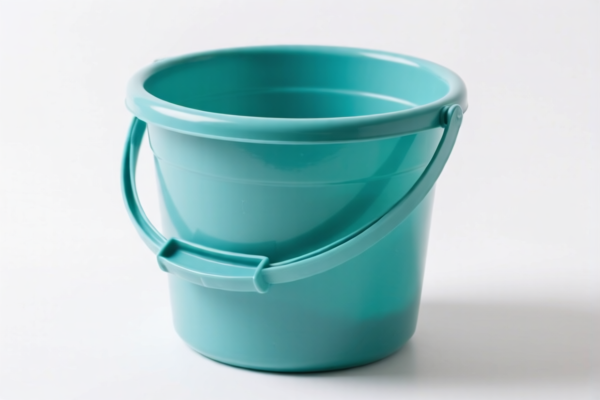
AI Analysis
🪣 Plastic Feed Bucket (Agricultural & Industrial Feeders)
🌐 HS Code Reference & Customs Clearance Guide | 2026 Latest Tariff Analysis | Professional Customs Strategy
📌 I. Product Definition & Classification: Do You Really Understand "Plastic Feed Buckets"?
Plastic Feed Buckets are essential tools in modern agriculture, livestock farming, and industrial material handling. They are designed for durability, chemical resistance, and ease of cleaning. In international trade, these items are generally classified under Chapter 39: Plastics and Articles Thereof.
However, the specific HS Code depends heavily on the exact shape, intended use, and structural details:
- General Plastic Containers/Buckets: If the item is a simple bucket, pail, or drum used for storing or transporting feed, it typically falls under Heading 3923 (Articles for the conveyance or packing of goods).
- Miscellaneous Plastic Articles: If the "bucket" is a specialized feeder with complex mechanisms, or if it is considered a general plastic article not specifically covered elsewhere, it may fall under Heading 3926 (Other articles of plastics).
⚠️ Key Distinction Point:
- If it is a standard bucket/pail shape used for packing/transporting feed → 3923.90.00.12 / .14
- If it is a specialized feeder or general plastic utility item → 3926.90.10.00 / .40
📦 II. HS Code Classification Details (2026 Latest Tariff Authority Comparison)
Based on the provided data, here are the specific HS Codes and their corresponding tariff structures for Plastic Feed Buckets:
| HS Code | Product Description | Application Scenario | Tax Rate |
|---|---|---|---|
3923.90.00.12 |
Plastic Buckets & Pails Specifically classified as "Buckets and pails" |
Standard round/rectangular feed buckets, transport containers | 38.0% |
3923.90.00.14 |
Plastic Packaging Containers & Buckets Matches "Buckets" definition |
Industrial feed bags/buckets, bulk packaging units | 38.0% |
3926.90.10.00 |
Plastic Articles for Transport Plastic parts used for feeding/bucket functions |
Specialized feeders, plastic components for bucket systems | 20.9% |
3926.90.40.00 |
Other General Plastic Articles Regular plastic products (Chapters 3901-3914 materials) |
Generic plastic feeding trays, non-bucket shaped feeders | 12.8% |
3923.90.00.12 |
Plastic Transport Buckets Matches bucket morphology & use |
Reusable feed buckets for on-farm transport | 38.0% |
🔍 Critical Note:
- 3923 Codes (.12 and .14) carry the highest tax burden (38.0%). These are for standard "buckets/pails." - 3926 Codes (.10 and .40) offer lower tax burdens (20.9% and 12.8%). These are for "other plastic articles" or specialized parts. - Strategy: If your product is a simple bucket, you may be forced into the 38% bracket. If it has specialized feeder features or is not a standard "bucket" shape, you might argue for the 3926 classification.
💰 III. 2026 Latest Tariff Rate Breakdown (Including Surcharges & Policy Add-ons)
✅ Applicable Country: United States (US)
✅ Origin: China (CN)
✅ Effective Date: Post-November 2025 (Current Trade War Status)
🎯 1. 3923.90.00.12 & 3923.90.00.14 —— Plastic Buckets & Pails
| Item | Details |
|---|---|
| Base Tariff | 3.0% |
| Section 301 Surcharge | +25.0% (Retaliatory tariffs on Chinese plastics) |
| Section 122 Tariff | +10.0% (Additional safeguard tariffs) |
| Total Tax Rate | 38.0% |
| Tax Calculation | CIF Value × 38.0% |
| De Minimis Exemption | ❌ NOT Eligible (Deny De Minimis) High tariffs prevent $800 threshold exemption. |
| Legal Basis Path | HTSUS:3923.90.00.12/14 → USITC:301 List → Section 122 |
📌 Explanation:
- The 3.0% is the standard Most Favored Nation (MFN) rate for plastic articles. - The 25.0% is the Section 301 tariff, a heavy penalty on Chinese plastic products. - The 10% is the Section 122 tariff, applying to certain steel/aluminum/plastic goods deemed a national security risk. - Total 38% is extremely high. Importers must budget significantly for this.
🎯 2. 3926.90.10.00 —— Other Plastic Articles (Feeders/Parts)
| Item | Details |
|---|---|
| Base Tariff | 3.4% |
| Section 301 Surcharge | +7.5% (Reduced Section 301 rate for specific 3926 subheadings) |
| Section 122 Tariff | +10.0% |
| Total Tax Rate | 20.9% |
| Tax Calculation | CIF Value × 20.9% |
| De Minimis Exemption | ❌ NOT Eligible |
| Legal Basis Path | HTSUS:3926.90.10.00 → USITC:301 List (Specific Exclusions) |
📌 Explanation:
- This code benefits from a lower Section 301 rate (7.5% vs 25%). - However, the Section 122 tariff (+10%) still applies. - Total 20.9% is significantly cheaper than the standard bucket rate.
🎯 3. 3926.90.40.00 —— Other General Plastic Articles
| Item | Details |
|---|---|
| Base Tariff | 2.8% |
| Section 301 Surcharge | 0.0% (Exempt or not applicable) |
| Section 122 Tariff | +10.0% |
| Total Tax Rate | 12.8% |
| Tax Calculation | CIF Value × 12.8% |
| De Minimis Exemption | ❌ NOT Eligible |
| Legal Basis Path | HTSUS:3926.90.40.00 |
📌 Explanation:
- This is the lowest tax rate in the dataset. - It assumes the item is a "general plastic article" not specifically a "bucket" or "packaging." - Risk: If customs determines it IS a bucket, they will reclassify it to 3923 and charge 38%.
🛠️ IV. Customs Clearance Practical Advice (Avoid Pitfalls)
✅ 1. Documentation Checklist (Essential)
| Document | Required? | Notes |
|---|---|---|
| ✅ Product Spec Sheet | ✔️ | Must detail material (e.g., HDPE, PP), capacity, and intended use (e.g., "animal feeder" vs. "storage bucket"). |
| ✅ Product Photos | ✔️ | Show the item in use (feeding animals) to support 3926 classification. Avoid photos that look like generic storage buckets. |
| ✅ Commercial Invoice | ✔️ | Describe as "Plastic Animal Feeder" rather than "Plastic Bucket." |
| ✅ Packing List | ✔️ | Ensure weights/volumes match the invoice. |
| ✅ Certificate of Origin | ✔️ | Required for China origin verification. |
✅ 2. Classification Strategy (Key Tips)
🔥 Golden Rule: "Function over Form!"
| Scenario | Recommended Declaration | Risk |
|---|---|---|
| Simple Round Bucket | 3923.90.00.12 (38.0%) |
High tax. Hard to argue otherwise if it looks like a bucket. |
| Specialized Feeder (e.g., with spikes, hanging mechanism) | 3926.90.10.00 (20.9%) |
Preferred. Emphasize "Feeder" functionality. |
| General Plastic Tray/Bowl (Not a bucket) | 3926.90.40.00 (12.8%) |
Best Rate. Avoid "bucket" terminology. |
✅ 3. Special Considerations
| Situation | Advice |
|---|---|
| OEM Custom Feeders | Provide design drawings showing unique feeding mechanisms to justify 3926 classification. |
| Bulk Import | If importing thousands of units, consider Advance Ruling from US Customs to lock in the 12.8% or 20.9% rate. |
| Mixed Shipments | If a container has both buckets and feeders, separate them in the invoice and packing list to avoid cross-charge of 38% on everything. |
🌍 V. Global Market Comparison (2026)
| Country/Region | Recommended HS Code | Est. Tax Rate | Notes |
|---|---|---|---|
| 🇺🇸 USA | 3926.90.40.00 |
12.8% | Best rate for general plastic articles. Avoid 3923 if possible. |
| 🇪🇺 EU | 3926.90.97 |
~6.5% | Lower tariffs than US, but strict REACH compliance required. |
| 🇨🇳 China | 3923.90.00 |
5-10% | Export duty may apply depending on plastic type. |
| 🇲🇽 Mexico | 3923.90.00 |
0-5% | Check USMCA eligibility for duty-free access to US. |
📌 Conclusion:
The US market is the most expensive due to Section 301 and Section 122 tariffs.
Strategy: Aim for 3926.90.40.00 (12.8%) or 3926.90.10.00 (20.9%) by emphasizing the "feeder" function over "bucket" shape.
📌 VI. Common Errors & Pitfalls (Blood & Tears Lessons)
❌ Error 1: Labeling as "Plastic Bucket" in the invoice.
👉 Result: Customs forces classification to 3923 → 38.0% Tax.
👉 Fix: Use "Plastic Feeder," "Animal Feeding Trough," or "Feed Container."
❌ Error 2: Assuming all plastic items get De Minimis exemption.
👉 Result: High tariffs (>10%) block the $800 exemption.
👉 Fix: Prepare for full duty payment (12.8%-38%).
❌ Error 3: Ignoring Section 122 Tariff.
👉 Result: Unexpected 10% charge on top of other tariffs.
👉 Fix: Always budget for the 10% Section 122 surcharge on plastic goods from China.
✅ Correct Declaration Example:
"Plastic Animal Feeder, Made of HDPE, Capacity 50L, Designed for Poultry Feed, Model XYZ"
(Not: "Plastic Bucket for Feed")
🎯 VII. Conclusion: Professional Declaration, Cost Savings!
🎯 Remember:
🔹 "Don't call it a bucket, call it a feeder!"
🔹 "3923 is 38%, 3926 is 12-20% – choose wisely!"
🔹 "Section 122 adds 10% to everything – plan accordingly!"
📌 Pro Tip:
If you are unsure about your classification, request a Binding Tariff Information (BTI) or Advance Ruling from US Customs before shipping. This can save you thousands in unexpected duties.
📣 Act Now:
📞 Consult a customs broker + Provide product photos + Rebrand your product description
🚀 Reduce your tax burden from 38% to 12.8% with proper classification!
✨ Professional Customs Clearance Starts with Accurate Classification!
💼 Your profit margin depends on this 10-digit code!
Customer Reviews
About HS Code Classification
The Harmonized System (HS) is an internationally standardized nomenclature developed by the World Customs Organization (WCO) to classify traded products. Over 200 countries use the HS system as the basis for customs tariffs, trade statistics, and import/export regulations.
Each HS code follows a hierarchical structure:
- Chapter (2 digits) — Broad category of goods (e.g., Chapter 84: Machinery and Mechanical Appliances)
- Heading (4 digits) — More specific grouping within the chapter
- Subheading (6 digits) — Internationally standardized breakdown, used by all WCO member countries
- National subdivisions (8-10 digits) — Country-specific extensions for further classification, such as US HTSUS 10-digit codes
Correct HS code classification is essential for smooth customs clearance, accurate duty payment, and compliance with trade regulations. Misclassification can lead to customs delays, overpayment of duties, or penalties.
When importing from CN to US, the applicable tariff rates may include:
- Most-Favored-Nation (MFN) rate — The standard duty rate applied to WTO members
- General rate — Applied to countries without trade agreements
- Trade remedy duties — Additional tariffs such as Section 301 (anti-dumping), Section 232 (national security), or countervailing duties
The information provided on this page is for reference purposes only. For official classification, please consult with your local customs authority or a licensed customs broker.