Plastic Fence
CN → US| HS Code | Tariff Rate | Origin | Destination | Doc |
|---|---|---|---|---|
| 3925900000 | 40.3% | CN | US | Official Doc |
| 3917290050 | 38.1% | CN | US | Official Doc |
| 3925200091 | 22.8% | CN | US | Official Doc |
| 3917290090 | 38.1% | CN | US | Official Doc |
Product Images

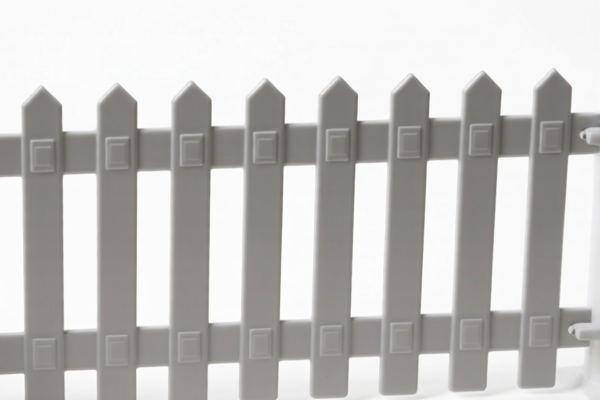
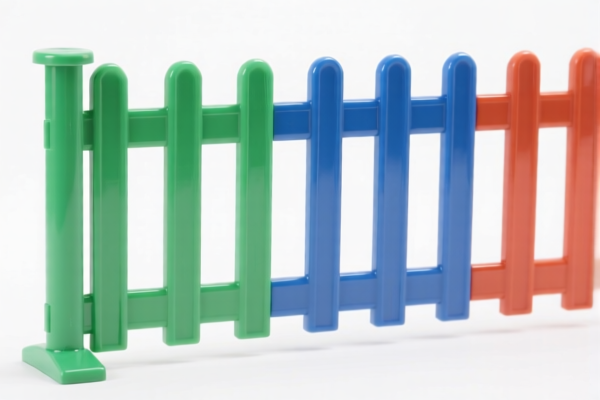
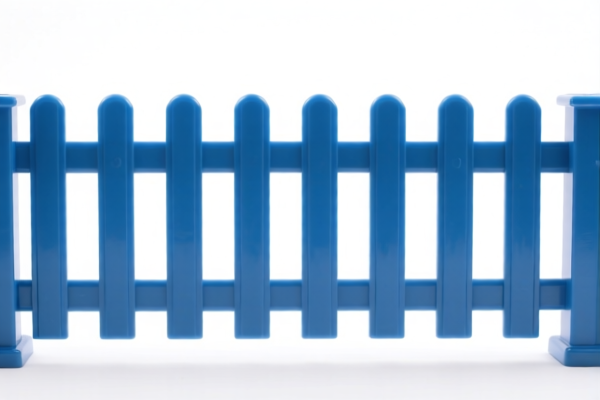
AI Analysis
🛡️ Plastic Fence – Comprehensive HS Code & Tariff Guide (2026 Update)
🌐 HS Code Classification & Customs Clearance Strategy | 2026 Tariff Deep Dive | Expert-Level Import Planning
📌 One Product, Multiple Classifications — Why the Same Plastic Fence Has 4 Different HS Codes and Tax Rates
The plastic fence may look simple, but its classification depends on form, function, and structural design — leading to dramatically different tariff outcomes. This guide breaks down every possible HS code from your data, explains why each applies, and gives you clear, actionable customs advice.
📦 1. HS Code Breakdown: Why So Many Codes for One Product?
| HS Code | Product Description | Key Classification Factor | Total Duty Rate | Risk Level |
|---|---|---|---|---|
3925.90.00.00 |
Plastic fence as a building component | Used in construction, structural role | 40.3% | ⚠️ High |
3917.29.00.50 |
Plastic fence as an extension of pipe/tube systems | Tubular shape, jointed, or pipe-like structure | 38.1% | ⚠️ High |
3925.20.00.91 |
Plastic fence as a building accessory/component | Non-structural, decorative, or supporting role | 22.8% | ✅ Moderate |
3917.29.00.90 |
Plastic fence as other plastic pipe/tube fittings | Classified under pipe system components | 38.1% | ⚠️ High |
🔍 Critical Insight:
The same physical product can be classified under 4 different codes depending on how it’s used, how it’s made, and how it connects. Misclassification = massive overpayment or seizure.
💰 2. 2026 Tariff Breakdown: Understanding the 40.3% Nightmare
✅ Applicable Country: United States (US)
✅ Origin: China (CN)
✅ Effective Date: November 10, 2025 (and ongoing)
✅ Legal Basis: USITC Section 301, IEEPA, and Section 122 of the Trade Act
🎯 1. 3925.90.00.00 – Plastic Fence as Building Component (40.3%)
| Tax Component | Rate | Legal Basis |
|---|---|---|
| Base Duty | 5.3% | Standard US tariff |
| Section 301 (USITC) Additional Duty | 25.0% | From US Trade Act 301 (China-specific) |
| Section 122 (IEEPA) Emergency Duty | 10.0% | Under International Emergency Economic Powers Act |
| Total Duty | 40.3% | Sum of all three |
📌 Why This Applies:
If the fence is integrated into a structure (e.g., used as a perimeter wall in a building project), fixed to foundation, or designed as a load-bearing or structural element, it falls under "other plastic building components".⚠️ Red Flag:
- Not just "fence" — must be structurally functional in construction. - If it’s bolted to posts, used in commercial buildings, or part of a security wall system, this code applies.
🎯 2. 3917.29.00.50 – Plastic Fence as Pipe/Tube Extension (38.1%)
| Tax Component | Rate | Legal Basis |
|---|---|---|
| Base Duty | 3.1% | Standard US tariff |
| Section 301 (USITC) Additional Duty | 25.0% | China-specific trade action |
| Section 122 (IEEPA) Emergency Duty | 10.0% | IEEPA enforcement |
| Total Duty | 38.1% | Sum of all three |
📌 Why This Applies:
If the fence is tubular in shape, connected like a pipe, or used in a modular system where sections snap, slide, or thread together like pipe fittings, it’s treated as "other plastic rigid pipe or tube".✅ Common Examples: - Fence posts with internal threading - Fence panels with interlocking tube ends - Modular fence systems using pipe-like connectors
🔥 Key Test:
“Would this be used in a plumbing or industrial pipe system?”
If yes, this code applies — even if it’s for fencing.
🎯 3. 3925.20.00.91 – Plastic Fence as Building Accessory (22.8%)
| Tax Component | Rate | Legal Basis |
|---|---|---|
| Base Duty | 5.3% | Standard US tariff |
| Section 301 (USITC) Additional Duty | 7.5% | Reduced due to non-structural use |
| Section 122 (IEEPA) Emergency Duty | 10.0% | Still applies to China-origin goods |
| Total Duty | 22.8% | Lower than others due to reduced 301 duty |
📌 Why This Applies:
If the fence is decorative, non-structural, easily removable, or used for garden, yard, or temporary barriers, it’s classified as "other plastic building accessories".✅ Common Examples: - Garden fence panels - Temporary event fencing - Fence used for landscaping, not construction - Fences with no foundation or structural integration
🛑 Avoid This Trap:
Don’t call it a “security fence” or “perimeter wall” if it’s not fixed to the ground — you’ll trigger higher duties.
🎯 4. 3917.29.00.90 – Plastic Fence as Other Plastic Pipe (38.1%)
| Tax Component | Rate | Legal Basis |
|---|---|---|
| Base Duty | 3.1% | Standard US tariff |
| Section 301 (USITC) Additional Duty | 25.0% | China-specific |
| Section 122 (IEEPA) Emergency Duty | 10.0% | IEEPA enforcement |
| Total Duty | 38.1% | Same as 3917.29.00.50 |
📌 Why This Applies:
If the fence is made from plastic tubing, has a hollow core, and is used in a system where pipe-like parts connect, it’s treated as "other plastic pipes or tubes" — regardless of function.🔍 Key Test:
“Is this product made from a plastic tube that’s cut, joined, and used like a pipe?”
If yes, this code applies — even if it’s for fencing.💡 Real-World Example:
A hollow plastic post with interlocking joints — even if it’s part of a fence — is treated as a pipe fitting.
🛠️ 3. Customs Clearance Strategy: How to Avoid 40.3% & Save Thousands
✅ 1. Pre-申报 Preparation Checklist (Must-Have)
| Document | Required? | Why It Matters |
|---|---|---|
| ✅ Product Photos (Clear, Multiple Angles) | ✔️ | Show shape, joints, hollow core, mounting style |
| ✅ Technical Drawings / Assembly Diagrams | ✔️ | Prove whether it’s pipe-like or structural |
| ✅ Bill of Materials (BOM) | ✔️ | Show if it uses tubes, fittings, or solid panels |
| ✅ Commercial Invoice | ✔️ | Must state exact use case (e.g., "decorative yard fence") |
| ✅ Origin Certificate (CO) | ✔️ | If from Vietnam/Mexico, may qualify for IEEPA exemption |
| ✅ Test Reports (RoHS, UL, etc.) | ✔️ | Helps prove non-structural use |
| ✅ Pre-Review Request (Advance Ruling) | ✔️ | Highly Recommended to lock in the correct HS code |
✅ 2.申报技巧:The 3 Golden Rules
🔥 “Shape, Use, Connection” — The 3 Pillars of Plastic Fence Classification
| Rule | What to Do | What to Avoid |
|---|---|---|
| 1. Shape First | If it’s tubular or hollow, think pipe (3917.29.00.50/90) |
Don’t call it a “fence” if it looks like a pipe |
| 2. Use Determines Duty | If decorative or temporary, use 3925.20.00.91 |
Calling it “security” or “structural” triggers 40.3% |
| 3. Connection Matters | If it joins like pipe fittings, use 3917.29.00.50/90 |
If it’s bolted or fixed, use 3925.90.00.00 |
✅ 3. Special Cases & Risk Mitigation
| Scenario | Recommended Action |
|---|---|
| Fence with hollow posts & threaded joints | Classify as 3917.29.00.50 or 3917.29.00.90 — not a building component |
| Fence permanently fixed to concrete foundation | Use 3925.90.00.00 — high duty risk |
| Fence used in landscaping, not construction | Use 3925.20.00.91 — lowest duty |
| Fence from Vietnam/Mexico | Apply for IEEPA exemption — 0% additional duty |
| Fence with plastic panels on metal frame | Not eligible for plastic-only codes — may need metal classification |
🌍 4. Global Customs Comparison (2026)
| Country | Recommended HS Code | Duty Rate | Certification Required | Notes |
|---|---|---|---|---|
| 🇺🇸 USA | 3925.20.00.91 (if decorative) |
22.8% (China) | None (if non-structural) | 40.3% if structural |
| 🇨🇳 China | 3925.20.00.91 |
5% | CCC | No 301/IEEPA duties |
| 🇪🇺 EU | 3925.20.00.91 |
0% (if CE) | CE, RoHS | No 301/IEEPA |
| 🇦🇺 Australia | 3925.20.00.91 |
5% | RCM | No extra duties |
| 🇯🇵 Japan | 3925.20.00.91 |
0% | PSE | No extra duties |
📌 Insight:
The USA is the only market with multi-tiered additional duties on plastic fences. China-origin goods face the highest risk.
📌 5. Common Mistakes & How to Avoid Them
❌ Mistake 1: Calling a tubular fence a “fence” in the invoice
👉 Result: Customs may reclassify it as pipe → 38.1% duty
✅ Fix: Use “plastic modular fence system using tubular components”
❌ Mistake 2: Using “security fence” or “perimeter barrier”
👉 Result: Triggers structural classification → 40.3%
✅ Fix: Use “decorative yard fence” or “garden fencing”
❌ Mistake 3: Not providing assembly diagrams
👉 Result: Customs delays or misclassification
✅ Fix: Include exploded view diagrams showing how parts connect
❌ Mistake 4: Not applying for Advance Ruling
👉 Result: Risk of audit, penalties, or seizure
✅ Fix: Apply before shipment — costs $1,000–$3,000, but saves $50,000+ in duty
🎯 6. Final Verdict: How to Win the Classification Battle
🔥 The 3-Step Winning Strategy: 1. Check the shape — is it tubular? → Pipe code (
3917.29.00.50/90) 2. Check the use — is it decorative? → Use3925.20.00.91(22.8%) 3. Check the connection — does it join like pipe? → Pipe code📌 Pro Tip:
If you're exporting from China, avoid structural or security claims.
If you're importing into the USA, apply for an Advance Ruling — it’s the only way to guarantee the correct code.
📣 Call to Action: Don’t Risk 40.3% Duty — Act Now!
📞 Contact a U.S. Customs Broker + Submit Product Photos + Request HS Code Pre-Review
🚀 Lock in the lowest possible duty rate before shipment
✨ Your plastic fence isn’t just a fence — it’s a tariff trap waiting to happen.
💼 Get the classification right, and save thousands. Get it wrong, and pay the price.
🔹 "Shape → Use → Connection → Duty" — The Golden Rule of Plastic Fence Classification
🔹 "One mistake = 40.3% extra cost. One pre-review = peace of mind."
📌 Professional Clearance Starts with Precision.
✅ Your next shipment deserves better than guesswork.
Customer Reviews
About HS Code Classification
The Harmonized System (HS) is an internationally standardized nomenclature developed by the World Customs Organization (WCO) to classify traded products. Over 200 countries use the HS system as the basis for customs tariffs, trade statistics, and import/export regulations.
Each HS code follows a hierarchical structure:
- Chapter (2 digits) — Broad category of goods (e.g., Chapter 84: Machinery and Mechanical Appliances)
- Heading (4 digits) — More specific grouping within the chapter
- Subheading (6 digits) — Internationally standardized breakdown, used by all WCO member countries
- National subdivisions (8-10 digits) — Country-specific extensions for further classification, such as US HTSUS 10-digit codes
Correct HS code classification is essential for smooth customs clearance, accurate duty payment, and compliance with trade regulations. Misclassification can lead to customs delays, overpayment of duties, or penalties.
When importing from CN to US, the applicable tariff rates may include:
- Most-Favored-Nation (MFN) rate — The standard duty rate applied to WTO members
- General rate — Applied to countries without trade agreements
- Trade remedy duties — Additional tariffs such as Section 301 (anti-dumping), Section 232 (national security), or countervailing duties
The information provided on this page is for reference purposes only. For official classification, please consult with your local customs authority or a licensed customs broker.