Plastic Film Cutter
CN → US| HS Code | Tariff Rate | Origin | Destination | Doc |
|---|---|---|---|---|
| 8466925090 | 39.7% | CN | US | Official Doc |
| 8479820080 | 35.0% | CN | US | Official Doc |
| 8479896500 | 20.3% | CN | US | Official Doc |
| 8205595510 | 40.3% | CN | US | Official Doc |
Product Images
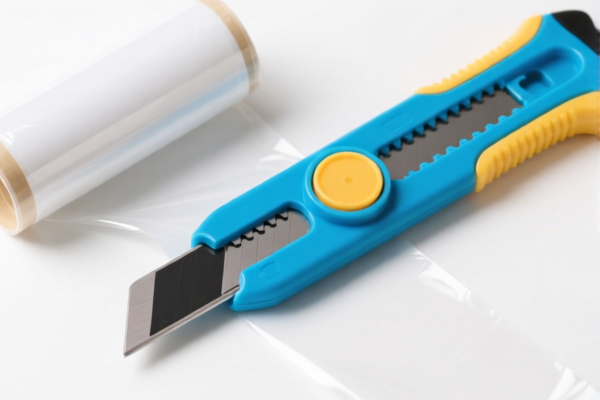
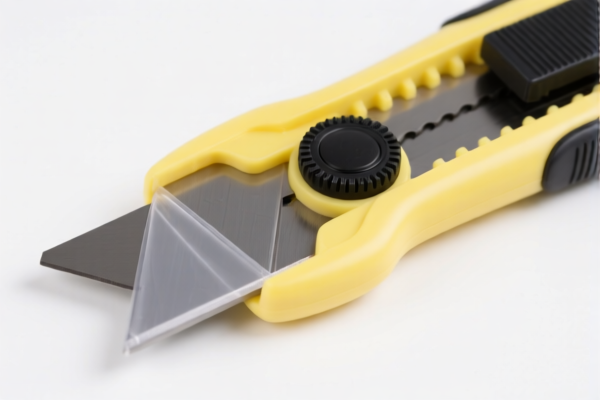
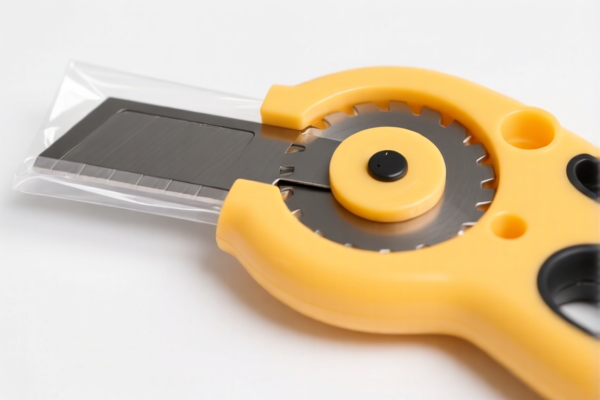
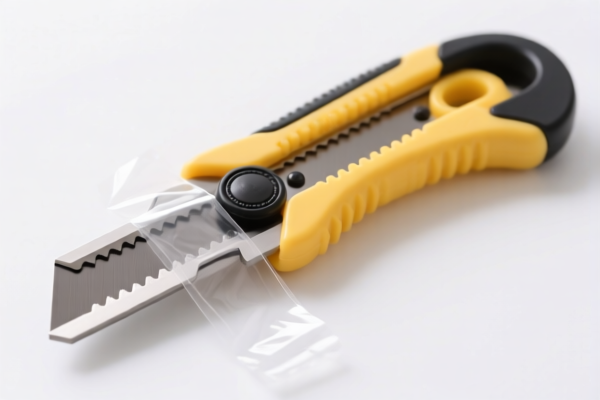
AI Analysis
✂️ Plastic Film Cutter
🌐 HS Code Reference & Customs Clearance Guide | 2026 Latest Tariff Analysis | Professional Clearance Strategy
📌 I. Product Definition & Classification: Do You Really Understand the "Plastic Film Cutter"?
A Plastic Film Cutter is a device specifically designed for cutting plastic films, wraps, or bags. In international trade, its classification depends heavily on its material composition, mechanical function, and whether it is considered a hand tool or a machine. The ambiguity in its mechanical nature leads to four distinct HS Code classifications, each carrying significantly different tax implications.
⚠️ Key Classification Logic:
- If it is a simple, non-mechanical plastic device → 8466.92.50.90 (Other/Other Catch-all)
- If it extends into mixing/grinding mechanical functions → 8479.82.00.80 (Other Machinery)
- If it is an independent mechanical apparatus with cutting function → 8479.89.65.00 (Independent Mechanical Appliance)
- If it is inferred as a hand tool with a steel/iron blade → 8205.59.55.10 (Cutting Hand Tools)
📦 II. HS Code Classification Details (2026 Latest Tariff Authority Comparison)
| HS Code | Product Description | Application Scenario | Basis for Classification |
|---|---|---|---|
8466.92.50.90 |
Plastic Film Cutter, plastic material, for cutting film | Simple plastic slicing devices | Other/Catch-all category for other machinery parts |
8479.82.00.80 |
Plastic Film Cutter, mixed/grinding/mechanical extension | Machinery with extended mechanical functions | Other category under functional logic |
8479.89.65.00 |
Plastic Film Cutter, independent mechanical cutting device | Standalone mechanical apparatus | Independent mechanical appliance definition |
8205.59.55.10 |
Plastic Film Cutter, inferred as hand tool, steel/iron blade | Manual cutting tools with metal edges | Cutting hand tool classification logic |
🔍 Key Reminder:
- The material (plastic vs. metal) and mechanical complexity (simple vs. independent machine) are the decisive factors. - Misclassification can lead to significant tax differences (from 20.3% to 40.3%).
💰 III. 2026 Latest Tariff Rate Details (Including Surtaxes & Policy Add-ons)
✅ Applicable Country: United States (US)
✅ Origin: China (CN)
✅ Effective Date: Current tariffs apply (2025-2026 context)
🎯 1. 8466.92.50.90 —— Plastic Film Cutter (Plastic Material / Catch-all)
| Item | Content |
|---|---|
| Basic Tariff | 4.7% (ad valorem) |
| Surtax (Section 301) | +25.0% |
| Section 122 Tariff | +10.0% |
| Total Tax Rate | 39.7% |
| Tax Calculation | CIF Value × 39.7% |
| Legal Basis Path | Base: 4.7% → Section 301: 25.0% → Section 122: 10.0% |
📌 Explanation:
- This code applies if the device is primarily made of plastic and falls under "other" machinery parts. - High surtaxes apply due to its classification as machinery accessories.
🎯 2. 8479.82.00.80 —— Plastic Film Cutter (Mechanical Extension)
| Item | Content |
|---|---|
| Basic Tariff | 0.0% (ad valorem) |
| Surtax (Section 301) | +25.0% |
| Section 122 Tariff | +10.0% |
| Total Tax Rate | 35.0% |
| Tax Calculation | CIF Value × 35.0% |
| Legal Basis Path | Base: 0.0% → Section 301: 25.0% → Section 122: 10.0% |
📌 Note:
- Lower basic tariff (0%) helps reduce the overall burden, but surtaxes remain high. - Applicable if the device is seen as a mechanical extension of mixing/grinding functions.
🎯 3. 8479.89.65.00 —— Plastic Film Cutter (Independent Mechanical Appliance)
| Item | Content |
|---|---|
| Basic Tariff | 2.8% (ad valorem) |
| Surtax (Section 301) | +7.5% |
| Section 122 Tariff | +10.0% |
| Total Tax Rate | 20.3% |
| Tax Calculation | CIF Value × 20.3% |
| Legal Basis Path | Base: 2.8% → Section 301: 7.5% → Section 122: 10.0% |
📌 Important:
- LOWEST TAX RATE among mechanical classifications! - Applies if the device is considered an "independent mechanical appliance" with its own cutting function. - Significantly lower surtax (7.5%) compared to other machinery codes.
🎯 4. 8205.59.55.10 —— Plastic Film Cutter (Hand Tool with Metal Blade)
| Item | Content |
|---|---|
| Basic Tariff | 5.3% (ad valorem) |
| Surtax (Section 301) | +25.0% |
| Section 122 Tariff | +10.0% |
| Total Tax Rate | 40.3% |
| Tax Calculation | CIF Value × 40.3% |
| Legal Basis Path | Base: 5.3% → Section 301: 25.0% → Section 122: 10.0% |
📌 Caution:
- HIGHEST TAX RATE (40.3%). - Applies only if the cutter is inferred as a hand tool with a steel/iron blade. - Do NOT misclassify a simple plastic tool as a metal hand tool.
🛠️ IV. Customs Clearance Practical Advice (实战避坑指南)
✅ 1. Preparation Checklist (Mandatory Documents)
| Document | Must Provide | Description |
|---|---|---|
| ✅ Product Specifications | ✔️ | Material (plastic/metal), dimensions, cutting mechanism type |
| ✅ Technical Diagrams | ✔️ | Show if it has independent motors or is purely manual/plastic |
| ✅ Product Photos (with Label) | ✔️ | Clear view of blade material (plastic vs. steel) |
| ✅ Commercial Invoice | ✔️ | Precise description: "Plastic Film Cutting Device" or "Hand Tool" |
| ✅ Packing List | ✔️ | Indicate if blades are removable or fixed |
✅ 2. Declaration Tips (Critical Rules)
🔥 "Material Matters, Function Defines, Blade Type Drives!"
| Scenario | Correct Declaration | Wrong Practice |
|---|---|---|
| All-plastic, no metal parts | 8466.92.50.90 (39.7%) |
Misdeclare as hand tool → 40.3% |
| Mechanical, independent function | 8479.89.65.00 (20.3%) |
Misdeclare as basic machinery → 35-39.7% |
| Manual tool with steel blade | 8205.59.55.10 (40.3%) |
Misdeclare as plastic device → 39.7% |
| Mixed mechanical function | 8479.82.00.80 (35.0%) |
N/A |
💡 Pro Tip:
- If your device is entirely plastic with no metal cutting edge, aim for8466.92.50.90.
- If it is a mechanical device with independent operation,8479.89.65.00offers the lowest tax (20.3%).
- If it is a manual cutter with a metal blade, expect the highest tax (40.3%).
✅ 3. Special Cases Handling
| Situation | Handling Advice |
|---|---|
| Blade Material Ambiguity | Provide material certification (e.g., "Blade: High-Carbon Steel" vs. "Blade: Polymer") |
| Mechanical vs. Manual | If motorized/independent, use 8479 codes; if purely manual, consider 8205 |
| OEM Custom Designs | Provide design drawings to justify classification as "independent mechanical appliance" |
| Composite Materials | Declare dominant material; if mixed, consult customs broker for ruling |
🌍 V. Global Market Clearance Comparison (2026 Latest)
| Country/Region | Recommended HS Code | Tariff (China Origin) | Certification Requirements | Notes |
|---|---|---|---|---|
| 🇺🇸 USA | 8479.89.65.00 |
20.3% | No specific | Lowest rate for mechanical cutters |
| 🇺🇸 USA | 8205.59.55.10 |
40.3% | None | Highest rate for metal hand tools |
| 🇨🇳 China | 8479.89.65.00 |
~7.5% | CCC (if applicable) | Lower surtaxes domestically |
| 🇪🇺 EU | 8479.89.65.00 |
0-4% | CE Marking | No Section 301/122 equivalents |
| 🇦🇺 Australia | 8479.89.65.00 |
5% | RCM | Moderate tariffs |
📌 Conclusion:
- USA has significant surtaxes (25% + 10%), making classification critical. -8479.89.65.00is the optimal code for mechanical plastic film cutters in the US, offering the lowest total tax (20.3%). - Avoid classifying as hand tools (8205) unless it is explicitly a metal-blade manual tool.
📌 VI. Common Errors & Pitfalls (Blood & Tears Lessons)
❌ Error 1: Declaring a mechanical cutter as a simple hand tool
👉 Consequence: Higher tax (40.3% vs. 20.3%) → Unnecessary cost increase!
❌ Error 2: Ignoring material composition (plastic vs. metal)
👉 Consequence: Misclassification → Customs delay, fines, or re-declaration
❌ Error 3: Not providing technical diagrams for mechanical devices
👉 Consequence: Customs cannot verify "independent mechanical function" → Default to higher tax categories
❌ Error 4: Assuming all cutters fall under one HS Code
👉 Consequence: Significant tax variance (20.3% to 40.3%) → Profit margin erosion!
✅ Correct Practice:
"Plastic Film Cutting Machine, Motorized, Independent Function, Plastic Housing, Model XYZ, No Metal Blades" →
8479.89.65.00
🎯 VII. Conclusion: Professional Declaration, Cost Savings, Efficiency!
🎯 Remember the Mantra:
🔹 "Mechanical & Independent? Aim for 8479.89.65.00 (20.3%)!
🔹 Plastic Only? Try 8466.92.50.90 (39.7%).
🔹 Metal Blade? Brace for 8205.59.55.10 (40.3%).
🔹 Function & Material Define Your Tax!"
📌 Pro Tip:
If your plastic film cutter qualifies as an "independent mechanical appliance", apply for an Advance Ruling to secure the 20.3% tax rate. This can save you 10-20% in tariffs compared to other classifications.
📣 Immediate Action:
📞 Contact a Professional Customs Broker + Provide Product Specs + Apply for HS Code Advance Ruling
🚀 Let your Plastic Film Cutter Clear Smoothly, Reduce Costs, and Maximize Profit!
✨ Professional Clearance Starts with Precise Classification!
💼 Every Penny of Tax Saved is Pure Profit!
Customer Reviews
About HS Code Classification
The Harmonized System (HS) is an internationally standardized nomenclature developed by the World Customs Organization (WCO) to classify traded products. Over 200 countries use the HS system as the basis for customs tariffs, trade statistics, and import/export regulations.
Each HS code follows a hierarchical structure:
- Chapter (2 digits) — Broad category of goods (e.g., Chapter 84: Machinery and Mechanical Appliances)
- Heading (4 digits) — More specific grouping within the chapter
- Subheading (6 digits) — Internationally standardized breakdown, used by all WCO member countries
- National subdivisions (8-10 digits) — Country-specific extensions for further classification, such as US HTSUS 10-digit codes
Correct HS code classification is essential for smooth customs clearance, accurate duty payment, and compliance with trade regulations. Misclassification can lead to customs delays, overpayment of duties, or penalties.
When importing from CN to US, the applicable tariff rates may include:
- Most-Favored-Nation (MFN) rate — The standard duty rate applied to WTO members
- General rate — Applied to countries without trade agreements
- Trade remedy duties — Additional tariffs such as Section 301 (anti-dumping), Section 232 (national security), or countervailing duties
The information provided on this page is for reference purposes only. For official classification, please consult with your local customs authority or a licensed customs broker.