Plastic Film Stretch
CN → US| HS Code | Tariff Rate | Origin | Destination | Doc |
|---|---|---|---|---|
| 3920991000 | 41.0% | CN | US | Official Doc |
| 3920992000 | 39.2% | CN | US | Official Doc |
| 3921905050 | 39.8% | CN | US | Official Doc |
| 3005905090 | 10.0% | CN | US | Official Doc |
| 3921190090 | 41.5% | CN | US | Official Doc |
Product Images
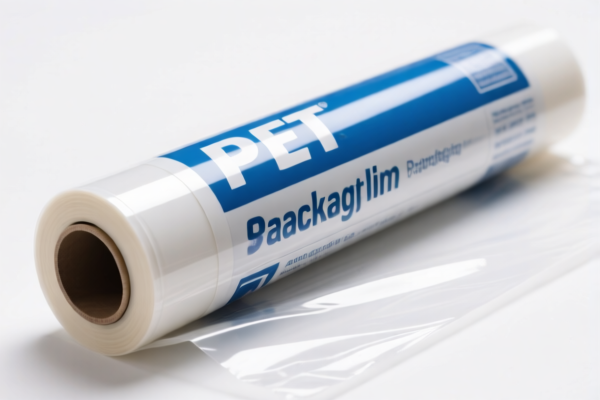


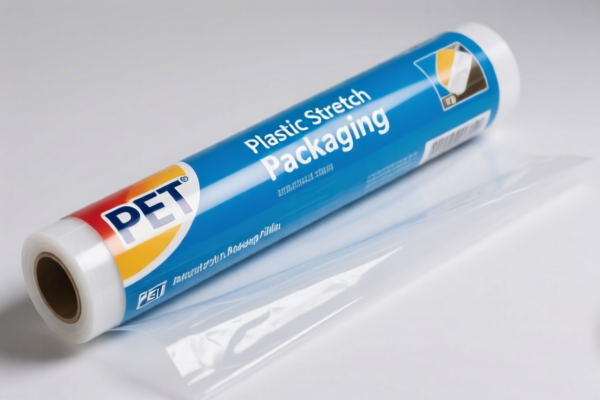
AI Analysis
🎬 Plastic Film Stretch (Stretch Wrap / Stretchable Plastic Films)
🌐 HS Code Reference & Customs Clearance Guide | 2026 Latest Tariff Analysis | Professional Clearance Strategy
📌 I. Product Definition and Classification: Do You Really Understand "Stretch Plastic"?
"Plastic Film Stretch" generally refers to stretchable plastic films, commonly known as stretch wrap, shrink film, or stretchable membranes. In international trade, these products are categorized based on their material composition and physical form (film, foil, strip, or plate).
They are primarily classified under Chapter 39 (Plastics and Articles Thereof), specifically headings 3920 (Plates, sheets, film, foil, and strip, of plastics, non-cellular) or 3921 (Other plates, sheets, film, foil, and strip, of plastics).
⚠️ Key Distinction Points:
- Medical Use: If specifically designed for medical applications (e.g., sterile packaging, medical barriers), it may fall under Chapter 30.
- Non-Medical General Use: Most stretch films for packaging, industrial wrapping, or construction fall under Chapter 39.
- Form Factor: Must match "film, foil, or strip" characteristics to fit the subheadings provided.
📦 II. HS Code Classification Details (2026 Latest Tariff Authoritative Comparison)
| HS Code | Product Description | Application Scenario | Total Tax Rate | Tax Breakdown |
|---|---|---|---|---|
3920.99.10.00 |
Flexible plastic stretch materials, matching plastic material with film, foil, or strip forms | General industrial stretch wrap, flexible packaging | 41.0% | Base: 6.0%, Section 301: 25.0%, Section 122: 10% |
3920.99.20.00 |
Flexible plastic stretch materials, conforming to plastic material and flexible film, strip, or sheet forms | Standard stretch films, flexible packaging rolls | 39.2% | Base: 4.2%, Section 301: 25.0%, Section 122: 10% |
3921.90.50.50 |
Plastic film, conforming to "Other" category characteristics of plastic plates, sheets, films, foils | Specialized plastic films, composite layers, non-standard forms | 39.8% | Base: 4.8%, Section 301: 25.0%, Section 122: 10% |
3005.90.50.90 |
Medical plastic film, matching medical use and plastic material, classified under other medical products | Sterile medical packaging, hospital stretch barriers | 10.0% | Base: 0.0%, Section 301: 0.0%, Section 122: 10% |
3921.19.00.90 |
Plastic film, conforming to the definition of plastic-made plates, sheets, films, foils, and strips, under "Other" category | General plastic films, non-cellular plastic strips/films | 41.5% | Base: 6.5%, Section 301: 25.0%, Section 122: 10% |
🔍 Key Reminders:
- Medical vs. Non-Medical: If the product is medical grade (sterile, intended for patient contact or sterile packaging), it MUST be classified under3005.90.50.90to enjoy the 10% total tax rate.
- Non-Medical General Use: Most commercial stretch wraps fall under3920or3921subheadings, with total tax rates ranging from 39.2% to 41.5%.
- Section 122 Tariff: All listed products (except medical) include a 10% tariff under Section 122, likely related to specific trade policies.
- Section 301 Tariff: A 25% surcharge applies to most Chinese-origin plastic films under US trade policy.
💰 III. 2026 Latest Tariff Rate Details (Including Surcharges and Policy Additions)
✅ Applicable Country: United States (US)
✅ Origin: China (CN)
✅ Effective Date: Current (2026)
🎯 1. 3005.90.50.90 —— Medical Plastic Film (Lowest Tax Rate)
| Item | Content |
|---|---|
| Base Rate | 0% (ad valorem) |
| Section 301 Surcharge | 0% (Exempt for medical products) |
| Section 122 Surcharge | 10% |
| Total Rate | 10.0% |
| Tax Calculation | CIF Value × 10% |
| De Minimis Eligibility | ❌ Not Applicable (General Rule) |
| Legal Basis Path | HS:3005.90.50.90 → Section 122: 10% |
📌 Explanation:
- Medical products are exempt from the 25% Section 301 tariff due to humanitarian and healthcare exemptions.
- However, the 10% Section 122 tariff still applies.
- This is the most cost-effective classification if the product qualifies as medical grade.
🎯 2. 3920.99.10.00 & 3920.99.20.00 —— Flexible Plastic Stretch Materials (High Tax Rates)
| Item | Content |
|---|---|
| Base Rate | 4.2% - 6.0% (ad valorem) |
| Section 301 Surcharge | +25% |
| Section 122 Surcharge | +10% |
| Total Rate | 39.2% - 41.0% |
| Tax Calculation | CIF Value × (41.0% or 39.2%) |
| De Minimis Eligibility | ❌ Not Eligible |
| Legal Basis Path | HS:3920.99.10.00/20.00 → Section 301: 25% → Section 122: 10% |
📌 Note:
- These are the most common classifications for non-medical stretch films.
- The 10% difference between3920.99.10.00(41.0%) and3920.99.20.00(39.2%) lies in the base tariff (6.0% vs. 4.2%).
- Both incur the full 25% Section 301 and 10% Section 122 surcharges.
🎯 3. 3921.90.50.50 & 3921.19.00.90 —— Other Plastic Films (High Tax Rates)
| Item | Content |
|---|---|
| Base Rate | 4.8% - 6.5% (ad valorem) |
| Section 301 Surcharge | +25% |
| Section 122 Surcharge | +10% |
| Total Rate | 39.8% - 41.5% |
| Tax Calculation | CIF Value × (41.5% or 39.8%) |
| De Minimis Eligibility | ❌ Not Eligible |
| Legal Basis Path | HS:3921.*.*.* → Section 301: 25% → Section 122: 10% |
📌 Note:
- These codes apply to non-cellular plastic films that do not fit the "flexible stretch" description in 3920.
-3921.19.00.90has the highest base tariff (6.5%), resulting in a 41.5% total rate.
- Ensure the product description matches the "Other" category to avoid misclassification.
🛠️ IV. Customs Clearance Practical Advice (Combat Pitfall Guide)
✅ 1. Document Preparation Checklist (Non-negotiable)
| Document | Required | Description |
|---|---|---|
| ✅ Product Specification Sheet | ✔️ | Material composition (e.g., LLDPE, PVC), thickness, width, stretch ratio |
| ✅ Medical Certification (if applicable) | ✔️ | FDA 510(k), CE MDR, ISO 13485 for 3005.90.50.90 classification |
| ✅ Product Photos | ✔️ | Clear images of the roll, labeling, and application |
| ✅ Commercial Invoice | ✔️ | Clearly state "Plastic Stretch Film" or "Medical Plastic Film" |
| ✅ Packing List | ✔️ | Include gross/net weight, dimensions, and packaging type |
| ✅ Origin Certificate | ✔️ | Proof of Chinese origin for Section 301 application |
✅ 2. Declaration Tips (Key Mnemonics)
🔥 "Medical First, Stretch Second, Form Determines Code, Tax Saves Big!"
| Scenario | Correct Declaration | Wrong Action |
|---|---|---|
| Medical Stretch Film | 3005.90.50.90 |
Declare as general plastic → 41.5% |
| General Stretch Wrap | 3920.99.20.00 |
Declare as 3921.19.00.90 → 41.5% |
| Composite/Multi-layer Film | 3921.90.50.50 |
Declare as single-material → Misclassification |
| Non-Film Plastic Sheets | 3921.19.00.90 |
Declare as "film" → Rejection |
✅ 3. Special Cases Handling
| Situation | Handling Advice |
|---|---|
| OEM Custom Stretch Film | Provide customer orders and design specs to avoid "generic" classification |
| Shrink Film vs. Stretch Film | Ensure product description matches "stretchable" (elastic) vs. "shrinkable" (heat-activated) to fit correct HS code |
| Medical vs. Non-Medical | If ambiguous, provide sterilization certificates and intended use documentation to justify 3005.90.50.90 |
| Composite Films | If layered with non-plastic materials, consult HTSUS rules of origin for correct classification |
🌍 V. Global Market Clearance Comparison (2026 Latest)
| Country/Region | Recommended HS Code | Tariff | Certification | Notes |
|---|---|---|---|---|
| 🇺🇸 USA | 3005.90.50.90 (Medical) / 3920.99.20.00 (General) |
10% (Medical) / 39.2% (General) | FDA (if medical) | 39.2%-41.5% for general; Highest cost |
| 🇨🇳 China | 3920.99.20.00 |
5-10% | CCC (if applicable) | No Section 301/122 |
| 🇪🇺 EU | 3920.99.20.00 |
6.5% | CE, REACH | No Section 301/122 |
| 🇦🇺 Australia | 3920.99.20.00 |
5% | RCM | No Section 301/122 |
| 🇯🇵 Japan | 3920.99.20.00 |
5% | PSE | No Section 301/122 |
📌 Conclusion:
- USA is the only market with high surcharges (Section 301 + Section 122) for Chinese-origin plastic films.
- Medical classification (3005.90.50.90) saves ~30% tax in the US market.
- General plastic films face ~40% tax in the US, making supply chain diversification or value-added processing critical.
📌 VI. Common Mistakes & Pitfall Guide (Lessons Learned)
❌ Mistake 1: Declaring Medical Stretch Film as General Plastic
👉 Consequence: Tax jumps from 10% to 41.5% → Back taxes + Penalties!
❌ Mistake 2: Declaring Stretch Film as Shrink Film
👉 Consequence: Incorrect HS Code → Customs detention or rejection
❌ Mistake 3: Not providing Medical Certificates for 3005.90.50.90
👉 Consequence: Customs reclassifies as general plastic → High tax + Delays
❌ Mistake 4: Misdeclaring Composite Films as Single-Material
👉 Consequence: Misclassification → Audit risk
✅ Correct Practice:
"LLDPE Stretch Film, 23 Micron, 12 Inch Roll, For Industrial Packaging, Non-Medical"
OR
"Sterile Medical Plastic Film, Gamma Irradiated, For Surgical Drape, FDA Cleared"
🎯 VII. Conclusion: Precise Classification, Cost Savings, Efficient Clearance!
🎯 Remember the Mnemonic:
🔹 "Medical First, Tax 10%, General is 40%, Stretch is Plastic, Code Makes It Fast!"
🔹 "HS Code Decides Tax, 30% Difference Matters, Declare Right, Save Dollars!"
📌 Pro Tip:
If your plastic film is original to Vietnam, Mexico, Thailand, or Malaysia, you may qualify for Section 301 Exemptions, reducing taxes to 0%-5%.
Recommend Advance Ruling for medical products to avoid classification disputes.
📣 Immediate Action:
📞 Contact Professional Customs Broker + Provide Product Specs + Apply for HS Code Advance Ruling
🚀 Let your plastic film, pass smoothly, export efficiently, profit doubles!
✨ Professional Clearance Starts with Precise Classification!
💼 Every Cent of Your Cost Deserves Precise Calculation!
Customer Reviews
About HS Code Classification
The Harmonized System (HS) is an internationally standardized nomenclature developed by the World Customs Organization (WCO) to classify traded products. Over 200 countries use the HS system as the basis for customs tariffs, trade statistics, and import/export regulations.
Each HS code follows a hierarchical structure:
- Chapter (2 digits) — Broad category of goods (e.g., Chapter 84: Machinery and Mechanical Appliances)
- Heading (4 digits) — More specific grouping within the chapter
- Subheading (6 digits) — Internationally standardized breakdown, used by all WCO member countries
- National subdivisions (8-10 digits) — Country-specific extensions for further classification, such as US HTSUS 10-digit codes
Correct HS code classification is essential for smooth customs clearance, accurate duty payment, and compliance with trade regulations. Misclassification can lead to customs delays, overpayment of duties, or penalties.
When importing from CN to US, the applicable tariff rates may include:
- Most-Favored-Nation (MFN) rate — The standard duty rate applied to WTO members
- General rate — Applied to countries without trade agreements
- Trade remedy duties — Additional tariffs such as Section 301 (anti-dumping), Section 232 (national security), or countervailing duties
The information provided on this page is for reference purposes only. For official classification, please consult with your local customs authority or a licensed customs broker.