Plastic Fire Escape Ladder
CN → US| HS Code | Tariff Rate | Origin | Destination | Doc |
|---|---|---|---|---|
| 3926909930 | 22.8% | CN | US | Official Doc |
| 3926909989 | 22.8% | CN | US | Official Doc |
Product Images
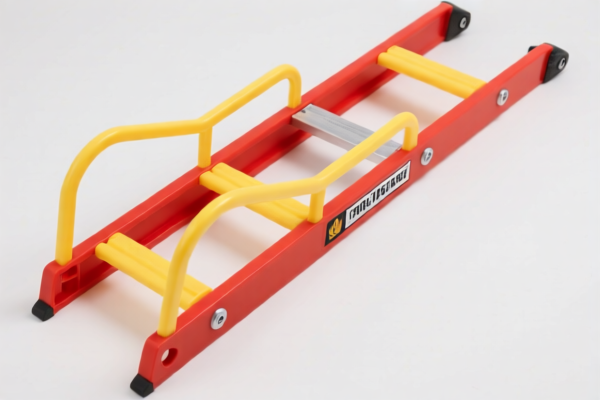
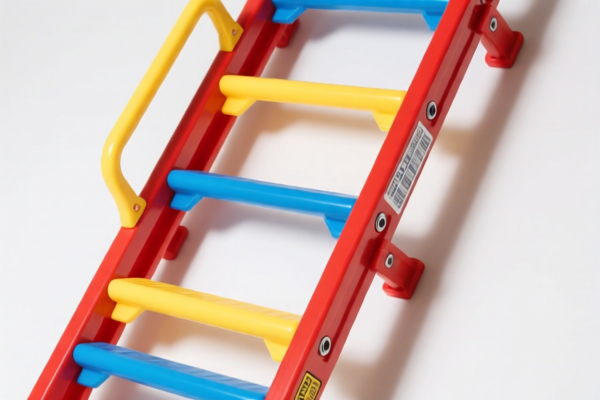
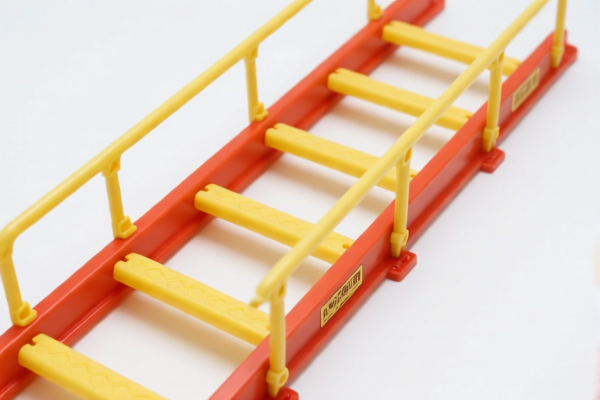
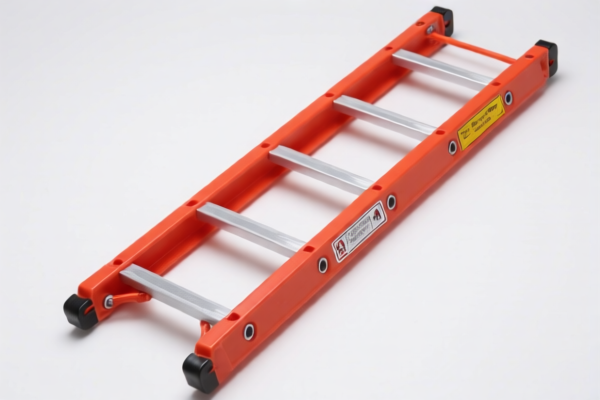
AI Analysis
🪜 Plastic Fire Escape Ladder (Emergency Exit Equipment)
🌐 HS Code Reference & Customs Clearance Guide | 2026 Latest Tariff Analysis | Professional Compliance Strategy
📌 I. Product Definition & Classification: Do You Really Understand "Plastic Fire Escape Ladder"?
A Plastic Fire Escape Ladder is a critical life-safety device designed for emergency evacuation from upper floors of buildings. In international trade, these products are strictly regulated due to their nature as safety equipment made from specific materials.
Key Distinction:
- Material Composition: Must be primarily composed of plastics (headings 3901–3914) or other plastic materials.
- Functionality: Designed specifically for emergency egress, but classified under general plastic articles unless they fall under specific safety gear headings (which typically don't apply to simple ladders in Chapter 39).
- Regulatory Note: While safety-critical, they do not enjoy preferential treatment under Chapter 39 for "safety devices." They are treated as standard plastic goods.
⚠️ Critical Classification Point:
- If made of metal → Chapter 73 or 83 (Not covered here).
- If made of wood → Chapter 44 (Not covered here).
- If made of Plastics → Chapter 39 is mandatory.
- Within Chapter 39, "Ladders" are explicitly mentioned under 3926.90.99.30.
📦 II. HS Code Classification Details (2026 Latest Tariff Authority Alignment)
Based on the provided data, only two HS Codes are applicable for Plastic Fire Escape Ladders. All other plastic articles fall into the general "Other" category.
| HS Code | Product Description | Applicability | Tax Rate (China → US) |
|---|---|---|---|
3926.90.99.30 |
Ladders of plastic | ✅ Direct Match Specifically for plastic ladders, including fire escape ladders |
12.8% (5.3% Base + 7.5% Additional) |
3926.90.99.89 |
Other plastic articles | ❌ Incorrect Only if the ladder cannot be classified as a "ladder" (e.g., broken parts, non-ladder shaped plastic sheets). For finished ladders, this is not the correct code. |
12.8% (5.3% Base + 7.5% Additional) |
🔍 Key Reminder:
- Always prioritize3926.90.99.30for plastic ladders.
- Misclassifying a plastic ladder as3926.90.99.89("Other") may trigger customs scrutiny for misclassification, even though the tax rate is identical in this specific dataset.
- Do not use codes for metal ladders (e.g., 73.26) or wooden ladders (e.g., 44.13).
💰 III. 2026 Tariff Rate Breakdown (Detailed Tax Clause Explanation)
✅ Applicable Country: United States (US)
✅ Origin: China (CN)
✅ Effective Date: 2025 onwards (Current Rate Structure)
🎯 1. 3926.90.99.30 —— Plastic Ladders (Including Fire Escape Ladders)
| Item | Detail |
|---|---|
| Base Tariff (MFN) | 5.3% (Ad Valorem) |
| Section 301 Additional Tariff | +7.5% (Specific to Chinese-origin plastics/ladders) |
| Total Effective Tax Rate | 12.8% |
| Tax Calculation | CIF Value × 12.8% |
| De Minimis Exemption | ❌ Not Applicable Plastic articles from China are not eligible for de minimis exemption under current trade policies. |
| Legal Basis Path | HTSUS:3926.90.99.30 → Section 301 Footnote 2 → USITC:3926.90.99.30 |
📌 Explanation:
- 5.3% Base Rate: Applies to all "Other articles of plastics" under heading 3926.
- 7.5% Additional Rate: This is the Section 301 tariff imposed on specific Chinese imports, including plastic articles and ladders.
- Total 12.8%: This is the final duty payable to U.S. Customs and Border Protection (CBP).
- No Exemptions: Unlike some IT products or machinery, plastic ladders do not qualify for exclusions under the standard lists.
🛠️ IV. Customs Clearance Practical Advice (Risk Avoidance Guide)
✅ 1. Documentation Checklist (Mandatory)
| Document | Required | Purpose |
|---|---|---|
| ✅ Product Specification Sheet | ✔️ | Must state: Material (100% Plastic), Max Load Capacity, Length, Intended Use (Fire Escape) |
| ✅ Commercial Invoice | ✔️ | Must clearly state: "Plastic Fire Escape Ladder, HS Code 3926.90.99.30, Origin: China" |
| ✅ Packing List | ✔️ | List all components (e.g., ropes, hooks, rungs) as part of the complete ladder |
| ✅ Material Safety Data Sheet (MSDS) | ✔️ | Required for plastic products to confirm flammability ratings and chemical composition |
| ✅ Certificate of Origin (CO) | ✔️ | To prove Chinese origin for accurate tariff application |
| ✅ Test Reports (UL/ASTM) | ✔️ | Crucial for Safety Products: Proof of load-bearing capacity and fire resistance (if applicable) |
✅ 2. Declaration Best Practices (Key Tips)
🔥 "Be Specific: Name, Material, and Function!"
| Scenario | Correct Declaration | Incorrect Declaration |
|---|---|---|
| Finished Plastic Ladder | Plastic Fire Escape Ladder, Model XYZ, 10ft Length, Rated 300lbs |
Plastic Ladder (Too vague) |
| Kit Components | Complete Plastic Fire Escape Ladder Kit |
Plastic Rungs + Ropes (Splitting components may trigger higher scrutiny) |
| Material Composition | 100% Polypropylene Plastic |
Mixed Material Ladder (If not mixed, this causes delays) |
📌 Warning:
- Do not describe as "Emergency Exit Gear" without specifying "Plastic Ladder."
- Do not under-declare value, as CBP frequently audits safety equipment.
✅ 3. Special Cases & Handling
| Case | Handling Advice |
|---|---|
| Composite Materials | If the ladder has metal hooks or rope handles, still classify as 3926.90.99.30 if plastic is the essential character. However, be prepared to justify this. |
| Fire Resistance Rating | If the ladder is fire-retardant, add "Fire-Retardant Plastic" to the description. This may affect testing requirements but not the HS Code. |
| Sample vs. Commercial | Both are subject to 12.8% duty. No duty-free entry for samples from China. |
| Returns/Warranty Items | Must declare as "Returned Goods" with original invoice to potentially avoid double taxation (if eligible). |
🌍 V. Global Market Comparison (2026 Latest)
| Country/Region | Recommended HS Code | Tariff (China Origin) | Certification Requirements | Notes |
|---|---|---|---|---|
| 🇺🇸 USA | 3926.90.99.30 |
12.8% | UL/ASTM F2539 (if claimed as safety gear) | Highest scrutiny for safety items |
| 🇪🇺 EU | 3926.90.97 |
0% (Most FTA) | CE Marking, EN 131 (Ladder Standard) | No Section 301 equivalent |
| 🇨🇳 China | 3926.90.99.30 |
5.3% (Import Duty) | CCC (if applicable), GB Standards | Low import duty, but strict safety standards |
| 🇬🇧 UK | 3926.90.97 |
0% (Post-Brexit FTA) | UKCA Marking | Similar to EU |
| 🇯🇵 Japan | 3926.90.99 |
6.0% | JIS Standards | Moderate duty |
📌 Conclusion:
- USA: Highest cost due to 7.5% Section 301 tariff.
- EU/UK: Preferential rates if origin certificates are valid.
- Safety Compliance: USA requires UL/ASTM testing; EU requires EN 131. Non-compliance leads to seizure.
📌 VI. Common Mistakes & Pitfalls (Lessons Learned)
❌ Mistake 1: Classifying as 3926.90.99.89 ("Other")
👉 Consequence: Although tax is same, customs may flag for misclassification. Always use .30 for ladders.
❌ Mistake 2: Ignoring Material Composition
👉 Consequence: If the ladder has significant metal parts, it might be classified under Chapter 73 (7.3-10% duty + potential higher tariffs). Plastic must be essential character.
❌ Mistake 3: Failing to Provide Test Reports
👉 Consequence: CBP may hold shipment for safety review. Fire escape ladders are high-risk items. Provide UL/ASTM certs upfront.
❌ Mistake 4: Incorrect Value Declaration
👉 Consequence: Under-declaring leads to penalties + 45% of evaded duties. Plastic ladders are often undervalued. Declare full CIF value.
✅ Correct Declaration Example:
"Plastic Fire Escape Ladder, 10ft, Polypropylene, Rated 300lbs, UL Certified, Model EL-1000, HS 3926.90.99.30"
🎯 VII. Conclusion: Safe Passage for Safety Products!
🎯 Remember the Rule:
🔹 "Plastic Ladder? Use 3926.90.99.30!"
🔹 "Tax is 12.8%: 5.3% Base + 7.5% Section 301!"
🔹 "Safety Docs First: UL/ASTM Saves Time!"
📌 Pro Tip:
- For fire escape ladders, ensure load-bearing test reports are attached to the commercial invoice.
- Consider pre-classification rulings from CBP if you have mixed-material ladders (plastic + metal).
- Insurance: Ensure cargo insurance covers safety equipment specifically.
📣 Immediate Action:
📞 Contact a Licensed Customs Broker
📄 Attach UL/ASTM Test Reports
🚀 Declare Correctly: HS 3926.90.99.30
✨ Accurate Classification, Smooth Clearance, Safe Evacuation!
💼 Your Safety Product Deserves Accurate Compliance!
Customer Reviews
About HS Code Classification
The Harmonized System (HS) is an internationally standardized nomenclature developed by the World Customs Organization (WCO) to classify traded products. Over 200 countries use the HS system as the basis for customs tariffs, trade statistics, and import/export regulations.
Each HS code follows a hierarchical structure:
- Chapter (2 digits) — Broad category of goods (e.g., Chapter 84: Machinery and Mechanical Appliances)
- Heading (4 digits) — More specific grouping within the chapter
- Subheading (6 digits) — Internationally standardized breakdown, used by all WCO member countries
- National subdivisions (8-10 digits) — Country-specific extensions for further classification, such as US HTSUS 10-digit codes
Correct HS code classification is essential for smooth customs clearance, accurate duty payment, and compliance with trade regulations. Misclassification can lead to customs delays, overpayment of duties, or penalties.
When importing from CN to US, the applicable tariff rates may include:
- Most-Favored-Nation (MFN) rate — The standard duty rate applied to WTO members
- General rate — Applied to countries without trade agreements
- Trade remedy duties — Additional tariffs such as Section 301 (anti-dumping), Section 232 (national security), or countervailing duties
The information provided on this page is for reference purposes only. For official classification, please consult with your local customs authority or a licensed customs broker.