Plastic Fittings for Furniture
CN → US| HS Code | Tariff Rate | Origin | Destination | Doc |
|---|---|---|---|---|
| 9403994080 | 35.0% | CN | US | Official Doc |
| 3926305000 | 22.8% | CN | US | Official Doc |
| 3926301000 | 24.0% | CN | US | Official Doc |
| 9403993080 | 35.0% | CN | US | Official Doc |
| 9401993580 | 35.0% | CN | US | Official Doc |
Product Images
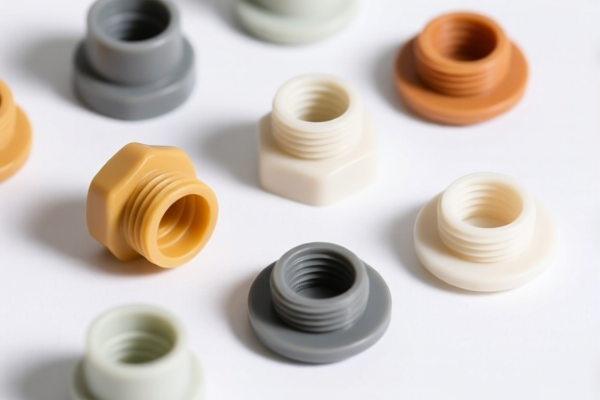
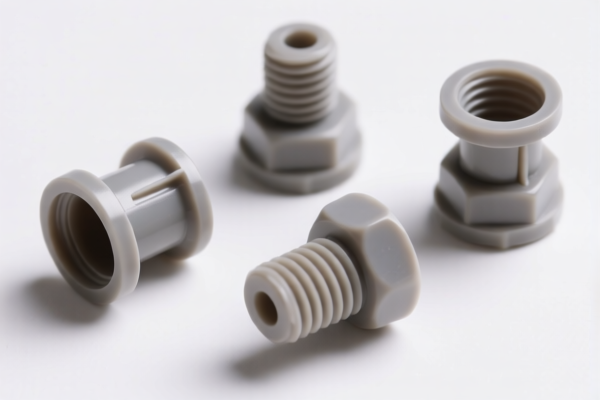
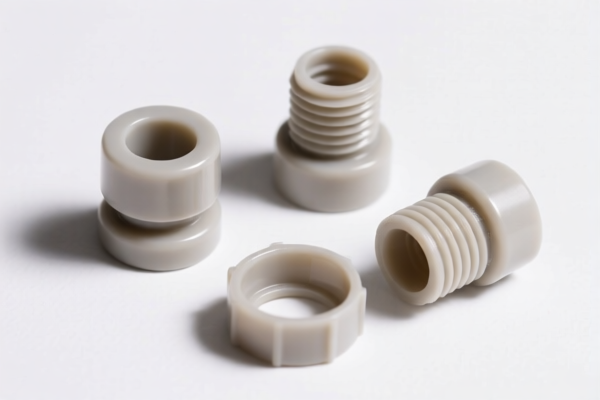
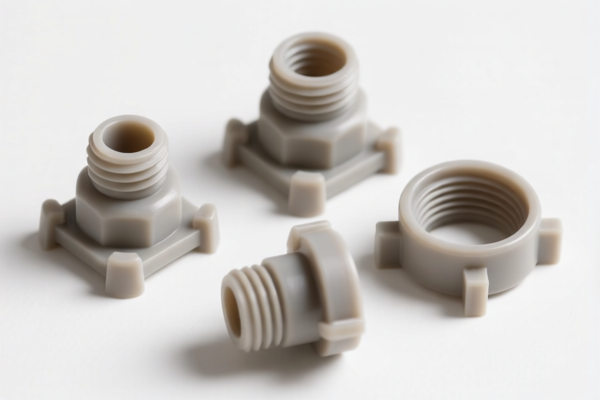
AI Analysis
🛋️ Plastic Fittings for Furniture
🌐 HS Code Reference & Customs Clearance Guide | 2026 Latest Tariff Analysis | Professional Clearance Strategy
📌 I. Product Definition & Classification: Do You Really Understand "Plastic Furniture Fittings"?
Plastic furniture fittings are versatile components used in the assembly, decoration, and functionality of furniture. In international trade, they are classified based on their primary function and structural role. They fall into two main categories:
A. Furniture Parts (Parts of Furniture):
Components specifically designed to support, connect, or constitute part of the furniture structure itself (e.g., legs, panels, frames, structural connectors). These generally fall under Chapter 94.
B. General Plastic Articles:
Plastic items that serve functional roles but are not structurally integral to the furniture itself, such as handles, knobs, decorative inserts, or generic connectors. These generally fall under Chapter 39.
⚠️ Key Distinction Point:
- If the plastic part is essential for the structural integrity of the furniture (e.g., a plastic leg, a joint connector, a shelf support) → Classify under 9403.99 (Parts of Furniture).
- If the plastic part is user-facing or decorative (e.g., a handle, knob, or generic clip) → Classify under 3926.30 (Plastic articles for furniture).
📦 II. HS Code Classification Details (2026 Latest Tariff Authority Comparison)
| HS Code | Product Description | Application Scenario | Structural Role? |
|---|---|---|---|
9403.99.40.80 |
Plastic Furniture Parts, Classified as Other Furniture Parts | Structural connectors, frames, legs, non-wood furniture components | ✅ Yes (Structural) |
3926.30.50.00 |
Plastic Articles, Used for Furniture Connectors | Generic plastic connectors, spacers, non-structural joints | ❌ No (General Plastic Article) |
3926.30.10.00 |
Plastic Furniture Utensils & Accessories (e.g., Handles or Knobs) | Drawer pulls, cabinet knobs, decorative plastic fittings | ❌ No (Functional/Decorative Accessory) |
9403.99.30.80 |
Plastic Furniture Accessories, Default Inclination for Parts | Plastic fittings based on default "part" classification logic | ✅ Yes (Default Part) |
9401.99.35.80 |
Plastic Furniture Accessories, No Material Conflict Parts | Plastic parts for chairs/seats where material doesn't conflict | ✅ Yes (Part of Seating) |
🔍 Critical Reminder:
- Structural vs. Accessory: The US Customs and Border Protection (CBP) often scrutinizes whether a plastic item is a "part" (9403) or an "article" (3926). If it holds the furniture together, it’s usually 9403. If it’s something the user touches (handle/knob), it’s usually 3926.
- Packaging: If handles and structural connectors are shipped together, CBP may require separate classification if they are not functionally integrated.
💰 III. 2026 Latest Tariff Rate Breakdown (Including Additional Duties & Policy Surcharges)
✅ Applicable Country: United States (US)
✅ Origin: China (CN)
✅ Effective Date: Ongoing (Subject to Section 301 & 122 Clauses)
🎯 1. 9403.99.40.80 / 9403.99.30.80 / 9401.99.35.80 —— Plastic Furniture Parts (Structural)
| Item | Content |
|---|---|
| Base Duty Rate | 0% (ad valorem) |
| Section 301 Additional Duty | +25% (Under USITC Footnote 9903.88.01) |
| Section 122 Clause Duty | +10% (Specific trade remedy) |
| Total Duty Rate | 35.0% |
| Tax Calculation | CIF Value × 35.0% |
| De Minimis Eligibility | ❌ Not Eligible (deny_de_minimis) |
| Legal Basis Path | IEEPA:9903.01.25 → USITC:9403.99 → FOOTNOTE:9903.88.01 → Section 122 |
📌 Explanation:
- These HS codes are classified as "Parts of Furniture".
- The 25% Section 301 tariff applies to all furniture parts of Chinese origin.
- The 10% Section 122 duty is an additional surcharge applicable to specific plastic furniture components.
- Total 35% is a significant cost driver. Misclassifying these as general plastic articles (lower base rate) can lead to severe penalties.
🎯 2. 3926.30.50.00 —— Plastic Articles for Furniture Connectors
| Item | Content |
|---|---|
| Base Duty Rate | 5.3% (ad valorem) |
| Section 301 Additional Duty | +7.5% (Reduced rate for certain plastic articles under specific exclusions/clauses) |
| Section 122 Clause Duty | +10% (Specific trade remedy) |
| Total Duty Rate | 22.8% |
| Tax Calculation | CIF Value × 22.8% |
| De Minimis Eligibility | ❌ Not Eligible (deny_de_minimis) |
| Legal Basis Path | IEEPA:9901.25 → USITC:3926.30 → FOOTNOTE:9903.88.01 → Section 122 |
📌 Note:
- This code applies to generic plastic connectors that are not explicitly defined as furniture parts.
- The base rate (5.3%) is higher than furniture parts (0%), but the Section 301 rate (7.5%) is lower than for furniture parts (25%).
- Result: Total 22.8% is lower than 35%, making this a potentially cheaper classification if the product qualifies.
🎯 3. 3926.30.10.00 —— Plastic Furniture Utensils (Handles/Knobs)
| Item | Content |
|---|---|
| Base Duty Rate | 6.5% (ad valorem) |
| Section 301 Additional Duty | +7.5% (Reduced rate for certain plastic articles) |
| Section 122 Clause Duty | +10% (Specific trade remedy) |
| Total Duty Rate | 24.0% |
| Tax Calculation | CIF Value × 24.0% |
| De Minimis Eligibility | ❌ Not Eligible (deny_de_minimis) |
| Legal Basis Path | IEEPA:9901.25 → USITC:3926.30.10 → FOOTNOTE:9903.88.01 → Section 122 |
📌 Important:
- Handles, knobs, and decorative fittings are not considered structural parts.
- They fall under "Plastic Articles for Furniture" rather than "Parts of Furniture."
- Total 24.0% is significantly lower than the 35% for structural parts, offering cost savings if correctly classified.
🛠️ IV. Customs Clearance Practical Advice (Combat Pitfalls Guide)
✅ 1. Required Documentation Checklist (Must-Haves)
| Document | Must Provide | Explanation |
|---|---|---|
| ✅ Product Specifications | ✔️ | Dimensions, material composition, weight, intended use |
| ✅ Technical Drawings | ✔️ | Critical to prove if the item is structural (9403) or accessory (3926) |
| ✅ Product Photos | ✔️ | Show installation context, markings, and finish |
| ✅ Commercial Invoice | ✔️ | Clearly describe items as "Plastic Furniture Handle" or "Plastic Structural Connector" |
| ✅ Bill of Lading | ✔️ | Ensure HS Codes match the invoice exactly |
| ✅ Origin Certificate | ✔️ | Confirm China origin to apply correct 301/122 rates |
| ✅ Declaration Statement | ✔️ | Explicitly state: "This is a [Handle/Connector] and not a structural part of furniture" if using 3926 |
✅ 2. Declaration Tips (Key Mnemonic)
🔥 “Structure = 9403 (35%), Accessory = 3926 (22-24%)”
| Scenario | Correct Classification | Wrong Practice |
|---|---|---|
| Plastic Leg/Frame Connector | 9403.99.40.80 (35%) |
Declare as "Plastic Part" under 3926 → Customs Rejection |
| Drawer Handle/Knob | 3926.30.10.00 (24%) |
Declare as "Furniture Part" under 9403 → Overpayment |
| Generic Plastic Clip/Spacer | 3926.30.50.00 (22.8%) |
Declare as "Furniture Part" → Overpayment |
| Mixed Shipment (Handles + Connectors) | Split Declaration | Declare all as one type → Risk of Audit |
✅ 3. Special Case Handling
| Scenario | Handling Advice |
|---|---|
| OEM Custom Handles | Provide design sheets to prove they are "handles" not "structural parts" |
| Knobs with Metal Inserts | Still classifiable as 3926.30.10.00 if plastic is the primary material/value |
| Furniture Kits | If sold as a kit, the primary function determines classification. If >50% is structural parts, the whole kit may lean towards 9403 |
| Pre-Clearance Ruling | Highly Recommended: Apply for an Advance Ruling from CBP if your product is on the borderline |
🌍 V. Global Market Customs Comparison (2026 Latest)
| Country/Region | Recommended HS Code | Duty Rate | Certification Requirement | Notes |
|---|---|---|---|---|
| 🇺🇸 USA | 3926.30.10.00 (Handles) |
24.0% | None | Lower than 9403 (35%) |
| 🇺🇸 USA | 9403.99.40.80 (Parts) |
35.0% | None | High duty due to 301+122 |
| 🇪🇺 EU | 3926.30 |
4.5% | CE | No Section 301 |
| 🇨🇳 China | 3926.30 |
5.0% | CCC (if applicable) | Low duty |
| 🇨🇦 Canada | 3926.30 |
0% (MFN) | None | No additional duties |
📌 Conclusion:
- USA is the most critical market due to the 35% vs. 22-24% differential.
- Correct classification can save ~10-13% in total landed cost.
- Do not auto-classify all plastic furniture items as 9403. Analyze function first.
📌 VI. Common Errors & Pitfalls Guide (Blood & Tears Lessons)
❌ Error 1: Classifying Handles/Knobs as 9403.99 (Furniture Parts)
👉 Consequence: Paying 35% instead of 24%. Loss of 11% profit margin!
❌ Error 2: Classifying Structural Connectors as 3926.30 (Plastic Articles)
👉 Consequence: Customs penalty for false classification. Goods may be seized or fined.
❌ Error 3: Using vague descriptions like "Plastic Parts"
👉 Consequence: CBP will apply the highest possible duty (likely 35%) or delay clearance for inspection.
❌ Error 4: Ignoring Section 122 Duty
👉 Consequence: Underpayment by 10%. Back taxes + interest + penalties.
✅ Correct Approach:
"Plastic Cabinet Handle, Model XYZ, ABS Material, Matte Finish, For Kitchen Cabinets"
vs.
"Plastic Structural Connector Joint, Model ABC, PP Material, Reinforced, For Furniture Frame"
🎯 VII. Conclusion: Professional Classification, Time-Saving, Cost-Reducing!
🎯 Remember the Mnemonic:
🔹 "Structure = 9403 (35%), Handle = 3926 (24%), Connector = 3926 (22.8%)"
🔹 "Think Function, Not Just Material. Save 10% with Right Code."
📌 Pro Tip:
If your product is exclusively decorative (e.g., plastic trim pieces), ensure it is not structurally load-bearing. Document this clearly.
For high-volume shipments, always request an Advance Ruling from US CBP to lock in the 22.8%-24% rate for plastic accessories.
📣 Take Action Now:
📞 Consult a Licensed Customs Broker
📄 Prepare Detailed Product Descriptions
🚀 Ensure Smooth Clearance, Maximize Profit, Avoid Penalties!
✨ Professional Clearance Starts with Accurate Classification!
💼 Every Percent Saved is Pure Profit!
Customer Reviews
About HS Code Classification
The Harmonized System (HS) is an internationally standardized nomenclature developed by the World Customs Organization (WCO) to classify traded products. Over 200 countries use the HS system as the basis for customs tariffs, trade statistics, and import/export regulations.
Each HS code follows a hierarchical structure:
- Chapter (2 digits) — Broad category of goods (e.g., Chapter 84: Machinery and Mechanical Appliances)
- Heading (4 digits) — More specific grouping within the chapter
- Subheading (6 digits) — Internationally standardized breakdown, used by all WCO member countries
- National subdivisions (8-10 digits) — Country-specific extensions for further classification, such as US HTSUS 10-digit codes
Correct HS code classification is essential for smooth customs clearance, accurate duty payment, and compliance with trade regulations. Misclassification can lead to customs delays, overpayment of duties, or penalties.
When importing from CN to US, the applicable tariff rates may include:
- Most-Favored-Nation (MFN) rate — The standard duty rate applied to WTO members
- General rate — Applied to countries without trade agreements
- Trade remedy duties — Additional tariffs such as Section 301 (anti-dumping), Section 232 (national security), or countervailing duties
The information provided on this page is for reference purposes only. For official classification, please consult with your local customs authority or a licensed customs broker.