Plastic Flooring Tiles
CN → US| HS Code | Tariff Rate | Origin | Destination | Doc |
|---|---|---|---|---|
| 3926906090 | 39.2% | CN | US | Official Doc |
| 3926909989 | 22.8% | CN | US | Official Doc |
| 3918101040 | 40.3% | CN | US | Official Doc |
| 3925900000 | 40.3% | CN | US | Official Doc |
| 5904901000 | 35.0% | CN | US | Official Doc |
| 5904909000 | 35.0% | CN | US | Official Doc |
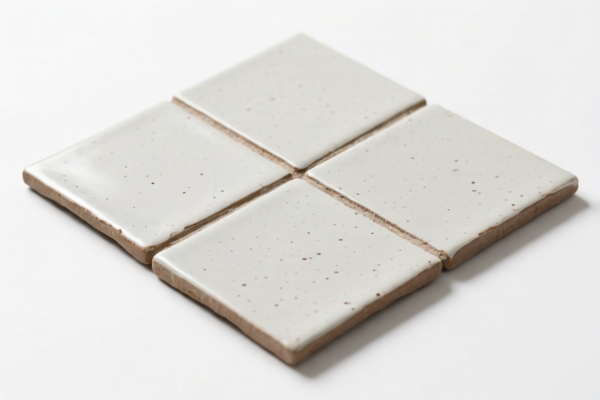
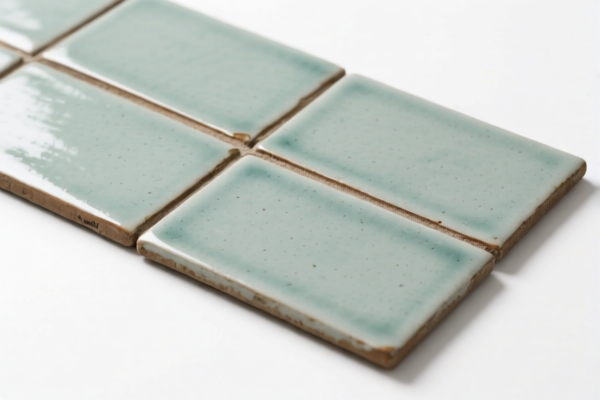
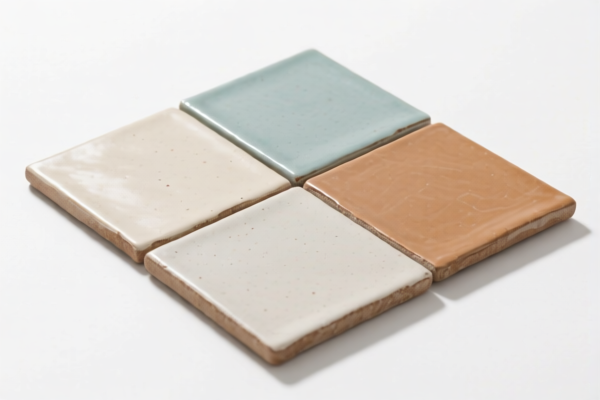
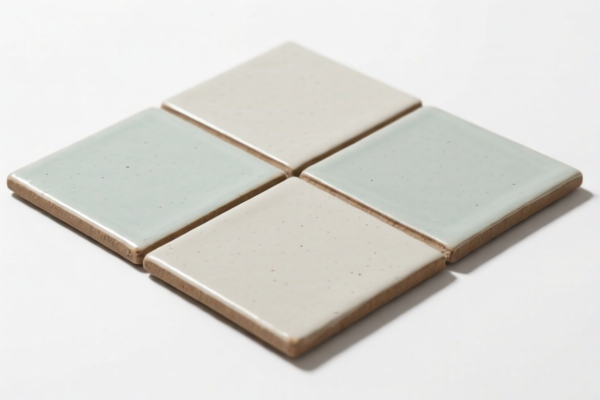
Product Images
AI Analysis
🏗️ Plastic Flooring Tiles: The Ultimate HS Code Classification Guide & Customs Clearance Strategy
🌐 HS Code Reference & Customs Clearance Guide | 2026 Latest Tariff Analysis | Strategic Entry for Plastic Flooring
📌 I. Product Definition & Classification: What Exactly Are "Plastic Flooring Tiles"?
Plastic Flooring Tiles are versatile floor coverings made primarily from synthetic polymers. In international trade, they are often categorized based on their material composition, structure, and application. Misclassification here can lead to severe tariff penalties (up to 40.3% vs. 22.8%) and customs delays.
There are two primary competitive classifications for these products:
- Generic Plastic Articles (Chapter 39): Items where the plastic nature is dominant, and they don't fit specific "flooring" descriptions elsewhere.
- Floor Coverings/Textile-Based (Chapter 59): Items where plastic is a coating or covering on a textile base (like carpet tiles or vinyl-backed mats).
⚠️ Critical Distinction Point: * If the product is solid plastic/polymer (e.g., PVC interlocking tiles, rubber flooring) → Likely Chapter 39. * If the product has a textile backing with a plastic layer applied → Likely Chapter 59 (Often lower base duty, but subject to similar surcharges).
📦 II. HS Code Classification Details (2026 Authoritative Reference)
Based on the provided data, here are the valid HS Codes for Plastic Flooring Tiles, ranked by potential cost efficiency and logical fit.
| HS Code | Summary Description | Applicable Scenario | Key Characteristics | Total Tax Rate |
|---|---|---|---|---|
3926.90.99.89 |
Plastic Articles (Miscellaneous) | General plastic floor tiles; no specific "floor" classification applies; generic plastic制品. | Material: Plastic; Form: Article; No material conflict. | 22.8% ✅ Most Cost-Effective |
5904.90.10.00 |
Floor Coverings (Textile Base) | Flooring with a textile base coated/covered with plastic (e.g., PVC-backed mats). | Plastic as coating/layer; No obvious conflict with plastic attributes. | 35.0% |
5904.90.90.00 |
Other Carpets/Coverings | Miscellaneous floor coverings where plastic is used as a coating/layer; catch-all logic. | Plastic as coating; Fits "other" category logic. | 35.0% |
3926.90.60.90 |
Plastic Articles (Other) | Plastic items specifically summarized as "consistent with plastic floor classification." | Directly mentions "plastic floor" in summary. | 39.2% |
3918.10.10.40 |
Plastic Floor Coverings | Vinyl/Plastic flooring specifically classified under Chapter 39.18. | PVC or similar plastic flooring; Specific plastic flooring category. | 40.3% ⚠️ High Risk |
3925.90.00.00 |
Plastic Building Components | Plastic building components; shape is floor, fits "other plastic building components." | Structural plastic element; Broad building component category. | 40.3% ⚠️ High Risk |
🔍 Key Insight: *
3926.90.99.89offers the lowest total tax (22.8%) and is suitable for general plastic tiles. *3918.10.10.40and3925.90.00.00carry the highest tax (40.3%). Use these only if the product strictly meets the technical definition of "plastic flooring" under Chapter 39.18 (e.g., rolled vinyl flooring) or "building components." *5904.90.xx.xxcodes are viable if your product has a fabric/textile backing. Note that while the base duty is 0%, the surcharges push the total to 35.0%.
💰 III. 2026 Latest Tariff Rate Breakdown (Including Surcharge Details)
✅ Applicable Country: United States (US)
✅ Origin: China (CN)
✅ Effective Date: November 10, 2025 (and subsequent imports)
🎯 1. 3926.90.99.89 – Plastic Articles (Recommended for Low Cost)
| Item | Detail |
|---|---|
| Base Tariff | 5.3% |
| Section 301 Surcharge | +7.5% |
| Section 122 Surcharge | +10.0% |
| Total Effective Rate | 22.8% |
| Calculation | CIF Value × 22.8% |
| De Minimis Exemption | ❌ Not Eligible (Deemed High Value/Restricted) |
| Legal Basis | Standard USITC code + IEEPA/301 Footnotes |
📌 Explanation: * This code benefits from a lower Section 301 surcharge (7.5%) compared to other plastic codes (which face 25%). * The Section 122 tariff (10%) applies universally to these categories. * Strategy: If your product is a simple interlocking plastic tile without textile backing, this is the optimal classification for cost savings.
🎯 2. 5904.90.10.00 & 5904.90.90.00 – Floor Coverings (Textile-Based)
| Item | Detail |
|---|---|
| Base Tariff | 0.0% |
| Section 301 Surcharge | +25.0% |
| Section 122 Surcharge | +10.0% |
| Total Effective Rate | 35.0% |
| Calculation | CIF Value × 35.0% |
| De Minimis Exemption | ❌ Not Eligible |
| Legal Basis | USITC Chapter 59 + IEEPA Footnotes |
📌 Explanation: * Despite a 0% base duty, the 25% Section 301 surcharge makes this code more expensive than
3926.90.99.89. * Use Case: Only use this if your product must be classified as a textile-based floor covering (e.g., carpet tiles with PVC backing) to comply with technical standards or customer specifications.
🎯 3. 3918.10.10.40 / 3925.90.00.00 – High-Risk High-Tax Codes
| Item | Detail |
|---|---|
| Base Tariff | 5.3% |
| Section 301 Surcharge | +25.0% |
| Section 122 Surcharge | +10.0% |
| Total Effective Rate | 40.3% |
| Calculation | CIF Value × 40.3% |
| De Minimis Exemption | ❌ Not Eligible |
📌 Explanation: * These codes attract the maximum Section 301 surcharge of 25%. * They are typically reserved for specifically defined "plastic flooring" (Ch. 39.18) or construction-grade plastic components (Ch. 39.25). * Warning: Misusing these for generic plastic tiles will result in overpayment of ~17.5% compared to the optimal code.
🛠️ IV. Customs Clearance Practical Advice (Avoiding Pitfalls)
✅ 1. Documentation Checklist (Non-Negotiable)
| Document | Required? | Purpose |
|---|---|---|
| Product Specification Sheet | ✔️ | Details material composition (e.g., 100% PVC, Recycled Plastic), dimensions, thickness. |
| Material Safety Data Sheet (MSDS) | ✔️ | Proves chemical composition; helps Customs verify "Plastic" vs. "Rubber" vs. "Composite." |
| Product Photos (Labeled) | ✔️ | Show cross-section (layer structure) to prove/no textile backing. |
| Commercial Invoice | ✔️ | Must explicitly state: "Plastic Flooring Tiles," Material: [Specific Type], HS Code: [Your Code]. |
| Packing List | ✔️ | Must match invoice exactly. |
| Certificate of Origin (CO) | ✔️ | Confirm China origin to apply correct surcharges. |
✅ 2. Classification Strategy & Tips
🔥 "Material Dictates Code, Backing Dictates Chapter, Surcharge Dictates Cost!"
| Scenario | Recommended HS Code | Reason |
|---|---|---|
| Solid Plastic/Interlocking Tiles (No fabric backing) | 3926.90.99.89 |
Lowest total tax (22.8%); general plastic article. |
| Carpet Tiles with PVC Backing | 5904.90.10.00 |
Textile base is dominant; plastic is a coating. |
| Roll-Out Vinyl Flooring | 3918.10.10.40 |
Specifically defined as plastic flooring under Ch. 39.18. |
| Large Scale Plastic Decking/Structural | 3925.90.00.00 |
Considered a building component/structural plastic item. |
⚠️ Critical Warning: * Do not use
3926.90.60.90(39.2%) if3926.90.99.89(22.8%) is more appropriate. The difference is 16.4%. * Do not use3918or3925unless the product is strictly "flooring" or "building component" as per USITC notes. Misclassification leads to penalties and audits.
✅ 3. Special Circumstances
| Situation | Recommendation |
|---|---|
| Mixed Materials (e.g., Plastic + Wood) | If plastic is the essential character, use Chapter 39. If wood dominates, Chapter 44. Document the ratio. |
| Sample Imports | Even samples are subject to duties if value exceeds de minimis thresholds. Classify correctly from Sample #1. |
| Customs Audit Risk | High-value shipments (> $10k) may face scrutiny. Keep cross-section photos and material test reports ready. |
| Volatility | Tariff rates can change. Lock in HS Code via Advance Ruling if importing large volumes regularly. |
🌍 V. Global Market Comparison (2026 Snapshot)
| Market | Recommended HS Code | Est. Total Duty (China Origin) | Key Requirement |
|---|---|---|---|
| 🇺🇸 USA | 3926.90.99.89 |
22.8% | FCC/CAPA (if applicable), MSDS. |
| 🇺🇸 USA (Textile Base) | 5904.90.10.00 |
35.0% | Fiber content declaration. |
| 🇪🇺 EU | 3918.10 (Typical) |
1.5% - 6.5% | CE Mark, REACH Compliance. |
| 🇨🇳 China | 3918.10 |
10% - 15% | CCC Certification (if applicable). |
📌 Conclusion: * The US market is the most complex due to Section 301 and Section 122 surcharges. * Choosing the right HS Code saves up to 17.5% of the landed cost. * Always prioritize
3926.90.99.89for general plastic tiles unless structural/textile characteristics force another classification.
📌 VI. Common Errors & Pitfalls (Lessons Learned)
❌ Error 1: Classifying solid plastic tiles as 3918.10 (40.3%) when 3926.90 (22.8%) is valid.
👉 Result: Overpaying 17.5% on every shipment.
❌ Error 2: Ignoring the textile backing.
👉 Result: If you have PVC-backed carpet, using 3926 is incorrect. Customs may reclassify to 5904 and penalize.
❌ Error 3: Missing Section 122 Disclosure.
👉 Result: Customs rejects entry for incomplete tariff application. Always include the 10% surcharge in calculations.
❌ Error 4: Vague Product Description.
👉 Result: "Plastic Floor" is too vague. Use "Interlocking PVC Floor Tile, 12"x12", 4mm Thickness, Recycled Material."
✅ Correct Practice:
"Plastic Flooring Tiles, PVC Material, Interlocking Type, No Textile Backing, Model ABC, Certified for Residential Use"
🎯 VII. Conclusion: Precision Classification for Maximum Profit
🎯 Key Takeaway:
🔹 "Solid Plastic? Go
3926.99(22.8%). Textile Back? Go5904(35.0%). Specific Flooring? Go3918(40.3%)."
🔹 "Tariff savings of 16.4% can determine your product's margin. Don't guess, verify."
📌 Pro Tip:
If your plastic flooring contains recycled materials, highlight this in your MSDS. Some markets may offer green incentives or lower scrutiny, though US surcharges remain fixed.
Recommendation: For high-volume imports, apply for a Customs Ruling (P-106) to lock in the HS Code and avoid future disputes.
📣 Immediate Action:
📞 Contact a Licensed Customs Broker: Provide product samples and specs.
🚀 Request a Pre-Classification Letter: Protect your supply chain against sudden tariff changes.
💰 Calculate Landed Cost: Include the 22.8% (or applicable) rate in your pricing model immediately.
✨ Smart Customs, Smarter Business!
💼 Every percentage point saved is pure profit added to the bottom line!
Customer Reviews
About HS Code Classification
The Harmonized System (HS) is an internationally standardized nomenclature developed by the World Customs Organization (WCO) to classify traded products. Over 200 countries use the HS system as the basis for customs tariffs, trade statistics, and import/export regulations.
Each HS code follows a hierarchical structure:
- Chapter (2 digits) — Broad category of goods (e.g., Chapter 84: Machinery and Mechanical Appliances)
- Heading (4 digits) — More specific grouping within the chapter
- Subheading (6 digits) — Internationally standardized breakdown, used by all WCO member countries
- National subdivisions (8-10 digits) — Country-specific extensions for further classification, such as US HTSUS 10-digit codes
Correct HS code classification is essential for smooth customs clearance, accurate duty payment, and compliance with trade regulations. Misclassification can lead to customs delays, overpayment of duties, or penalties.
When importing from CN to US, the applicable tariff rates may include:
- Most-Favored-Nation (MFN) rate — The standard duty rate applied to WTO members
- General rate — Applied to countries without trade agreements
- Trade remedy duties — Additional tariffs such as Section 301 (anti-dumping), Section 232 (national security), or countervailing duties
The information provided on this page is for reference purposes only. For official classification, please consult with your local customs authority or a licensed customs broker.