Plastic Food Storage Container
CN → US| HS Code | Tariff Rate | Origin | Destination | Doc |
|---|---|---|---|---|
| 3923102000 | 35.0% | CN | US | Official Doc |
| 3923109000 | 38.0% | CN | US | Official Doc |
| 3924102000 | 24.0% | CN | US | Official Doc |
| 3924104000 | 13.4% | CN | US | Official Doc |
| 6911108090 | 38.3% | CN | US | Official Doc |
Product Images
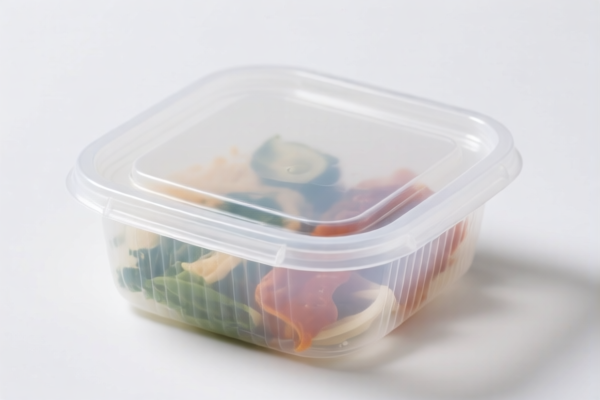
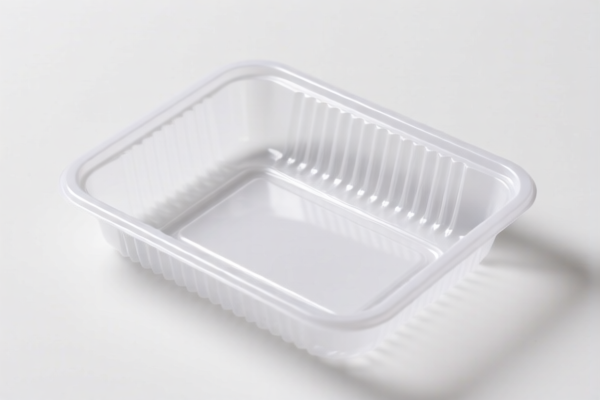
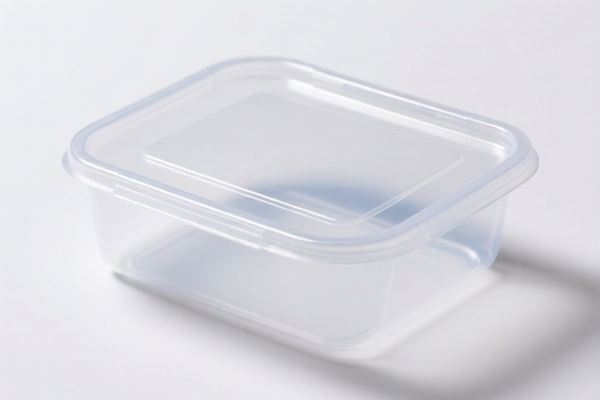
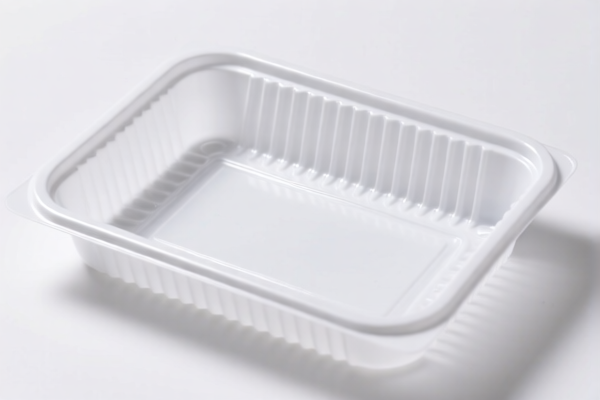
AI Analysis
🥗 Plastic Food Storage Containers
🌐 HS Code Reference & Customs Clearance Guide | 2026 Latest Tariff Analysis | Professional Clearance Strategy
📌 I. Product Definition & Classification: What Exactly Are "Plastic Food Storage Containers"?
Plastic food storage containers are ubiquitous household and commercial items designed for the preservation, organization, and transport of food. In international trade, their classification depends heavily on material form, intended use, and structural design. They are generally split into two main categories:
- Packaging Containers (Chapter 39.23): Rigid or flexible containers specifically designed for shipping, packaging, or bulk storage (e.g., bulk buckets, industrial pails, or large-scale storage bins). These are often viewed as "packaging" rather than "tableware."
- Household/Tableware Articles (Chapter 39.24): Items used directly in the home or kitchen for serving, eating, or individual food storage (e.g., Tupperware-style boxes, lunch boxes, food containers with lids). These are viewed as "household articles" or "cutlery/tableware."
⚠️ Key Distinction Point:
- If the item is a bulk shipping container (e.g., large pails, drums, or cartons) primarily for logistics/packaging →归入 3923.10 (Packaging articles of plastics).
- If the item is a household kitchen item (e.g., rectangular bento boxes, round salad bowls with lids) primarily for eating/serving/home storage → 归入 3924.10 (Household articles and toilet articles of plastics).
📦 II. HS Code Classification Details (2026 Latest Tariff Authority Comparison)
Based on the provided data, here are the specific HS Codes, their summaries, and tax implications for Plastic Food Storage Containers imported into the US from China.
| HS Code | Product Description (Summary) | Category Scope | Total Tax Rate | Key Tax Components |
|---|---|---|---|---|
3923.10.20.00 |
Plastic material, container form, used for food storage, fits 3923.10 definition. | Packaging/Logistics Containers | 35.0% | Base: 0% + Section 301: 25% + Section 122: 10% |
3923.10.90.00 |
Plastic material, container form, used for food storage, classified as other boxes/crates. | Other Packaging Containers | 38.0% | Base: 3% + Section 301: 25% + Section 122: 10% |
3924.10.20.00 |
Inferred plastic material, used as food container, belongs to tableware/kitchenware category. | Household/Tableware | 24.0% | Base: 6.5% + Section 301: 7.5% + Section 122: 10% |
3924.10.40.00 |
Inferred plastic material, used as food container, belongs to other household items/tableware. | Other Household Items | 13.4% | Base: 3.4% + Section 301: 0% + Section 122: 10% |
6911.10.80.90 |
Note: This code refers to Ceramic/Porcelain, not plastic. Inferred as ceramic/porcelain, used as food container, belongs to tableware. | Ceramic Tableware | 38.3% | Base: 20.8% + Section 301: 7.5% + Section 122: 10% |
🔍 Critical Reminder:
- Plastic vs. Ceramic: If your product is made of ceramic or porcelain (not plastic), it falls under 6911.10.80.90 with a high total tax of 38.3%. Ensure material claims are accurate!
- Plastic Packaging vs. Plastic Tableware: Misclassifying a household lunch box as a packaging container (3923) can lead to a higher tax burden (35%-38%) compared to the correct household classification (3924), which may be as low as 13.4%.
💰 III. 2026 Latest Tariff Rate Details (Including Surtaxes & Policy Add-ons)
✅ Applicable Country: United States (US)
✅ Origin: China (CN)
✅ Effective Date: From November 10, 2025 (including subsequent imports)
🎯 1. 3923.10.20.00 — Plastic Containers for Food Storage (Packaging Category)
| Item | Content |
|---|---|
| Base Tariff | 0% (ad valorem) |
| Section 301 Surtax | +25% (from USITC Footnote 9903.88.01) |
| Section 122 Surtax | +10% (Targeted China surcharge) |
| Total Tax Rate | 35.0% |
| Tax Calculation | CIF Value × 35% |
| De Minimis Eligible | ❌ No (deny_de_minimis) |
| Legal Basis Path | Section 122 → Section 301 → USITC:3923.10.20.00 |
📌 Explanation:
- This code is for plastic containers that are considered packaging (e.g., large bulk storage bins, industrial food containers).
- The 25% Section 301 tariff applies to most plastics from China.
- The 10% Section 122 tariff is an additional surcharge on specific Chinese goods.
- Total: 35%. This is a moderate-high rate for packaging goods.
🎯 2. 3923.10.90.00 — Other Plastic Packaging Containers (Boxes/Crates)
| Item | Content |
|---|---|
| Base Tariff | 3% |
| Section 301 Surtax | +25% |
| Section 122 Surtax | +10% |
| Total Tax Rate | 38.0% |
| Tax Calculation | CIF Value × 38% |
| De Minimis Eligible | ❌ No |
| Legal Basis Path | Section 122 → Section 301 → USITC:3923.10.90.00 |
📌 Note:
- This is for plastic packaging items that do not fit into the specific3923.10.20category (e.g., other types of plastic boxes/crates for food).
- The 3% base tariff pushes the total to 38%, making this one of the higher tax brackets for plastic packaging.
🎯 3. 3924.10.20.00 — Plastic Tableware/Kitchenware (Household Use)
| Item | Content |
|---|---|
| Base Tariff | 6.5% |
| Section 301 Surtax | +7.5% (Lower rate for tableware in some cases) |
| Section 122 Surtax | +10% |
| Total Tax Rate | 24.0% |
| Tax Calculation | CIF Value × 24% |
| De Minimis Eligible | ❌ No |
| Legal Basis Path | Section 122 → Section 301 → USITC:3924.10.20.00 |
📌 Advantage:
- If the item is clearly a household food container (e.g., lunch box, salad container), it may qualify for this lower rate.
- The Section 301 rate is reduced to 7.5% for certain tableware categories, significantly lowering the total tax compared to packaging codes.
🎯 4. 3924.10.40.00 — Other Plastic Household Articles/Tableware
| Item | Content |
|---|---|
| Base Tariff | 3.4% |
| Section 301 Surtax | 0% (Exempt or lower rate for specific subcategories) |
| Section 122 Surtax | +10% |
| Total Tax Rate | 13.4% |
| Tax Calculation | CIF Value × 13.4% |
| De Minimis Eligible | ❌ No |
| Legal Basis Path | Section 122 → USITC:3924.10.40.00 |
📌 Best Rate for Plastics:
- This is the most cost-effective code for plastic food containers that are classified as other household items (not specifically tableware).
- 0% Section 301 surcharge makes this code highly attractive.
- Ensure the product description aligns with "other household articles" to avoid misclassification.
🎯 5. 6911.10.80.90 — Ceramic/Porcelain Tableware (MATERIAL CHANGE)
| Item | Content |
|---|---|
| Base Tariff | 20.8% |
| Section 301 Surtax | +7.5% |
| Section 122 Surtax | +10% |
| Total Tax Rate | 38.3% |
| Tax Calculation | CIF Value × 38.3% |
| De Minimis Eligible | ❌ No |
| Legal Basis Path | Section 122 → Section 301 → USITC:6911.10.80.90 |
⚠️ Warning:
- This code is for CERAMIC/PORTCELAIN, NOT plastic.
- If you ship plastic containers but declare them as ceramic, or vice versa, you risk severe penalties, seizure, and back taxes.
- Only use this if your product is genuinely ceramic/porcelain.
🛠️ IV. Customs Clearance Practical Advice (Pitfall Avoidance Guide)
✅ 1. Preparation Checklist (All documents required)
| Document | Required? | Notes |
|---|---|---|
| ✅ Product Specification Sheet | ✔️ | Must specify material (e.g., "Food-Grade Polypropylene PP"), dimensions, capacity, and whether it includes lids. |
| ✅ Product Photos | ✔️ | Clear images showing the item's shape, use case (kitchen vs. industrial), and labeling. |
| ✅ Commercial Invoice | ✔️ | Clearly state "Plastic Food Storage Container" and specify Chapter 39.23 (Packaging) vs. Chapter 39.24 (Household). |
| ✅ FDA Compliance Document | ✔️ | Since it's for food contact, FDA compliance (or FDA registration for the manufacturer) is mandatory. |
| ✅ Material Safety Data Sheet (MSDS) | ✔️ | If shipped as liquid/powder additives, but for solid containers, a Material Declaration stating food-grade safety is sufficient. |
| ✅ Packing List | ✔️ | Detail number of units, weight, and dimensions. |
✅ 2. Declaration Strategy (Key Tips)
🔥 "Material First, Use Second, Code Fits Best!"
| Scenario | Correct Declaration | Wrong Declaration | Risk |
|---|---|---|---|
| Lunch Box / Salad Container | 3924.10.40.00 (13.4%) |
3923.10.20.00 (35%) |
Overpaying 21.6% |
| Industrial Food Bin | 3923.10.20.00 (35%) |
3924.10.20.00 (24%) |
Underpayment → Audit/Fine |
| Ceramic Food Bowl | 6911.10.80.90 (38.3%) |
3924.10.40.00 (13.4%) |
Underpayment → Seizure + Penalty |
| Mixed Plastic & Ceramic | Split HS Codes | Single Code | Complex Audit → Delay |
📌 Key Tip:
- If the container is small, has a lid, and is marketed for home kitchen use, lean towards 3924.10.
- If it is a large, rigid bin used for bulk storage or shipping, lean towards 3923.10.
✅ 3. Special Cases
| Situation | Handling Advice |
|---|---|
| OEM Custom Containers | Provide design drawings to prove intended use (household vs. industrial). |
| With Accessories (Lids, Cutlery) | Declare main item + accessories in one HS Code if sold as a set. Do not split unless necessary. |
| Bamboo/Plastic Composite | If >50% plastic by weight, classify under 3924. If bamboo dominant, may fall under 44.19 (Wooden Tableware). |
| Disposable Plastic Containers | Still falls under 3924 or 3923 depending on reusability. Non-reusable may face stricter FDA scrutiny. |
🌍 V. Global Market Comparison (2026 Latest)
| Country/Region | Recommended HS Code | Tariff (China Origin) | Certification Requirements | Notes |
|---|---|---|---|---|
| 🇺🇸 USA | 3924.10.40.00 |
13.4% | FDA + Prop 65 (CA) | Lowest rate for plastic household items. |
| 🇨🇳 China | 3924.10.40.00 |
5% | CCC (if applicable) | No surtaxes. |
| 🇪🇺 EU | 3924.10.90.00 |
6.5% | CE + LFGB (Germany) | No Section 122/301. |
| 🇬🇧 UK | 3924.10.90.00 |
6.5% | UKCA + Food Contact Regs | Post-Brexit rules apply. |
| 🇦🇺 Australia | 3924.10.90.00 |
5% | SAA + Food Standards Code | No major surtaxes. |
📌 Conclusion:
- USA is the most complex market due to Section 301 and Section 122 tariffs.
- Correct classification under 3924.10.40.00 (13.4%) is crucial to minimize costs compared to 3923 codes (35%+).
- FDA compliance is non-negotiable for any food-contact plastic product.
📌 VI. Common Errors & Pitfall Guide (Lessons Learned)
❌ Error 1: Declaring a household lunch box as a packaging container (3923)
👉 Consequence: Pay 35% instead of 13.4%. Loss: 21.6% per unit.
❌ Error 2: Declaring plastic containers as ceramic (6911)
👉 Consequence: Seizure by Customs. FDA violation. Heavy fines.
❌ Error 3: Ignoring FDA Food Contact Requirements
👉 Consequence: Goods held at port. Return or Destruction. Delay in delivery.
❌ Error 4: Using "Storage Box" as a generic term without specifying use
👉 Consequence: Customs officer may default to the higher-tax 3923 code.
✅ Correct Action: Specify "Food Storage Container for Kitchen Use" to justify 3924.
✅ Correct Declaration Example:
"Plastic Food Storage Container, Food-Grade PP, Rectangular, with Lid, for Kitchen/Home Use, FDA Compliant, Model XYZ"
🎯 VII. Conclusion: Precision Classification Saves Money!
🎯 Remember the Key:
🔹 "Plastic + Home Use = 3924 (13.4%-24%)"
🔹 "Plastic + Packaging/Bulk = 3923 (35%-38%)"
🔹 "Ceramic = 6911 (38.3%)"
🔹 "Never Mix Materials or Uses!"
📌 Pro Tip:
If you are unsure whether your product is "packaging" or "tableware," apply for an Advance Ruling from U.S. Customs and Border Protection (CBP) to avoid post-import penalties.
📣 Immediate Action:
📞 Contact a licensed customs broker + Provide Product Photos + Verify FDA Compliance
🚀 Clear Customs Smoothly, Save on Taxes, Profit Maximization!
✨ Professional Clearance Starts with Accurate Classification!
💼 Every Cent of Tariff Saves is Pure Profit!
Customer Reviews
About HS Code Classification
The Harmonized System (HS) is an internationally standardized nomenclature developed by the World Customs Organization (WCO) to classify traded products. Over 200 countries use the HS system as the basis for customs tariffs, trade statistics, and import/export regulations.
Each HS code follows a hierarchical structure:
- Chapter (2 digits) — Broad category of goods (e.g., Chapter 84: Machinery and Mechanical Appliances)
- Heading (4 digits) — More specific grouping within the chapter
- Subheading (6 digits) — Internationally standardized breakdown, used by all WCO member countries
- National subdivisions (8-10 digits) — Country-specific extensions for further classification, such as US HTSUS 10-digit codes
Correct HS code classification is essential for smooth customs clearance, accurate duty payment, and compliance with trade regulations. Misclassification can lead to customs delays, overpayment of duties, or penalties.
When importing from CN to US, the applicable tariff rates may include:
- Most-Favored-Nation (MFN) rate — The standard duty rate applied to WTO members
- General rate — Applied to countries without trade agreements
- Trade remedy duties — Additional tariffs such as Section 301 (anti-dumping), Section 232 (national security), or countervailing duties
The information provided on this page is for reference purposes only. For official classification, please consult with your local customs authority or a licensed customs broker.