Plastic Foot Pad
CN → US| HS Code | Tariff Rate | Origin | Destination | Doc |
|---|---|---|---|---|
| 3925900000 | 40.3% | CN | US | Official Doc |
| 3925100000 | 41.3% | CN | US | Official Doc |
| 3924104000 | 13.4% | CN | US | Official Doc |
| 3926902500 | 24.0% | CN | US | Official Doc |
| 3926305000 | 22.8% | CN | US | Official Doc |
Product Images
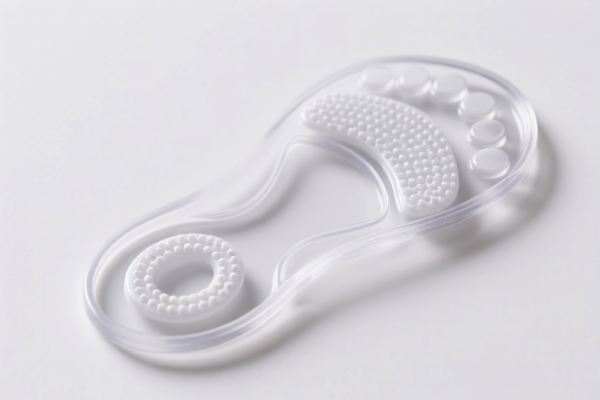

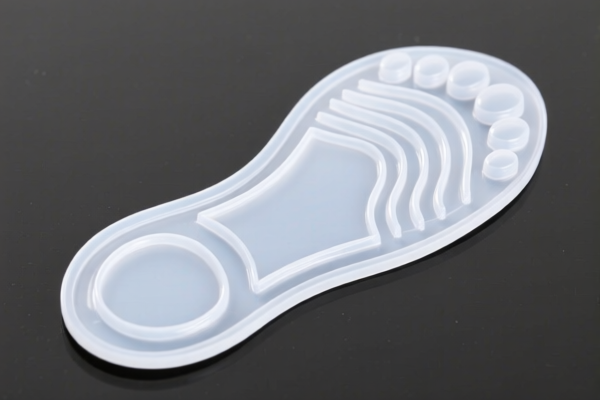
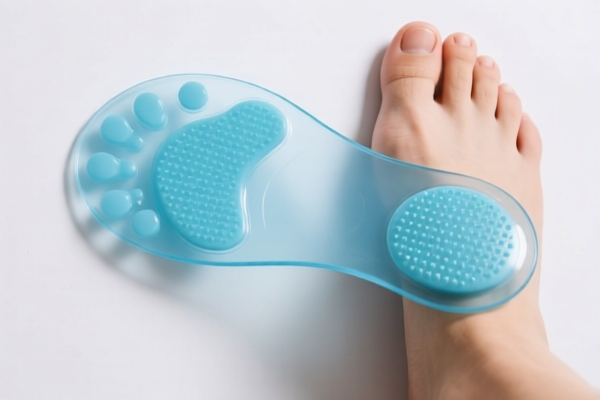
AI Analysis
🪴 Plastic Foot Pad (Plastic Pot Feet)
🌐 HS Code Classification & Customs Clearance Guide | 2026 Tariff Analysis | Strategic Compliance for US Imports
📌 I. Product Definition & Classification: What Exactly Is a "Plastic Foot Pad"?
A Plastic Foot Pad (often referred to as a "Pot Foot" or "Garden Pot Base") is a small component used to support plant pots, elevating them slightly off the ground. Its primary functions include improving drainage, preventing root rot, and protecting floor surfaces from moisture damage.
In international trade, the classification depends heavily on how it is presented and its specific functional description:
- As a Standalone Accessory: A generic plastic piece sold as a part for gardening pots.
- As a Specific Component: Described technically as a "support part" or "connector."
⚠️ Key Classification Divergence:
- If classified as a general household item part or pot accessory → Lower Tax Rate (13.4%).
- If classified as a general plastic part or garden structure component → Higher Tax Rate (40.3% - 41.3%).
- The difference is nearly 30% in total tax burden.
📦 II. HS Code Classification Matrix (2026 Latest Tariff Data)
Based on the provided data, here are the 5 specific HS Codes applicable to Plastic Foot Pads, along with their detailed tax structures.
✅ Applicable Region: United States (US)
✅ Origin: China (CN)
✅ Effective Date: Current (Includes 301 Section & Section 122 Tariffs)
📊 Summary Table
| HS Code | Description Summary | Total Tax Rate | Breakdown |
|---|---|---|---|
| 3924.10.40.00 | Plastic pot foot; considered a household article spare part | 13.4% | Base: 3.4% + Add.: 0.0% + Sec 122: 10% |
| 3926.90.25.00 | Plastic pot foot; classified as other plastic articles | 24.0% | Base: 6.5% + Add.: 7.5% + Sec 122: 10% |
| 3926.30.50.00 | Plastic pot foot; classified as connection/support parts | 22.8% | Base: 5.3% + Add.: 7.5% + Sec 122: 10% |
| 3925.90.00.00 | Plastic pot foot; classified as building/garden structure parts | 40.3% | Base: 5.3% + Add.: 25.0% + Sec 122: 10% |
| 3925.10.00.00 | Plastic pot foot; classified as parts of plastic structures | 41.3% | Base: 6.3% + Add.: 25.0% + Sec 122: 10% |
💰 III. Detailed Tariff Analysis & Legal Basis
Below is the deep dive into why these rates differ and the legal logic behind each classification.
🎯 1. The "Golden Path": 3924.10.40.00 (Lowest Risk & Cost)
- Total Tax: 13.4%
- Definition: Plastic household article parts.
- Logic: This code treats the foot pad as an accessory to a household item (the flower pot). It avoids the high "Section 301" additional tariffs that apply to many industrial or structural plastic components.
- Tax Breakdown:
- Base Duty: 3.4%
- Additional Duty (Section 301): 0.0% (Exempt or Not Applicable)
- Section 122 Tariff: 10.0%
- Strategy: ✅ Highly Recommended. Use this if the product is marketed explicitly as a "pot accessory" or "gardening aid."
🎯 2. The "Middle Ground": 3926.30.50.00 & 3926.90.25.00
- Total Taxes: 22.8% and 24.0%
- Definition:
3926.30.50.00: Parts for other articles of plastic (specifically supports/connectors).3926.90.25.00: Other articles of plastic (general catch-all).
- Logic: These codes fall under Chapter 39, Section 26 ("Other Articles of Plastic"). They are subject to partial Section 301 tariffs.
- Tax Breakdown (Example: 3926.90.25.00):
- Base Duty: 6.5%
- Additional Duty (Section 301): 7.5%
- Section 122 Tariff: 10.0%
- Strategy: ⚠️ Acceptable if the product cannot be clearly defined as a "household part" but is not a "building component."
🎯 3. The "High Cost Pitfall": 3925.90.00.00 & 3925.10.00.00
- Total Taxes: 40.3% and 41.3%
- Definition:
- `3925.90.00.00**: Other builders' ware of plastics.
3925.10.00.00: Prefabricated buildings and components of plastics.
- Logic: ⛔ AVOID THIS CLASSIFICATION FOR SMALL FOOT PADS. These codes are intended for large-scale structural components (e.g., plastic gutters, siding, large greenhouse frames). Classifying a small plastic foot pad here is aggressive and likely to trigger customs scrutiny or penalties. However, if the foot pad is part of a large "plastic garden structure" kit, this classification might apply.
- Tax Breakdown (Example: 3925.90.00.00):
- Base Duty: 5.3%
- Additional Duty (Section 301): 25.0% (Maximum rate)
- Section 122 Tariff: 10.0%
- Strategy: ❌ Do Not Use unless shipping as part of a larger structural plastic assembly. The 25% Additional Duty makes this extremely expensive.
🛠️ IV. Customs Clearance Practical Advice
✅ 1. Critical Documentation Requirements
| Document | Requirement | Why It Matters |
|---|---|---|
| Product Description | Must be specific: "Plastic Pot Foot, 2-inch, Black, sold in bulk" | Vague terms like "Plastic Part" lead to generic (higher) classification. |
| Material Declaration | Specify Polymer Type (e.g., HDPE, PP, ABS) | Confirms Chapter 39 eligibility. |
| Usage Statement | "Used for elevating garden pots to improve drainage" | Crucial for supporting 3924.10.40.00 (Household article) classification. |
| Commercial Invoice | List Unit Price & Total Quantity | Needed for CIF calculation. |
| Packing List | Net Weight/Gross Weight | Standard requirement. |
✅ 2. Declaration Tips to Optimize Tax Rate
🔥 Rule of Thumb:
"Sell as Accessory, Not Structure!"
| Scenario | Recommended HS Code | Estimated Total Tax | Risk Level |
|---|---|---|---|
| Retail/Bulk Pack (Sold as pot accessories) | 3924.10.40.00 |
13.4% | ✅ Low |
| Industrial Bulk (Unmarked, generic) | 3926.90.25.00 |
24.0% | ⚠️ Medium |
| Part of Greenhouse Frame | 3925.90.00.00 |
40.3% | 🔴 High (Only if applicable) |
- Tip 1: Always describe the item as "Pot Feet" or "Garden Pot Bases" in the invoice, NOT "Plastic Components" or "Plastic Parts for Structures."
- Tip 2: If shipping mixed containers (e.g., pots + feet), ensure the feet are listed separately as accessories. Do not bundle them into a single "Garden Kit" line item if it triggers the "Builder's Ware" classification.
- Tip 3: Check if the supplier provides a Material Safety Data Sheet (MSDS); while not always required for customs, it proves the material is standard plastic, supporting Chapter 39.
✅ 3. Common Customs Red Flags
❌ Mistake 1: Describing as "Plastic Building Material"
👉 Result: Automated flag for 3925 codes → 40%+ Tax.
❌ Mistake 2: Using generic term "Plastic Part"
👉 Result: Customs officer discretion → Likely 3926 codes → 22-24% Tax.
❌ Mistake 3: Ignoring Section 122 Tariff
👉 Result: Underpayment by 10%. Note: Section 122 tariffs apply to most plastic articles from China. Even the lowest rate (13.4%) includes this 10%.
🌍 V. Strategic Recommendations for Importers
- Target the Lowest Rate: Aim for
3924.10.40.00(13.4%). This requires marketing the product clearly as a household/gardening accessory. - Avoid Structural Classification: Do not use
3925codes unless you are importing large plastic garden structures (fences, trellises) where these feet are integral components. For standalone feet,3925is an over-classification. - Pre-Clearance Ruling: If shipping large volumes (>10 containers/year), consider applying for a US Customs Ruling to formally establish the classification as
3924.10.40.00. This provides legal protection against retrospective duty changes. - Supply Chain Transparency: Ensure the manufacturer’s packing list does not describe the items as "Parts for Plastic Structures." Use terms like "Accessories for Planters."
📌 VI. Conclusion & Action Plan
🎯 Final Verdict:
For Plastic Foot Pads, the most cost-effective and legally sound classification is 3924.10.40.00 at a 13.4% total duty. This leverages the "Household Article" exemption from high Section 301 tariffs.
✅ Action Steps:
1. Revise Product Descriptions on invoices to emphasize "Gardening Accessory" or "Pot Support."
2. Verify Material is standard plastic (Chapter 39).
3. Calculate Landed Cost using 13.4% (Base 3.4% + Sec 122 10%).
4. Avoid 3925 codes unless part of a larger structural import.
📣 Pro Tip:
"In customs, perception is reality. If you call it a 'structural part,' you pay like one. If you call it a 'pot accessory,' you pay like one. Choose your words wisely!"
✨ Stay Compliant, Stay Profitable!
💼 Accurate HS Coding = Lower Duties + Faster Clearance.
Customer Reviews
About HS Code Classification
The Harmonized System (HS) is an internationally standardized nomenclature developed by the World Customs Organization (WCO) to classify traded products. Over 200 countries use the HS system as the basis for customs tariffs, trade statistics, and import/export regulations.
Each HS code follows a hierarchical structure:
- Chapter (2 digits) — Broad category of goods (e.g., Chapter 84: Machinery and Mechanical Appliances)
- Heading (4 digits) — More specific grouping within the chapter
- Subheading (6 digits) — Internationally standardized breakdown, used by all WCO member countries
- National subdivisions (8-10 digits) — Country-specific extensions for further classification, such as US HTSUS 10-digit codes
Correct HS code classification is essential for smooth customs clearance, accurate duty payment, and compliance with trade regulations. Misclassification can lead to customs delays, overpayment of duties, or penalties.
When importing from CN to US, the applicable tariff rates may include:
- Most-Favored-Nation (MFN) rate — The standard duty rate applied to WTO members
- General rate — Applied to countries without trade agreements
- Trade remedy duties — Additional tariffs such as Section 301 (anti-dumping), Section 232 (national security), or countervailing duties
The information provided on this page is for reference purposes only. For official classification, please consult with your local customs authority or a licensed customs broker.