Plastic Four Part Snap Fastener
CN → US| HS Code | Tariff Rate | Origin | Destination | Doc |
|---|---|---|---|---|
| 9607190020 | 48.0% | CN | US | Official Doc |
| 9607200080 | 46.5% | CN | US | Official Doc |
| 3926908500 | 24.0% | CN | US | Official Doc |
| 3926909989 | 22.8% | CN | US | Official Doc |
Product Images
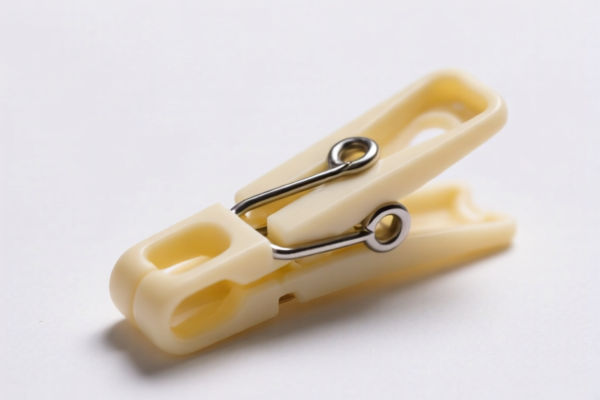

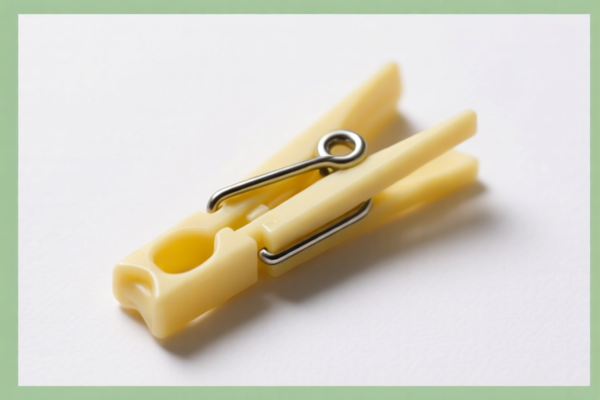
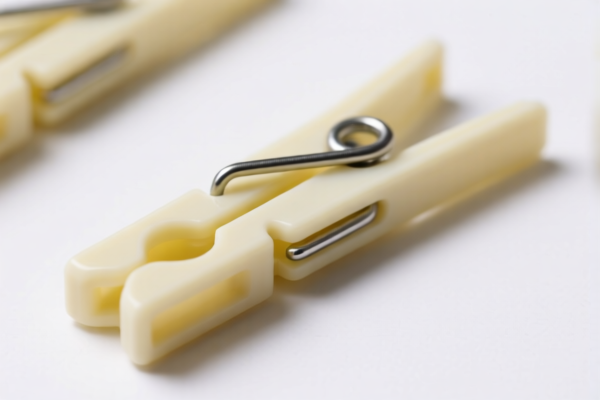
AI Analysis
🧵 Plastic Four-Part Snap Fasteners (Plastic Snaps)
🌐 HS Code Reference & Customs Clearance Guide | 2026 Latest Tariff Analysis | Professional Level Strategy
📌 I. Product Definition & Classification: Do You Really Understand “Plastic Snaps”?
Plastic four-part snap fasteners are small but critical accessories used in garment manufacturing, bags, and outdoor equipment. They typically consist of two parts (stud and socket) that snap together, often accompanied by washers or backings for secure attachment.
In international trade, these items are classified based on their material, function, and specific usage category. The key distinction lies in whether they are considered as "parts of fasteners" or "general plastic articles."
⚠️ Key Distinction Points:
- If classified as parts of zippers/fasteners → Higher tax rates due to specific trade remedies;
- If classified as general plastic articles → Lower tax rates, but subject to general tariffs;
- Material: Must be strictly plastic (not metal or mixed materials) to qualify for the listed HS Codes.
📦 II. HS Code Classification Details (2026 Latest Tariff Authority Comparison)
| HS Code | Product Description | Application Scenario | Tariff Category |
|---|---|---|---|
9607.19.00.20 |
Plastic snap fasteners, classified under accessories related to zippers/fasteners | Garment accessories, branded clothing | ⚠️ High Tax |
9607.20.00.80 |
Plastic snap fasteners, "Other" category under button/fastener parts | General garment use, non-branded | ⚠️ High Tax |
3926.90.85.00 |
Plastic snap fasteners, classified as "Clasps/Fasteners" under plastic articles | Industrial plastic components, bag accessories | ✅ Moderate Tax |
3926.90.99.89 |
Plastic snap fasteners, "Other" plastic products with no specific functional conflict | General plastic goods, unclassified accessories | ✅ Lowest Tax |
🔍 Important Note:
- The same product (Plastic Snap Fastener) can have significantly different tax rates depending on the HS Code chosen;
-9607codes involve high additional tariffs (Total ~46-48%);
-3926codes involve lower additional tariffs (Total ~22-24%);
- Classification Accuracy is Critical to avoid overpayment or customs delays.
💰 III. 2026 Latest Tariff Rate Details (Including Additional Taxes & Policy Surcharges)
✅ Applicable Country: United States (US)
✅ Origin: China (CN)
✅ Effective Date: 2025 November 10 onwards
🎯 1. 9607.19.00.20 —— Plastic Snap Fasteners (Zipper/Fastener Accessories Category)
| Item | Content |
|---|---|
| Base Tariff | 13.0% |
| Section 301 Additional Tariff | +25.0% |
| Section 122 Tariff | +10.0% |
| Total Tax Rate | 48.0% |
| Tax Calculation | CIF Value × 48% |
| De Minimis Exemption Available? | ❌ No |
| Legal Basis Path | USITC:9607.19.00.20 → Section 301: 25% → Section 122: 10% |
📌 Explanation:
- This code places plastic snaps under "Parts of Zippers/Fasteners", which attracts Section 301 (25%) and Section 122 (10%) additional tariffs;
- Total burden of 48% is extremely high, significantly impacting profit margins.
🎯 2. 9607.20.00.80 —— Plastic Snap Fasteners (Other Button/Fastener Parts Category)
| Item | Content |
|---|---|
| Base Tariff | 11.5% |
| Section 301 Additional Tariff | +25.0% |
| Section 122 Tariff | +10.0% |
| Total Tax Rate | 46.5% |
| Tax Calculation | CIF Value × 46.5% |
| De Minimis Exemption Available? | ❌ No |
| Legal Basis Path | USITC:9607.20.00.80 → Section 301: 25% → Section 122: 10% |
📌 Note:
- Slightly lower base tariff (11.5% vs 13.0%), but still subject to the same high additional tariffs;
- Total rate 46.5% remains prohibitive for high-volume trade.
🎯 3. 3926.90.85.00 —— Plastic Snap Fasteners (Clasps/Fasteners under Plastic Articles)
| Item | Content |
|---|---|
| Base Tariff | 6.5% |
| Section 301 Additional Tariff | +7.5% |
| Section 122 Tariff | +10.0% |
| Total Tax Rate | 24.0% |
| Tax Calculation | CIF Value × 24.0% |
| De Minimis Exemption Available? | ❌ No |
| Legal Basis Path | USITC:3926.90.85.00 → Section 301: 7.5% → Section 122: 10% |
📌 Advantage:
- Classified under Plastic Articles (Chapter 39) rather than Fastener Parts (Chapter 96);
- Section 301 rate is only 7.5% (vs 25% in Chapter 96);
- Significant savings: ~22.5% lower total tax compared to9607codes.
🎯 4. 3926.90.99.89 —— Plastic Snap Fasteners (Other Plastic Products)
| Item | Content |
|---|---|
| Base Tariff | 5.3% |
| Section 301 Additional Tariff | +7.5% |
| Section 122 Tariff | +10.0% |
| Total Tax Rate | 22.8% |
| Tax Calculation | CIF Value × 22.8% |
| De Minimis Exemption Available? | ❌ No |
| Legal Basis Path | USITC:3926.90.99.89 → Section 301: 7.5% → Section 122: 10% |
📌 Best Option:
- Lowest total tax rate (22.8%);
- Applies to "Other" plastic products with no specific functional conflict;
- Recommended for cost-sensitive shipments where classification flexibility exists.
🛠️ IV. Customs Clearance Practical Advice (Real-World Pitfall Avoidance Guide)
✅ 1. Preparation Checklist (All Documents Required)
| Document | Required | Description |
|---|---|---|
| ✅ Product Specifications | ✔️ | Material composition, dimensions, part counts |
| ✅ Product Photos (Including Packaging) | ✔️ | Show all components (stud, socket, washer) |
| ✅ Commercial Invoice | ✔️ | Clearly describe as "Plastic Snap Fasteners" |
| ✅ Packing List | ✔️ | Detail quantity per package |
| ✅ Certificate of Origin (CO) | ✔️ | Confirm China origin |
| ✅ Material Declaration | ✔️ | Prove 100% plastic content (no metal springs) |
✅ 2. Declaration Strategy (Key Mnemonic)
🔥 "Plastic Snaps, Choose Chapter 39, Save 22% Tax, Avoid Chapter 96 Trap!"
| Scenario | Correct Declaration | Wrong Practice |
|---|---|---|
| Plastic snaps with plastic parts only | 3926.90.99.89 (22.8%) |
Misdeclare as 9607 → 48% |
| Mixed material (plastic + metal pin) | Exclude from this list | Attempt to force 3926 → Rejected |
| Bulk industrial plastic clasps | 3926.90.85.00 (24%) |
Overcomplicate description → Delay |
| Branded garment accessories | 9607.19.00.20 (48%) |
Ignore tax impact → Profit loss |
✅ 3. Special Case Handling
| Situation | Recommendation |
|---|---|
| OEM Custom Snaps | Provide design drawings to prove plastic-only construction |
| Sample Shipments | Still subject to taxes; no de minimis exemption for China origin |
| Mixed Containers (Plastic + Metal) | Separate declaration; metal parts may fall under different HTS |
| Pre-Ruling Request | Apply for Advance Ruling to lock in 3926 classification |
🌍 V. Global Market Comparison (2026 Latest)
| Country/Region | Recommended HS Code | Tariff Rate | Certification | Notes |
|---|---|---|---|---|
| 🇺🇸 USA | 3926.90.99.89 |
22.8% | None | Avoid 9607 (48%) |
| 🇨🇳 China | 3926.90.99.89 |
5% | None | Low import duty |
| 🇪🇺 EU | 3926.90.99.89 |
0%* | CE (if applicable) | No additional tariffs |
| 🇬🇧 UK | 3926.90.99.89 |
0%* | UKCA | Post-Brexit alignment |
| 🇯🇵 Japan | 3926.90.99.89 |
0% | JIS | No additional tariffs |
📌 Conclusion:
- USA has the highest tax burden due to Section 301 & 122;
- EU/UK/Japan offer 0% tariff for similar goods;
- Strategy: Consider transshipment or assembly in third countries if shipping to USA, if legally compliant.
📌 VI. Common Mistakes & Pitfall Guide (Blood & Tears Lessons)
❌ Mistake 1: Misclassifying plastic snaps as Metal Fasteners
👉 Consequence: Higher duties, customs rejection, or fine.
❌ Mistake 2: Using Chapter 96 (9607) for 100% Plastic Snaps
👉 Consequence: 48% tax vs 22.8% → Huge profit loss.
❌ Mistake 3: Incomplete Description ("Snap Fasteners")
👉 Consequence: Customs queries, delay, or forced reclassification.
❌ Mistake 4: Ignoring Section 122 Tariff
👉 Consequence: Unexpected 10% surcharge, budget overrun.
✅ Correct Practice:
"Plastic Four-Part Snap Fastener, 100% Plastic Material, For Garment Use, Model XYZ, No Metal Components"
🎯 VII. Conclusion: Professional Declaration, Save Time, Cut Costs!
🎯 Remember the Mnemonic:
🔹 "Plastic Snaps, Pick Chapter 39, Save 22%, Avoid 9607 Trap!"
🔹 "HS Code Determines Destiny, Tax Rate Differs by 25%, Wrong Declaration Costs Thousands!"
📌 Pro Tip:
- If your plastic snaps are shipped from Vietnam, Mexico, or Malaysia, apply for Origin Shift to avoid Section 301/122 tariffs;
- Apply for Advance Ruling to secure 3926 classification before shipment.
📣 Immediate Action:
📞 Contact a professional customs broker + Provide product photos + Apply for HS Code Advance Ruling
🚀 Let your plastic snaps clear customs smoothly, boost efficiency, and maximize profits!
✨ Professional Clearance Starts with Accurate Classification!
💼 Every cent of your cost deserves precise calculation!
Customer Reviews
About HS Code Classification
The Harmonized System (HS) is an internationally standardized nomenclature developed by the World Customs Organization (WCO) to classify traded products. Over 200 countries use the HS system as the basis for customs tariffs, trade statistics, and import/export regulations.
Each HS code follows a hierarchical structure:
- Chapter (2 digits) — Broad category of goods (e.g., Chapter 84: Machinery and Mechanical Appliances)
- Heading (4 digits) — More specific grouping within the chapter
- Subheading (6 digits) — Internationally standardized breakdown, used by all WCO member countries
- National subdivisions (8-10 digits) — Country-specific extensions for further classification, such as US HTSUS 10-digit codes
Correct HS code classification is essential for smooth customs clearance, accurate duty payment, and compliance with trade regulations. Misclassification can lead to customs delays, overpayment of duties, or penalties.
When importing from CN to US, the applicable tariff rates may include:
- Most-Favored-Nation (MFN) rate — The standard duty rate applied to WTO members
- General rate — Applied to countries without trade agreements
- Trade remedy duties — Additional tariffs such as Section 301 (anti-dumping), Section 232 (national security), or countervailing duties
The information provided on this page is for reference purposes only. For official classification, please consult with your local customs authority or a licensed customs broker.