Plastic Furniture Protective Film
CN → US| HS Code | Tariff Rate | Origin | Destination | Doc |
|---|---|---|---|---|
| 3920991000 | 41.0% | CN | US | Official Doc |
| 3920490000 | 40.8% | CN | US | Official Doc |
| 3926305000 | 22.8% | CN | US | Official Doc |
| 3926909989 | 22.8% | CN | US | Official Doc |
| 3920991000 | 41.0% | CN | US | Official Doc |
Product Images
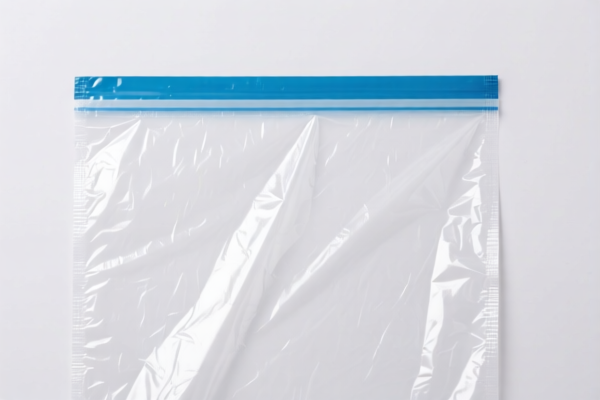
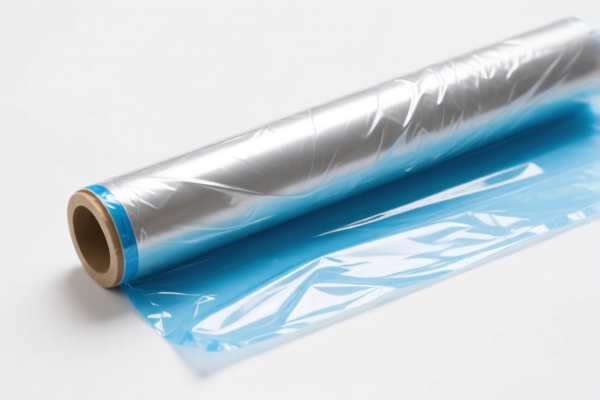
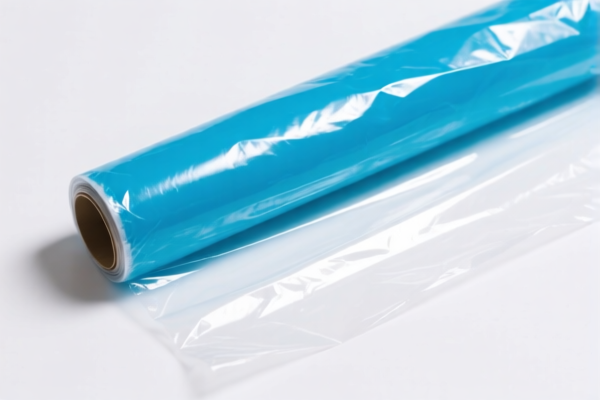
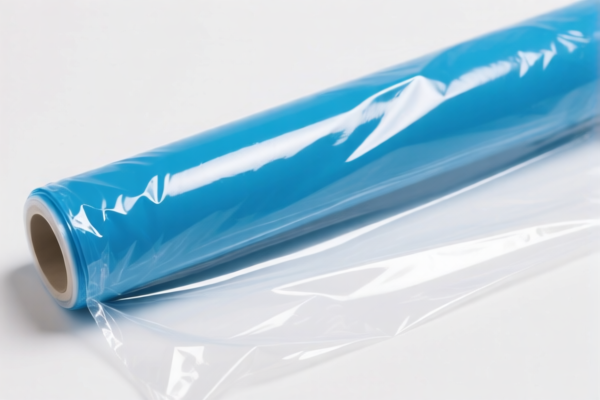
AI Analysis
🛡️ Plastic Furniture Protective Film (Protective Films for Furniture)
🌐 HS Code Reference & Clearance Guide | 2026 Latest Tariff Analysis | Professional Customs Strategy
📌 I. Product Definition & Classification: What Exactly Is This Product?
Plastic Furniture Protective Films are thin plastic sheets applied to surfaces of furniture (wood, metal, glass, etc.) during manufacturing, transport, and installation to prevent scratches, stains, and damage. In international trade, the classification depends heavily on material composition, form factor (roll vs. cut), and specific use case.
⚠️ Critical Distinction:
- If the film is primarily flexible, roll-based, and used for surface protection, it often falls under Chapter 39 (Plastics and Articles Thereof), specifically heading 3920 (Plates, Sheets, Film) or 3926 (Other Plastic Articles).
- The key differentiator is whether it is classified as a "thin film" (3920) or a "finished plastic article/fixture" (3926).
📦 II. HS Code Classification Details (2026 Latest Tariff Alignment)
Based on the provided data, here are the four possible HS Code classifications for Plastic Furniture Protective Films, along with their summaries and tax implications.
| HS Code | Product Description | Summary / Rationale | Total Tax Rate |
|---|---|---|---|
3920.99.10.00 |
Other Plates, Sheets, Film, of Plastics (Non-Cellular) | Based on plastic material and film form, classified as "Other Plastic Films". Specifically noted for lamination or composite uses. | 41.0% |
3920.49.00.00 |
Other Plates, Sheets, Film, of Plastics (e.g., PVC) | Based on plastic material (such as PVC) and film form, classified as "Other Plastic Films". | 40.8% |
3926.30.50.00 |
Other Furniture and Parts Thereof, of Plastics | Based on plastic material and furniture fitting use, classified as "Plastic Articles for Furniture". | 22.8% |
3926.90.99.89 |
Other Articles of Plastics (Not Elsewhere Specified) | Based on plastic material and film form, but classified as "Other Plastic Articles" (fallback category). | 22.8% |
🔍 Key Insight:
- The highest tax burden (41.0%) applies if the product is strictly classified as a raw "Plastic Film" (Heading 3920). This is common for generic rolls sold without specific furniture attachment features.
- The lower tax burden (22.8%) applies if the product is argued as a "Fitting/Accessory for Furniture" (Heading 3926). This requires proving the film is specifically designed for, or integrated with, furniture protection in a way that goes beyond simple sheet goods.
💰 III. 2026 Latest Tariff Rate Breakdown (Including Additional Duties)
✅ Applicable Country: United States (US)
✅ Country of Origin: China (CN)
✅ Effective Time: November 10, 2025 onwards (including subsequent imports)
🎯 1. 3920.99.10.00 —— Other Plastic Films (Lamination/Composite Use)
| Item | Content |
|---|---|
| Base Duty Rate | 6.0% |
| Section 301 Additional Duty | +25.0% |
| Section 122 Duty (IEEPA) | +10.0% |
| Total Tax Rate | 41.0% |
| Tax Calculation | CIF Value × 41% |
| De Minimis Eligibility | ❌ Not Eligible (High duty rates exclude small packages from de minimis thresholds) |
| Legal Basis Path | USITC:3920.99.10.00 → Section 301: Footnote 9903.88.01 → IEEPA:9903.01.24 |
📌 Explanation:
- This is the most punitive classification.
- The 6% base duty is standard for many plastic films.
- The 25% Section 301 duty is applied due to Chinese origin.
- The 10% Section 122 duty is a recent IEEPA measure targeting Chinese imports.
- Total 41% significantly impacts profit margins.
🎯 2. 3920.49.00.00 —— Other Plastic Films (e.g., PVC)
| Item | Content |
|---|---|
| Base Duty Rate | 5.8% |
| Section 301 Additional Duty | +25.0% |
| Section 122 Duty (IEEPA) | +10.0% |
| Total Tax Rate | 40.8% |
| Tax Calculation | CIF Value × 40.8% |
| De Minimis Eligibility | ❌ Not Eligible |
| Legal Basis Path | USITC:3920.49.00.00 → Section 301 → IEEPA:9903.01.24 |
📌 Note:
- Slightly lower than the previous code due to a 0.2% lower base duty.
- Applicable if the film is specifically PVC-based and does not fit other more specific subheadings in 3920.
- Still subject to the same 35% additional taxes (25% + 10%).
🎯 3. 3926.30.50.00 —— Plastic Furniture Fittings
| Item | Content |
|---|---|
| Base Duty Rate | 5.3% |
| Section 301 Additional Duty | +7.5% |
| Section 122 Duty (IEEPA) | +10.0% |
| Total Tax Rate | 22.8% |
| Tax Calculation | CIF Value × 22.8% |
| De Minimis Eligibility | ❌ Not Eligible |
| Legal Basis Path | USITC:3926.30.50.00 → Section 301 → IEEPA:9903.01.24 |
📌 Explanation:
- This is the preferred classification for cost savings (nearly 20% less tax than 3920 codes).
- To qualify, you must demonstrate that the film is a "part of furniture" or specifically designed as a furniture accessory, not just a general-purpose plastic sheet.
- The Section 301 duty is reduced to 7.5% for this category (depending on specific trade lists), which is a massive saving compared to 25%.
🎯 4. 3926.90.99.89 —— Other Plastic Articles
| Item | Content |
|---|---|
| Base Duty Rate | 5.3% |
| Section 301 Additional Duty | +7.5% |
| Section 122 Duty (IEEPA) | +10.0% |
| Total Tax Rate | 22.8% |
| Tax Calculation | CIF Value × 22.8% |
| De Minimis Eligibility | ❌ Not Eligible |
| Legal Basis Path | USITC:3926.90.99.89 → Section 301 → IEEPA:9903.01.24 |
📌 Note:
- Similar tax rate to3926.30.50.00.
- Used if the film doesn't fit specifically under "furniture fittings" (3926.30) but is still considered a finished plastic article rather than a raw film.
- This is a fallback option if 3926.30 is rejected by CBP.
🛠️ IV. Customs Clearance Practical Advice (Pitfall Avoidance Guide)
✅ 1. Documentation Checklist (Must-Haves)
| Document | Required | Explanation |
|---|---|---|
| ✅ Product Specification Sheet | ✔️ | Detail material (PVC, PE, PET), thickness, adhesive type, and intended use (Furniture Protection). |
| ✅ Product Photos | ✔️ | Show the film applied to furniture, packaging, and label indicating "Furniture Protective Film". |
| ✅ Commercial Invoice | ✔️ | Clearly state: "Plastic Protective Film for Furniture Protection". Avoid generic terms like "Plastic Sheet". |
| ✅ Proof of End-Use | ✔️ | Contract or description showing the product is sold to furniture manufacturers or retailers for furniture application. |
| ✅ Certificate of Origin | ✔️ | Required for tariff calculations. |
| ✅ HS Code Pre-Ruling Request | ✔️ | Highly recommended to lock in the 22.8% rate via 3926.30.50.00. |
✅ 2. Declaration Strategy (Key Tactics)
🔥 "Claim Use, Not Just Material"
| Scenario | Correct Declaration | Wrong Declaration |
|---|---|---|
| Generic Plastic Roll | 3920.99.10.00 (41.0%) |
Use generic terms like "Plastic Sheet" → High Tax |
| Furniture-Specific Film | 3926.30.50.00 (22.8%) |
Use generic terms → High Tax |
| Cut-to-Size Film Kits | 3926.90.99.89 (22.8%) |
Declare as "Parts of Furniture" without proof → Audit Risk |
| PVC Protective Wrap | 3920.49.00.00 (40.8%) |
Misdeclare as "Textile" → Seizure |
📌 Critical Tip:
- To justify3926.30.50.00, the product must be more than just a sheet; it should be marketed as a furniture accessory.
- If the film is sold as a raw material to be cut and applied later by the buyer, CBP may insist on3920classification.
✅ 3. Special Situations
| Situation | Handling Advice |
|---|---|
| OEM Custom Prints | If the film has printed logos or instructions for furniture assembly, it strengthens the case for 3926 (finished article). |
| Multi-Layer Films | If the film has multiple layers (adhesive + core + release liner), it may still be considered a "film" (3920) unless the layers are functionally integrated as a furniture component. |
| Small Quantities | Even for small batches, de minimis does not apply due to high tariff rates. Full customs entry is required. |
🌍 V. Global Market Clearance Comparison (2026 Latest)
| Country/Region | Recommended HS Code | Tariff Rate | Certification | Notes |
|---|---|---|---|---|
| 🇺🇸 USA | 3926.30.50.00 |
22.8% | None specific | Best Option. Avoid 3920 (41%). |
| 🇨🇳 China | 3920.99.10.00 |
6.0% | CCC (if applicable) | No additional Section 301/122. |
| 🇪🇺 EU | 3920.99.10.00 |
6.5% | REACH | Standard duty, no anti-dumping. |
| 🇬🇧 UK | 3920.99.10.00 |
6.5% | UKCA | Standard duty. |
| 🇦🇺 Australia | 3920.99.10.00 |
5.0% | C-TICK | Low duty, but check anti-dumping. |
📌 Conclusion:
- The US is the most challenging market due to Section 301 and IEEPA tariffs.
- Strategic Classification is crucial to save ~18-19% in taxes.
- Documentation must support the "Furniture Accessory" narrative to qualify for the lower3926rate.
📌 VI. Common Mistakes & Pitfalls (Lessons Learned)
❌ Mistake 1: Declaring as "Plastic Sheet" or "Polymer Film"
👉 Consequence: CBP assigns 3920 code → 41% Tax instead of 22.8%.
👉 Solution: Use specific terminology: "Protective Film for Furniture Surfaces".
❌ Mistake 2: Ignoring Section 122 (IEEPA)
👉 Consequence: Under-declaration of duties → Penalties + Interest.
👉 Solution: Always include the +10% IEEPA duty in cost calculations.
❌ Mistake 3: Assuming "De Minimis" Applies
👉 Consequence: Packages seized or held at port for unpaid duties.
👉 Solution: All imports of plastic films from China are subject to full duties.
❌ Mistake 4: Providing Incomplete Product Descriptions
👉 Consequence: CBP requests additional info → Delays → Demurrage charges.
👉 Solution: Provide clear photos and specs showing furniture application.
✅ Correct Practice:
"Protective Film for Furniture, PVC Material, Roll Form, Specific for Wood/Metal Surface Protection, Model XYZ, Designed for Furniture Manufacturing and Transport."
🎯 VII. Conclusion: Professional Declaration, Cost Savings!
🎯 Remember the Mantra:
🔹 "Material is Film, Use is Furniture, Choose 3926, Save 18 Percent!"
🔹 "Don't be generic, be specific. Don't pay 41%, pay 22.8%."
🔹 "Document the Use, Not Just the Material."
📌 Pro Tip:
- If your film is exported from Vietnam or Mexico (with sufficient transformation), you may avoid Section 301 duties.
- Apply for an Advance Ruling from CBP to secure the
3926.30.50.00classification before shipping.- Consult a Customs Broker to prepare the "Statement of Use" document.
📣 Immediate Action:
📞 Engage a licensed customs broker.
📄 Prepare product specs highlighting furniture protection use.
🚀 Optimize your supply chain for smooth clearance and maximum profit.
✨ Professional Clearance Starts with Accurate Classification!
💼 Every Percent of Tax Saved is Profit Added!
Customer Reviews
About HS Code Classification
The Harmonized System (HS) is an internationally standardized nomenclature developed by the World Customs Organization (WCO) to classify traded products. Over 200 countries use the HS system as the basis for customs tariffs, trade statistics, and import/export regulations.
Each HS code follows a hierarchical structure:
- Chapter (2 digits) — Broad category of goods (e.g., Chapter 84: Machinery and Mechanical Appliances)
- Heading (4 digits) — More specific grouping within the chapter
- Subheading (6 digits) — Internationally standardized breakdown, used by all WCO member countries
- National subdivisions (8-10 digits) — Country-specific extensions for further classification, such as US HTSUS 10-digit codes
Correct HS code classification is essential for smooth customs clearance, accurate duty payment, and compliance with trade regulations. Misclassification can lead to customs delays, overpayment of duties, or penalties.
When importing from CN to US, the applicable tariff rates may include:
- Most-Favored-Nation (MFN) rate — The standard duty rate applied to WTO members
- General rate — Applied to countries without trade agreements
- Trade remedy duties — Additional tariffs such as Section 301 (anti-dumping), Section 232 (national security), or countervailing duties
The information provided on this page is for reference purposes only. For official classification, please consult with your local customs authority or a licensed customs broker.