Plastic Garden Chair
CN → US| HS Code | Tariff Rate | Origin | Destination | Doc |
|---|---|---|---|---|
| 3926305000 | 22.8% | CN | US | Official Doc |
| 3926909989 | 22.8% | CN | US | Official Doc |
| 9401804015 | 35.0% | CN | US | Official Doc |
| 9401804026 | 35.0% | CN | US | Official Doc |
| 3924905650 | 20.9% | CN | US | Official Doc |
Product Images
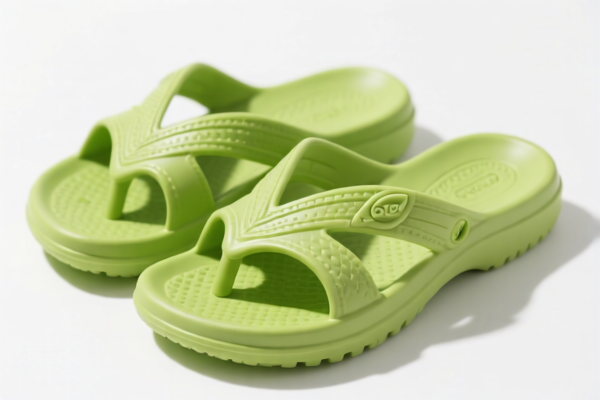
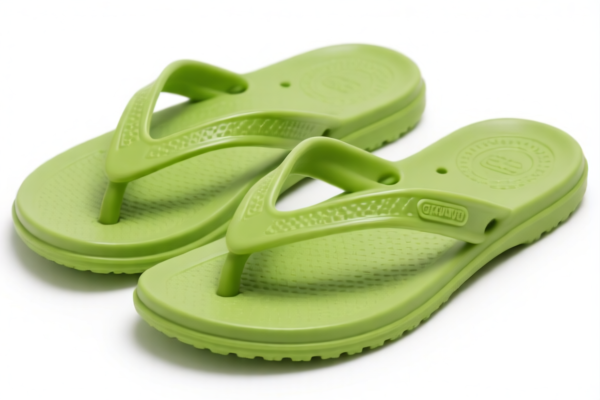
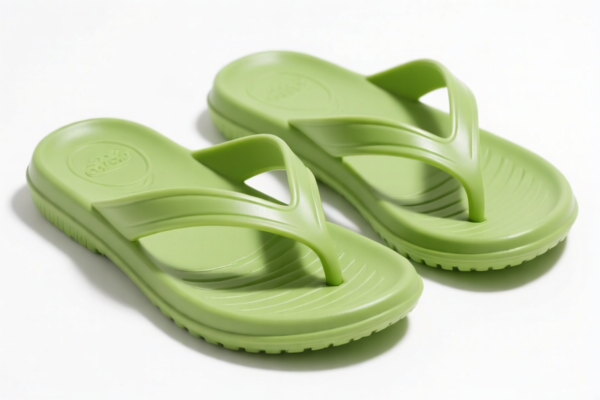
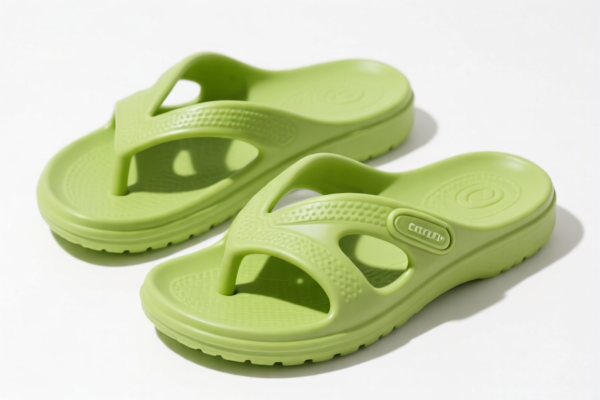
AI Analysis
🌿 Plastic Garden Chair (Plastic Outdoor Seating)
🌐 HS Code Reference & Customs Clearance Guide | 2026 Latest Tariff Analysis | Professional Clearance Strategy
📌 I. Product Definition & Classification: What Exactly Is a "Plastic Garden Chair"?
Plastic garden chairs are versatile outdoor furniture items primarily used in patios, gardens, poolsides, and commercial outdoor spaces. In international trade, they face a complex classification dilemma: Are they Plastic Articles (Chapter 39) or Furniture (Chapter 94)?
This distinction is critical because it determines whether the product falls under the "catch-all" plastic category or the specific "seating furniture" category, which has drastically different tariff implications for imports into the United States.
⚠️ Key Distinction Points:
- Chapter 39 (Plastics): Used if the chair is considered a simple plastic mold, a component, or if specific furniture classifications exclude rigid plastic outdoor seats in certain contexts. Often treated as "other plastic articles."
- Chapter 94 (Furniture): Used if the item is clearly defined as "seating furniture," regardless of material, provided it meets the legal definition of furniture (fixed structure, designed for sitting).
📦 II. HS Code Classification Details (2026 Latest Tariff Authority Comparison)
Based on the provided data, here are the four possible classifications for Plastic Garden Chairs, ranging from lower to higher tax burdens.
| HS Code | Product Description | Applicable Scenario | Total Tax Rate |
|---|---|---|---|
3926.30.50.00 |
Plastic material, garden chairs, fits furniture/fasteners category | Garden chairs made of plastic, classified under other plastic articles or specific furniture sub-headings for plastics | 22.8% |
3926.90.99.89 |
Plastic articles, catch-all category for other plastic products | Generic plastic items, chairs deemed "other plastic articles" not specifically elsewhere | 22.8% |
3924.90.56.50 |
Plastic material, household supplies category, other plastic articles | Household plastic items, sometimes used if the chair is marketed as a "household utility" rather than furniture | 20.9% |
9401.80.40.15 |
Plastic material, outdoor garden seating, fits other categories | Outdoor seats explicitly classified under furniture, but with specific "other" sub-codes | 35.0% |
9401.80.40.26 |
Plastic material & chair form, fits rubber/plastic household/outdoor seating | Plastic chairs clearly defined as seating furniture under Chapter 94 | 35.0% |
🔍 Critical Insight:
- Lowest Risk/Lower Tax:3924.90.56.50(20.9%) and3926codes (22.8%). These treat the chair as a plastic article.
- Highest Tax:9401codes (35.0%). These treat the chair as furniture.
- Why the difference? The U.S. imposes high "Section 301" additional tariffs on Chinese-origin goods. Chapter 94 (Furniture) often attracts the full 25% Section 301 tariff + IEEPA 10%, whereas some Chapter 39 items may have slightly different base rates or exclusions, though in this dataset, both carry the same additional taxes, but the base rate differs (0% for Ch94 vs 3.4-5.3% for Ch39). Wait, looking at the data:
- Ch39 Base: ~5.3% + 7.5% + 10% = 22.8%
- Ch94 Base: 0% + 25% + 10% = 35.0%
- Note: The Ch94 code has a 0% base MFN rate but a massive 25% Section 301 surcharge, resulting in a higher total. Ch39 has a higher base rate but a lower Section 301 surcharge (7.5% instead of 25%), resulting in a lower total tax.
💰 III. 2026 Latest Tariff Rate Detailed Breakdown (Including Surcharges)
✅ Applicable Country: United States (US)
✅ Origin: China (CN)
✅ Effective Date: Post-November 2025 policies
🎯 1. 3924.90.56.50 —— Household Plastic Articles (Lowest Total Tax)
| Item | Detail |
|---|---|
| Product Summary | Plastic material, household supplies category, other plastic articles |
| Base Tariff (MFN) | 3.4% |
| Section 301 Surcharge | 7.5% |
| IEEPA Surcharge | 10% |
| Total Effective Rate | 20.9% |
| Calculation | CIF Value × 20.9% |
| De Minimis Exemption | ❌ Not Eligible (Section 301/IEEPA goods usually excluded) |
| Legal Basis | USITC:3924.90.56.50 → FOOTNOTE:301 → IEEPA |
📌 Explanation:
- This classification treats the garden chair as a household plastic good rather than furniture.
- The Section 301 surcharge is only 7.5% (lower than the 25% for furniture), leading to the lowest overall tax burden.
- Ideal for mass-market, simple plastic chairs marketed as "outdoor household items."
🎯 2. 3926.30.50.00 & 3926.90.99.89 —— Plastic Articles / Furniture Components
| Item | Detail |
|---|---|
| Product Summary | Plastic material, garden chairs, other plastic articles |
| Base Tariff (MFN) | 5.3% (for 3926.30), 5.3% (for 3926.90) |
| Section 301 Surcharge | 7.5% |
| IEEPA Surcharge | 10% |
| Total Effective Rate | 22.8% |
| Calculation | CIF Value × 22.8% |
| De Minimis Exemption | ❌ Not Eligible |
| Legal Basis | USITC:3926.xxxx.xxxx → FOOTNOTE:301 → IEEPA |
📌 Explanation:
- These codes classify the chair as a plastic article or other plastic articles.
-3926.30.50.00specifically mentions "garden chairs" in the context of plastic furniture/fasteners, making it a precise fit for garden-specific plastic seating.
-3926.90.99.89is a catch-all for plastics, useful if the chair doesn't fit other plastic subcategories.
- Both are cheaper than the furniture classification due to the lower Section 301 rate.
🎯 3. 9401.80.40.15 & 9401.80.40.26 —— Seating Furniture (Highest Tax)
| Item | Detail |
|---|---|
| Product Summary | Outdoor garden seating, plastic chair form, furniture category |
| Base Tariff (MFN) | 0.0% |
| Section 301 Surcharge | 25.0% |
| IEEPA Surcharge | 10.0% |
| Total Effective Rate | 35.0% |
| Calculation | CIF Value × 35.0% |
| De Minimis Exemption | ❌ Not Eligible |
| Legal Basis | USITC:9401.80.40.xx → FOOTNOTE:301 → IEEPA |
📌 Explanation:
- These codes classify the item as Furniture (Chapter 94).
- Although the Base MFN rate is 0%, the Section 301 surcharge is 25% (standard for furniture imports from China).
- Combined with the 10% IEEPA tariff, the total hits 35%, which is ~12-14% higher than plastic-based classifications.
- Risk: Customs may challenge a "Plastic" classification if the item is clearly marketed as furniture. However, strategic classification under Chapter 39 can save significant costs if the product description supports it.
🛠️ IV. Customs Clearance Practical Advice (Avoid Pitfalls)
✅ 1. Document Checklist (Non-Negotiable)
| Document | Required? | Notes |
|---|---|---|
| ✅ Product Specification Sheet | ✔️ | Must detail material (100% Plastic? Recycled?), dimensions, weight. |
| ✅ Product Photos | ✔️ | Show the chair as a standalone item. Avoid background furniture that implies "living room" use. |
| ✅ Commercial Invoice | ✔️ | Crucial: Use terminology like "Plastic Outdoor Seat," "Garden Plastic Mold," or "Household Plastic Item" to support Chapter 39 classification. Avoid "Furniture" if possible. |
| ✅ Material Declaration | ✔️ | Specify if it's PP, PE, or PVC. This supports the "Plastic Article" argument. |
| ✅ Packaging Details | ✔️ | Show if items are shipped unpacked/stacked (supports industrial/plastic good view). |
✅ 2. Classification Strategy (The "Plastic vs. Furniture" Battle)
🔥 Golden Rule: "Describe the Material, Not the Function, When Possible!"
| Scenario | Recommended HS Code | Strategy |
|---|---|---|
| Simple, stackable plastic chair | 3924.90.56.50 (20.9%) or 3926.30.50.00 (22.8%) |
Emphasize "Plastic Mold," "Garden Accessory," or "Household Plastic Item." Avoid the word "Furniture" in the description. |
| Complex, upholstered, or metal-plastic hybrid | 9401.80.40.xx (35.0%) |
If it has cushions, metal frames, or is marketed as patio furniture, customs will likely insist on Chapter 94. |
| OEM/White Label Products | 3926.90.99.89 (22.8%) |
Use the catch-all plastic category if it doesn't fit other plastic subcodes. |
📌 Note on
3924.90.56.50: This is the best-case scenario (20.9%). To use it, you must argue that the chair is a "Household Plastic Article" rather than "Furniture." This is a common and often successful strategy for simple plastic garden chairs.
✅ 3. Special Cases
| Situation | Advice |
|---|---|
| Importing for Resale as "Patio Furniture" | High risk of reclassification to 9401. Consider labeling as "Plastic Garden Seats" or "Outdoor Plastic Components." |
| Bulk Shipping (Unassembled) | Emphasize the "Plastic Part" nature. Ship as "Plastic Molded Components" if possible. |
| Small Parcels (De Minimis) | While Section 301/IEEPA usually block de minimis, check if the specific HS code has any recent exemptions. Currently, no exemption for these codes. |
🌍 V. Market Comparison (2026 Overview)
| Market | Recommended HS Code | Est. Total Tax | Key Requirement |
|---|---|---|---|
| 🇺🇸 USA | 3924.90.56.50 |
20.9% | Avoid "Furniture" terminology; use "Plastic Household Item" |
| 🇨🇳 China | 3924.90.56.50 |
~5-10% | Standard plastic articles |
| 🇪🇺 EU | 3926.90.99 |
~6-9% | CE Marking required for certain plastics |
| 🇬🇧 UK | 3926.90.99 |
~6-9% | Post-Brexit UKCA marking may apply |
📌 Conclusion for USA:
The 20.9% rate via3924.90.56.50is significantly better than the 35.0% furniture rate.
Strategy: Market and declare your product as a "Plastic Household/Garden Item" rather than "Furniture" to leverage the lower Chapter 39 tariffs.
📌 VI. Common Mistakes & Pitfalls (Lessons Learned)
❌ Mistake 1: Using "Patio Furniture" in the commercial invoice and product title.
👉 Result: Customs forces classification under 9401 → 35% Tax instead of 20.9%.
❌ Mistake 2: Ignoring the Section 301 and IEEPA surcharges.
👉 Result: Unexpected high duties at border, leading to storage fees and delays.
❌ Mistake 3: Claiming "De Minimis" exemption for plastic chairs from China.
👉 Result: Rejection, as most Section 301/IEEPA goods are excluded from de minimis.
❌ Mistake 4: Using vague descriptions like "Garden Item."
👉 Result: Customs request for additional info, delaying clearance.
👉 Fix: Use precise terms: "100% Polypropylene Plastic Garden Seat, Stackable, for Outdoor Use."
✅ Correct Approach:
"Plastic Outdoor Garden Seat, Model XYZ, 100% PP Material, Non-Upholstered, Stackable. For use in patios and gardens."
Do not use the word "Furniture" in the description.
🎯 VII. Conclusion: Optimize Costs with Smart Classification
🎯 Key Takeaway:
🔹 Plastic = 20.9% - 22.8%
🔹 Furniture = 35.0%
🔹 Savings = 12-14% on the CIF value!
📌 Action Plan:
1. Review Product Descriptions: Remove "Furniture," "Chair" (if possible, use "Seat" or "Stool" if legally accurate), and "Living Room/Garden Set."
2. Use HS Code 3924.90.56.50 if the chair is purely plastic and household/outdoor utility.
3. Consult a Customs Broker: Get a Pre-Ruling or Advice Letter for your specific product design to ensure the Chapter 39 classification holds up during audit.
📣 Immediate Action Required:
📞 Contact your freight forwarder: "Please classify my plastic garden chairs under 3924.90.56.50 or 3926.30.50.00, not 9401."
🚀 Profit Protection: Every dollar saved on tariff is pure profit. Don't leave 14% on the table!
✨ Smart Classification, Smarter Profits!
💼 Your Supply Chain, Optimized for 2026 Tariffs.
Customer Reviews
About HS Code Classification
The Harmonized System (HS) is an internationally standardized nomenclature developed by the World Customs Organization (WCO) to classify traded products. Over 200 countries use the HS system as the basis for customs tariffs, trade statistics, and import/export regulations.
Each HS code follows a hierarchical structure:
- Chapter (2 digits) — Broad category of goods (e.g., Chapter 84: Machinery and Mechanical Appliances)
- Heading (4 digits) — More specific grouping within the chapter
- Subheading (6 digits) — Internationally standardized breakdown, used by all WCO member countries
- National subdivisions (8-10 digits) — Country-specific extensions for further classification, such as US HTSUS 10-digit codes
Correct HS code classification is essential for smooth customs clearance, accurate duty payment, and compliance with trade regulations. Misclassification can lead to customs delays, overpayment of duties, or penalties.
When importing from CN to US, the applicable tariff rates may include:
- Most-Favored-Nation (MFN) rate — The standard duty rate applied to WTO members
- General rate — Applied to countries without trade agreements
- Trade remedy duties — Additional tariffs such as Section 301 (anti-dumping), Section 232 (national security), or countervailing duties
The information provided on this page is for reference purposes only. For official classification, please consult with your local customs authority or a licensed customs broker.