Plastic Hand Sanitizer Containers
CN → US| HS Code | Tariff Rate | Origin | Destination | Doc |
|---|---|---|---|---|
| 3924104000 | 13.4% | CN | US | Official Doc |
| 3924905650 | 20.9% | CN | US | Official Doc |
| 7010903020 | 40.2% | CN | US | Official Doc |
| 3926909989 | 22.8% | CN | US | Official Doc |
| 7010903010 | 40.2% | CN | US | Official Doc |
Product Images
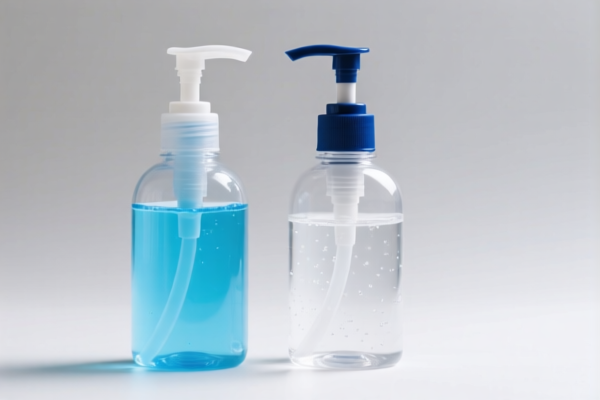
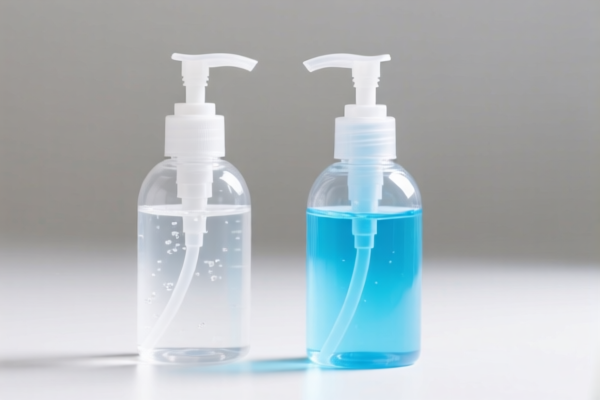
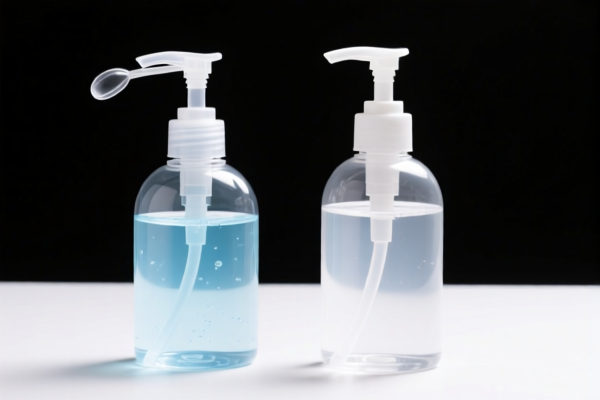
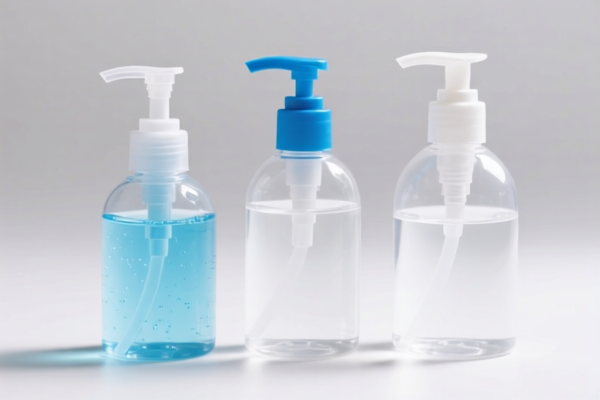
AI Analysis
🧴 Plastic Hand Sanitizer Containers (Plastic Liquid Soap/Disinfectant Dispensers)
🌐 HS Code Reference & Customs Clearance Guide | 2026 Latest Tariff Analysis | Strategic Clearance Strategy
📌 I. Product Definition & Classification: Do You Really Understand "Plastic Hand Sanitizer Containers"?
Plastic hand sanitizer containers, in international trade, are primarily classified based on their function (dispenser vs. simple bottle) and material (plastic vs. glass). The distinction is critical because "dispensers" (with pumping mechanisms or integrated housings) fall under different headings than simple "bottles" (packaging containers).
⚠️ Key Distinction Points:
- If the item is a dispenser unit (with a pump, cap, or housing designed to dispense liquid) → Typically falls under Chapter 39 (Articles of Plastics) or Chapter 70 (Glass), depending on primary material and design. - If the item is a simple bottle (container for packing liquid, no dispensing mechanism) → Often falls under Chapter 70 (Glass) or Chapter 39 (Plastic), but specifically as containers. - Material Matters: Plastic items generally go to HS 39xx; Glass items go to HS 70xx. Mixed materials are classified by the component giving the article its essential character.
📦 II. HS Code Classification Details (2026 Latest Tariff Authority Comparison)
Based on the provided data, here are the four potential classifications for Plastic Hand Sanitizer Containers:
| HS Code | Product Description | Application Scenario | Key Characteristics |
|---|---|---|---|
3924.10.40.00 |
Plastic tableware or kitchenware, hygiene or toilet articles | Hygiene/Toilet Use: Hand sanitizer dispensers classified as sanitary/household items. | ✅ Lowest Tariff: Only 13.4% (No Section 301/122 Add-ons) |
3924.90.56.50 |
Other plastic articles for household or toilet use | Other Household Use: Plastic dispensers not specifically listed in 3924.10. | ⚠️ Medium-High Tariff: 20.9% (Includes 7.5% Section 301 + 10% 122) |
3926.90.99.89 |
Other plastic articles (General Plastic Products) | General Plastic: Simple plastic bottles/dispensers classified as general plastic goods. | ⚠️ High Tariff: 22.8% (Includes 7.5% Section 301 + 10% 122) |
7010.90.30.10 |
Glass or plastic bottles, for packaging liquids | Packaging Containers: If classified as "containers for packaging" rather than "dispensers". | 🔴 Highest Tariff: 40.2% (Includes 25% Section 301 + 10% 122) |
7010.90.30.20 |
Glass or plastic bottles, for cosmetics/hygiene packaging | Cosmetic Packaging: Specialized packaging for cosmetics/hygiene products. | 🔴 Highest Tariff: 40.2% (Includes 25% Section 301 + 10% 122) |
🔍 Critical Reminder:
- Do NOT misclassify a Dispenser as a "Packaging Container" (7010.90). If the item is sold as a usable product (e.g., a pump dispenser for wall mounting), it is NOT a packaging container. It is a household/sanitary article. - Misclassification as7010.90.30.xxcan lead to a 27% tariff increase (from ~13-22% to 40.2%). - Plastic items should generally avoid Chapter 70 unless they are primarily glass with plastic parts (and glass gives essential character).
💰 III. 2026 Latest Tariff Rate Breakdown (Including Additional Duties & Policy Add-ons)
✅ Applicable Country: United States (US)
✅ Origin: China (CN)
✅ Effective Time: 2025/2026 (Current Trade Policy)
🎯 1. 3924.10.40.00 —— Plastic Sanitary/Toilet Articles (Dispensers)
| Item | Content |
|---|---|
| Base Rate | 3.4% |
| Section 301 Additional Duty | 0.0% (Exempt or not applicable for this specific subheading) |
| Section 122 Duty | 10.0% |
| Total Rate | 13.4% |
| Tax Calculation | CIF Value × 13.4% |
| De Minimis Eligibility | ❌ No (if over $800, but standard clearance applies) |
| Legal Basis | HTSUS 3924.10 → IEEPA 122 Clause |
📌 Explanation:
- This is the most favorable classification for plastic hand sanitizer dispensers. - It is classified under "Tableware, kitchenware, other household articles, and hygienic or toilet articles." - Crucially, it does NOT incur the 25% Section 301 tariff (often applied to other plastic articles). - Only the 10% Section 122 tariff applies.
🎯 2. 3924.90.56.50 —— Other Plastic Household/Toilet Articles
| Item | Content |
|---|---|
| Base Rate | 3.4% |
| Section 301 Additional Duty | +7.5% |
| Section 122 Duty | +10.0% |
| Total Rate | 20.9% |
| Tax Calculation | CIF Value × 20.9% |
| De Minimis Eligibility | ❌ No |
| Legal Basis | HTSUS 3924.90 → Section 301 → IEEPA 122 |
📌 Explanation:
- Used if the dispenser is considered "other" (not specifically a toilet/hygiene article under 3924.10). - Attracts both Section 301 (7.5%) and Section 122 (10%).
🎯 3. 3926.90.99.89 —— Other Plastic Articles (General)
| Item | Content |
|---|---|
| Base Rate | 5.3% |
| Section 301 Additional Duty | +7.5% |
| Section 122 Duty | +10.0% |
| Total Rate | 22.8% |
| Tax Calculation | CIF Value × 22.8% |
| De Minimis Eligibility | ❌ No |
| Legal Basis | HTSUS 3926.90 → Section 301 → IEEPA 122 |
📌 Explanation:
- This is the "catch-all" for plastic articles not elsewhere specified. - Higher base rate (5.3%) and same additional duties as above.
🎯 4. 7010.90.30.10 / 7010.90.30.20 —— Containers (Glass/Plastic for Packaging)
| Item | Content |
|---|---|
| Base Rate | 5.2% |
| Section 301 Additional Duty | +25.0% |
| Section 122 Duty | +10.0% |
| Total Rate | 40.2% |
| Tax Calculation | CIF Value × 40.2% |
| De Minimis Eligibility | ❌ No |
| Legal Basis | HTSUS 7010.90 → Section 301 → IEEPA 122 |
📌 Explanation:
- AVOID THIS IF POSSIBLE. These rates apply if the item is classified as a packaging container rather than a dispensing product. - The 25% Section 301 duty is the main driver of this high cost. - Only applicable if the item is strictly a bottle/jar without dispensing functionality, OR if customs mistakenly classifies a dispenser as a container.
🛠️ IV. Customs Clearance Practical Advice (Battle-Tested Pitfall Guide)
✅ 1. Preparation Checklist (Essential Documents)
| Document | Required? | Notes |
|---|---|---|
| ✅ Product Specifications | ✔️ | Must clearly state: "Plastic Hand Sanitizer Dispenser," "Includes Pump," "For Wall/Freestanding Use." |
| ✅ Product Photos | ✔️ | Show the pump mechanism, housing, and any branding. Prove it is NOT a simple bottle. |
| ✅ Bill of Materials (BOM) | ✔️ | Confirm material is primarily plastic (to avoid Chapter 70). |
| ✅ Commercial Invoice | ✔️ | Use precise description: "Plastic Hygiene Dispenser" (NOT "Plastic Bottle"). |
| ✅ Packing List | ✔️ | Separate line items if dispensers and caps are packed separately. |
✅ 2. Declaration Tips (Key Mnemonic)
🔥 "Function Rules, Material Follows, Avoid 'Bottle' if it Pumps!"
| Scenario | Correct Declaration | Wrong Declaration |
|---|---|---|
| Plastic dispenser with pump | 3924.10.40.00 |
"Plastic Bottle" → 7010.90 (40.2%) |
| Plastic pump head + plastic bottle | 3924.10.40.00 (as a set) |
Declare as two items |
| Glass bottle with plastic lid | 7010.90.30.xx (Glass dominant) |
"Plastic Dispenser" → Penalty |
| Simple plastic jar (no pump) | 7010.90.30.xx (if packaging) OR 3926 |
"Dispenser" → Rejection |
📌 Critical Insight:
- If the product is a dispenser (used to apply product), it is NOT a "container for packaging." It is a household/sanitary article. - Using terms like "Packaging," "Container," or "Bottle" in the description can trigger classification under7010or3926, increasing tariffs significantly.
✅ 3. Special Situations
| Situation | Recommendation |
|---|---|
| OEM Custom Dispensers | Provide design files showing the pump mechanism. Emphasize "Hygiene Article." |
| Mixed Materials (Plastic + Metal Pump) | If plastic gives essential character → 3924. If metal dominates → 8306 or 7323 (check separately). |
| Glass Dispensers | If primarily glass, use 7010.90 (but high tariff). Consider if plastic housing makes it 3924. |
| Empty vs. Filled | Empty dispensers are still classified as dispensers, not "contents." |
🌍 V. Global Market Clearance Comparison (2026 Latest)
| Country/Region | Recommended HS Code | Tariff Rate (China Origin) | Certification Required | Notes |
|---|---|---|---|---|
| 🇺🇸 USA | 3924.10.40.00 |
13.4% | FDA (if contact with food/medical), EPA (if claims disinfectant) | Lowest US Tariff. Avoid 7010 (40.2%). |
| 🇨🇳 China | 3924.10.40.00 |
3.4% | CCC (if applicable) | No additional duties. |
| 🇪🇺 EU | 3924.10 |
4.2% | CE, REACH | No Section 301/122. |
| 🇬🇧 UK | 3924.10 |
4.2% | UKCA | Post-Brexit rules apply. |
| 🇦🇺 Australia | 3924.10 |
5.0% | ACCC | No major add-ons. |
📌 Conclusion:
- The USA is the most complex market due to Section 301 and 122 tariffs. - Correct Classification (3924.10.40.00) saves you 27% in duties compared to misclassification as packaging (7010).
📌 VI. Common Errors & Pitfall Guide (Lessons Learned)
❌ Error 1: Calling the product "Plastic Bottle" or "Packaging Container"
👉 Consequence: Customs may classify it under 7010.90.30.xx → 40.2% Tariff instead of 13.4%.
✅ Fix: Use "Dispenser," "Pump Bottle," "Sanitary Article."
❌ Error 2: Misidentifying Material
👉 Consequence: If it's 50% plastic, 50% glass, and classified as glass → Higher tariff.
✅ Fix: Determine "Essential Character." For dispensers, plastic housing usually dominates.
❌ Error 3: Ignoring Section 122 Duty
👉 Consequence: Underestimating total cost by 10%.
✅ Fix: Always include 122 duty in cost calculations for US imports.
🎯 VII. Conclusion: Professional Declaration, Save Costs!
🎯 Remember the Mantra:
🔹 "Dispenser = Sanitary Article (3924) = 13.4% Tax"
🔹 "Bottle = Packaging (7010) = 40.2% Tax"
🔹 "Don't Call it a Bottle if it Pumps!"
📌 Pro Tip:
If your plastic sanitizer dispenser is not made in China, you may be eligible for 0% Section 301/122 tariffs. Check your country of origin carefully.
📣 Immediate Action:
📞 Consult a licensed customs broker
📸 Provide high-res photos showing the pump mechanism
📝 Use the description: "Plastic Hygiene Dispenser with Pump"
✨ Professional Clearance Starts with Accurate Classification!
💼 Every percentage point in tariff is money in your pocket!
Customer Reviews
About HS Code Classification
The Harmonized System (HS) is an internationally standardized nomenclature developed by the World Customs Organization (WCO) to classify traded products. Over 200 countries use the HS system as the basis for customs tariffs, trade statistics, and import/export regulations.
Each HS code follows a hierarchical structure:
- Chapter (2 digits) — Broad category of goods (e.g., Chapter 84: Machinery and Mechanical Appliances)
- Heading (4 digits) — More specific grouping within the chapter
- Subheading (6 digits) — Internationally standardized breakdown, used by all WCO member countries
- National subdivisions (8-10 digits) — Country-specific extensions for further classification, such as US HTSUS 10-digit codes
Correct HS code classification is essential for smooth customs clearance, accurate duty payment, and compliance with trade regulations. Misclassification can lead to customs delays, overpayment of duties, or penalties.
When importing from CN to US, the applicable tariff rates may include:
- Most-Favored-Nation (MFN) rate — The standard duty rate applied to WTO members
- General rate — Applied to countries without trade agreements
- Trade remedy duties — Additional tariffs such as Section 301 (anti-dumping), Section 232 (national security), or countervailing duties
The information provided on this page is for reference purposes only. For official classification, please consult with your local customs authority or a licensed customs broker.