Plastic Handheld Wallet
CN → US| HS Code | Tariff Rate | Origin | Destination | Doc |
|---|---|---|---|---|
| 3923109000 | 38.0% | CN | US | Official Doc |
| 4202322000 | 55.0% | CN | US | Official Doc |
| 4202321000 | 0.0% | CN | US | Official Doc |
| 3923900080 | 38.0% | CN | US | Official Doc |
Product Images
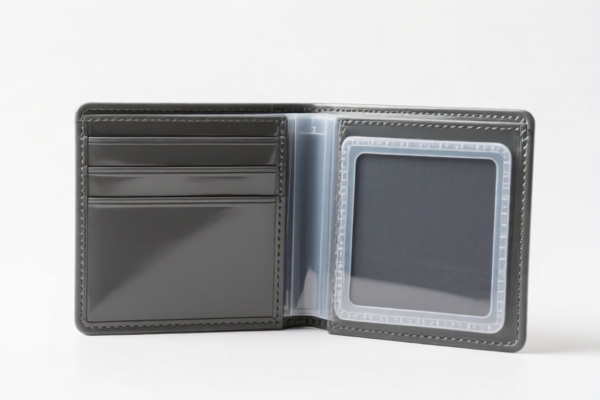
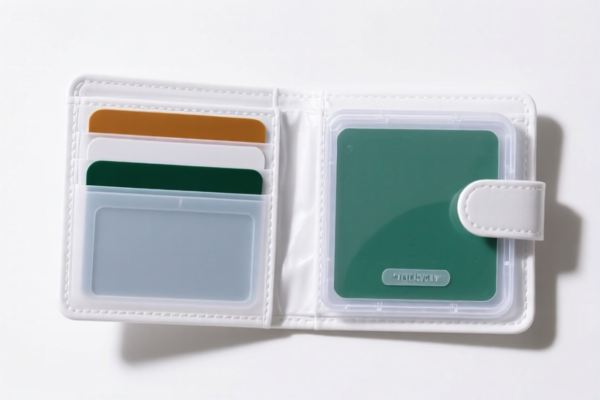
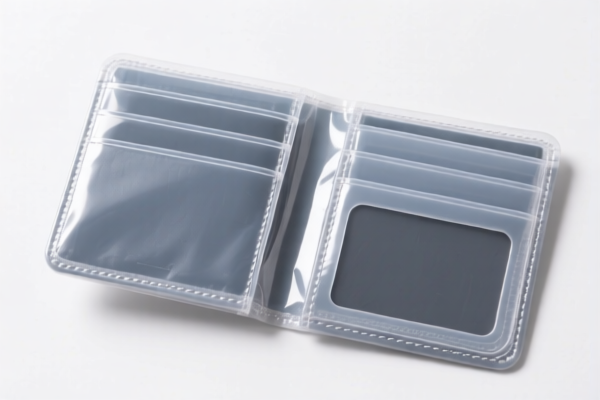
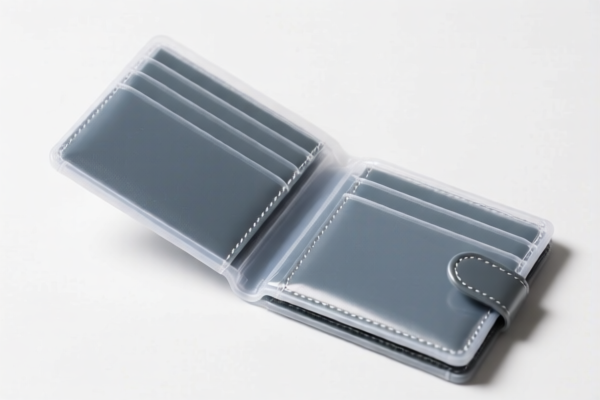
AI Analysis
👛 Plastic Handheld Wallet (Plastic Wallets for Pocket/Handheld Use)
🌐 HS Code Reference & Customs Clearance Guide | 2026 Latest Tariff Analysis | Professional Clearance Strategy
📌 I. Product Definition & Classification: Do You Really Know "Plastic Wallets"?
Plastic handheld wallets are versatile personal accessories used for carrying currency, cards, or small items in pockets or handbags. In international trade, classification depends heavily on material composition, manufacturing process (e.g., laminated vs. solid plastic), and specific design features.
Key Distinctions: - Plastic Packaging/General Purpose: Generic plastic cases or wrappers not specifically designed as "wallets" but used for carrying items → Often falls under Chapter 39 (Plastics and Articles Thereof). - Leather-Plastic Composite/Specific Wallet Design: Wallets with outer surfaces made of plastic sheets, specifically shaped for pockets/handbags → Often falls under Chapter 42 (Articles of Leather; Saddle Harness & Travel Goods).
⚠️ Critical Classification Point:
- If the wallet is primarily a laminated plastic sheet or reinforced plastic structure → It may qualify for Chapter 42 (Travel Goods), which often has different tax implications.
- If it is a generic plastic container or pouch without specific "wallet" structural definition → It may fall under Chapter 39 (Miscellaneous Plastic Articles).
- Misclassification Risk: Declaring a structured plastic wallet as a generic "plastic package" can lead to underpayment of duties if the correct rate for "travel goods" is higher.
📦 II. HS Code Classification Details (2026 Latest Tariff Authority Comparison)
| HS Code | Product Description | Applicable Scenario | Material/Structure Key |
|---|---|---|---|
3923.10.90.00 |
Plastic wallets/materials, classified under "other" categories for packaging or carrying items. | Generic plastic pouches, non-structured plastic carriers. | Generic plastic packaging/carrying item. |
4202.32.20.00 |
Plastic wallets, outer surface made of plastic sheets, designed for pocket or handbag carrying. | Standard plastic wallets with defined shape. | Outer surface: Plastic sheet. |
4202.32.10.00 |
Plastic wallets, made of reinforced or laminated plastic, meeting the definition for personal carry. | High-end, durable, laminated plastic wallets. | Material: Reinforced/Laminated Plastic. |
3923.90.00.80 |
Plastic wallets, falling under the "other" residual category for packaging/carrying with no conflict. | Fallback category for ambiguous plastic carrying items. | Residual/Other plastic item. |
🔍 Key Reminder:
- Chapter 42 items (4202.32.xx) are generally considered "Travel Goods" and may have higher base duties but are more specific for wallets.
- Chapter 39 items (3923.xx) are considered "Miscellaneous Plastic Articles" and are often broader.
- Reinforced/Laminated vs. Plain Plastic Sheet is the main differentiator between4202.32.10.00and4202.32.20.00.
💰 III. 2026 Latest Tariff Rate Breakdown (Including Surtaxes & Policy Add-ons)
✅ Applicable Country: United States (US)
✅ Origin: China (CN)
✅ Effective Time: Current rates apply including Section 301 and Section 232/122 measures.
🎯 1. 3923.10.90.00 & 3923.90.00.80 —— Plastic Packaging/Carrying Items (Chapter 39)
| Item | Content |
|---|---|
| Base Tariff | 3.0% (ad valorem) |
| Section 301 Surtax | +25% (from USITC Footnote 9903.88.01) |
| Section 122 Surtax | +10% (Additional import duty for specific materials/goods) |
| Total Effective Rate | 38.0% |
| Tax Calculation | CIF Value × 38% |
| De Minimis Eligibility | ❌ Not Eligible (Subject to full duty assessment) |
| Legal Basis Path | USITC:3923.10.90.00 / 3923.90.00.80 → Section 301: 25% → Section 122: 10% |
📌 Explanation:
- The 3.0% base rate is standard for miscellaneous plastic articles.
- The 25% is the standard Section 301 tariff for most Chinese goods.
- The 10% is an additional surcharge (Section 122) often applied to specific plastic-related imports.
- Total: 38%. This is a high-cost category for plain plastic carriers.
🎯 2. 4202.32.20.00 —— Plastic Wallets (Outer Surface: Plastic Sheet)
| Item | Content |
|---|---|
| Base Tariff | 20.0% (ad valorem) |
| Section 301 Surtax | +25% |
| Section 122 Surtax | +10% |
| Total Effective Rate | 55.0% |
| Tax Calculation | CIF Value × 55% |
| De Minimis Eligibility | ❌ Not Eligible |
| Legal Basis Path | USITC:4202.32.20.00 → Section 301: 25% → Section 122: 10% |
📌 Warning:
- The base rate of 20% is significantly higher than Chapter 39 items.
- Even with the same surcharges, the total 55% makes this one of the most expensive classifications for wallets.
- Ensure your product description matches "plastic sheet outer surface" exactly to avoid being downgraded to a higher-risk classification or flagged for misdeclaration.
🎯 3. 4202.32.10.00 —— Reinforced/Laminated Plastic Wallets
| Item | Content |
|---|---|
| Base Tariff | 12.1¢/kg + 4.6% (Compound Rate) |
| Section 301 Surtax | +25% |
| Section 122 Surtax | +10% |
| Total Effective Rate | 12.1¢/kg + 4.6% + 35.0% (Surtaxes apply to ad valorem portion) |
| Tax Calculation | (Weight × 12.1¢) + (CIF Value × 4.6%) + (CIF Value × 35%) |
| De Minimis Eligibility | ❌ Not Eligible |
| Legal Basis Path | USITC:4202.32.10.00 → Section 301: 25% → Section 122: 10% |
📌 Note:
- This is a compound tariff (specific + ad valorem).
- The base ad valorem rate is low (4.6%), which might seem attractive, but the specific duty (12.1¢/kg) adds cost based on weight.
- Total surtax is 35% (25% + 10%).
- Best for heavy, dense laminated wallets where the specific duty is manageable, but risky for lightweight items due to the per-kg charge.
- Comparison: If the wallet is light,3923(38% flat) might be cheaper than4202.32.10(low % + high specific). If heavy,4202.32.10might be competitive.
🛠️ IV. Customs Clearance Practical Advice (Operational Pitfall Guide)
✅ 1. Required Documentation Checklist (Missing Items = Delays)
| Document | Must Provide | Description |
|---|---|---|
| ✅ Product Specification Sheet | ✔️ | Material composition (PVC, PE, Laminated, etc.), dimensions, weight. |
| ✅ Photos of Product & Packaging | ✔️ | Clear images showing the wallet structure, labels, and any "pocket/carried" features. |
| ✅ Commercial Invoice | ✔️ | Must clearly state: "Plastic Wallet," material type, and HS Code. |
| ✅ Packing List | ✔️ | Detailed weight (Gross/Net) for compound tariff calculation (4202.32.10.00). |
| ✅ Declaration of Origin | ✔️ | If applicable for preferential treatment (rare for China-US currently). |
✅ 2. Declaration Tips (Key Mnemonics)
🔥 "Material Defines Code, Lamination Changes Rate, Don't Guess, Verify!"
| Scenario | Correct Declaration | Wrong Approach |
|---|---|---|
| Plain Plastic Pouch/Wallet | 3923.10.90.00 or 3923.90.00.80 |
Declaring as "Travel Good" → 55% |
| Standard Plastic Wallet (Sheet) | 4202.32.20.00 |
Declaring as "Plastic Article" → 38% |
| Laminated/Reinforced Wallet | 4202.32.10.00 |
Declaring as "Sheet" → Misses specific duty nuances |
| Mixed Material (e.g., Plastic + Fabric) | Consult Expert | Self-declare as pure plastic → Misclassification risk |
✅ 3. Special Circumstances Handling
| Situation | Handling Advice |
|---|---|
| Low-Value Shipments (De Minimis) | ❌ None qualify. All these HS Codes are subject to full duties. Do not rely on $800 de minimis exemption. |
| Sample Gifts | Still taxable. Ensure invoice value reflects actual transaction value or fair market value. |
| OEM Private Label | Provide brand authorization letters if required, but tariff classification remains based on product nature. |
| Weight Discrepancy | For 4202.32.10.00, precise weight declaration is critical. Errors lead to underpayment penalties. |
🌍 V. Global Market Comparison (2026 Latest)
| Country/Region | Recommended HS Code | Estimated Duty (China Origin) | Notes |
|---|---|---|---|
| 🇺🇸 USA | 3923 / 4202.32 |
38% - 55% | High surtaxes (301+122) apply. |
| 🇨🇳 China | 3923 / 4202 |
5% - 10% | Lower base rates, no Section 301. |
| 🇪🇺 EU | 3923 / 4202 |
4% - 6% | Standard MFN rates, no major surtaxes. |
| 🇬🇧 UK | 3923 / 4202 |
4% - 6% | Post-Brexit tariffs similar to EU. |
📌 Conclusion:
- USA is the most expensive market due to Section 301 and Section 122 surtaxes.
- EU/UK/China have significantly lower barriers.
- For US imports, cost calculation must include the full 35-55% effective rate.
📌 VI. Common Errors & Pitfalls (Blood & Tears Lessons)
❌ Error 1: Declaring a structured plastic wallet as "Plastic Packaging" (3923) when it clearly fits "Travel Goods" (4202).
👉 Consequence: Underpayment of duty (38% vs 55%) → Back taxes + Penalties.
❌ Error 2: Ignoring the specific duty in 4202.32.10.00.
👉 Consequence: Under-declaring weight → Audit failure & fines.
❌ Error 3: Assuming De Minimis applies.
👉 Consequence: Goods seized or held at port → Demurrage charges.
❌ Error 4: Incorrectly describing material (e.g., calling laminated plastic "plain sheet").
👉 Consequence: Wrong HS Code → Compliance risk.
✅ Correct Practice:
"Plastic Wallet, Reinforced Laminated Plastic, Pocket Carry, Weight: 0.05kg, Model XYZ"
🎯 VII. Conclusion: Precision Classification Saves Money!
🎯 Remember the Mantra:
🔹 "Plastic Sheet = 4202.32.20 (55%)! Laminated = 4202.32.10 (Compound)! Generic = 3923 (38%)!"
🔹 "No De Minimis for Wallets! Full Duty Applies!"
🔹 "Weight Matters for Laminated Types!"
📌 Pro Tip:
If your wallet is lightweight and laminated, compare 4202.32.10.00 vs 3923.10.90.00 mathematically.
For standard plastic wallets, 3923 (38%) is often cheaper than 4202.32.20 (55%) if the product can legally be classified as a generic plastic article.
Always seek a Customs Broker's opinion for borderline cases.
📣 Immediate Action:
📞 Contact a Licensed Customs Broker + Provide Product Photos + Verify HS Code
🚀 Prevent Delays, Avoid Penalties, and Protect Your Margins!
✨ Professional Clearance Starts with Accurate Classification!
💼 Every Percent Counts in Tariff Management!
Customer Reviews
About HS Code Classification
The Harmonized System (HS) is an internationally standardized nomenclature developed by the World Customs Organization (WCO) to classify traded products. Over 200 countries use the HS system as the basis for customs tariffs, trade statistics, and import/export regulations.
Each HS code follows a hierarchical structure:
- Chapter (2 digits) — Broad category of goods (e.g., Chapter 84: Machinery and Mechanical Appliances)
- Heading (4 digits) — More specific grouping within the chapter
- Subheading (6 digits) — Internationally standardized breakdown, used by all WCO member countries
- National subdivisions (8-10 digits) — Country-specific extensions for further classification, such as US HTSUS 10-digit codes
Correct HS code classification is essential for smooth customs clearance, accurate duty payment, and compliance with trade regulations. Misclassification can lead to customs delays, overpayment of duties, or penalties.
When importing from CN to US, the applicable tariff rates may include:
- Most-Favored-Nation (MFN) rate — The standard duty rate applied to WTO members
- General rate — Applied to countries without trade agreements
- Trade remedy duties — Additional tariffs such as Section 301 (anti-dumping), Section 232 (national security), or countervailing duties
The information provided on this page is for reference purposes only. For official classification, please consult with your local customs authority or a licensed customs broker.