Plastic Hook and Loop Fastener
CN → US| HS Code | Tariff Rate | Origin | Destination | Doc |
|---|---|---|---|---|
| 3917400080 | 40.3% | CN | US | Official Doc |
| 3917400095 | 40.3% | CN | US | Official Doc |
| 3926908500 | 24.0% | CN | US | Official Doc |
| 3926909989 | 22.8% | CN | US | Official Doc |
| 3926908500 | 24.0% | CN | US | Official Doc |
Product Images
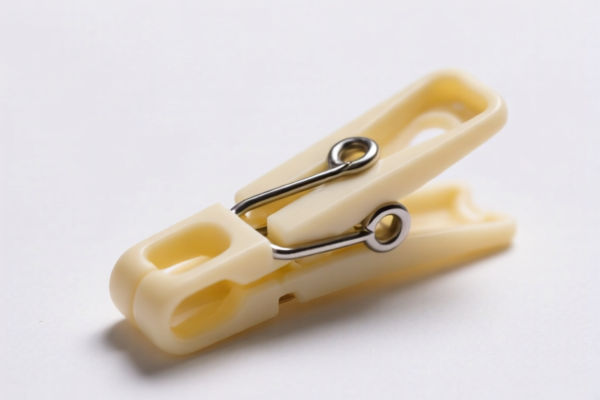
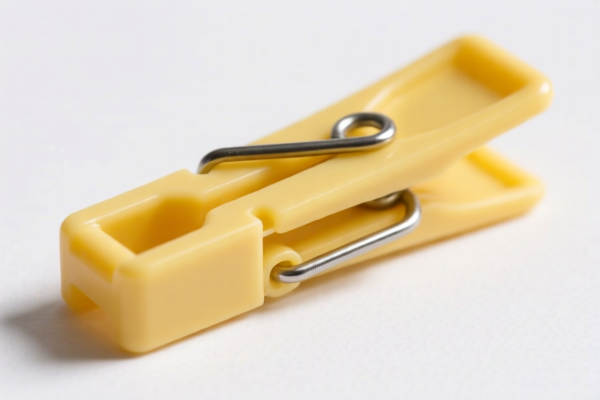
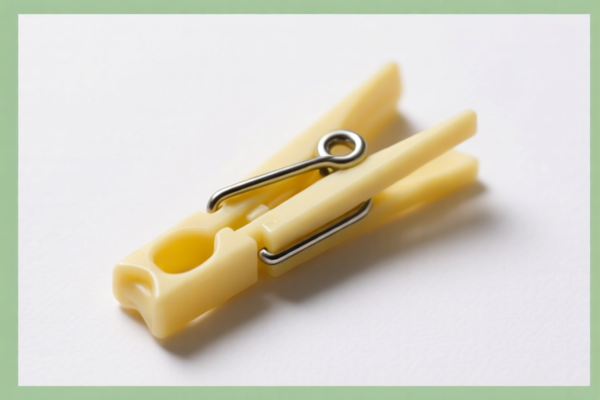
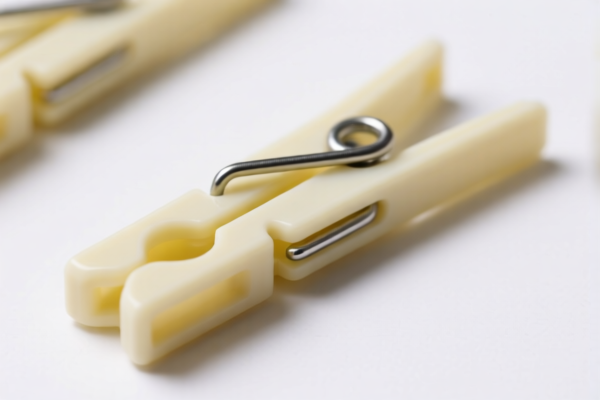
AI Analysis
🪝 Plastic Hook and Loop Fasteners (Velcro-style Plastic Closures)
🌐 HS Code Reference & Customs Clearance Guide | 2026 Latest Tariff Analysis | Professional Clearance Strategy
📌 1. Product Definition & Classification: What Are "Plastic Hook and Loop Fasteners"?
Plastic Hook and Loop Fasteners (often referred to generically as Velcro) are closures consisting of two strips: one with hooks (usually stiff plastic) and one with loops (soft fibers). In the context of international trade and US Customs and Border Protection (CBP) data provided:
Key Distinction: * Plastic Fasteners (3917/3926): If the fastener is used as a pipe fitting or a specific accessory for plumbing/hydraulic systems, it falls under Chapter 39.17 or 39.26. * Material: The primary material is plastic (polyethylene, nylon, etc.). * Form: They are not simple textiles (which would be Chapter 59 or 63) but engineered plastic components.
⚠️ Critical Differentiation Point:
- If the item is a pipe clamp or pipe fitting made of plastic → HS 3917.40.xxxx
- If the item is a general plastic accessory or clip-style fastener not specifically for pipes → HS 3926.90.xxxx
📦 2. HS Code Classification Details (Based on Provided Data)
| HS Code | Product Description | Application Scenario | Key Characteristic |
|---|---|---|---|
| 3917.40.00.80 | Plastic fasteners, plastic material, form: Pipe fittings | Pipe clamps, hose connectors with plastic hooks/loops | 🛠️ Specific to piping systems |
| 3917.40.00.95 | Plastic fasteners, plastic material, form: Accessories | General plastic accessories, non-standard pipe parts | 📎 General plastic accessories |
| 3926.90.85.00 | Plastic products, plastic material, use: Clip-style fasteners | Industrial clips, general plastic hook-and-loop ties | 📌 Clip/Binding use |
| 3926.90.99.89 | Plastic products, plastic material, form: Other articles | General plastic fasteners not classified elsewhere | 📦 Catch-all plastic articles |
🔍 Important Note:
- Do NOT classify as Textile Fasteners (e.g., 5907 or 5806) if the dominant material is plastic hooks/loops.
- The presence of "Plastic" in the description and the specific HS codes provided indicate these are Chapter 39 Articles, not textiles.
💰 3. 2026 Tariff Rate Breakdown (Including Surcharges)
✅ Applicable Country: United States (US)
✅ Origin: China (CN) (Implied by 122 Section & High Tariff Structure)
✅ Effective Date: Current Active Rates
🎯 1. 3917.40.00.80 & 3917.40.00.95 — Plastic Pipe Fasteners/Accessories
| Item | Detail |
|---|---|
| Basic Tariff (MFN) | 5.3% |
| Section 301 Surcharge | +25.0% |
| Section 122 Surcharge | +10.0% (Specific provision for certain plastic goods) |
| Total Landed Tax Rate | 40.3% |
| Tax Calculation | CIF Value × 40.3% |
| De Minimis Exemption? | ❌ NO (High tariffs disqualify from $800 de minimis) |
| Legal Path | MFN:5.3% → Section 301:25% → Section 122:10% |
📌 Explanation:
- These codes are heavily taxed due to the Section 301 trade war tariffs on Chinese plastics.
- The Section 122 tariff adds an extra layer of cost, making these items very expensive to import from China.
🎯 2. 3926.90.85.00 — Clip-Style Plastic Fasteners
| Item | Detail |
|---|---|
| Basic Tariff (MFN) | 6.5% |
| Section 301 Surcharge | +7.5% |
| Section 122 Surcharge | +10.0% |
| Total Landed Tax Rate | 24.0% |
| Tax Calculation | CIF Value × 24.0% |
| De Minimis Exemption? | ❌ NO |
| Legal Path | MFN:6.5% → Section 301:7.5% → Section 122:10% |
📌 Explanation:
- This is a more favorable classification if the product is considered a "clip" rather than a "pipe fitting."
- The Section 301 rate is lower (7.5% vs 25%), significantly reducing the total tax burden.
🎯 3. 3926.90.99.89 — Other Plastic Articles (Fasteners)
| Item | Detail |
|---|---|
| Basic Tariff (MFN) | 5.3% |
| Section 301 Surcharge | +7.5% |
| Section 122 Surcharge | +10.0% |
| Total Landed Tax Rate | 22.8% |
| Tax Calculation | CIF Value × 22.8% |
| De Minimis Exemption? | ❌ NO |
| Legal Path | MFN:5.3% → Section 301:7.5% → Section 122:10% |
📌 Explanation:
- This is the lowest tax rate (22.8%) among all options.
- It applies if the fastener cannot be specifically classified as a pipe fitting or a dedicated clip. It is the "catch-all" for plastic fasteners.
🛠️ 4. Customs Clearance Practical Advice (Avoid Pitfalls)
✅ 1. Required Documentation Checklist
| Document | Mandatory? | Notes |
|---|---|---|
| ✅ Product Specification | ✔️ | Must state Material: 100% Plastic (or dominant plastic). Avoid vague terms like "fabric" or "textile." |
| ✅ Photos | ✔️ | Show the hook side (plastic) and loop side. Highlight rigid plastic structure. |
| ✅ Commercial Invoice | ✔️ | Must clearly describe as "Plastic Hook and Loop Fastener" or "Plastic Cable Ties/Clips." |
| ✅ Material Safety Data Sheet (MSDS) | ✔️ | Sometimes required for plastic components. |
| ✅ Origin Certificate | ✔️ | Critical for determining Section 301 applicability. |
✅ 2. Classification Strategy (Key Tips)
🔥 "Define the Use, Not Just the Material!"
| Scenario | Recommended HS Code | Tax Rate | Reasoning |
|---|---|---|---|
| Used for Pipes/Hoses | 3917.40.00.80 / .95 |
40.3% | High tax. If not strictly for pipes, avoid this classification. |
| General Industrial Clips | 3926.90.85.00 |
24.0% | Lower tax. Good for cable management clips. |
| General Fasteners (Best Case) | 3926.90.99.89 |
22.8% | Lowest Tax. Use if the product doesn't fit pipe or specific clip definitions. |
📌 Strategy:
- Do NOT classify plastic fasteners as textiles (e.g., 5907) to avoid tariffs. The provided data confirms they are Plastics (Chapter 39).
- If the fastener is not for pipes, try to argue for 3926.90.99.89 to save 17.5% compared to pipe fittings.
✅ 3. Common Errors & Penalties
| Error | Consequence |
|---|---|
| ❌ Misclassifying as Textile (5907) | CBP will reject, reclassify to Plastic, and apply 40.3% + penalties. |
| ❌ Calling it "Velcro" without material detail | CBP may assume textile → delay in clearance. |
| ❌ Using Pipe Fitting codes for general clips | Overpaying 16% tax (40.3% vs 24.0%/22.8%). |
| ❌ Ignoring Section 122 | If applicable, failure to declare can lead to additional audits. |
🌍 5. Global Market Comparison (2026)
| Market | Recommended HS Code | Estimated Tax (China Origin) | Notes |
|---|---|---|---|
| 🇺🇸 USA | 3926.90.99.89 |
22.8% | Best Rate. Avoid 3917 if possible. |
| 🇨🇳 China | 3926.90.99.90 |
5-6% | Standard import duty for plastic goods. |
| 🇪🇺 EU | 3926.90.97 |
4-6% | No Section 301/122 equivalents. |
| 🇬🇧 UK | 3926.90.97 |
4-6% | Post-Brexit tariffs align with EU closely. |
📌 Conclusion:
- USA is the most expensive market due to Section 301 (7.5-25%) and Section 122 (10%).
- EU/UK/China have much lower tariffs, making US export less competitive unless value-added.
📌 6. Common Mistakes & Blood-Curdling Lessons
❌ Mistake 1: Calling it "Velcro" (Trademark)
👉 Result: CBP may flag for trademark infringement. Use "Hook and Loop Fastener."
❌ Mistake 2: Classifying as "Pipe Fitting" when it's a "Cable Tie"
👉 Result: Overpaying $16 per $100 of value. Always choose the most general plastic code (3926) if not strictly for pipes.
❌ Mistake 3: Ignoring Section 122
👉 Result: If the product is subject to Section 122 (likely for plastic fasteners), failing to account for the 10% surcharge leads to underpayment penalties.
✅ Correct Declaration:
"Plastic Hook and Loop Fastener, 100% Polyethylene, for general purpose bundling, Model XYZ, Origin: China"
🎯 7. Conclusion: Smart Classification Saves Money!
🎯 Remember the Golden Rule:
🔹 "Not a pipe? Don't use 3917."
🔹 "Plastic fastener? Aim for 3926.90.99.89 for the lowest tax (22.8%)."
🔹 "Pipe fitting? Prepare for 40.3% tax."
📌 Pro Tip:
If you are importing large volumes, consider Advance Rulings from CBP to lock in the 22.8% rate for 3926.90.99.89 instead of risking the 40.3% rate.
📣 Action Required:
📞 Contact your customs broker today.
📤 Provide clear photos of the plastic hooks/loops.
🚀 Optimize your HS Code to save up to 17.5% in taxes!
✨ Professional Clearance Starts with Precise Classification!
💼 Every dollar of tax saved is pure profit!
Customer Reviews
About HS Code Classification
The Harmonized System (HS) is an internationally standardized nomenclature developed by the World Customs Organization (WCO) to classify traded products. Over 200 countries use the HS system as the basis for customs tariffs, trade statistics, and import/export regulations.
Each HS code follows a hierarchical structure:
- Chapter (2 digits) — Broad category of goods (e.g., Chapter 84: Machinery and Mechanical Appliances)
- Heading (4 digits) — More specific grouping within the chapter
- Subheading (6 digits) — Internationally standardized breakdown, used by all WCO member countries
- National subdivisions (8-10 digits) — Country-specific extensions for further classification, such as US HTSUS 10-digit codes
Correct HS code classification is essential for smooth customs clearance, accurate duty payment, and compliance with trade regulations. Misclassification can lead to customs delays, overpayment of duties, or penalties.
When importing from CN to US, the applicable tariff rates may include:
- Most-Favored-Nation (MFN) rate — The standard duty rate applied to WTO members
- General rate — Applied to countries without trade agreements
- Trade remedy duties — Additional tariffs such as Section 301 (anti-dumping), Section 232 (national security), or countervailing duties
The information provided on this page is for reference purposes only. For official classification, please consult with your local customs authority or a licensed customs broker.