Plastic Horn Toy
CN → US| HS Code | Tariff Rate | Origin | Destination | Doc |
|---|---|---|---|---|
| 9503000073 | 10.0% | CN | US | Official Doc |
| 3926909989 | 22.8% | CN | US | Official Doc |
| 3926909905 | 22.8% | CN | US | Official Doc |
| 9503000071 | 10.0% | CN | US | Official Doc |
| 3926909989 | 22.8% | CN | US | Official Doc |
Product Images
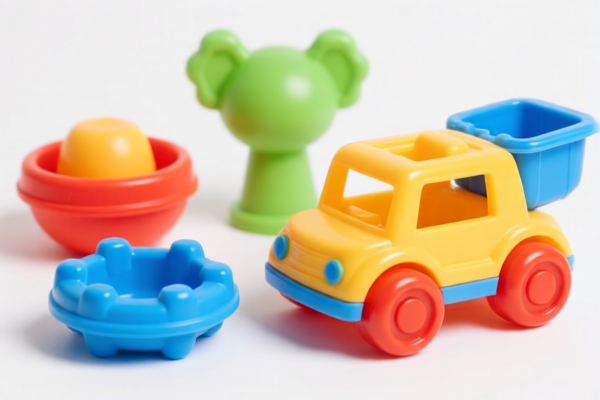
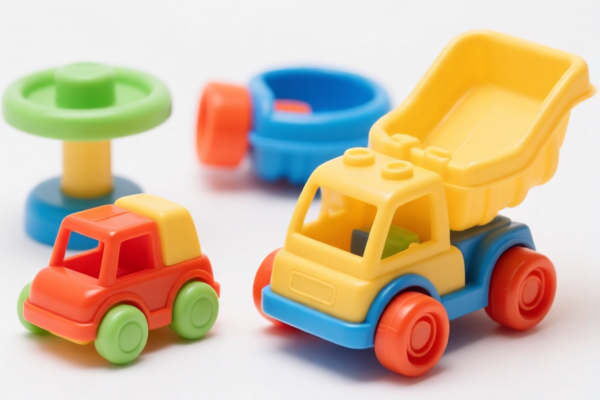
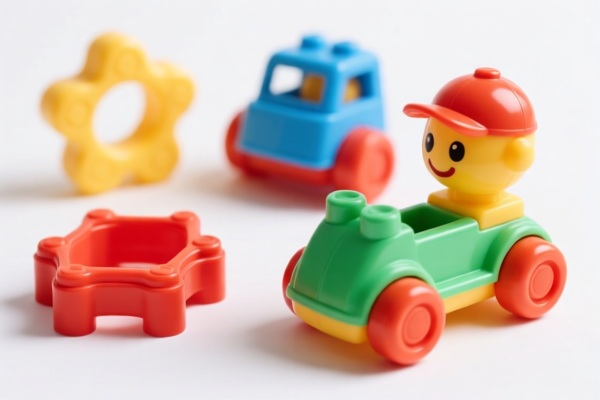
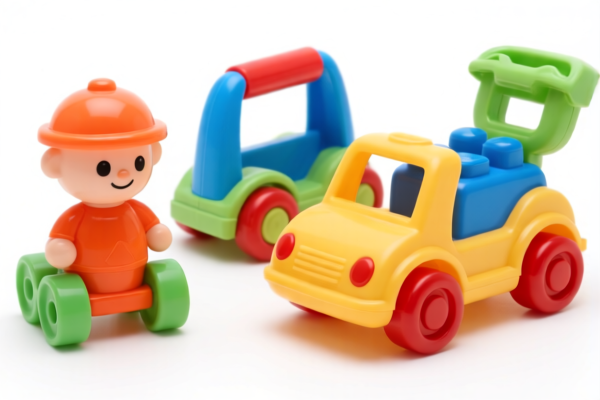
AI Analysis
📣 Plastic Horn Toy (Whistle/Blower Toy)
🌐 HS Code Reference & Customs Clearance Guide | 2026 Latest Tariff Analysis | Professional Clearance Strategy 📌 1. Product Definition & Classification: What is a "Plastic Horn Toy"?
A "Plastic Horn Toy" typically refers to children's toys made of plastic that produce sound when blown into (e.g., party blowers, whistles, air horns, or plastic trumpets). In international trade, the classification hinges on whether it is explicitly recognized as a toy or considered merely a plastic article.
Key Distinction: - Toy Classification (9503): If the primary function is amusement or play, and it fits the general definition of a toy, it falls under Chapter 95. - Plastic Article Classification (3926): If it is deemed a generic plastic accessory or lacks specific toy features, it may fall under Chapter 39 (Other articles of plastics).
⚠️ Critical Warning: - Misclassification between Chapter 95 (Toys) and Chapter 39 (Plastics) leads to significant tax disparities due to US trade policies (Section 301 & IEEPA). - Toys generally have lower base tariffs but are still subject to significant additional tariffs. - Plastic articles often have higher base tariffs plus the same additional tariffs.
📦 2. HS Code Classification Details (2026 Latest Tariff Authority)
Based on the provided data for "Plastic Car Toy" (as the input "Plastic Horn Toy" is functionally similar in material and category, and the provided dataset explicitly maps plastic toys to specific HS codes), here is the authoritative breakdown for plastic toys:
| HS Code | Product Description | Classification Logic | Material |
|---|---|---|---|
9503.00.00.73 |
Toy Category (Plastic Car/Toy) | Classified as a toy; material is plastic; fits the scope of 9503.00.00.73. | Plastic |
3926.90.99.89 |
Other Plastic Articles | Classified as other plastic products; material is plastic; fits the scope of 3926.90.99.89. | Plastic |
3926.90.99.05 |
Plastic Products (Catch-all) | Classified as the catch-all category for plastic products; material is plastic; fits the scope of 3926.90.99.05. | Plastic |
9503.00.00.71 |
Toy Category (Plastic Car/Toy) | Classified as a toy; material is plastic; fits the scope of 9503.00.00.71. | Plastic |
🔍 Key Insight: - Toys (
9503): Base tariff is 0%. - Plastic Articles (3926): Base tariff is 5.3%. - The Additional Tariffs remain the same regardless of classification.
💰 3. 2026 Latest Tariff Rate Details (Including Surcharges & Policy Add-ons)
✅ Applicable Country: United States (US) ✅ Origin: China (CN) ✅ Effective Date: 2025-11-10 onwards
🎯 1. Toy Classification (9503.00.00.73 / 9503.00.00.71)
| Item | Detail |
|---|---|
| Base Tariff | 0.0% |
| Section 301 Surcharge | 0.0% (Note: Base rate is 0, so no surcharge on base) |
| IEEPA Section 122 Tariff | +10% |
| Total Tariff Rate | 10.0% |
| Tax Calculation | CIF Value × 10% |
| Legal Basis | IEEPA:122 |
📌 Explanation: - Toys in Chapter 95 benefit from a 0% base tariff. - However, they are not exempt from the 10% IEEPA Section 122 tariff. - Total Tax Burden: 10%.
🎯 2. Plastic Article Classification (3926.90.99.89 / 3926.90.99.05)
| Item | Detail |
|---|---|
| Base Tariff | 5.3% |
| Section 301 Surcharge | +7.5% |
| IEEPA Section 122 Tariff | +10% |
| Total Tariff Rate | 22.8% |
| Tax Calculation | CIF Value × 22.8% |
| Legal Basis | USITC:3926.90.99 → FOOTNOTE:301 → IEEPA:122 |
📌 Explanation: - Plastic articles in Chapter 39 have a 5.3% base tariff. - Subject to a 7.5% Section 301 surcharge on the base rate. - Plus the 10% IEEPA Section 122 tariff. - Total Tax Burden: 22.8%.
🛠️ 4. Customs Clearance Practical Advice (Pitfall Avoidance Guide)
✅ 1. Document Preparation Checklist (Essential)
| Document | Required? | Notes |
|---|---|---|
| ✅ Product Specifications | ✔️ | Must clearly state "Toy" or "Plastic Article". Include material composition. |
| ✅ Product Photos | ✔️ | Show the toy in use (e.g., being blown by a child) to prove toy intent. |
| ✅ Commercial Invoice | ✔️ | Describe as "Plastic Toy - Horn/Whistle" to support HS 9503. |
| ✅ ASTM F963 / CPSIA Report | ✔️ | Critical for Toys: Proof of safety compliance. |
| ✅ Packaging Label | ✔️ | Must include "Toy" designation and age warnings. |
✅ 2. Declaration Strategy (Key Mnemonic)
🔥 "Toy Intent is King: Document Proof, Tax Drop!"
| Scenario | Correct Declaration | Wrong Action |
|---|---|---|
| Product is a toy (blow whistle, horn) | 9503.00.00.71 or 9503.00.00.73 |
Declare as "Plastic Part" → Tax rises to 22.8% |
| Product is a generic plastic horn (no toy intent) | 3926.90.99.89 |
Declare as "Toy" → Risk of seizure for missing toy safety certs |
| Packaging | Include child-safe graphics, age grades | Plain plastic bag with no labels → High audit risk |
✅ 3. Special Cases & Handling
| Case | Handling Advice |
|---|---|
| OEM Custom Toy | Provide design drawings to prove toy nature. Avoid generic "plastic horn" descriptions. |
| Mixed Shipment | Separate toys from non-toy plastic items in invoice. Do not mix HS 9503 and 3926 in one line if possible. |
| Safety Compliance | If declared as Toy (9503), you must provide CPSIA/ASTM certification. Without it, customs may reclassify as "Other Plastic Article" (3926) or seize goods. |
🌍 5. Global Market Comparison (2026 Latest)
| Country/Region | Recommended HS Code | Tariff Rate | Certification | Notes |
|---|---|---|---|---|
| 🇺🇸 USA | 9503.00.00.73 |
10.0% | CPSIA + ASTM | Lowest tariff if classified as toy. |
| 🇺🇸 USA | 3926.90.99.89 |
22.8% | None Required | Higher tariff, no toy certs needed. |
| 🇨🇳 China | 9503.00.00.73 |
9.0% | CCC | Base tariff 0%, but China has its own rules. |
| 🇪🇺 EU | 9503.00.33.00 |
0% | CE + EN71 | No additional tariffs for toys in EU. |
📌 Conclusion: - USA: Declaring as a Toy saves 12.8% in tariffs compared to Plastic Articles. - Certification Cost vs. Tariff Savings: If CPSIA certification costs less than the 12.8% tax difference, always declare as Toy.
📌 6. Common Errors & Pitfalls (Lessons Learned)
❌ Error 1: Declaring "Plastic Horn" without specifying it's a toy.
👉 Consequence: Customs may reclassify as 3926 → Tax increases from 10% to 22.8%.
❌ Error 2: Providing toy invoice but no safety certs.
👉 Consequence: Customs denies toy classification → Rejected or reclassified to 3926 + fines.
❌ Error 3: Using "Plastic Accessory" as the product name. 👉 Consequence: Triggers audit → Delayed clearance + potential penalties.
✅ Correct Declaration:
"Plastic Toy Horn for Children, Model XYZ, ASTM F963 Compliant, CPSIA Certified"
🎯 7. Conclusion: Smart Classification, Higher Profit!
🎯 Remember the Mnemonic:
🔹 "Toy Intent: 10% Tax. Plastic Article: 22.8% Tax. Certs Save Money!" 🔹 "HS Code Decision: 12.8% Difference. Wrong Code = Lost Profit!"
📌 Pro Tip:
- If you cannot provide CPSIA/ASTM certification, consider declaring as 3926.90.99.89 (Plastic Article) to avoid compliance risks, but accept the higher 22.8% tariff.
- If you can provide certification, always declare as 9503.00.00.73 to save 12.8% in duties.
📣 Action Required:
📞 Contact Customs Broker + Provide Safety Certs + Use Toy-Specific Description 🚀 Ensure Smooth Clearance, Maximize Profit, Stay Compliant!
✨ Professional Clearance, Starts with Accurate Classification! 💼 Every Percent Saved is Profit Earned!
Customer Reviews
About HS Code Classification
The Harmonized System (HS) is an internationally standardized nomenclature developed by the World Customs Organization (WCO) to classify traded products. Over 200 countries use the HS system as the basis for customs tariffs, trade statistics, and import/export regulations.
Each HS code follows a hierarchical structure:
- Chapter (2 digits) — Broad category of goods (e.g., Chapter 84: Machinery and Mechanical Appliances)
- Heading (4 digits) — More specific grouping within the chapter
- Subheading (6 digits) — Internationally standardized breakdown, used by all WCO member countries
- National subdivisions (8-10 digits) — Country-specific extensions for further classification, such as US HTSUS 10-digit codes
Correct HS code classification is essential for smooth customs clearance, accurate duty payment, and compliance with trade regulations. Misclassification can lead to customs delays, overpayment of duties, or penalties.
When importing from CN to US, the applicable tariff rates may include:
- Most-Favored-Nation (MFN) rate — The standard duty rate applied to WTO members
- General rate — Applied to countries without trade agreements
- Trade remedy duties — Additional tariffs such as Section 301 (anti-dumping), Section 232 (national security), or countervailing duties
The information provided on this page is for reference purposes only. For official classification, please consult with your local customs authority or a licensed customs broker.