Plastic Household Bucket
CN → US| HS Code | Tariff Rate | Origin | Destination | Doc |
|---|---|---|---|---|
| 3923900012 | 38.0% | CN | US | Official Doc |
| 3926901000 | 20.9% | CN | US | Official Doc |
| 3926904000 | 12.8% | CN | US | Official Doc |
| 3923900014 | 38.0% | CN | US | Official Doc |
| 3926909989 | 22.8% | CN | US | Official Doc |
Product Images
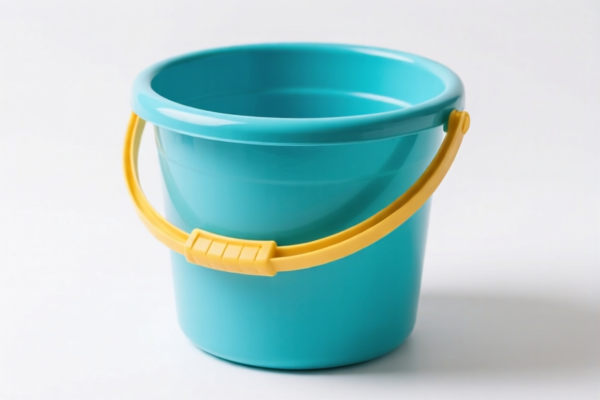
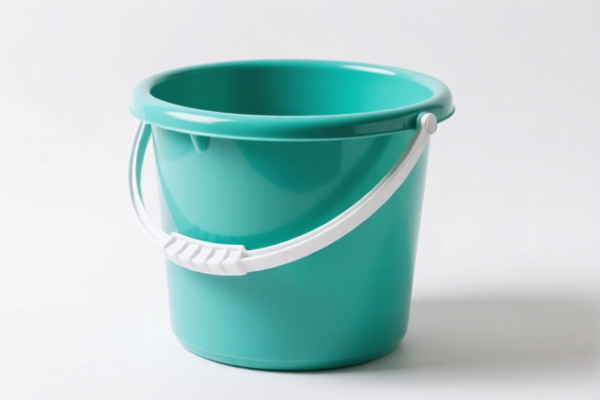
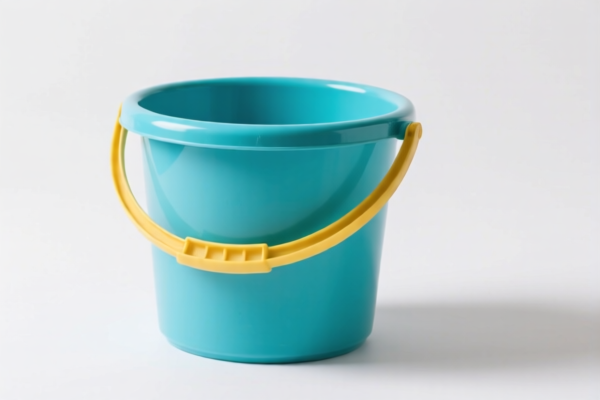
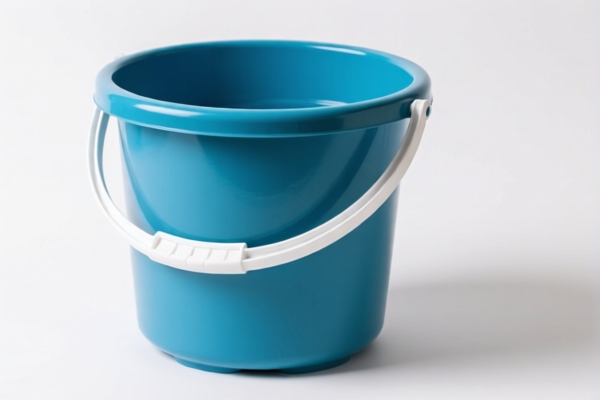
AI Analysis
🪣 Plastic Household Bucket (Plastic Transport Container)
🌐 HS Code Reference & Customs Clearance Guide | 2026 Latest Tariff Analysis | Professional Strategy for US Import
📌 I. Product Definition & Classification: What Exactly is a "Plastic Household Bucket"?
A "Plastic Household Bucket" is a versatile container used for storage, transport, or household cleaning. In international trade, its classification is strictly determined by its specific form and intended use. The Harmonized System (HS) distinguishes between specialized transport containers (Chapter 3923) and general plastic articles (Chapter 3926).
Key Classification Drivers: * Chapter 3923 (Buckets, Pails, Canisters): Used when the item is specifically designed as a transport container with handles, spouts, or standardized shapes for carrying goods. * Chapter 3926 (Other Plastic Articles): Used when the item is a general-purpose container, chemical drum, or lacks specific "transport bucket" features defined in 3923.
⚠️ Critical Distinction:
- If it is a standard bucket/pail with a handle, designed for transporting liquids or solids → Likely 3923.90.00.12 or 3923.90.00.14.
- If it is a chemical drum or general-purpose plastic container without specific "bucket" features → Likely 3926.90.10.00, 3926.90.40.00, or 3926.90.99.89.
📦 II. HS Code Classification Details (2026 Latest Tariff Authority)
| HS Code | Product Description | Applicable Scenario | Tax Rate (Total) | Tax Breakdown |
|---|---|---|---|---|
3923.90.00.12 |
Plastic Transport Bucket, Bucket Form | Standard plastic buckets/pails with handles for transport | 38.0% | Base: 3.0% + Section 301: 25.0% + Section 122: 10.0% |
3923.90.00.14 |
Plastic Transport Bucket / Chemical Drum | Buckets/pails specifically defined for transport | 38.0% | Base: 3.0% + Section 301: 25.0% + Section 122: 10.0% |
3926.90.10.00 |
Plastic Transport Bucket (General Use) | Buckets categorized as "Other Plastic Articles" for transport | 20.9% | Base: 3.4% + Section 301: 7.5% + Section 122: 10.0% |
3926.90.40.00 |
Plastic Bucket (General Article) | General plastic products, other than specific transport buckets | 12.8% | Base: 2.8% + Section 301: 0.0% + Section 122: 10.0% |
3926.90.99.89 |
Plastic Chemical Drum / Container | Plastic containers for chemicals, classified as "Other" plastic articles | 22.8% | Base: 5.3% + Section 301: 7.5% + Section 122: 10.0% |
🔍 Key Insight:
- Highest Risk/Rate: Codes3923.90.00.12and3923.90.00.14carry a 38% total tariff due to the high Section 301 duty (25%).
- Lowest Rate: Code3926.90.40.00has the lowest total rate (12.8%) because it is exempt from Section 301 duties (0%), but only if classified as a general plastic article.
- Section 122 Impact: All listed codes include a 10% Section 122 duty (if applicable to current policy enforcement), which is a significant add-on.
💰 III. 2026 Latest Tariff Rate Breakdown (Detailed Explanation)
✅ Applicable Country: United States (US)
✅ Origin: China (CN)
✅ Effective Date: Current as of 2026
🎯 1. 3923.90.00.12 & 3923.90.00.14 —— Plastic Transport Buckets (Highest Duty)
| Item | Details |
|---|---|
| Base Duty | 3.0% (Ad Valorem) |
| Section 301 Duty | +25.0% (High impact on transport containers) |
| Section 122 Duty | +10.0% |
| Total Effective Rate | 38.0% |
| Calculation Base | CIF Value × 38.0% |
| De Minimis Exemption | ❌ Not Applicable (High value threshold) |
📌 Explanation:
- These codes fall under Chapter 3923, which covers "Plastics; articles of plastics and articles of other materials."
- The 25% Section 301 duty is applied because these are considered essential transport goods.
- Warning: This is the most common classification for standard household buckets with handles, but it incurs the highest tax burden.
🎯 2. 3926.90.10.00 —— Plastic Buckets (General Transport Use)
| Item | Details |
|---|---|
| Base Duty | 3.4% |
| Section 301 Duty | +7.5% (Reduced rate for general plastic articles) |
| Section 122 Duty | +10.0% |
| Total Effective Rate | 20.9% |
| Calculation Base | CIF Value × 20.9% |
| De Minimis Exemption | ❌ Not Applicable |
📌 Explanation:
- Classified under 3926, this code is for plastic buckets that do not strictly meet the "transport container" definition of 3923 but are still used for transport.
- Lower Section 301 rate makes it more cost-effective than 3923 codes.
🎯 3. 3926.90.40.00 —— General Plastic Articles (Lowest Duty)
| Item | Details |
|---|---|
| Base Duty | 2.8% |
| Section 301 Duty | +0.0% (Exempt from Section 301) |
| Section 122 Duty | +10.0% |
| Total Effective Rate | 12.8% |
| Calculation Base | CIF Value × 12.8% |
| De Minimis Exemption | ❌ Not Applicable |
📌 Explanation:
- This code is for other plastic articles not elsewhere specified.
- Crucial Note: You can only use this code if the bucket is not primarily a "transport container" but a general-purpose item (e.g., a decorative pot, a simple storage jar). Misclassification here can lead to audits.
🎯 4. 3926.90.99.89 —— Plastic Chemical Drums/Containers
| Item | Details |
|---|---|
| Base Duty | 5.3% |
| Section 301 Duty | +7.5% |
| Section 122 Duty | +10.0% |
| Total Effective Rate | 22.8% |
| Calculation Base | CIF Value × 22.8% |
| De Minimis Exemption | ❌ Not Applicable |
📌 Explanation:
- Used for chemical drums or specialized plastic containers.
- Higher base duty than general articles but lower Section 301 rate.
🛠️ IV. Customs Clearance Practical Advice (Avoid Pitfalls)
✅ 1. Preparation Checklist (Essential Documents)
| Document | Required | Notes |
|---|---|---|
| ✅ Product Specification Sheet | ✔️ | Must specify: Material (e.g., HDPE, PP), Capacity, Dimensions, Handle Type. |
| ✅ Product Photos | ✔️ | Clear images showing: Overall shape, handle, spout (if any), and any labels. |
| ✅ Commercial Invoice | ✔️ | Accurate description: "Plastic Household Bucket" or "Plastic Transport Pail." Avoid vague terms like "Plastic Item." |
| ✅ Packing List | ✔️ | Include net/gross weight, number of pieces per carton. |
| ✅ Material Declaration | ✔️ | Confirm if the plastic is food-grade or non-food-grade (if applicable). |
✅ 2. Classification Strategy (Key Tips)
🔥 "Shape Defines Code, Handle Defines Chapter!"
| Scenario | Recommended HS Code | Reason |
|---|---|---|
| Standard Bucket with Handle | 3923.90.00.12 or 3923.90.00.14 |
Fits "Buckets/Pails" definition in Ch. 3923. Highest tax (38%). |
| Simple Plastic Container (No Handle) | 3926.90.40.00 |
Classified as "Other Plastic Article." Lowest tax (12.8%). |
| Chemical Drum / Large Container | 3926.90.99.89 |
Specialized container for chemicals. Moderate tax (22.8%). |
| Bucket with Specific Transport Features | 3926.90.10.00 |
General transport use but not strict "bucket" form. Moderate tax (20.9%). |
✅ 3. Special Cases & Warnings
| Situation | Advice |
|---|---|
| OEM Custom Buckets | Provide design drawings to prove if it’s a "transport container" (3923) or "general article" (3926). |
| Nested Buckets | If multiple buckets are stacked, declare as a single unit if packed together. |
| Food-Grade Buckets | Add "Food Contact Safe" to description. May require FDA compliance documentation. |
| Misclassification Risk | Do not force 3926.90.40.00 for a clear "bucket" with a handle. Customs may reclassify and apply 38% + penalties. |
🌍 V. Global Market Comparison (2026)
| Country/Region | Recommended HS Code | Duty Rate (China Origin) | Notes |
|---|---|---|---|
| 🇺🇸 USA | 3923.90.00.12 / 3926.90.40.00 |
12.8% – 38.0% | Includes Section 301 & 122 duties. |
| 🇪🇺 EU | 3923.90.00 |
~4.5% | No Section 301/122. Standard MFN rate. |
| 🇨🇳 China | 3923.90.00 |
5.0% - 10% | Import duty for domestic use. |
| 🇬🇧 UK | 3923.90.00 |
~4.5% | Post-Brexit standard rates. |
📌 Conclusion:
- The US market is the most expensive due to Section 301 and 122 duties.
- Strategy: If possible, design the product as a general plastic container (no handle, simple shape) to utilize3926.90.40.00(12.8%) instead of3923(38%). However, this may affect product utility.
📌 VI. Common Errors & Pitfalls (Lessons Learned)
❌ Error 1: Declaring a handled bucket as 3926.90.40.00 to save tax.
👉 Consequence: Customs audit, reclassification to 3923.90.00.12, back taxes (25.2% difference) + penalties.
❌ Error 2: Vague description "Plastic Bucket" without material or use details.
👉 Consequence: Customs holds shipment for further information, delays clearance by 1-2 weeks.
❌ Error 3: Ignoring Section 122 Duty.
👉 Consequence: Underpayment. Section 122 is a significant add-on (10%) for many plastic goods.
❌ Error 4: Assuming all plastic buckets are 3923.
👉 Consequence: Missing out on lower rates for general plastic articles (3926) if the design allows.
✅ Correct Practice:
"Plastic Household Bucket, HDPE, 10L, with Handle, For General Storage, Model XYZ, US Compliant"
🎯 VII. Conclusion: Professional Classification, Cost Optimization!
🎯 Key Takeaway:
🔹 "Handled = 3923 (38% Tax)"
🔹 "Simple Container = 3926 (12.8%-22.8% Tax)"
🔹 "Always Check Section 122!"
📌 Tips for Importers:
- If your bucket has a handle and is for transport, expect 38% total duty.
- If your bucket is simple, no handle, or for decorative/storage, consider 3926.90.40.00 for 12.8% duty.
- Document everything: Photos, specs, and clear descriptions are your best defense against customs disputes.
📣 Action Item:
📞 Consult with a licensed customs broker to pre-classify your specific bucket design.
🚀 Optimize your product design or declaration to legally minimize duty costs.
💼 Accurate Classification Saves Money and Time!
✨ Professional Clearance Starts with Accurate HS Codes!
💼 Every Dollar Counted, Every Risk Managed!
Customer Reviews
About HS Code Classification
The Harmonized System (HS) is an internationally standardized nomenclature developed by the World Customs Organization (WCO) to classify traded products. Over 200 countries use the HS system as the basis for customs tariffs, trade statistics, and import/export regulations.
Each HS code follows a hierarchical structure:
- Chapter (2 digits) — Broad category of goods (e.g., Chapter 84: Machinery and Mechanical Appliances)
- Heading (4 digits) — More specific grouping within the chapter
- Subheading (6 digits) — Internationally standardized breakdown, used by all WCO member countries
- National subdivisions (8-10 digits) — Country-specific extensions for further classification, such as US HTSUS 10-digit codes
Correct HS code classification is essential for smooth customs clearance, accurate duty payment, and compliance with trade regulations. Misclassification can lead to customs delays, overpayment of duties, or penalties.
When importing from CN to US, the applicable tariff rates may include:
- Most-Favored-Nation (MFN) rate — The standard duty rate applied to WTO members
- General rate — Applied to countries without trade agreements
- Trade remedy duties — Additional tariffs such as Section 301 (anti-dumping), Section 232 (national security), or countervailing duties
The information provided on this page is for reference purposes only. For official classification, please consult with your local customs authority or a licensed customs broker.